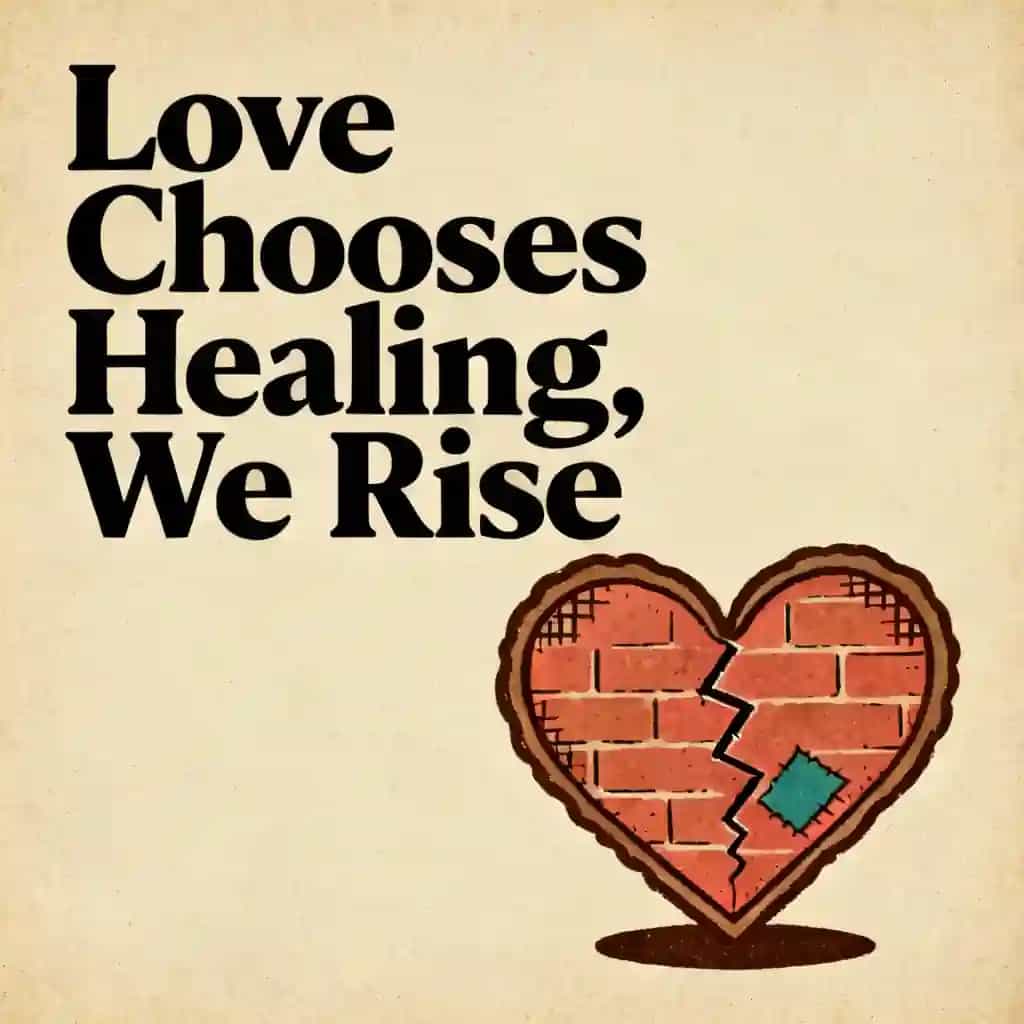
Inside Anorexia Recovery: A Young Girl's Journey
We explore Jen Petro-Roy's groundbreaking middle-grade novel 'Good Enough,' which follows 12-year-old Riley's authentic journey through anorexia treatment, offering young readers a rare, honest window into eating disorder recovery.

Inside Anorexia Recovery: A Young Girl's Journey 베스트 인용
The eating disorder promised her control and specialness, but it actually cost her the relationships that mattered most. Recovery means accepting that she's worthy of love and happiness just as she is.

이 오디오 레슨은 BeFreed 커뮤니티 멤버가 만들었습니다
Good enough by Jen petro-Roy

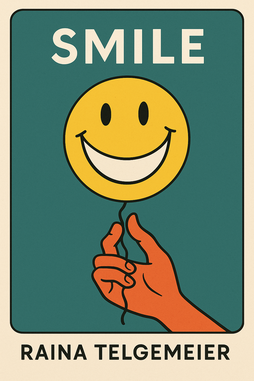
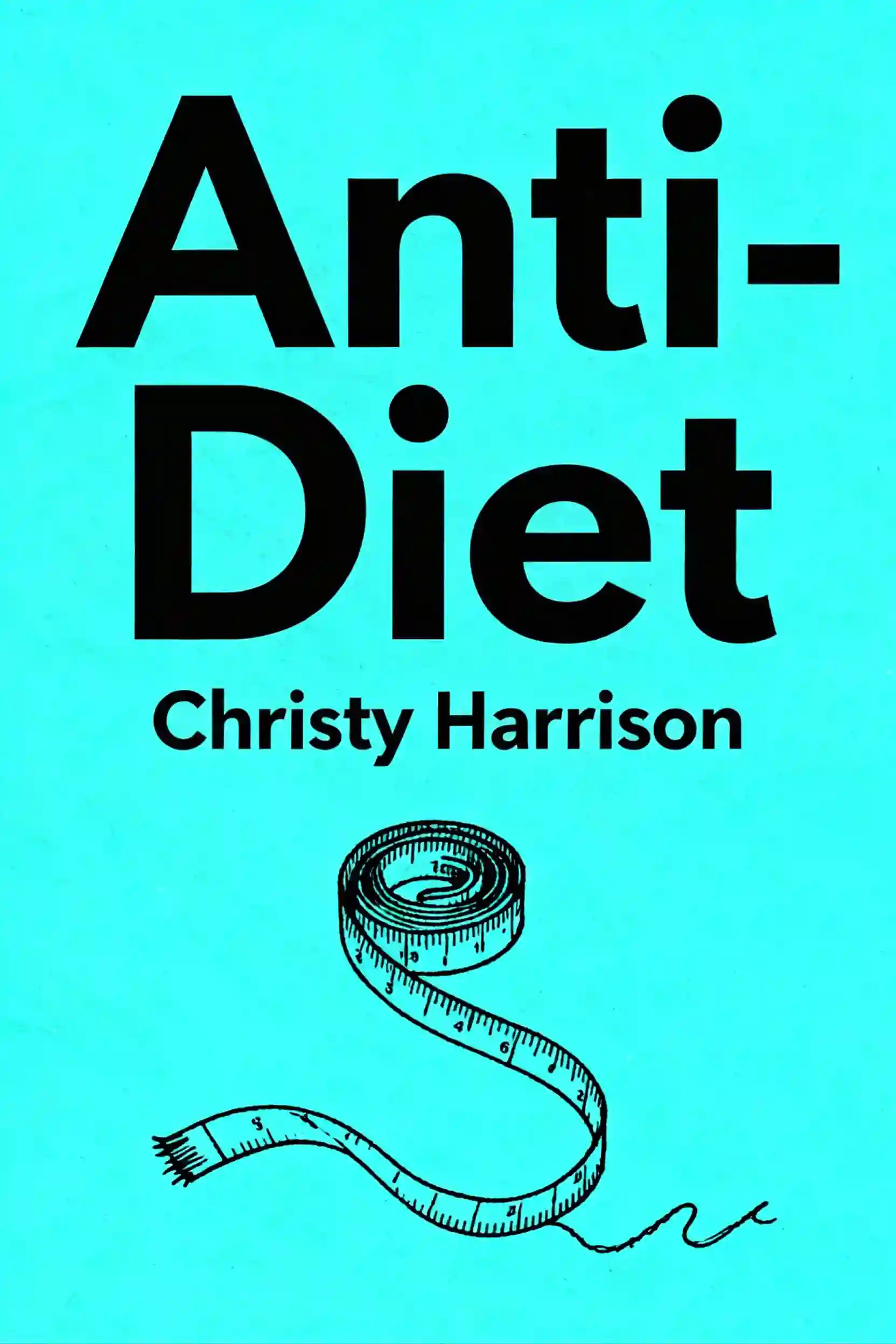
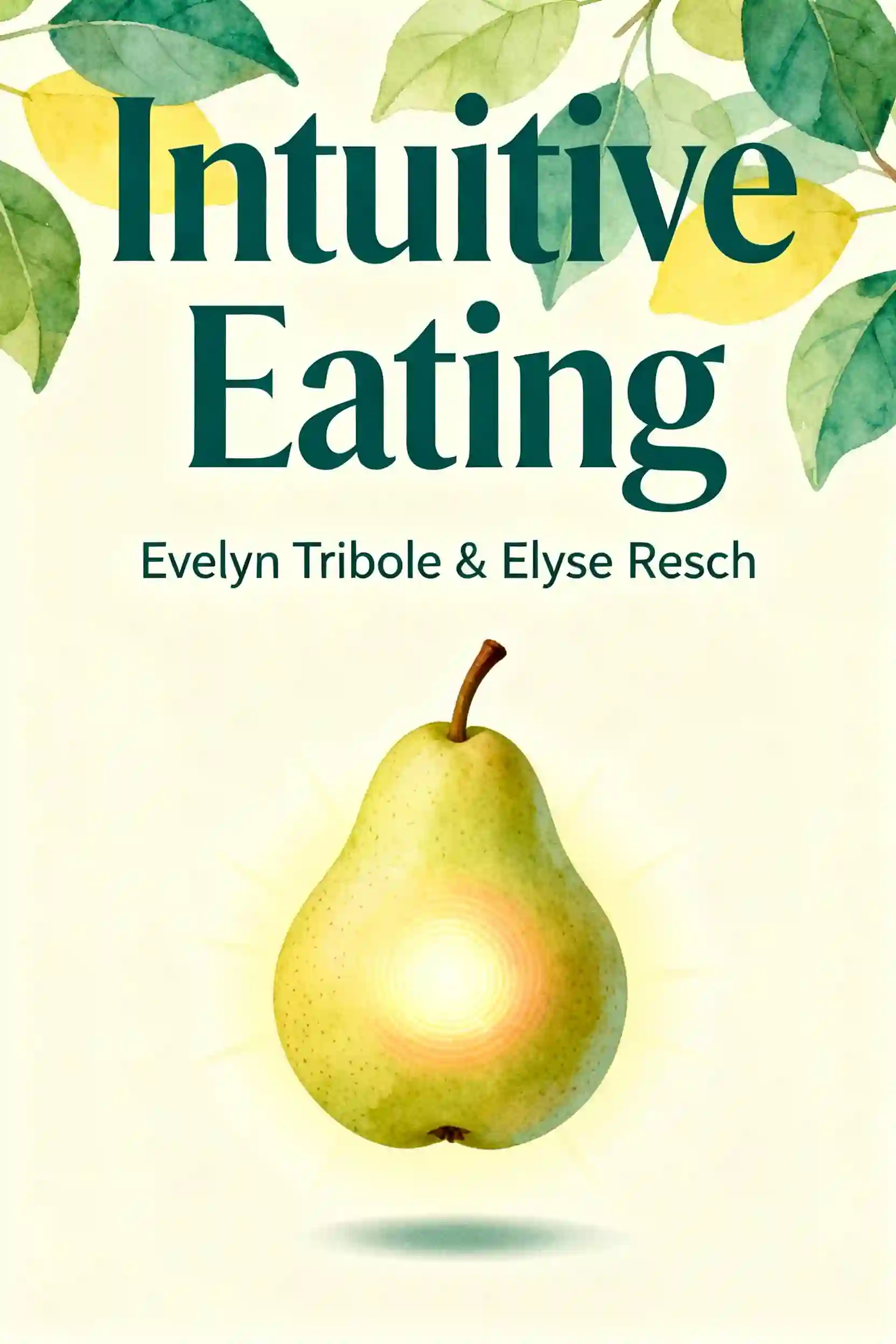
더 알아보기

Rebuild healthy eating after relapse at 75kg
This plan is designed for individuals seeking to regain nutritional balance after a setback without falling back into restrictive dieting. It combines psychological recovery with practical nutrition science to help you build a resilient, shame-free lifestyle.

How do I heal my inner child?
This plan is essential for anyone feeling stuck in repetitive emotional cycles or struggling with low self-worth rooted in the past. It provides a structured path for individuals ready to break generational trauma and build a more compassionate relationship with themselves.

Finding Hope in an Unquiet Mind
This plan is essential for individuals navigating mood disorders and those seeking to understand the science of brain health. It offers a compassionate, evidence-based roadmap for anyone looking to transform clinical knowledge into a sustainable, lived recovery.

Unshakeable Confidence and Body Acceptance
This plan is essential for individuals struggling with social anxiety and negative body image who want to rebuild their self-esteem from the inside out. It combines physiological regulation with mindset shifts to help learners move beyond self-doubt and reclaim their personal power.

Books Recommended by Olivia Rodrigo
Explore Olivia Rodrigo’s book recommendations—raw, poetic, and rebellious reads to spark self-discovery, creativity, and coming-of-age insight.
BeFreed 팀

Learn to love myself
In a world driven by external validation, developing a resilient internal support system is essential for mental well-being. This plan is designed for anyone struggling with burnout, perfectionism, or a loud inner critic who wants to build a sustainable foundation of self-worth.

Navigate favoritism and criticism at 14
This learning plan is designed for 14-year-olds facing the social complexities of adolescence and unfair treatment. It provides essential emotional intelligence tools for teens and parents seeking to build long-term resilience and assertive communication skills.

How to be enough
This plan is essential for high-achievers and individuals struggling with burnout or chronic people-pleasing. It provides a structured path to transition from external validation to internal security, making it ideal for anyone seeking to reclaim their identity and peace of mind.
샌프란시스코에서 컬럼비아 대학교 동문들이 만들었습니다
"Instead of endless scrolling, I just hit play on BeFreed. It saves me so much time."


"I never knew where to start with nonfiction—BeFreed’s book lists turned into podcasts gave me a clear path."


"Perfect balance between learning and entertainment. Finished ‘Thinking, Fast and Slow’ on my commute this week."
"Crazy how much I learned while walking the dog. BeFreed = small habits → big gains."
"Reading used to feel like a chore. Now it’s just part of my lifestyle."

"Feels effortless compared to reading. I’ve finished 6 books this month already."
"BeFreed turned my guilty doomscrolling into something that feels productive and inspiring."

"BeFreed turned my commute into learning time. 20-min podcasts are perfect for finishing books I never had time for."
"BeFreed replaced my podcast queue. Imagine Spotify for books — that’s it. 🙌"

"It is great for me to learn something from the book without reading it."
"The themed book list podcasts help me connect ideas across authors—like a guided audio journey."
"Makes me feel smarter every time before going to work"
샌프란시스코에서 컬럼비아 대학교 동문들이 만들었습니다
"Instead of endless scrolling, I just hit play on BeFreed. It saves me so much time."
"I never knew where to start with nonfiction—BeFreed’s book lists turned into podcasts gave me a clear path."
"Perfect balance between learning and entertainment. Finished ‘Thinking, Fast and Slow’ on my commute this week."
"Crazy how much I learned while walking the dog. BeFreed = small habits → big gains."
"Reading used to feel like a chore. Now it’s just part of my lifestyle."
"Feels effortless compared to reading. I’ve finished 6 books this month already."
"BeFreed turned my guilty doomscrolling into something that feels productive and inspiring."
"BeFreed turned my commute into learning time. 20-min podcasts are perfect for finishing books I never had time for."
"BeFreed replaced my podcast queue. Imagine Spotify for books — that’s it. 🙌"
"It is great for me to learn something from the book without reading it."
"The themed book list podcasts help me connect ideas across authors—like a guided audio journey."
"Makes me feel smarter every time before going to work"
"Instead of endless scrolling, I just hit play on BeFreed. It saves me so much time."
"I never knew where to start with nonfiction—BeFreed’s book lists turned into podcasts gave me a clear path."
"Perfect balance between learning and entertainment. Finished ‘Thinking, Fast and Slow’ on my commute this week."
"Crazy how much I learned while walking the dog. BeFreed = small habits → big gains."
"Reading used to feel like a chore. Now it’s just part of my lifestyle."
"Feels effortless compared to reading. I’ve finished 6 books this month already."
"BeFreed turned my guilty doomscrolling into something that feels productive and inspiring."
"BeFreed turned my commute into learning time. 20-min podcasts are perfect for finishing books I never had time for."
"BeFreed replaced my podcast queue. Imagine Spotify for books — that’s it. 🙌"
"It is great for me to learn something from the book without reading it."
"The themed book list podcasts help me connect ideas across authors—like a guided audio journey."
"Makes me feel smarter every time before going to work"
"Instead of endless scrolling, I just hit play on BeFreed. It saves me so much time."
"I never knew where to start with nonfiction—BeFreed’s book lists turned into podcasts gave me a clear path."
"Perfect balance between learning and entertainment. Finished ‘Thinking, Fast and Slow’ on my commute this week."
"Crazy how much I learned while walking the dog. BeFreed = small habits → big gains."
"Reading used to feel like a chore. Now it’s just part of my lifestyle."
"Feels effortless compared to reading. I’ve finished 6 books this month already."
"BeFreed turned my guilty doomscrolling into something that feels productive and inspiring."
"BeFreed turned my commute into learning time. 20-min podcasts are perfect for finishing books I never had time for."
"BeFreed replaced my podcast queue. Imagine Spotify for books — that’s it. 🙌"
"It is great for me to learn something from the book without reading it."
"The themed book list podcasts help me connect ideas across authors—like a guided audio journey."
"Makes me feel smarter every time before going to work"