
How PNC Bank Is Scaling AI Without Losing the Human Touch
Many banks struggle to balance tech with service. Learn how PNC uses agentic AI to cut costs and boost efficiency while expanding its physical branches.

How PNC Bank Is Scaling AI Without Losing the Human Touch 베스트 인용
AI isn't a replacement strategy; it’s a leverage strategy. It’s about making your best assets—your people and your data—work ten times harder by treating technology as a way to liberate your staff rather than liquidate them.

이 오디오 레슨은 BeFreed 커뮤니티 멤버가 만들었습니다
Exceptional CEO implementation of AI throughout the business period financial services especially PNC insurance. Progressive insurance in US.

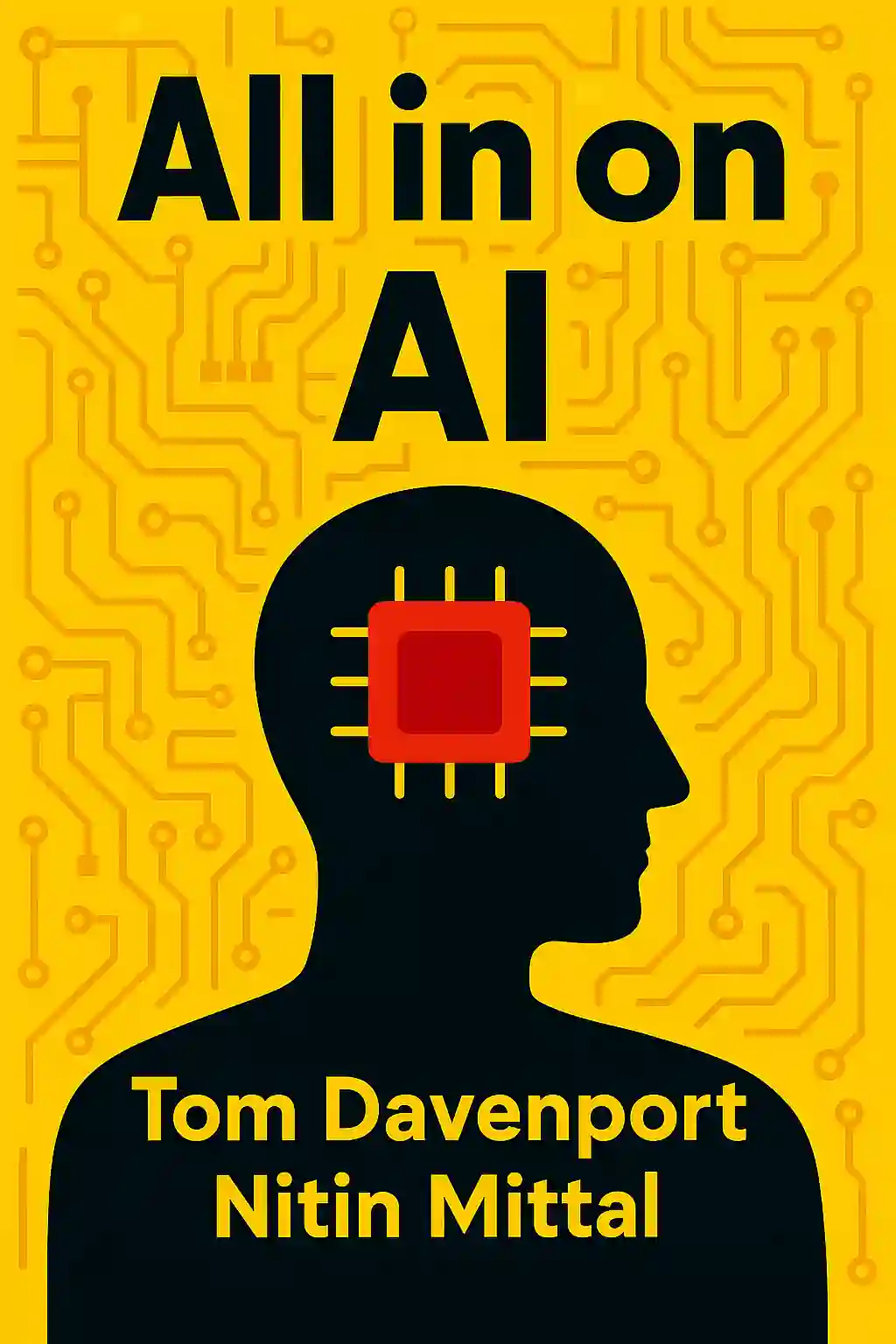
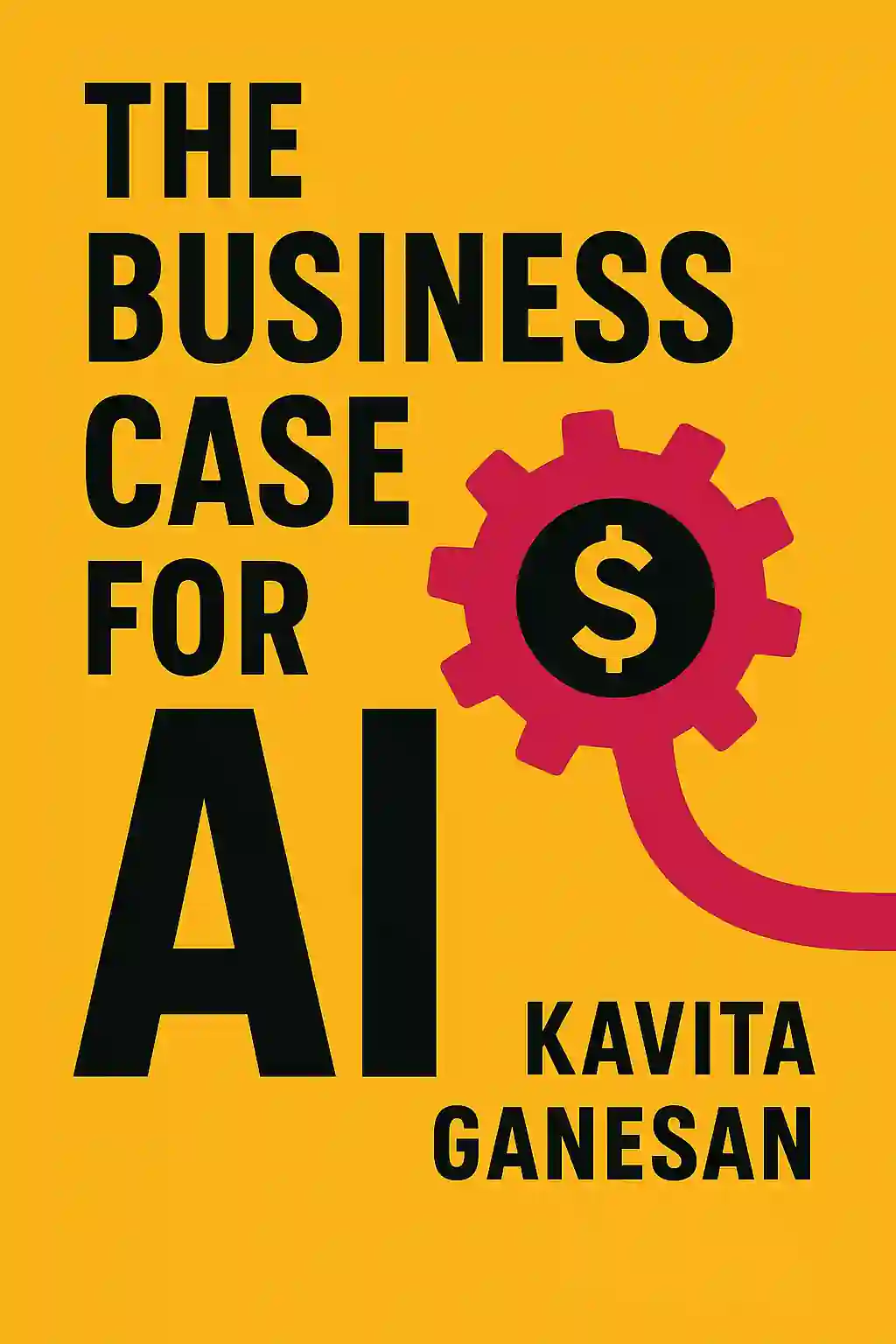
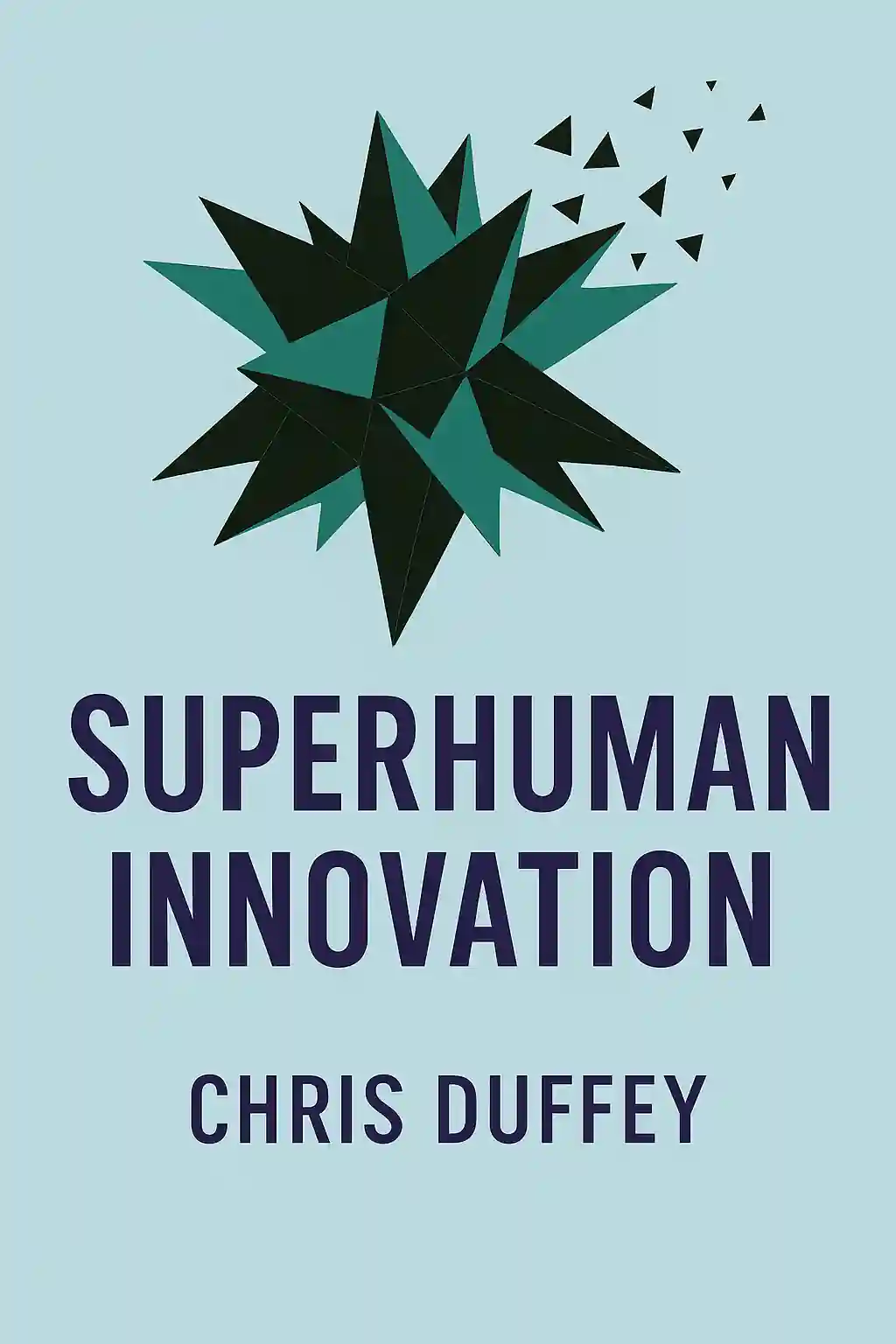
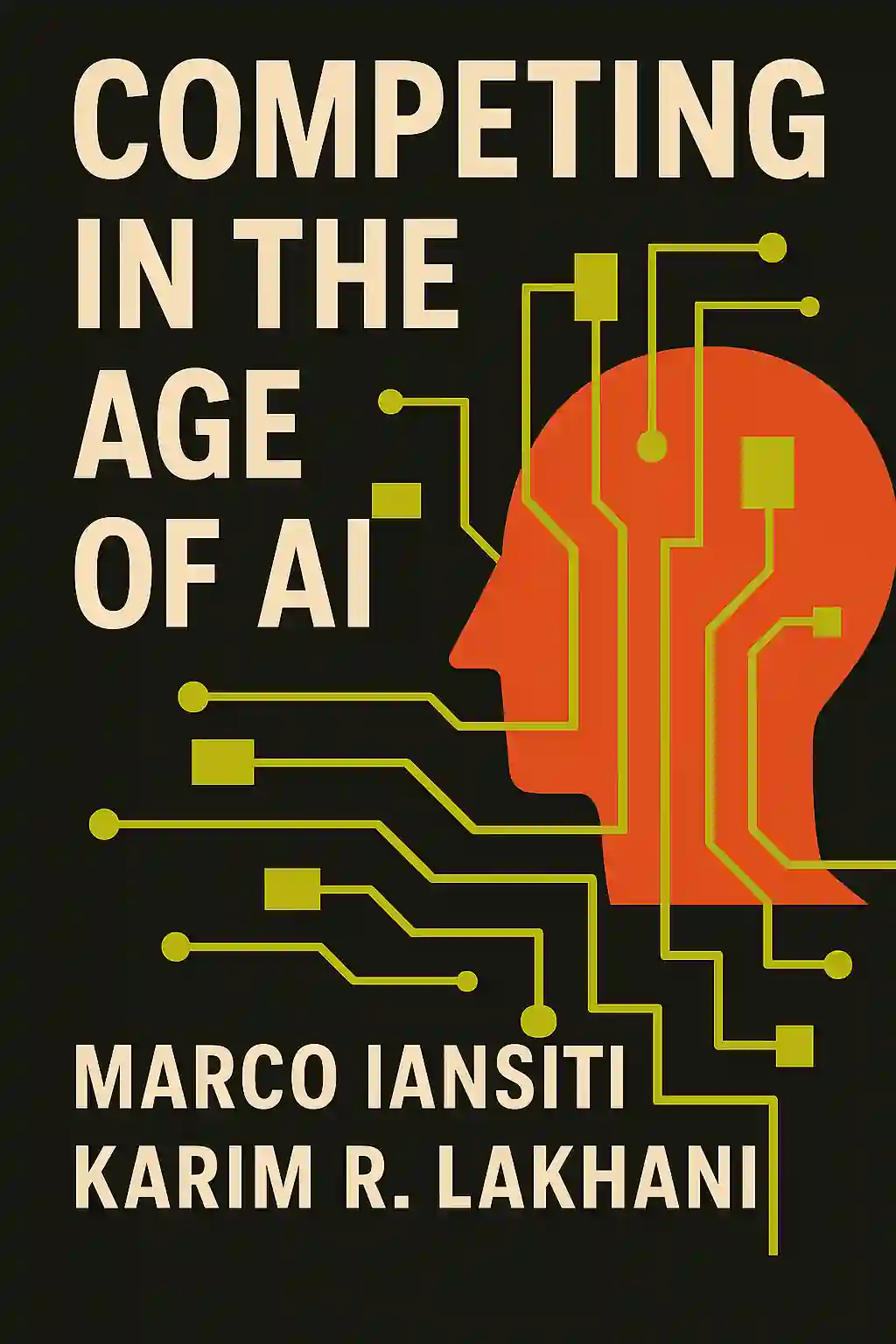
자주 묻는 질문
This strategy balances massive investment in automation with a commitment to personal service. PNC is spending $1.4 billion on AI to handle back-office tasks and "agentic" workflows, which creates a "productivity dividend." This savings is then reinvested into the "high-touch" side of the business, such as opening 300 new physical branches and allowing employees to spend more time on complex customer needs and empathy-driven interactions rather than manual data entry.
Agentic AI refers to systems that possess a level of autonomy and can execute entire workflows rather than just answering simple queries. In the script, these agents are described as handling complex tasks such as managing software deployment and testing within IT departments, or automating regulatory paperwork for Anti-Money Laundering and Know Your Customer protocols. By using these agents, banks aim to reduce structural costs and minimize human error in high-stakes compliance reporting.
These companies leverage proprietary data moats—years of historical claims data—to train specialized machine learning models. Progressive uses predictive analytics and telematics to price risk based on actual driving behavior rather than just general demographics. Aviva uses "medical underwriting" models to halve the time it takes to review cases. These efficiencies allow them to lower their overhead and offer more competitive pricing than challengers who lack the same depth of historical data.
The script suggests a "Human-AI Collaboration Model" where AI is framed as a tool to remove "soul-crushing," repetitive tasks rather than a replacement for staff. Successful implementation involves identifying "AI Champions"—respected informal leaders within the staff—to test tools in a sandbox environment and provide peer credibility. Additionally, leaders should reinvest the time saved by AI into professional development and higher-value work for their employees, which can actually improve job satisfaction and reduce attrition.
You cannot run modern AI on "aging systems" or disconnected data silos. PNC and other leaders focus on building cloud-native, microservices-based infrastructures and consolidated data lakes. This "always-on" model allows companies to deploy AI models up to ten times faster than they could on legacy systems. Without cleaning up the "plumbing" of the organization first, the data remains inaccessible or too messy for AI agents to process effectively.
더 알아보기

Boost Productivity with AI
Boost Productivity with AI
In an era of rapid automation, mastering AI is essential for staying competitive and efficient. This plan is designed for professionals and business leaders who want to move beyond basic tools to build autonomous agents and scalable digital workflows.

Build AI agents for new small businesses
Build AI agents for new small businesses
As small businesses face increasing pressure to do more with less, AI agents offer a scalable solution for operational efficiency. This learning plan is designed for entrepreneurs and business leaders who want to leverage intelligent automation to streamline tasks and drive growth without needing a deep technical background.
AI Leadership, Coaching & Productivity
AI Leadership, Coaching & Productivity
As AI redefines the modern workplace, leaders must balance technological proficiency with human-centric coaching. This plan is designed for managers and executives who want to leverage automation to boost productivity while fostering a culture of continuous individual growth.
AI Strategy & Implementation for Helplines
AI Strategy & Implementation for Helplines
As AI reshapes customer service, helpline leaders must move beyond basic automation to strategic implementation. This plan is designed for customer experience managers and operations leaders who need to bridge the gap between technical AI potential and practical organizational change.
Be on top of AI
Be on top of AI
As AI reshapes every industry, staying competitive requires both technical literacy and strategic foresight. This plan is ideal for professionals and leaders looking to bridge the gap between understanding AI theory and executing practical, ethical business solutions.

Learn to use AI effectively
Learn to use AI effectively
As AI transforms every industry and job function, knowing how to effectively leverage these tools is becoming as essential as digital literacy itself. This learning path is designed for professionals at any level who want to stay relevant, multiply their productivity, and position themselves strategically in an AI-powered future rather than being left behind by it.
Learn AI tools for marketing & account mgmt
Learn AI tools for marketing & account mgmt
As AI reshapes the digital landscape, marketing and account managers must evolve from manual execution to strategic automation. This plan is designed for professionals looking to master AI-driven growth systems and CRM optimization to scale business operations effectively.

AI Network Career & Automated Trading Growth
AI Network Career & Automated Trading Growth
This learning plan bridges the gap between technical AI mastery and high-stakes financial applications. It is ideal for aspiring quantitative traders and AI engineers looking to combine machine learning expertise with strategic career growth in automated finance.
샌프란시스코에서 컬럼비아 대학교 동문들이 만들었습니다
"Instead of endless scrolling, I just hit play on BeFreed. It saves me so much time."


"I never knew where to start with nonfiction—BeFreed’s book lists turned into podcasts gave me a clear path."


"Perfect balance between learning and entertainment. Finished ‘Thinking, Fast and Slow’ on my commute this week."
"Crazy how much I learned while walking the dog. BeFreed = small habits → big gains."
"Reading used to feel like a chore. Now it’s just part of my lifestyle."

"Feels effortless compared to reading. I’ve finished 6 books this month already."
"BeFreed turned my guilty doomscrolling into something that feels productive and inspiring."

"BeFreed turned my commute into learning time. 20-min podcasts are perfect for finishing books I never had time for."
"BeFreed replaced my podcast queue. Imagine Spotify for books — that’s it. 🙌"

"It is great for me to learn something from the book without reading it."
"The themed book list podcasts help me connect ideas across authors—like a guided audio journey."
"Makes me feel smarter every time before going to work"
샌프란시스코에서 컬럼비아 대학교 동문들이 만들었습니다
"Instead of endless scrolling, I just hit play on BeFreed. It saves me so much time."
"I never knew where to start with nonfiction—BeFreed’s book lists turned into podcasts gave me a clear path."
"Perfect balance between learning and entertainment. Finished ‘Thinking, Fast and Slow’ on my commute this week."
"Crazy how much I learned while walking the dog. BeFreed = small habits → big gains."
"Reading used to feel like a chore. Now it’s just part of my lifestyle."
"Feels effortless compared to reading. I’ve finished 6 books this month already."
"BeFreed turned my guilty doomscrolling into something that feels productive and inspiring."
"BeFreed turned my commute into learning time. 20-min podcasts are perfect for finishing books I never had time for."
"BeFreed replaced my podcast queue. Imagine Spotify for books — that’s it. 🙌"
"It is great for me to learn something from the book without reading it."
"The themed book list podcasts help me connect ideas across authors—like a guided audio journey."
"Makes me feel smarter every time before going to work"
"Instead of endless scrolling, I just hit play on BeFreed. It saves me so much time."
"I never knew where to start with nonfiction—BeFreed’s book lists turned into podcasts gave me a clear path."
"Perfect balance between learning and entertainment. Finished ‘Thinking, Fast and Slow’ on my commute this week."
"Crazy how much I learned while walking the dog. BeFreed = small habits → big gains."
"Reading used to feel like a chore. Now it’s just part of my lifestyle."
"Feels effortless compared to reading. I’ve finished 6 books this month already."
"BeFreed turned my guilty doomscrolling into something that feels productive and inspiring."
"BeFreed turned my commute into learning time. 20-min podcasts are perfect for finishing books I never had time for."
"BeFreed replaced my podcast queue. Imagine Spotify for books — that’s it. 🙌"
"It is great for me to learn something from the book without reading it."
"The themed book list podcasts help me connect ideas across authors—like a guided audio journey."
"Makes me feel smarter every time before going to work"
"Instead of endless scrolling, I just hit play on BeFreed. It saves me so much time."
"I never knew where to start with nonfiction—BeFreed’s book lists turned into podcasts gave me a clear path."
"Perfect balance between learning and entertainment. Finished ‘Thinking, Fast and Slow’ on my commute this week."
"Crazy how much I learned while walking the dog. BeFreed = small habits → big gains."
"Reading used to feel like a chore. Now it’s just part of my lifestyle."
"Feels effortless compared to reading. I’ve finished 6 books this month already."
"BeFreed turned my guilty doomscrolling into something that feels productive and inspiring."
"BeFreed turned my commute into learning time. 20-min podcasts are perfect for finishing books I never had time for."
"BeFreed replaced my podcast queue. Imagine Spotify for books — that’s it. 🙌"
"It is great for me to learn something from the book without reading it."
"The themed book list podcasts help me connect ideas across authors—like a guided audio journey."
"Makes me feel smarter every time before going to work"


