How Hip Hop Started in the Bronx
Hip hop is more than just music. Discover the four pillars of the culture and how a local Bronx block party sparked a global movement.

How Hip Hop Started in the Bronx 베스트 인용
Hip hop is like this universal 'operating system' for the marginalized. You can plug in your own language, your own local problems, and your own rhythms, and it just works.

이 오디오 레슨은 BeFreed 커뮤니티 멤버가 만들었습니다
Provide me with a history of rap music through the ages.

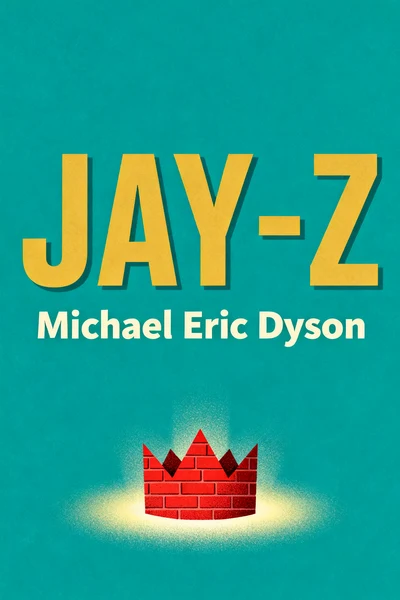
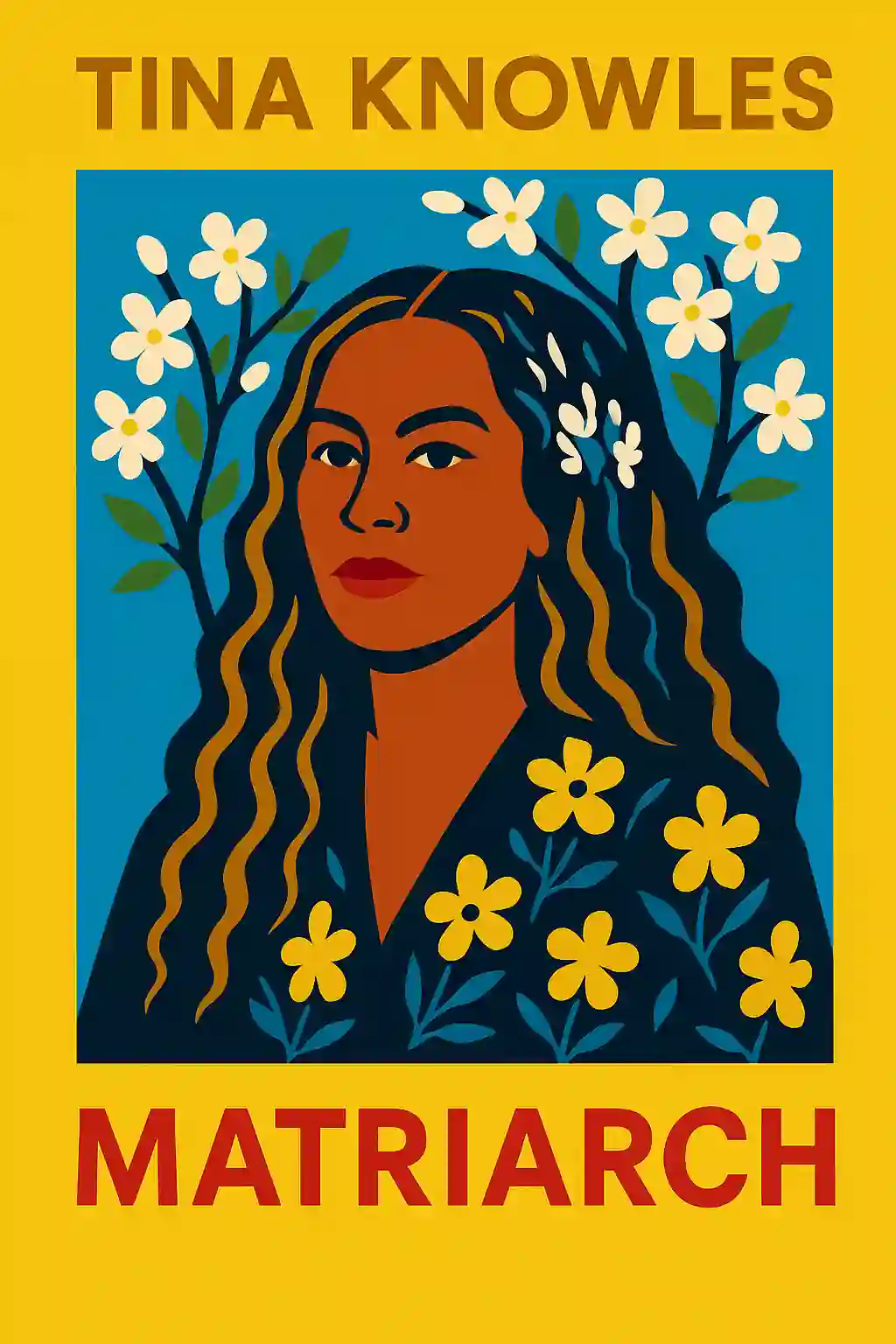
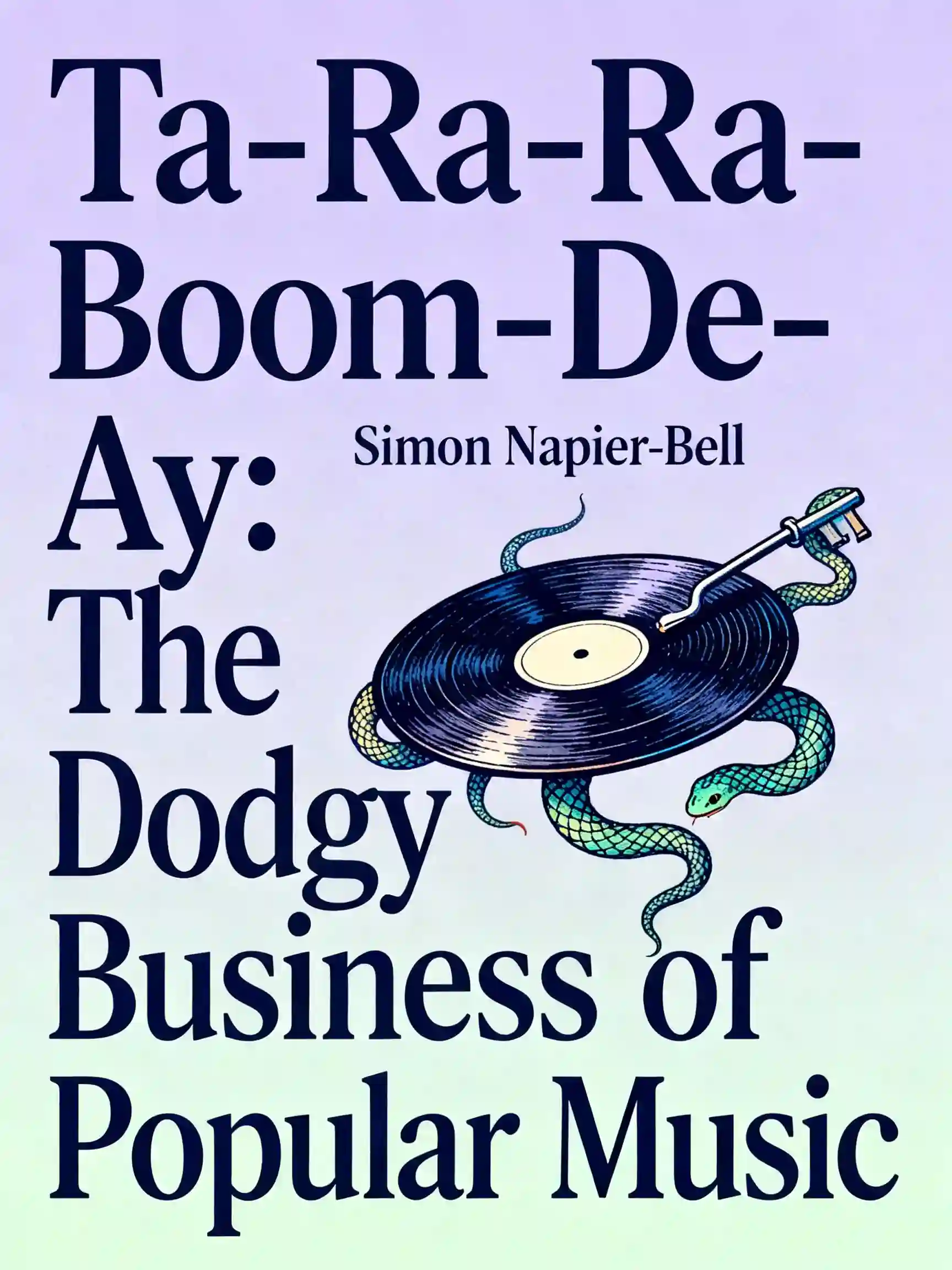
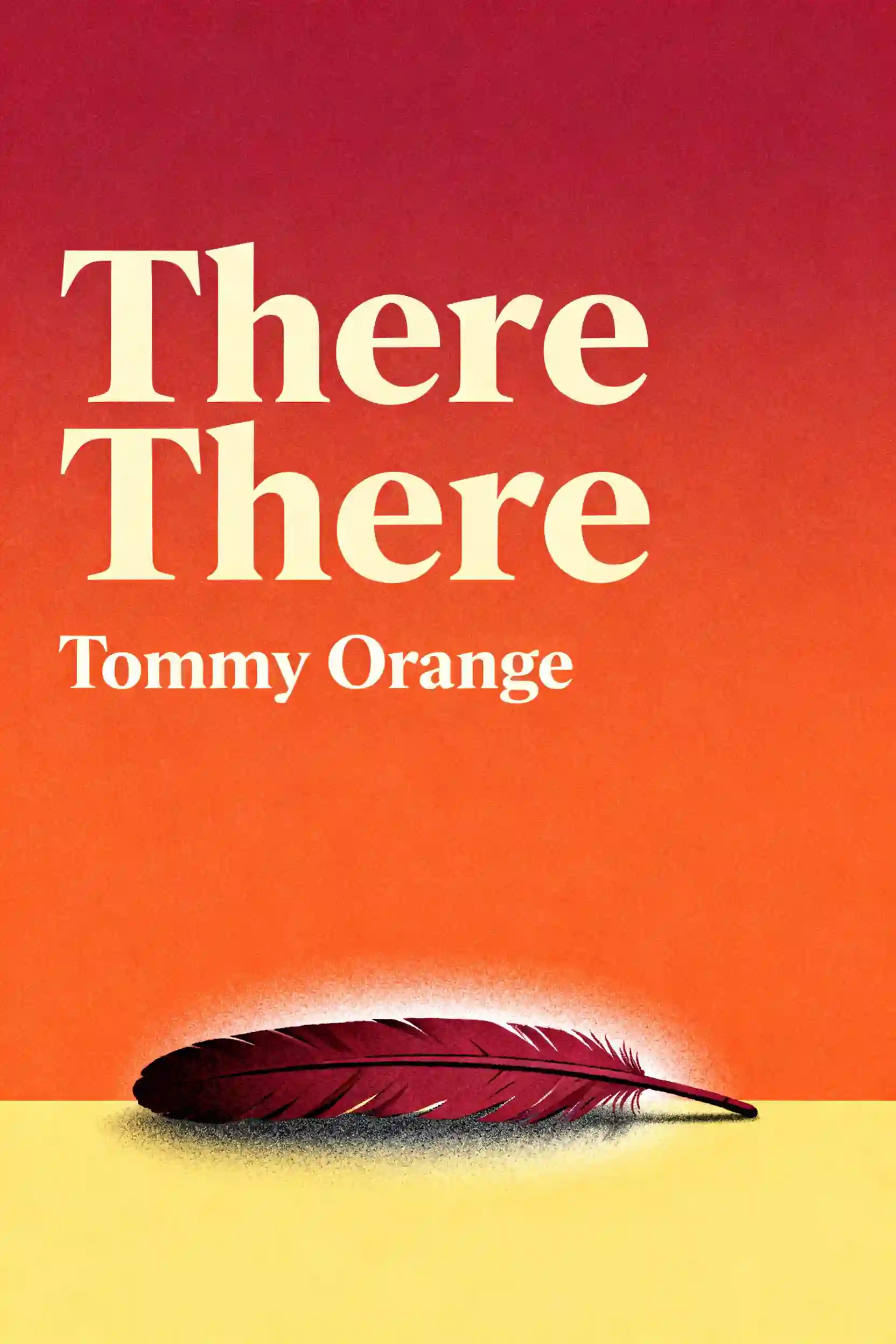
자주 묻는 질문
The "Holy Trinity" refers to the foundational figures who pioneered the genre in the Bronx during the 1970s. The script specifically highlights DJ Kool Herc as the "Father of Hip Hop" for hosting the iconic 1973 basement party where he developed the "breakbeat" using two turntables. Afrika Bambaataa is another central figure who codified the culture by defining its core pillars and adding the element of "Knowledge." Grandmaster Flash rounds out this influential group by transforming the turntable into a precise scientific instrument through techniques like backspinning and punch phrasing.
Originally defined by Afrika Bambaataa, the four primary pillars are DJing (the technical production of beats), MCing (rapping or rhythmic vocal expression), Breaking (the athletic and acrobatic dance style), and Graffiti Art (the visual identity of the movement). Over time, a fifth pillar was added: Knowledge. This final element was intended to turn the culture into a cohesive system for self-expression and community empowerment, ensuring that the movement was grounded in an intentional understanding of its own history and social impact.
Released in 1982 by Grandmaster Flash and the Furious Five, "The Message" marked a pivotal shift from "party raps" to social commentary. Before this track, most hip hop was centered on entertainment and high-energy celebration. "The Message" introduced a gritty, realistic documentary style that described the poverty and urban decay of the inner city. It proved that rap could serve as a powerful political tool and a "CNN for the ghetto," forcing mainstream audiences to confront systemic social issues.
The Golden Age (roughly 1988–1993) was characterized by an explosion of diverse styles in New York and Los Angeles, ranging from the Afrocentric, jazz-influenced sounds of A Tribe Called Quest to the "Reality Rap" of N.W.A. In contrast, the Southern Takeover occurred as artists from cities like Atlanta, New Orleans, and Houston built independent empires outside the traditional coastal power structures. This era introduced new subgenres like Crunk and Trap, which utilized fast hi-hats and heavy 808 bass lines, eventually shifting the center of gravity of the music industry toward the South.
Technology has always acted as a "member of the band" in hip hop, starting with the creative use of turntables and drum machines like the Roland 808. The script explains that the internet era further revolutionized the genre through the "Mixtape Era" on sites like DatPiff and the rise of TikTok, which now acts as a modern radio for viral hits. Most recently, AI and virtual reality have begun to shape the sound, allowing for "deepfake" vocals and massive virtual concerts in digital spaces, though these advancements continue to spark debates about the "gold standard" of authenticity in the culture.
더 알아보기

Counterculture Roots: From Renaissance to Punk
This plan bridges centuries of history to show how rebellion and alternative identities evolve over time. It is ideal for history buffs, subculture enthusiasts, and artists seeking to understand the deep roots of non-conformity.

1990: The Move, Business, and the Beat
This learning plan is essential for professionals and history buffs who want to understand the pivotal intersection of technology, culture, and economics at the start of the decade. It is particularly beneficial for strategists looking to trace the origins of the modern digital landscape and media-driven consumer behavior.

Talk Like a Real New Yorker
This plan is essential for anyone moving to or visiting NYC who wants to move beyond tourist clichés and blend into the local culture. It benefits professionals and travelers alike by teaching the specific social codes and linguistic shortcuts that define the city's unique identity.

Learn jazz basics & history
This learning plan is essential for anyone seeking to appreciate jazz beyond surface-level listening, whether you're a musician wanting to understand improvisational techniques or a music enthusiast eager to grasp the cultural forces that birthed this revolutionary genre. By combining historical context, theoretical foundations, and practical skills, you'll gain both intellectual understanding and the ability to engage with jazz as a living, breathing art form.

The Social Pulse: How Habits Shape History
This learning plan offers a deep dive into the hidden mechanics of cultural evolution and social architecture. It is ideal for sociologists, historians, and leaders interested in how individual behaviors scale into global movements and institutional structures.

US History: Independence to Present Day
This plan provides a comprehensive overview of the pivotal events and ideologies that shaped the United States into a global leader. It is ideal for students, history buffs, or anyone seeking to understand the roots of modern American society and politics.

The Sociology of Trends and Subcultures
Understanding how fringe movements transform into mainstream phenomena is essential for marketers, sociologists, and cultural strategists. This plan provides a deep dive into the evolution of social identity and the mechanics of modern cultural influence.

History from the Bottom Up
This plan is essential for those who want to understand history through the lens of lived experience rather than just elite politics. It is ideal for students, researchers, or history enthusiasts looking to uncover the resilience and quiet subversion of ordinary people during global upheavals.
샌프란시스코에서 컬럼비아 대학교 동문들이 만들었습니다
"Instead of endless scrolling, I just hit play on BeFreed. It saves me so much time."


"I never knew where to start with nonfiction—BeFreed’s book lists turned into podcasts gave me a clear path."


"Perfect balance between learning and entertainment. Finished ‘Thinking, Fast and Slow’ on my commute this week."
"Crazy how much I learned while walking the dog. BeFreed = small habits → big gains."
"Reading used to feel like a chore. Now it’s just part of my lifestyle."

"Feels effortless compared to reading. I’ve finished 6 books this month already."
"BeFreed turned my guilty doomscrolling into something that feels productive and inspiring."

"BeFreed turned my commute into learning time. 20-min podcasts are perfect for finishing books I never had time for."
"BeFreed replaced my podcast queue. Imagine Spotify for books — that’s it. 🙌"

"It is great for me to learn something from the book without reading it."
"The themed book list podcasts help me connect ideas across authors—like a guided audio journey."
"Makes me feel smarter every time before going to work"
샌프란시스코에서 컬럼비아 대학교 동문들이 만들었습니다
"Instead of endless scrolling, I just hit play on BeFreed. It saves me so much time."
"I never knew where to start with nonfiction—BeFreed’s book lists turned into podcasts gave me a clear path."
"Perfect balance between learning and entertainment. Finished ‘Thinking, Fast and Slow’ on my commute this week."
"Crazy how much I learned while walking the dog. BeFreed = small habits → big gains."
"Reading used to feel like a chore. Now it’s just part of my lifestyle."
"Feels effortless compared to reading. I’ve finished 6 books this month already."
"BeFreed turned my guilty doomscrolling into something that feels productive and inspiring."
"BeFreed turned my commute into learning time. 20-min podcasts are perfect for finishing books I never had time for."
"BeFreed replaced my podcast queue. Imagine Spotify for books — that’s it. 🙌"
"It is great for me to learn something from the book without reading it."
"The themed book list podcasts help me connect ideas across authors—like a guided audio journey."
"Makes me feel smarter every time before going to work"
"Instead of endless scrolling, I just hit play on BeFreed. It saves me so much time."
"I never knew where to start with nonfiction—BeFreed’s book lists turned into podcasts gave me a clear path."
"Perfect balance between learning and entertainment. Finished ‘Thinking, Fast and Slow’ on my commute this week."
"Crazy how much I learned while walking the dog. BeFreed = small habits → big gains."
"Reading used to feel like a chore. Now it’s just part of my lifestyle."
"Feels effortless compared to reading. I’ve finished 6 books this month already."
"BeFreed turned my guilty doomscrolling into something that feels productive and inspiring."
"BeFreed turned my commute into learning time. 20-min podcasts are perfect for finishing books I never had time for."
"BeFreed replaced my podcast queue. Imagine Spotify for books — that’s it. 🙌"
"It is great for me to learn something from the book without reading it."
"The themed book list podcasts help me connect ideas across authors—like a guided audio journey."
"Makes me feel smarter every time before going to work"
"Instead of endless scrolling, I just hit play on BeFreed. It saves me so much time."
"I never knew where to start with nonfiction—BeFreed’s book lists turned into podcasts gave me a clear path."
"Perfect balance between learning and entertainment. Finished ‘Thinking, Fast and Slow’ on my commute this week."
"Crazy how much I learned while walking the dog. BeFreed = small habits → big gains."
"Reading used to feel like a chore. Now it’s just part of my lifestyle."
"Feels effortless compared to reading. I’ve finished 6 books this month already."
"BeFreed turned my guilty doomscrolling into something that feels productive and inspiring."
"BeFreed turned my commute into learning time. 20-min podcasts are perfect for finishing books I never had time for."
"BeFreed replaced my podcast queue. Imagine Spotify for books — that’s it. 🙌"
"It is great for me to learn something from the book without reading it."
"The themed book list podcasts help me connect ideas across authors—like a guided audio journey."
"Makes me feel smarter every time before going to work"