The Silence That Speaks Volumes
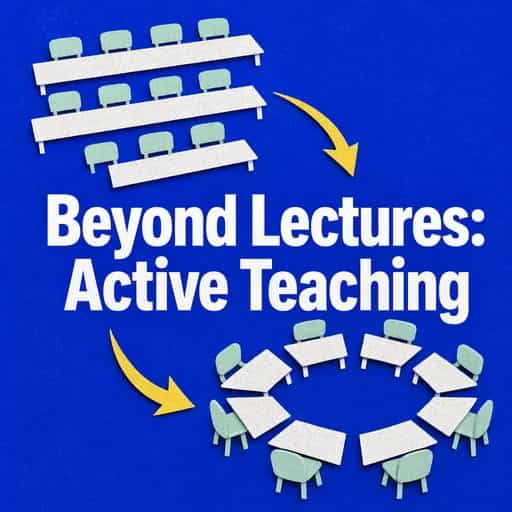
You are standing at the front of your classroom, and you have just asked what you thought was a brilliant, evocative question about the chapter your students were supposed to read last night. You wait. Five seconds pass, then ten, and the silence begins to feel heavy—almost physical. In those moments of academic stillness, it is easy to feel like the lesson is slipping through your fingers, but the truth is that this silence is often where the real work of teaching begins . High school English is a unique beast because it requires students to take emotional and intellectual risks in front of their peers, which is a terrifying prospect for a teenager. If you have ever felt that "fisheye" effect—where you end up in a private conversation with a handful of extroverted students while the rest of the room drifts into a trance—you know that traditional "we will discuss" prompts rarely result in actual engagement . To move beyond that, you have to stop seeing discussion as a lucky accident and start seeing it as a structured performance that requires specific tools. Today, we are going to explore how you can transform your classroom delivery from a monologue into a vibrant, student-led inquiry by using high-impact strategies like Socratic "remixes," improv-based presence, and silent writing protocols. We will look at how to move from teacher-centric questioning to models where students actually track their own participation and push one another toward deeper insights . This matters because when students stop performing for you and start talking to each other, they aren't just learning literature—they are learning how to think. So let's dive into the mechanics of building a classroom where the students do the heavy lifting, and the silence is no longer something to fear, but a space for them to prepare their next move.