Discover research-backed strategies to transform disorganized attachment patterns into secure, thriving relationships. Learn practical tools for nervous system healing, reparenting yourself, and building the internal security you've always deserved.

Strategies for understanding and healing a disorganized attachment style


샌프란시스코에서 컬럼비아 대학교 동문들이 만들었습니다
"Instead of endless scrolling, I just hit play on BeFreed. It saves me so much time."
"I never knew where to start with nonfiction—BeFreed’s book lists turned into podcasts gave me a clear path."
"Perfect balance between learning and entertainment. Finished ‘Thinking, Fast and Slow’ on my commute this week."
"Crazy how much I learned while walking the dog. BeFreed = small habits → big gains."
"Reading used to feel like a chore. Now it’s just part of my lifestyle."
"Feels effortless compared to reading. I’ve finished 6 books this month already."
"BeFreed turned my guilty doomscrolling into something that feels productive and inspiring."
"BeFreed turned my commute into learning time. 20-min podcasts are perfect for finishing books I never had time for."
"BeFreed replaced my podcast queue. Imagine Spotify for books — that’s it. 🙌"
"It is great for me to learn something from the book without reading it."
"The themed book list podcasts help me connect ideas across authors—like a guided audio journey."
"Makes me feel smarter every time before going to work"
샌프란시스코에서 컬럼비아 대학교 동문들이 만들었습니다

Lena: Hey everyone, welcome back to another personalized podcast from BeFreed! I'm Lena, and I'm here with my co-host Eli, and we are genuinely excited to dive into today's topic with you.
Eli: Absolutely! And Lena, I have to say, today's discussion is going to be particularly meaningful because we're exploring something that affects so many people yet remains surprisingly misunderstood-strategies for understanding and healing a disorganized attachment style. This is one of those topics where knowledge really can be transformative.
Lena: Right, and what I love about this is that we're not just talking theory here. We're going to walk through practical, research-backed approaches that can genuinely help people move from that chaotic internal experience toward something much more secure and peaceful.
Eli: So let's start with the foundation, because I think many listeners might be wondering-what exactly is disorganized attachment, and how is it different from other attachment styles we hear about?
Lena: That's such a crucial question, Eli. You know, when we think about attachment styles, most people are familiar with secure, anxious, and avoidant. But disorganized attachment is like having both anxious and avoidant patterns simultaneously-and that creates this incredibly confusing internal experience.
Eli: Exactly! And what's fascinating is that Jessica Fern describes this beautifully in "Polysecure"-she talks about how disorganized attachment is characterized by a fundamental absence of an organized strategy for seeking comfort. It's like your nervous system is constantly getting mixed signals.
Lena: Oh, that's such a powerful way to put it. And I was reading about this in the healing guides we've been looking at-they describe it as living with two opposing instincts simultaneously. You crave closeness and connection, but the moment someone gets too close, your nervous system panics.
Eli: Right! It's that simultaneous "come here, go away" dynamic. And what makes this particularly challenging is that it often develops from what the research calls "frightening parental behavior"-not necessarily abuse, but caregivers who were themselves frightened or frightening.
Lena: That's such an important distinction, because I think many people assume trauma has to be dramatic or obvious. But as we learn from the Complex PTSD research, emotional abandonment alone-through consistent criticism or emotional unavailability-can create these profound attachment wounds.
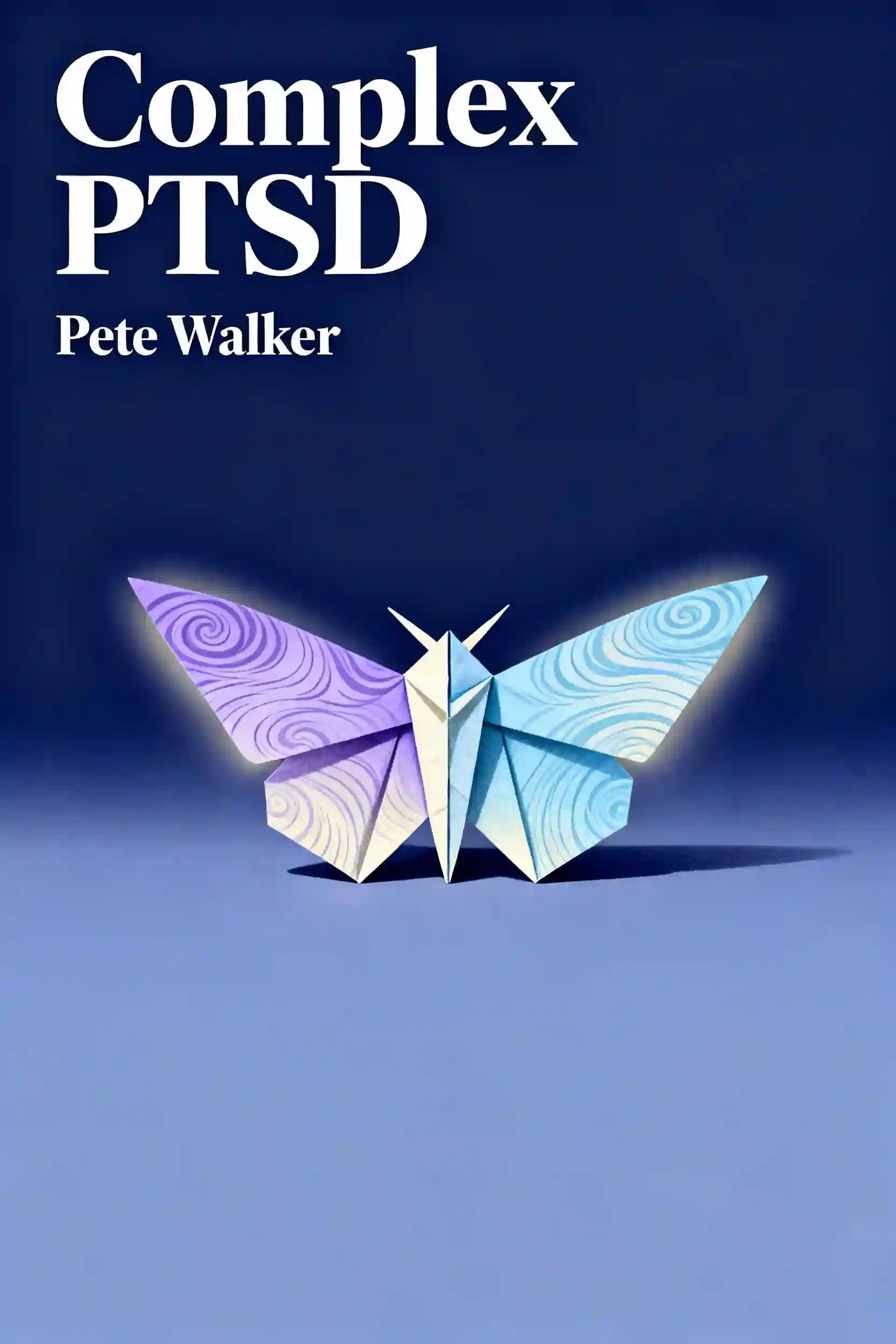
Eli: Absolutely. And Pete Walker's work on Complex PTSD really illuminates this. He talks about how children develop these defensive patterns-fight, flight, freeze, or fawn-when they face overwhelming situations without supportive adults. These become personality structures that follow us into adulthood.
Lena: It's like that lighthouse analogy I came across-imagine a lighthouse that's supposed to guide ships to safety, but instead it's flashing erratic, bewildering signals. That's what the caregiver becomes for a child developing disorganized attachment.
Eli: So what does this actually feel like from the inside? Because I think that's where the real understanding begins.
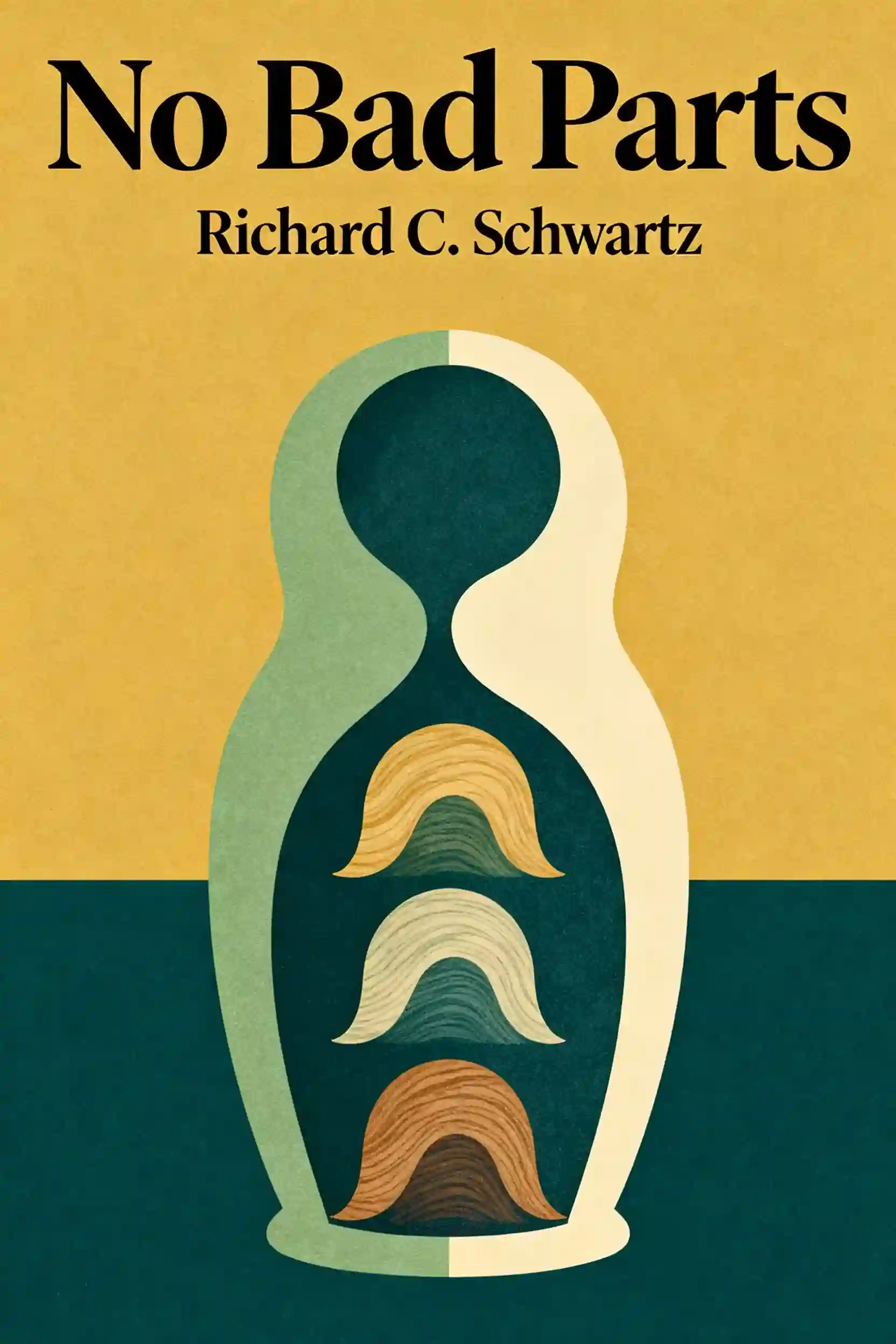
Lena: Well, the Internal Family Systems work gives us such a clear picture of this. Richard Schwartz talks about how we all contain various "parts," and with disorganized attachment, these parts are often in extreme conflict with each other.
Eli: Right! You might have an exile part that desperately wants love and connection, but then you have these manager parts that are terrified of vulnerability because past experience taught them that closeness equals danger.
Lena: And when those manager parts can't contain the exile's needs, the firefighter parts jump in with extreme measures-maybe pushing people away, self-sabotage, or numbing behaviors. It's like having an internal family that's constantly at war with itself.
Eli: That's such a compassionate way to understand it. And what I love about the IFS approach is that it says there are no bad parts-only parts doing the best they can with the burdens they carry.
Lena: Exactly! And this connects beautifully with what we see in the attachment research. Those seemingly contradictory behaviors-approaching but then avoiding, or testing partners to see if they'll leave-these aren't character flaws. They're survival strategies that made sense in the original context.
Eli: You know, the Complex PTSD research talks about emotional flashbacks, and I think this is such a key piece for understanding disorganized attachment. Unlike the dramatic visual flashbacks we see in movies, these are sudden regressions to childhood states of fear and helplessness.
Lena: Oh, that's so important. And what makes these particularly challenging is what Pete Walker calls "emotional amnesia"-you might intellectually understand you're safe, yet feel terrified that your partner will abandon you over a minor disagreement.
Eli: Right! It's like your adult brain knows one thing, but your nervous system is responding to a completely different reality-the reality of that original wound.
Lena: So let's dig into how this pattern actually forms, because I think understanding the origins can be really validating for people who are experiencing this.
Eli: Absolutely. And what's striking from the research is that disorganized attachment often develops without any physical violence whatsoever. It's more about that core contradiction-the person you need for safety is also the person you fear.
Lena: That's such a profound way to put it. And the attachment research shows us that this creates what they call "nervous system confusion"-the child's biology is getting conflicting signals about whether to approach for comfort or avoid for survival.
Eli: And what's particularly heartbreaking is that this often happens with caregivers who have their own unresolved trauma. As one of the guides mentions, when a parent hasn't processed their own painful experiences, they may project their fears or dissociate, creating an emotionally unavailable or frightening environment.
Lena: Right, it's like trauma gets passed down through generations, not through genetics necessarily, but through these attachment patterns. The caregiver's unaddressed trauma becomes part of the child's emotional landscape.
Eli: And this connects to something fascinating in Jessica Fern's work about polyamory-she talks about how monogamy can actually hide attachment wounds because its structure creates enough safety that people never have to confront their underlying insecure patterns.
Lena: Oh, that's such an insightful observation! So when that external structure is removed-whether through polyamory or just through deeper intimacy-these hidden patterns emerge.
Eli: Exactly. And I think this applies beyond polyamory too. Any situation that challenges our usual protective strategies can bring these attachment wounds to the surface.
Lena: Which is actually hopeful in a way, because it means these patterns can become conscious and therefore workable.
Eli: So if we're talking about healing strategies, where do we even begin with something this complex?
Lena: Well, what's become really clear from all this research is that healing has to happen at the nervous system level, not just the cognitive level. You can't think your way out of a disorganized attachment pattern.
Eli: That's such a crucial point. And the somatic approaches really emphasize this-like Somatic Experiencing, which focuses on those physiological responses to trauma that get stored in the body.
Lena: Right! And what's beautiful about the IFS approach is that it recognizes how trauma affects our relationship with our own body. When parts don't trust your Self to handle difficult emotions, they might move you out of your body as a protective strategy.
Eli: And this shows up so clearly in the healing work. People often describe feeling disconnected from their physical sensations, or having chronic pain or tension that seems to have no clear medical cause.
Lena: Exactly. There's this case study about TJ, a medic with chronic back pain who discovered through IFS work that her parts were using the pain to get attention for unexpressed anger. When she finally accessed that anger, the pain lifted.
Eli: That's incredible! It really shows how our parts communicate through the body when they can't get our attention any other way.
Lena: And this is where practices like breathwork, grounding exercises, and body-based awareness become so important. They're not just relaxation techniques-they're actually helping to rebuild that secure relationship between Self and body.
Eli: You know, this makes me think about what Jessica Fern calls being your own "safe haven." She talks about how establishing secure attachment with yourself is crucial, especially because even secure partnerships aren't permanent.
Lena: That's such a powerful concept. And it connects beautifully with the IFS idea of Self-leadership. When you can be present with yourself-really sit with whatever arises internally without judgment-you're building that internal security.
Eli: Let's talk about those specific survival strategies that Pete Walker identifies, because I think recognizing these patterns can be really helpful for people.
Lena: Oh yes, the 4F responses-fight, flight, freeze, and fawn. These are such elegant ways to understand how we learned to cope with overwhelming situations as children.
Eli: Right! And what's fascinating is that each of these becomes a whole personality structure. Fight types might use anger and control to maintain distance. Flight types become perpetual motion machines, using busyness to outrun their inner pain.
Lena: And freeze types withdraw completely, believing that connection equals danger. While fawn types-and this one really gets to me-they surrender their boundaries to please others because they learned that relationships require self-abandonment.
Eli: That fawn response is so common, and yet it's often the least recognized. People think they're just being "nice" or "accommodating," not realizing they're actually in a trauma response.
Lena: Exactly! And what I love about Walker's approach is that he doesn't pathologize these responses. He sees them as creative adaptations that protected us when we had no other options.
Eli: And this connects beautifully with the IFS perspective too. These aren't disorders to be eliminated-they're parts that took on extreme roles to protect vulnerable aspects of ourselves.
Lena: Right! So the healing isn't about getting rid of these parts, but about helping them transform into healthier roles. Like a manager part that learned to control everything might become a wonderful organizer when it's not operating from fear.
Eli: And this is where that concept of "unburdening" from IFS becomes so important. These parts are carrying burdens-extreme beliefs and emotions from past trauma-that don't actually belong to them.
Lena: Yes! It's like they're wearing heavy backpacks full of old pain, and healing involves helping them set those burdens down so they can discover their natural gifts.
Eli: One thing that seems to come up consistently across all these approaches is dealing with that harsh inner critic. Can we talk about that?
Lena: Oh, absolutely. Pete Walker calls this the "toxic inner critic," and he describes it as central to Complex PTSD. It's not just negative thinking-it's an internalized voice that relentlessly attacks.
Eli: And what's so painful about this is that it often develops from childhood experiences where caregivers responded to normal needs with contempt. So the child internalizes that contemptuous voice.
Lena: Right! And then we mistake it for our authentic thoughts rather than recognizing it as an internalized version of those childhood oppressors. It's like having a harsh parent living in your head.
Eli: The IFS approach gives us such practical tools for working with this. Instead of trying to eliminate the critic, you can get curious about what it's trying to protect and help it find a healthier role.
Lena: Exactly! And Walker offers some really concrete techniques too-like thought-stopping, where you internally say "No!" or "Stop!" to interrupt those destructive mental processes.
Eli: What I find hopeful is that this inner critic often developed because the child's natural fight response was suppressed. So recovering that protective anger becomes part of healing.
Lena: Yes! You can redirect that critical energy toward protecting yourself instead of attacking yourself. It's like turning that inner critic into an inner ally.
Eli: And this connects to something beautiful in the attachment work-as you heal these internal relationships, your capacity for external relationships naturally improves.
Lena: Let's talk more specifically about emotional flashbacks, because I think this is something many people experience without recognizing what's happening.
Eli: Right! And unlike the dramatic visual flashbacks we see in movies, these are invisible. You suddenly feel vulnerable and childlike, and your adult capabilities just vanish.
Lena: It's like being hijacked by a younger version of yourself who's still stuck in that original trauma. A simple mishap like spilling water might trigger your father's critical voice, causing catastrophizing and shame spirals.
Eli: And what makes these so confusing is that they can be triggered by seemingly minor things. Your partner asks an innocent question, and suddenly you're flooded with terror that they're going to abandon you.
Lena: Exactly! And Pete Walker emphasizes that these aren't just emotional overreactions-they're legitimate trauma responses that deserve compassion, not judgment.
Eli: The key insight is learning to recognize when you're in a flashback versus when you're responding to present-moment reality. Walker talks about developing what he calls "flashback management."
Lena: Right! And this involves things like grounding techniques-reminding yourself where you are now, how old you are, what resources you have available. It's like calling your adult self back online.
Eli: And the IFS approach adds another layer to this by helping you identify which specific parts are activated. Is it a young exile who feels abandoned? A manager part trying to control the situation?
Lena: Yes! And once you can identify the parts involved, you can speak to them with compassion instead of getting overwhelmed by their emotions.
Eli: This reminds me of something from the attachment research-that healing happens through what they call "earned secure attachment." Even if you didn't have secure attachment in childhood, you can develop it through conscious work and supportive relationships.
Lena: That's such a hopeful message. Your early experiences don't determine your destiny-they're just the starting point for your healing journey.
Eli: Speaking of earned secure attachment, the "Attachment Disturbances in Adults" work introduces this fascinating "Three Pillars" model. Can we explore that?
Lena: Oh yes! This approach is so systematic and practical. The three pillars are: utilizing ideal parent figure imagery, fostering metacognitive skills, and developing collaborative behavior. It's like building a whole new internal structure.
Eli: The ideal parent figure work is particularly powerful. Instead of trying to heal your relationship with your actual parents, you create an internal relationship with the kind of parent you needed-one who's consistently loving and protective.
Lena: Right! And what's beautiful about this is that it's not just wishful thinking. You're actually creating new neural pathways, building a positive internal working model of secure attachment.
Eli: And the metacognitive piece is crucial too-learning to observe your own mental processes without getting caught up in them. It's like developing an internal witness that can stay calm even when parts are activated.
Lena: Exactly! And this connects so well with the IFS concept of Self-leadership. When you can observe your parts with curiosity rather than judgment, everything starts to shift.
Eli: The collaborative behavior pillar is interesting too, because it's about learning to work with others in a way that feels safe and mutual, rather than from those old survival patterns.
Lena: Yes! And I think this is where the rubber meets the road. You can do all the internal work in the world, but ultimately, secure attachment is relational. You need to practice these new patterns with actual people.
Eli: And this is where therapy becomes so valuable. The therapeutic relationship itself becomes a laboratory for practicing secure attachment behaviors.
Lena: Absolutely. It's like having a safe relationship where you can experiment with vulnerability, work through ruptures and repairs, and gradually build trust in your own capacity for healthy connection.
Eli: We've touched on this, but let's go deeper into the somatic dimension of healing. Why is body-based work so essential for attachment healing?
Lena: Well, as the research makes clear, trauma is fundamentally a nervous system injury. Your body learned to expect danger in intimate relationships, and that learning is stored at a cellular level.
Eli: Right! And cognitive approaches alone can't reach those deep, pre-verbal patterns. You need interventions that work directly with the nervous system.
Lena: Exactly. And what's fascinating is how IFS understands this. When parts don't trust your Self to handle difficult emotions, they literally move you out of your body as protection.
Eli: So re-inhabiting your body becomes a crucial part of healing. And this isn't just about relaxation-it's about rebuilding that fundamental sense of safety in your own skin.
Lena: Yes! And practices like Somatic Experiencing work with what they call "discharge"-helping the nervous system complete those interrupted trauma responses.
Eli: It's like your body has been holding its breath for years, and these approaches help it finally exhale and settle.
Lena: And what I love about the IFS approach to embodiment is that it's so gentle. Instead of forcing yourself back into your body, you're inviting your parts to trust that your body is now a safe place to be.
Eli: That makes so much sense. If your parts moved you out of your body to protect you from overwhelming sensations, they're not going to let you back in until they feel confident you can handle what you might encounter there.
Lena: Exactly! And this is where practices like breathwork, gentle movement, and body awareness become so important. They're ways of showing your parts that you can stay present with physical sensations without being overwhelmed.
Eli: And as that trust builds, you start to have access to your body's wisdom again-those subtle signals about what feels good and what doesn't, what nourishes you and what depletes you.
Lena: Let's talk about this concept of reparenting, because it seems to be central to so many of these healing approaches.
Eli: Yes! And Pete Walker's approach to this is so practical. He talks about developing both self-mothering and self-fathering capacities-learning to be both nurturing and protective toward yourself.
Lena: Right! Self-mothering is about building that core belief that you're lovable and deserving. It's about accepting all aspects of your inner child with tenderness and patience.
Eli: And self-fathering is about healing that childhood helplessness by developing assertiveness and self-protection skills. Walker even suggests imagining traveling back in time to protect your child-self from harm.
Lena: That's such a powerful technique! It's like giving your inner child the protection they never had, even if it's retroactive.
Eli: And the IFS approach adds another dimension to this by helping you identify the specific needs of your exiled parts. What did that young part need that they didn't get?
Lena: Exactly! Maybe they needed someone to believe in them, or to see their creativity, or to protect them from criticism. And now your Self can provide those things.
Eli: What's beautiful about this is that it's not about becoming perfect or having all the answers. It's about showing up consistently with love and curiosity.
Lena: Yes! And as Jessica Fern points out in her work on polysecurity, this self-relationship becomes the foundation for all other relationships. When you can be a secure base for yourself, you're not desperately seeking that security from others.
Eli: That's such a game-changer. Instead of relationships being about filling a void, they become about sharing fullness.
Lena: Exactly! And this connects to something hopeful from the Complex PTSD research-as you heal these internal relationships, your capacity for external intimacy actually exceeds that of people who haven't done this deep work.
Eli: One thing that really strikes me across all these approaches is the emphasis on relationship and connection. Can we talk about why that's so crucial?
Lena: Absolutely! And Pete Walker puts it so beautifully-he says "toxic shame cannot heal without relational help." The isolation that trauma survivors experience is both protection and prison.
Eli: Right! And what's challenging is that people with disorganized attachment have learned that vulnerability leads to pain. So the very thing they need for healing-authentic connection-feels dangerous.
Lena: Exactly. But as the research shows, real intimacy involves sharing vulnerabilities in safe relationships. And as you practice that emotional authenticity, the loneliness starts to melt away.
Eli: Walker talks about "reparenting by committee"-creating concentric circles of supportive relationships with varying levels of intimacy. I love that concept.
Lena: Yes! You don't need to find one perfect person to heal your attachment wounds. You can build a network of relationships that collectively provide what you need.
Eli: And sometimes healing starts with what Walker calls "the community of books"-finding authors who model self-value and recognizing your experiences in their stories.
Lena: That's so important! For people who aren't ready for face-to-face vulnerability, books and other resources can be that first safe connection.
Eli: And therapy, of course, can be that crucial bridge-a relationship where you can practice vulnerability in a structured, safe environment.
Lena: Right! The therapist becomes like a secure base, providing that consistent attunement and acceptance that helps rewire those old attachment patterns.
Eli: What gives me hope is that the research shows recovery can begin with just one good relationship. You don't need to overhaul your entire social world-you just need one person who can see and accept all of you.
Lena: So let's get really practical. What are some specific strategies that people can start implementing in their daily lives?
Eli: Well, one of the most important things is developing what Pete Walker calls "flashback management." Learning to recognize when you're in an emotional flashback versus responding to present reality.
Lena: Right! And this involves grounding techniques-reminding yourself of your current age, location, and resources. It's like calling your adult self back online.
Eli: The IFS approach offers this beautiful practice of getting curious about your parts. When you notice you're activated, instead of judging yourself, you can ask, "What part of me is feeling this way? What does this part need?"
Lena: Yes! And that curiosity is so transformative. Instead of being overwhelmed by difficult emotions, you can develop a relationship with the parts that carry them.
Eli: Walker also emphasizes the importance of grieving-allowing yourself to feel and express the anger, sadness, and fear that you couldn't safely experience as a child.
Lena: That's crucial! And he offers specific practices like "angering" at your internalized critical parent, or crying to release that stored fear before it becomes frightening thoughts.
Eli: The body-based practices are important too-breathwork, gentle movement, spending time in nature. Anything that helps you reconnect with your physical self in a safe way.
Lena: Absolutely! And from the polysecure work, there's this HEARTS framework that's so practical-being Here and present, expressing Delight in yourself and others, practicing Attunement, creating Rituals and routines, Turning toward after conflict, and building Secure attachment with yourself.
Eli: I love how concrete that is. And what's beautiful is that these practices reinforce each other. As you become more self-compassionate, you naturally become more present. As you practice attunement with yourself, you become better at attuning to others.
Lena: Right! And the research shows that even small, consistent practices can create significant changes over time. You're literally rewiring your brain through these daily choices.
Eli: Let's talk about how healing disorganized attachment transforms your relationships with others. What does that journey look like?
Lena: Well, one of the most profound shifts is moving from those chaotic push-pull dynamics to something much more stable and consistent. Instead of testing people to see if they'll leave, you start to trust that secure people will stay.
Eli: Right! And instead of relationships being about managing your internal chaos, they become about genuine connection and mutual growth.
Lena: Exactly. And what's fascinating is how the IFS work explains this. When your parts trust your Self to handle relationship challenges, they don't need to take over with their extreme protective strategies.
Eli: So instead of a manager part making you hypervigilant about abandonment, or a firefighter part pushing people away when you feel vulnerable, your Self can stay present and respond from wisdom rather than fear.
Lena: Yes! And this creates space for what Jessica Fern calls "expressed delight"-being able to genuinely celebrate and appreciate your partners without that underlying fear that they're going to leave.
Eli: And the capacity for repair becomes so much stronger. Instead of conflicts feeling like threats to the relationship's survival, they become opportunities for deeper understanding and connection.
Lena: That's such a game-changer! And it connects to what Pete Walker says about "turning toward after conflict"-the ability to prioritize healing the relationship over being right.
Eli: What I find beautiful is that as you heal your own attachment patterns, you naturally become a more secure presence for others too. You're not just receiving security-you're co-creating it.
Lena: Exactly! And this is where the healing becomes generational. Instead of passing on trauma patterns, you're modeling secure attachment for your children, friends, and community.
Eli: The research on "earned secure attachment" is so hopeful here. Even if you didn't start with secure attachment, you can develop it and then pass it on to the next generation.
Lena: As we start to wrap up our exploration, I want to talk about integration. How do people maintain their healing progress and continue growing?
Eli: That's such an important question, because healing isn't a destination-it's an ongoing process. And what all these approaches emphasize is the importance of continued self-awareness and self-compassion.
Lena: Right! The IFS work talks about how Self-leadership isn't a constant state. You'll still have times when parts take over, but you develop the ability to recognize when that happens and gently guide yourself back to center.
Eli: And Pete Walker emphasizes that recovery is non-linear. There will be setbacks and challenging periods, but each time you work through them, you're building more resilience and trust in your own healing process.
Lena: Exactly! And what gives me hope is that the research shows people often become what Walker calls "supernormal"-their capacity for intimacy and emotional intelligence actually exceeds that of people who haven't done this deep work.
Eli: That's incredible! It's like your wounds become your wisdom, your trauma becomes your strength.
Lena: Yes! And this connects to something beautiful in the attachment research-as you heal your own patterns, you develop what they call "reflective functioning"-the ability to understand your own and others' mental states with clarity and compassion.
Eli: And that skill becomes invaluable not just in romantic relationships, but in parenting, friendships, and even professional relationships.
Lena: Absolutely! You become someone who can hold space for others' emotional experiences without getting triggered or overwhelmed.
Eli: What I love is that the healing journey often leads people to want to help others too. Many trauma survivors become therapists, coaches, or advocates, using their own healing to support others.
Lena: Right! It's like your pain becomes purposeful, your struggles become service.
Eli: So what does life look like when someone has done significant healing around disorganized attachment? What changes?
Lena: Well, one of the most profound shifts is in your relationship with yourself. Instead of that internal war between parts, there's more harmony and collaboration.
Eli: Right! The IFS work describes this as living from Self-that state of calm, clarity, compassion, and connectedness. And when you're Self-led, challenges that once felt overwhelming become manageable.
Lena: Exactly! And emotionally, you develop what Pete Walker calls "emotional regulation." Instead of being hijacked by feelings, you can experience them without secondary reactions of shame or fear.
Eli: The capacity for intimacy transforms too. Instead of relationships feeling like threats to your survival, they become sources of joy and growth.
Lena: Yes! And you develop what Jessica Fern calls "polysecure" relationships-connections that feel stable and nourishing rather than chaotic and draining.
Eli: What's beautiful is that your relationship with your own multiplicity changes too. Instead of trying to be a "mono-mind," you embrace your inner diversity with curiosity and compassion.
Lena: Right! You realize that having different parts isn't a problem to be solved-it's the natural state of being human.
Eli: And your capacity for presence increases dramatically. Instead of being pulled into the past by trauma or pushed into the future by anxiety, you can stay grounded in the present moment.
Lena: Exactly! And that presence becomes a gift not just to yourself, but to everyone around you. You become someone who can truly see and be with others.
Eli: The research shows that people often describe feeling like they've "come home" to themselves-like they've finally found that sense of belonging they were always seeking externally.
Lena: That's so beautiful! And it connects to what the attachment work calls becoming your own "secure base"-that internal sense of safety and worth that no one can take away from you.
Lena: So as we bring this conversation to a close, I want to leave our listeners with a sense of real hope. What would you want people to know about their potential for healing?
Eli: You know, what strikes me most about all this research is how it fundamentally challenges the idea that we're stuck with our early programming. The brain's neuroplasticity means that change is always possible, regardless of how old you are or how long you've been struggling.
Lena: Absolutely! And what I find so hopeful is that the healing doesn't just return you to some baseline-it often takes you beyond where you would have been if you hadn't experienced trauma in the first place.
Eli: Right! As Pete Walker says, your recovery can make you "supernormal"-with emotional intelligence and relational skills that exceed those of people who never had to do this deep work.
Lena: And the journey itself becomes meaningful. Instead of seeing your struggles as evidence of brokenness, you start to see them as part of your unique path toward wisdom and compassion.
Eli: What I love about the IFS perspective is how it honors the intelligence of your survival strategies. Those parts that seem so problematic-they were actually brilliant adaptations that protected you when you had no other options.
Lena: Exactly! And now, instead of fighting against those parts, you can appreciate their service and help them find new, healthier roles in your life.
Eli: The research is so clear that healing happens in relationship-whether that's with a therapist, trusted friends, or even with yourself. You don't have to do this alone.
Lena: Right! And every small step matters. Every moment of self-compassion, every choice to stay present instead of dissociating, every decision to trust instead of protect-they all add up to profound transformation over time.
Eli: And for our listeners who might be feeling overwhelmed by the scope of this work, remember that you don't have to heal everything at once. Start where you are, with what feels manageable, and trust the process.
Lena: Yes! And remember that your disorganized attachment patterns aren't character flaws-they're adaptive responses that made perfect sense in their original context. You're not broken; you're human.
Eli: And on that note, I want to remind everyone listening that this journey of healing disorganized attachment is ultimately about reclaiming your birthright-your natural capacity for love, joy, creativity, and authentic connection.
Lena: That's beautiful, Eli. And to all our listeners out there who are on this healing journey, please be patient and compassionate with yourselves. You're doing sacred work, and every step forward matters more than you know. Stay curious, keep those questions coming, and remember-you have everything you need within you to heal and thrive.
Eli: Couldn't have said it better myself. Until next time, everyone, keep exploring, keep growing, and keep believing in your own capacity for transformation.