정말이지 아직 앱을 다 써 보지도 않았는데, 며칠 써 본 것만으로도 깊은 인상을 받았어요… BeFreed는 제가 써 본 어떤 학습 앱과도 차원이 달라요. 몰입감이 엄청나고 집중력도 실제로 좋아져서, 스마트폰을 하염없이 스크롤하는 분들께 딱이에요!
@ladyInfinity
Is your brain a library or just a search engine? Learn how to turn random trivia into a deep worldview and build a mind that connects the dots.

It’s the difference between having a pile of bricks and having a house. You can’t live in a pile of bricks; you need the architecture of a personal framework to turn disconnected information into a meaningful worldview.
General knowledge

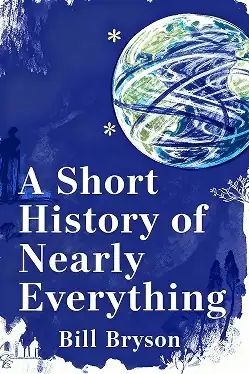
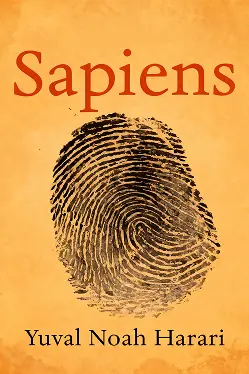
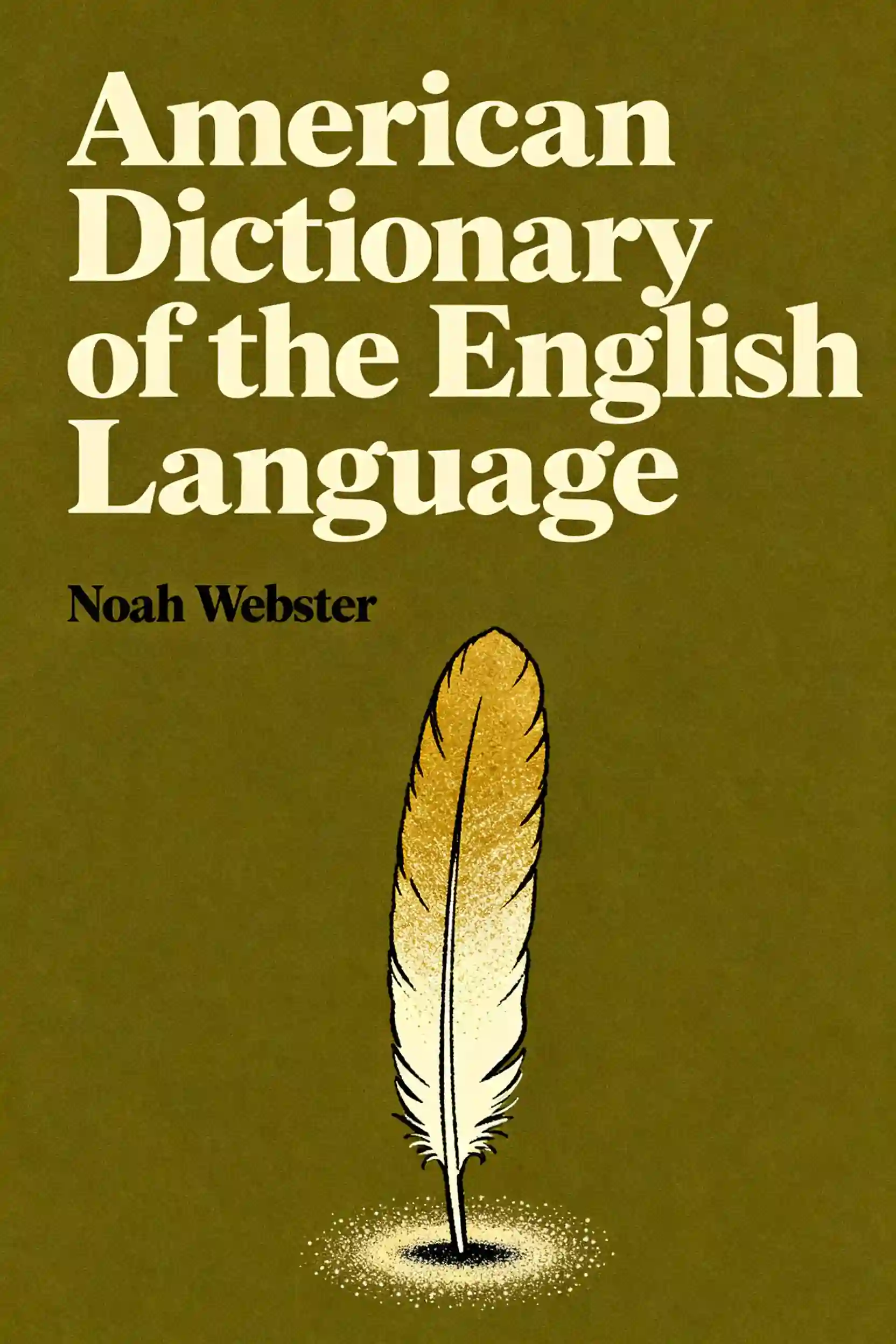
A T-shaped person possesses deep expertise in a single professional specialty (the vertical bar of the T) while maintaining a broad ability to understand and collaborate across various other disciplines (the horizontal bar). This structure is essential in a fast-changing economy because hyper-specialization can make an individual rigid and vulnerable to industry shifts. By developing "cognitive flexibility," T-shaped individuals can pull mental models from diverse fields—such as using biology to solve business problems—making them valuable "connectors" who can foresee risks and solve complex problems that specialists might miss.
Cognitive Load Theory explains that our working memory is a "bottleneck" that can only hold about three to seven new pieces of information at a time. Learning is hindered by "extraneous load," which is mental effort wasted on poorly organized information or distractions like phone notifications. To learn effectively, one must focus on "germane load," which is the productive mental work of building "schemas" or frameworks in long-term memory. As a person becomes an expert, they use "knowledge encapsulation" to group complex data into single chunks, allowing them to process much more information without overloading their mental workbench.
A latticework of mental models is a cognitive scaffolding consisting of core principles from various foundational disciplines like physics, economics, psychology, and history. Instead of viewing facts in isolation, a learner uses these models—such as "Entropy," "Inversion," or "Social Proof"—as filters to interpret reality. This approach allows for "Second-Order Thinking," where one looks beyond the immediate results of a decision to see the long-term "ripples" or consequences. By stacking these models, an individual can recognize patterns and solve problems with a strategic edge that specialists lack.
To move beyond simple recognition to actual recall, learners should use "Spaced Repetition," which involves reviewing concepts at increasing intervals to reset the "forgetting curve." Another powerful method is "Retrieval Practice" or "Brain Dumping," where a learner closes their book and attempts to write down everything they remember rather than just re-reading highlights. Additionally, "Dual Coding"—pairing verbal concepts with visual images—and the "Feynman Technique"—explaining a concept in simple terms as if to a child—help anchor abstract ideas and ensure deep understanding.
Slow reading is the deliberate practice of engaging deeply with foundational texts and complex ideas rather than skimming digital feeds. In a culture of "nine-second illusions," slow reading is the only way to build the deep schemas required for true cultural literacy. It involves "Elaborative Interrogation," where the reader constantly asks "why" and "how" to connect new information to existing knowledge. This process transforms information into wisdom, providing the historical and philosophical context necessary to understand modern data and resist algorithmic manipulation.
컬럼비아 대학교 동문들이 제작 | 샌프란시스코에서 개발
평균 평점
앱 평가 7.84천 개 이상
BeFreed 커뮤니티
정말이지 아직 앱을 다 써 보지도 않았는데, 며칠 써 본 것만으로도 깊은 인상을 받았어요… BeFreed는 제가 써 본 어떤 학습 앱과도 차원이 달라요. 몰입감이 엄청나고 집중력도 실제로 좋아져서, 스마트폰을 하염없이 스크롤하는 분들께 딱이에요!
@ladyInfinity
정확히 23일 전에 BeFreed를 구입했는데, 그날부터 하루도 빠짐없이 쓰고 있어요. 제 일상 업무 흐름과 학습 습관에 완전히 자리 잡았어요.
@jayallen
솔직히 이 앱은 제 기대를 전부 뛰어넘었어요. 어떤 주제든 오디오로 만들어 달라고 할 수 있고, 결과물이 놀라워요. 제 전문 분야는 심리치료 쪽이고 여러 학문이 얽혀 있는데도 답변이 아주 정확해요.
@Raguipa
제일 고마운 건 스크롤하는 시간이 확 줄었다는 거예요. 검색하는 시간은 줄고 흡수하는 시간은 늘었어요. 오디오북 전권, 팟캐스트, 학습 플랜의 조합이 정말 훌륭해요.
@colonyofcreatorsNGO
저는 24년째 PhotoReading 속진 학습 강사로 일하고 있어요… 책과 독서, 배움이 제 전문인데, BeFreed는 정보를 소화하기 쉽게 전달하는 혁신적인 방식을 정말 잘 구현했어요.
@BeFreed user
단순한 책 요약 앱이 아니에요. '재미' 스타일을 써 봤는데, 전통적인 방식보다 훨씬 나은 요약이고 아이디어를 이해하기도 쉬워요. 이것만으로도 값어치를 해요.
@austinakon
이 앱이 정말 좋아요. 며칠 써 봤는데 듣는 걸 멈출 수가 없어요. 시작하기에 이보다 좋을 수 없어요.
@jcrules328
정말 마음에 들어요. 한 달 정도 써 봤는데 숨은 보석을 찾은 기분이에요. BeFreed로 제가 원하는 주제를 직접 만들 수 있어서 좋고, 목소리도 훌륭한 데다 내레이션 선택지가 무궁무진해요.
@DanielCZ
유용한 정보와 아이디어를 8~15분짜리 팟캐스트 스타일 오디오로 압축해서 들을 수 있다는 게 정말 좋아요. 원래 팟캐스트는 군더더기가 많아서 안 좋아했는데, 여기는 그걸 싹 걷어냈어요.
@BeFreed user
박사 과정을 마무리하는 중이라 낯선 자료를 많이 읽어야 해요… BeFreed에서는 프롬프트만 입력하면 앱이 자료를 찾아서 오디오 팟캐스트로 만들어 줘요. BeFreed의 과정이 NotebookLM보다 더 매끄럽게 느껴져요.
@Brad
아침을 준비하거나 산책하거나 출퇴근할 때 들을 것을 YouTube에서 자주 찾곤 했는데, BeFreed는 광고도 군더더기도 없이 훨씬 더 딱 맞는 걸 들려줘요!
@BeFreed user
이 플랫폼의 가장 큰 장점은 활용도예요. 다루지 못하는 주제가 말 그대로 하나도 없어요. 무엇을 던져도 다 소화해요… 제한이 전혀 없으면서 약속을 실제로 지키는 학습 도구는 정말 드물어요.
@jayallen
BeFreed는 환상적이에요. 디자인이 편해서 헤매는 시간은 줄고 배우는 시간은 늘었어요. 오디오북, 팟캐스트, 학습 플랜의 조합은 천재적이에요. 제 하루가 완전히 달라졌어요.
@BeFreed user
처음엔 이탈리아어로 팟캐스트를 만드는 방법을 이해하는 데 시간이 좀 걸렸는데, 알고 나니까 — 와! 정말 대단해요! 어떤 주제든 설명해 달라고 하면 정말 똑똑하게 잘 설명해 줘요!
@matteo77
BeFreed는 제가 매일 쓰는 오디오북 앱이 됐어요… 제일 마음에 드는 건 텍스트를 넣으면 이동 중에도 들을 수 있는 오디오로 만들어 준다는 점이에요.
@kotanzu1




This plan is designed for lifelong learners and aspiring polymaths who want to move beyond surface-level facts. It bridges the gap between historical context, scientific curiosity, and social intelligence to help you build a more sophisticated understanding of the world.

This learning plan is perfect for trivia enthusiasts, quiz competitors, educators, and curious minds who want to develop encyclopedic knowledge of world and U.S. history. Whether you're preparing for trivia nights, enriching your general knowledge, or simply fascinated by how geography, politics, and culture interconnect globally, this comprehensive curriculum will transform you into a well-rounded trivia master with deep contextual understanding.

In an era of information overload, the ability to process, retain, and automate knowledge is a critical competitive advantage. This plan is designed for professionals and students who need to master complex subjects quickly while building sustainable systems for long-term productivity.

In an era of hyper-specialization, the ability to connect disparate fields is a rare and vital competitive advantage. This plan is designed for lifelong learners and strategic thinkers who want to master the underlying systems that shape our world.

In an era of information overload, traditional note-taking is no longer sufficient. This plan is designed for knowledge workers and developers who want to transition from passive storage to an active, agentic system that automates workflows and enhances decision-making.

Traditional study methods often ignore how the brain actually encodes information, leading to rapid forgetting and wasted effort. This plan is essential for students and professionals who need to master complex subjects quickly by leveraging cognitive science and active recall.

This learning plan is essential for anyone interested in psychology, law, or personal development who wants to understand why our brains often misremember facts. It provides a scientific foundation for those looking to improve their decision-making and interpersonal communication by acknowledging the limits of human recall.

This plan is designed for lifelong learners and professionals seeking to deepen their intellectual foundations beyond surface-level information. It provides the essential tools for anyone looking to master critical thinking, classical literacy, and the rigorous discipline of self-directed study.