BeFreed
    Categories>Philosophy & Spirituality>Financial Wisdom for the Intentionally Detached

    Financial Wisdom for the Intentionally Detached

    10분
    |
    |
    2025년 8월 30일
    • Philosophy & Spirituality
    • Finance & Economics
    • Self-Growth

    Master the art of building wealth without becoming enslaved by it. Learn how ancient Stoic principles and modern investment strategies create financial freedom through emotional detachment.

    Financial Wisdom for the Intentionally Detached
    0:00 / 0:00
    전달 방식을 선택하세요

    하나의 에피소드, 다양한 청취 방식.

    Financial Wisdom for the Intentionally Detached의 같은 아이디어를 나에게 맞는 목소리, 깊이, 속도로 만나보세요. 언제든 바꿀 수 있습니다.

    전체 대본 및 챕터

    챕터 1

    The Art of Strategic Detachment

    Welcome to your personalized podcast from BeFreed-I'm thrilled to explore this fascinating intersection of ancient wisdom and modern wealth building with you today. We're diving deep into what it means to practice financial wisdom through intentional detachment, drawing insights from three powerful books that challenge conventional money advice. How do we build wealth without becoming enslaved by it? How do we care about our financial future while remaining emotionally unattached to daily market fluctuations? These aren't just philosophical questions-they're practical challenges that determine whether money becomes a tool for freedom or a source of endless anxiety.
    챕터 2

    Ancient Philosophy Meets Modern Markets

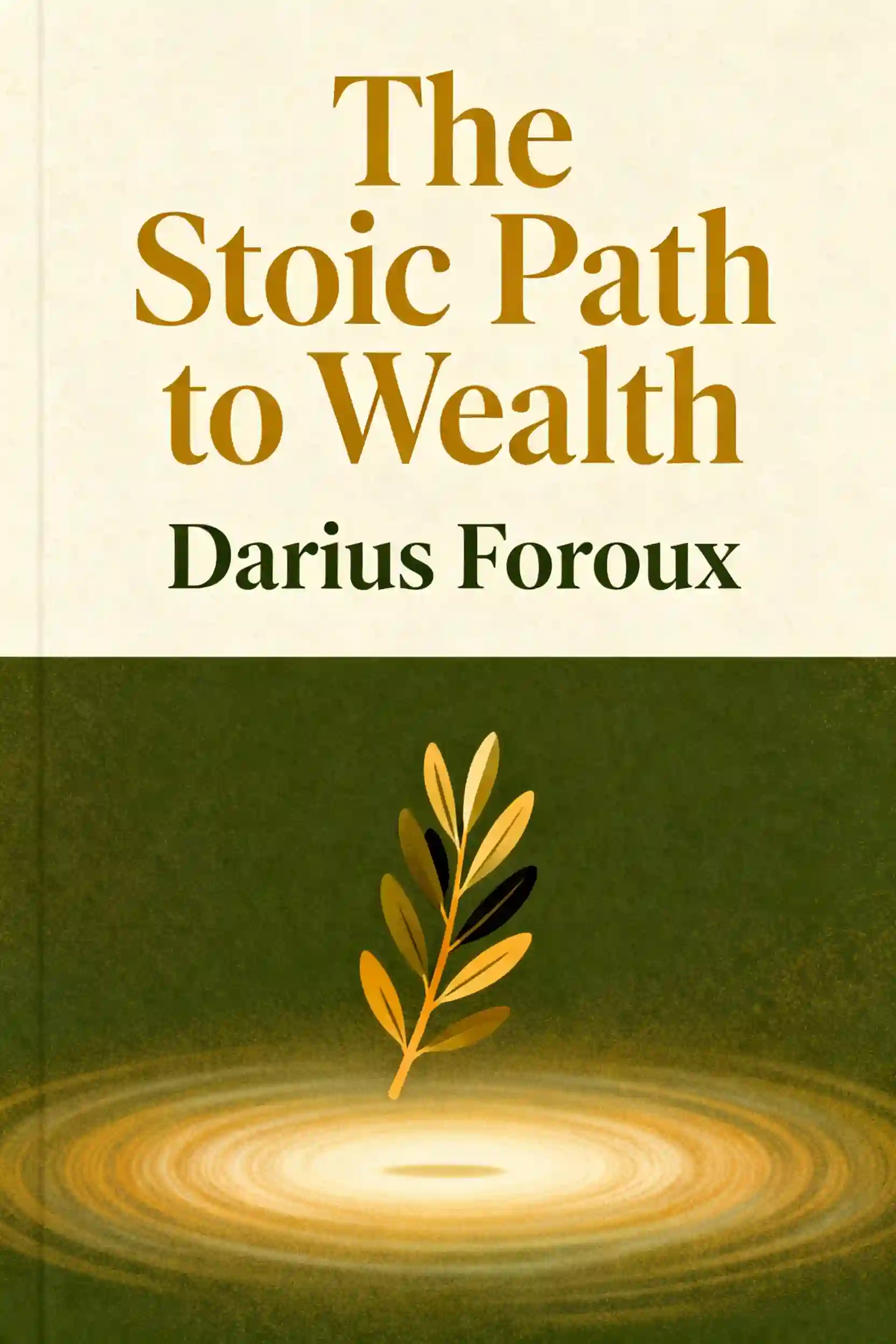
    Let's start by understanding our sources. "The Stoic Path to Wealth" reveals how 2,000-year-old philosophical principles provide the emotional foundation for successful investing. "Beyond Getting By" offers a compassionate, shame-free approach to money that rejects hustle culture's toxic relationship with wealth. And "Outsmarting the Crowd" demonstrates how contrarian thinking and emotional detachment create sustainable investment advantages.

    The Stoics understood something profound about wealth: true prosperity comes not from accumulating the most money, but from developing the right relationship with money. When Zeno of Citium lost his fortune in a shipwreck, he didn't despair-he discovered philosophy. This wasn't resignation but liberation. Similarly, Holly Trantham in "Beyond Getting By" advocates for an abundance mindset over scarcity thinking, recognizing that our emotional relationship with money often matters more than the actual amounts involved. The key insight across all three books is that financial success requires mastering our internal responses to external circumstances we cannot control.

    이 에피소드로 더 깊이 배우기

    이 에피소드의 아이디어를 BeFreed의 가이드 학습 경험으로 더 깊이 탐구해 보세요.

    챕터 3

    The Paradox of Caring Without Attachment

    Here's where intentional detachment becomes crucial: you must care enough to make good decisions while remaining unattached to outcomes. Darius Foroux describes this as developing the "Stoic Edge"-the ability to invest consistently regardless of market conditions. This isn't indifference; it's strategic emotional regulation. When Edward Thorp applied mathematical principles to both blackjack and investing, he succeeded because he understood probabilities without becoming emotionally invested in individual hands or trades.

    Trantham echoes this in her approach to budgeting, suggesting we move beyond shame-based financial management toward compassionate decision-making. Instead of obsessing over every dollar, she advocates for the "IDGAF number"-what remains for discretionary spending after covering necessities and savings. This represents perfect detachment: you've handled your responsibilities, so you can spend the remainder without guilt or anxiety. The wisdom lies in caring deeply about the process while remaining detached from day-to-day results.

    챕터 4

    Embracing Uncertainty as Your Competitive Advantage

    The crowd seeks certainty where none exists, creating opportunities for the intentionally detached investor. Jesse Livermore, despite his eventual downfall, demonstrated this principle during the 1929 crash when he made $100 million by betting against the market while others desperately held losing positions. His ability to remain emotionally detached from popular sentiment allowed him to see opportunities others missed.

    This connects to Trantham's critique of manifestation culture, which promises certainty through positive thinking. Instead, she advocates for "facilitation"-acknowledging uncertainty while taking practical steps toward your goals. The intentionally detached investor doesn't predict the future; they prepare for multiple scenarios. As Marcus Aurelius taught, we focus on our responses to events rather than the events themselves. When Cathie Wood's ARK funds declined 67% in 2022, her detachment from short-term results allowed her to maintain long-term conviction-though time will judge whether this proves wise.

    이 에피소드로 더 깊이 배우기

    이 에피소드의 아이디어를 BeFreed의 가이드 학습 경험으로 더 깊이 탐구해 보세요.

    챕터 5

    The Compound Effect of Emotional Discipline

    Warren Buffett's success stems not from superior stock-picking but from emotional consistency over decades. Starting with $140,000 in 1956, he built Berkshire Hathaway through patient capital allocation rather than market timing. This exemplifies intentional detachment: caring deeply about business fundamentals while ignoring market volatility.

    Peter Lynch achieved similar results managing Fidelity's Magellan Fund with a 29% average annual return, yet he retired at 46 because he recognized the cost of constant market engagement. His detachment from career advancement allowed him to prioritize family relationships over financial achievement. Trantham would call this living according to your values rather than external expectations of success. The intentionally detached investor understands that wealth serves life, not the other way around. They're willing to sacrifice potential returns for peace of mind, recognizing that the best investment strategy is one you can maintain consistently without compromising your well-being.

    챕터 6

    Building Systems That Think for You

    Automation represents the ultimate expression of intentional detachment. Geraldine Weiss built Investment Quality Trends around systematic dividend analysis rather than emotional market reactions. By creating rules-based investment processes, she removed daily decision-making from the equation. Her 11.8% annualized returns over decades came from disciplined execution, not brilliant insights.

    Trantham advocates similar automation through "sinking funds" and automatic transfers that remove spending decisions from your daily consciousness. When John Bogle created Vanguard's index funds, he institutionalized this principle-investors could own the entire market without picking individual stocks. The intentionally detached investor builds systems that function regardless of their emotional state. They automate investments, rebalance portfolios mechanically, and avoid checking account balances obsessively. This isn't laziness; it's wisdom. By removing emotion from routine decisions, they preserve mental energy for choices that truly matter.

    이 에피소드로 더 깊이 배우기

    이 에피소드의 아이디어를 BeFreed의 가이드 학습 경험으로 더 깊이 탐구해 보세요.

    챕터 7

    Practical Detachment in Daily Life

    How do you implement intentional detachment practically? Start with Foroux's three-step framework: invest in yourself, accept loss as natural, and let time work through compounding. But add Trantham's emotional intelligence: recognize your financial values and align spending accordingly. The intentionally detached person doesn't deprive themselves to prove discipline; they spend consciously on what matters while ignoring social pressure to accumulate status symbols.

    Stanley Druckenmiller's career illustrates both sides of this principle. His greatest success came from trusting his judgment while remaining emotionally detached from outcomes. His greatest failure occurred when he abandoned his own analysis to chase tech stocks during the bubble. The lesson: detachment means following your process regardless of external pressures or short-term results. Create clear investment criteria, automate as much as possible, and review performance periodically rather than daily. When markets crash, do nothing. When they soar, resist the urge to check your balance constantly.

    챕터 8

    The Freedom of Enough

    The ultimate goal of intentional detachment is recognizing "enough." King Midas discovered that infinite wealth becomes a curse, not a blessing. The Stoics understood that wanting what you have creates more satisfaction than having what you want. Trantham calls this finding your "happiness threshold"-the point where additional money doesn't meaningfully improve your life.

    Mohnish Pabrai grew up in poverty yet built substantial wealth through patient value investing. His success came from detachment: focusing on business fundamentals rather than stock prices, holding positions for years rather than months, and ignoring market commentary. But he also knew when enough was enough, structuring his life around family and personal interests rather than endless wealth accumulation. The intentionally detached investor doesn't retire from money management; they graduate to money stewardship. They've built sufficient wealth to support their values and can now focus on more meaningful pursuits. This isn't about reaching a specific number-it's about achieving the emotional freedom that comes from knowing you have enough.

    이 에피소드로 더 깊이 배우기

    이 에피소드의 아이디어를 BeFreed의 가이드 학습 경험으로 더 깊이 탐구해 보세요.

    챕터 9

    The Unshakeable Mind

    Financial wisdom through intentional detachment isn't about becoming emotionally numb-it's about becoming emotionally intelligent. You care deeply about your long-term prosperity while remaining unattached to daily fluctuations. You invest consistently without obsessing over performance. You spend according to your values without guilt or anxiety. This creates what Marcus Aurelius called the mind "like granite"-unmoved by external circumstances yet fully engaged with life.

    The journey requires patience, discipline, and self-awareness. Start small, automate what you can, and focus on process over results. Remember that true wealth isn't about having the most money; it's about having the right relationship with money. When you achieve intentional detachment, you'll find that financial decisions become easier, market volatility becomes irrelevant, and your money finally serves your life rather than controlling it. The Stoics knew this secret 2,000 years ago, and it remains as powerful today as ever.

    Thanks for joining me on this exploration of financial wisdom and intentional detachment-I'd love to hear how these ideas resonate with your own money journey, so feel free to share your thoughts and experiences.

    ★★★★★

    Financial Wisdom for the Intentionally Detached의 끝까지 도달했어요

    “23일째 매일 사용하고 있어요. 이제 제 일상의 한 부분이 되었습니다.”

    jayallen

    Financial Wisdom for the Intentionally Detached 베스트 인용

    “

    True wealth isn't about having the most money; it's about having the right relationship with money. The wisdom lies in caring deeply about the process while remaining detached from day-to-day results.

    ”
    E

    Generated by Edimah SS

    질문 입력

    Financial wisdom for the intentionally detached

    호스트 음성
    Lenaplay
    지식 출처
    The Stoic Path to Wealth
    Outsmarting the Crowd
    Beyond Getting By

    컬럼비아 대학교 동문들이 제작 | 샌프란시스코에서 개발

    BeFreed는 호기심 넘치는 글로벌 커뮤니티를 하나로 연결합니다

    4.7

    평균 평점

    앱 평가 7.84천 개 이상

    BeFreed 커뮤니티

    정말이지 아직 앱을 다 써 보지도 않았는데, 며칠 써 본 것만으로도 깊은 인상을 받았어요… BeFreed는 제가 써 본 어떤 학습 앱과도 차원이 달라요. 몰입감이 엄청나고 집중력도 실제로 좋아져서, 스마트폰을 하염없이 스크롤하는 분들께 딱이에요!

    @ladyInfinity

    정확히 23일 전에 BeFreed를 구입했는데, 그날부터 하루도 빠짐없이 쓰고 있어요. 제 일상 업무 흐름과 학습 습관에 완전히 자리 잡았어요.

    @jayallen

    솔직히 이 앱은 제 기대를 전부 뛰어넘었어요. 어떤 주제든 오디오로 만들어 달라고 할 수 있고, 결과물이 놀라워요. 제 전문 분야는 심리치료 쪽이고 여러 학문이 얽혀 있는데도 답변이 아주 정확해요.

    @Raguipa

    제일 고마운 건 스크롤하는 시간이 확 줄었다는 거예요. 검색하는 시간은 줄고 흡수하는 시간은 늘었어요. 오디오북 전권, 팟캐스트, 학습 플랜의 조합이 정말 훌륭해요.

    @colonyofcreatorsNGO

    저는 24년째 PhotoReading 속진 학습 강사로 일하고 있어요… 책과 독서, 배움이 제 전문인데, BeFreed는 정보를 소화하기 쉽게 전달하는 혁신적인 방식을 정말 잘 구현했어요.

    @BeFreed user

    단순한 책 요약 앱이 아니에요. '재미' 스타일을 써 봤는데, 전통적인 방식보다 훨씬 나은 요약이고 아이디어를 이해하기도 쉬워요. 이것만으로도 값어치를 해요.

    @austinakon

    이 앱이 정말 좋아요. 며칠 써 봤는데 듣는 걸 멈출 수가 없어요. 시작하기에 이보다 좋을 수 없어요.

    @jcrules328

    정말 마음에 들어요. 한 달 정도 써 봤는데 숨은 보석을 찾은 기분이에요. BeFreed로 제가 원하는 주제를 직접 만들 수 있어서 좋고, 목소리도 훌륭한 데다 내레이션 선택지가 무궁무진해요.

    @DanielCZ

    정말이지 아직 앱을 다 써 보지도 않았는데, 며칠 써 본 것만으로도 깊은 인상을 받았어요… BeFreed는 제가 써 본 어떤 학습 앱과도 차원이 달라요. 몰입감이 엄청나고 집중력도 실제로 좋아져서, 스마트폰을 하염없이 스크롤하는 분들께 딱이에요!

    @ladyInfinity

    정확히 23일 전에 BeFreed를 구입했는데, 그날부터 하루도 빠짐없이 쓰고 있어요. 제 일상 업무 흐름과 학습 습관에 완전히 자리 잡았어요.

    @jayallen

    솔직히 이 앱은 제 기대를 전부 뛰어넘었어요. 어떤 주제든 오디오로 만들어 달라고 할 수 있고, 결과물이 놀라워요. 제 전문 분야는 심리치료 쪽이고 여러 학문이 얽혀 있는데도 답변이 아주 정확해요.

    @Raguipa

    제일 고마운 건 스크롤하는 시간이 확 줄었다는 거예요. 검색하는 시간은 줄고 흡수하는 시간은 늘었어요. 오디오북 전권, 팟캐스트, 학습 플랜의 조합이 정말 훌륭해요.

    @colonyofcreatorsNGO

    저는 24년째 PhotoReading 속진 학습 강사로 일하고 있어요… 책과 독서, 배움이 제 전문인데, BeFreed는 정보를 소화하기 쉽게 전달하는 혁신적인 방식을 정말 잘 구현했어요.

    @BeFreed user

    단순한 책 요약 앱이 아니에요. '재미' 스타일을 써 봤는데, 전통적인 방식보다 훨씬 나은 요약이고 아이디어를 이해하기도 쉬워요. 이것만으로도 값어치를 해요.

    @austinakon

    이 앱이 정말 좋아요. 며칠 써 봤는데 듣는 걸 멈출 수가 없어요. 시작하기에 이보다 좋을 수 없어요.

    @jcrules328

    정말 마음에 들어요. 한 달 정도 써 봤는데 숨은 보석을 찾은 기분이에요. BeFreed로 제가 원하는 주제를 직접 만들 수 있어서 좋고, 목소리도 훌륭한 데다 내레이션 선택지가 무궁무진해요.

    @DanielCZ

    유용한 정보와 아이디어를 8~15분짜리 팟캐스트 스타일 오디오로 압축해서 들을 수 있다는 게 정말 좋아요. 원래 팟캐스트는 군더더기가 많아서 안 좋아했는데, 여기는 그걸 싹 걷어냈어요.

    @BeFreed user

    박사 과정을 마무리하는 중이라 낯선 자료를 많이 읽어야 해요… BeFreed에서는 프롬프트만 입력하면 앱이 자료를 찾아서 오디오 팟캐스트로 만들어 줘요. BeFreed의 과정이 NotebookLM보다 더 매끄럽게 느껴져요.

    @Brad

    아침을 준비하거나 산책하거나 출퇴근할 때 들을 것을 YouTube에서 자주 찾곤 했는데, BeFreed는 광고도 군더더기도 없이 훨씬 더 딱 맞는 걸 들려줘요!

    @BeFreed user

    이 플랫폼의 가장 큰 장점은 활용도예요. 다루지 못하는 주제가 말 그대로 하나도 없어요. 무엇을 던져도 다 소화해요… 제한이 전혀 없으면서 약속을 실제로 지키는 학습 도구는 정말 드물어요.

    @jayallen

    BeFreed는 환상적이에요. 디자인이 편해서 헤매는 시간은 줄고 배우는 시간은 늘었어요. 오디오북, 팟캐스트, 학습 플랜의 조합은 천재적이에요. 제 하루가 완전히 달라졌어요.

    @BeFreed user

    처음엔 이탈리아어로 팟캐스트를 만드는 방법을 이해하는 데 시간이 좀 걸렸는데, 알고 나니까 — 와! 정말 대단해요! 어떤 주제든 설명해 달라고 하면 정말 똑똑하게 잘 설명해 줘요!

    @matteo77

    BeFreed는 제가 매일 쓰는 오디오북 앱이 됐어요… 제일 마음에 드는 건 텍스트를 넣으면 이동 중에도 들을 수 있는 오디오로 만들어 준다는 점이에요.

    @kotanzu1

    유용한 정보와 아이디어를 8~15분짜리 팟캐스트 스타일 오디오로 압축해서 들을 수 있다는 게 정말 좋아요. 원래 팟캐스트는 군더더기가 많아서 안 좋아했는데, 여기는 그걸 싹 걷어냈어요.

    @BeFreed user

    박사 과정을 마무리하는 중이라 낯선 자료를 많이 읽어야 해요… BeFreed에서는 프롬프트만 입력하면 앱이 자료를 찾아서 오디오 팟캐스트로 만들어 줘요. BeFreed의 과정이 NotebookLM보다 더 매끄럽게 느껴져요.

    @Brad

    아침을 준비하거나 산책하거나 출퇴근할 때 들을 것을 YouTube에서 자주 찾곤 했는데, BeFreed는 광고도 군더더기도 없이 훨씬 더 딱 맞는 걸 들려줘요!

    @BeFreed user

    이 플랫폼의 가장 큰 장점은 활용도예요. 다루지 못하는 주제가 말 그대로 하나도 없어요. 무엇을 던져도 다 소화해요… 제한이 전혀 없으면서 약속을 실제로 지키는 학습 도구는 정말 드물어요.

    @jayallen

    BeFreed는 환상적이에요. 디자인이 편해서 헤매는 시간은 줄고 배우는 시간은 늘었어요. 오디오북, 팟캐스트, 학습 플랜의 조합은 천재적이에요. 제 하루가 완전히 달라졌어요.

    @BeFreed user

    처음엔 이탈리아어로 팟캐스트를 만드는 방법을 이해하는 데 시간이 좀 걸렸는데, 알고 나니까 — 와! 정말 대단해요! 어떤 주제든 설명해 달라고 하면 정말 똑똑하게 잘 설명해 줘요!

    @matteo77

    BeFreed는 제가 매일 쓰는 오디오북 앱이 됐어요… 제일 마음에 드는 건 텍스트를 넣으면 이동 중에도 들을 수 있는 오디오로 만들어 준다는 점이에요.

    @kotanzu1

    웹에서 BeFreed가 어떻게 논의되고 있는지 더 보기
    129.7K19.5K
    55.2K19.2K
    154.2K10827355
    48.1K2.5K
    81.2K6.6K
    82.3K1.8K
    지금 바로 학습 여정을 시작하세요
    BeFreed 앱
    BeFreed

    무엇이든 개인화된 학습

    DiscordLinkedIn
    추천 도서 요약
    Crucial ConversationsThe Perfect MarriageInto the WildNever Split the DifferenceAttachedGood to GreatSay Nothing
    인기 카테고리
    Self HelpCommunication SkillRelationshipMindfulnessPhilosophyInspirationProductivity
    유명인 추천 도서
    Elon MuskCharlie KirkBill GatesSteve JobsAndrew HubermanJoe RoganJordan Peterson
    수상작 컬렉션
    Pulitzer PrizeNational Book AwardGoodreads Choice AwardsNobel Prize in LiteratureNew York TimesCaldecott MedalNebula Award
    추천 주제
    ManagementAmerican HistoryWarTradingStoicismAnxietySex
    연도별 베스트 도서
    2025 Best Non Fiction Books2024 Best Non Fiction Books2023 Best Non Fiction Books
    추천 저자
    Chimamanda Ngozi AdichieGeorge OrwellO. J. SimpsonBarbara O'NeillWinston ChurchillCharlie Kirk
    BeFreed vs 다른 앱
    BeFreed vs. Other Book Summary AppsBeFreed vs. ElevenReaderBeFreed vs. ReadwiseBeFreed vs. Anki
    학습 도구
    Knowledge VisualizerAI Podcast Generator
    정보
    회사 소개arrow
    가격arrow
    FAQarrow
    블로그arrow
    채용arrow
    파트너십arrow
    앰배서더 프로그램arrow
    디렉토리arrow
    BeFreed
    Try now
    © 2026 BeFreed
    이용 약관개인정보 처리방침
    BeFreed

    무엇이든 개인화된 학습

    DiscordLinkedIn
    추천 도서 요약
    Crucial ConversationsThe Perfect MarriageInto the WildNever Split the DifferenceAttachedGood to GreatSay Nothing
    인기 카테고리
    Self HelpCommunication SkillRelationshipMindfulnessPhilosophyInspirationProductivity
    유명인 추천 도서
    Elon MuskCharlie KirkBill GatesSteve JobsAndrew HubermanJoe RoganJordan Peterson
    수상작 컬렉션
    Pulitzer PrizeNational Book AwardGoodreads Choice AwardsNobel Prize in LiteratureNew York TimesCaldecott MedalNebula Award
    추천 주제
    ManagementAmerican HistoryWarTradingStoicismAnxietySex
    연도별 베스트 도서
    2025 Best Non Fiction Books2024 Best Non Fiction Books2023 Best Non Fiction Books
    학습 도구
    Knowledge VisualizerAI Podcast Generator
    추천 저자
    Chimamanda Ngozi AdichieGeorge OrwellO. J. SimpsonBarbara O'NeillWinston ChurchillCharlie Kirk
    BeFreed vs 다른 앱
    BeFreed vs. Other Book Summary AppsBeFreed vs. ElevenReaderBeFreed vs. ReadwiseBeFreed vs. Anki
    정보
    회사 소개arrow
    가격arrow
    FAQarrow
    블로그arrow
    채용arrow
    파트너십arrow
    앰배서더 프로그램arrow
    디렉토리arrow
    BeFreed
    Try now
    © 2026 BeFreed
    이용 약관개인정보 처리방침

    비슷한 콘텐츠

    Wealth Without Attachment 책 표지
    How to Emotionally Distance Yourself from Your PortfolioThe Neuroscience of Detachment: How Letting Go Attracts More Money | 10x Operating SystemJournal of Cognitive Science ResearchStoicism and Money, What the Stoics Really Taught About Wealth — Stoic of the Day
    6 sources
    Wealth Without Attachment
    Tying your identity to your bank account can actually lower your IQ. Learn to detach from financial outcomes to reclaim the clarity needed to build wealth.
    1133 min
    The Stoic Path to Wealth 책 표지
    The Stoic Path to Wealth
    Darius Foroux
    Ancient Stoic wisdom meets modern investing strategies, offering a disciplined approach to building lasting wealth and inner peace.
    25 min
    Master Financial Intelligence: Beyond Money to True Wealth 책 표지
    source 1source 2source 4
    6 sources
    Master Financial Intelligence: Beyond Money to True Wealth
    Discover the five pillars of financial mastery that separate the wealthy from the struggling. Learn why money alone never creates wealth and how to develop the intelligence that transforms your relationship with finances forever.
    8 min
    Master Finance: Build Wealth, Freedom & Financial Dignity 책 표지
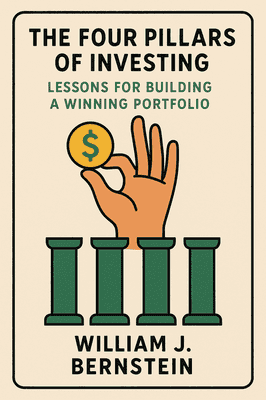
    Financial Literacy for AllMoney: Master the GameThe Four Pillars of InvestingA Wealth of Common Sense
    6 sources
    Master Finance: Build Wealth, Freedom & Financial Dignity
    Learn time-tested principles from top financial experts to transform from consumer to wealth-builder. Discover practical strategies for saving, investing, and creating multiple income streams that lead to true financial freedom.
    8 min
    Master Finance: Psychology, Systems, and True Wealth 책 표지
    The Four Pillars of InvestingMoney: A Users GuideFinance for the People
    3 sources
    Master Finance: Psychology, Systems, and True Wealth
    Discover why smart people struggle with money and learn to build unbreakable financial systems. Go beyond budgeting to understand the psychology driving your decisions and wield finance as a tool for personal power and freedom.
    13 min
    Financial Literacy: The Psychology of Money 책 표지
    Ranking the 49 Best Money Books of All TimeThe Bogleheads' Guide to Investing by Taylor Larimore — Review | Editors ReadsThe Psychology of Money by Morgan Housel — Review & Summary | Editors ReadsGet a Financial Life | Book by Beth Kobliner | Official Publisher Page | Simon & Schuster
    5 sources
    Financial Literacy: The Psychology of Money
    Struggling to track your spending? Learn why building wealth is about behavior, not math, so you can escape the complexity trap and gain freedom.
    1076 min
    The Paradox of Mindful Money 책 표지
    ConfidenceMindfulness
    2 sources
    The Paradox of Mindful Money
    Discover how ancient wisdom transforms wealth building from anxious hustle to purposeful action. Learn to build authentic financial success through mindfulness, compassion, and right livelihood practices.
    15 min
    The Psychology of Wealth: Mind Over Money 책 표지
    Richer, Wiser, HappierYour Right to Be Rich
    2 sources
    The Psychology of Wealth: Mind Over Money
    Discover why financial independence is fundamentally a psychological journey. Learn the mental frameworks that separate wealth builders from the financially trapped through clarity, contrarian thinking, and disciplined habits.
    16 min

    Recommended Learning Plans

    Mastering the Psychology of Wealth
    학습 계획

    Mastering the Psychology of Wealth

    Traditional finance often ignores the behavioral biases that dictate our financial success. This plan is essential for anyone looking to move beyond spreadsheets to master the emotional and psychological discipline required for true financial independence.

    2 h 30 m•5 섹션
    Financial freedom
    학습 계획

    Financial freedom

    This learning plan is essential for anyone seeking to break free from financial stress and build lasting wealth. Whether you're just starting your financial journey, looking to optimize your existing investments, or aiming for early retirement, this comprehensive path provides the mindset shifts, practical strategies, and advanced techniques needed to achieve genuine financial freedom and independence.

    4 h 1 m•4 섹션
    Achieve financial independence
    학습 계획

    Achieve financial independence

    This learning plan is designed for anyone who wants to break free from paycheck-to-paycheck living and take control of their financial future. Whether you're just starting your wealth-building journey or looking to accelerate your path to early retirement, this comprehensive curriculum provides actionable strategies to achieve true financial independence. It's particularly valuable for professionals, entrepreneurs, and ambitious savers who want to master both foundational and advanced wealth-building techniques.

    5 h 4 m•4 섹션
    Wealth with Peace: Naval, Burkeman & Manson
    학습 계획

    Wealth with Peace: Naval, Burkeman & Manson

    This curriculum bridges the gap between financial independence and mental tranquility by blending modern entrepreneurship with timeless philosophy. It is designed for ambitious professionals who want to achieve high-level success without sacrificing their sanity or sense of purpose.

    4 h 7 m•5 섹션
    Unshakable: The Art of Emotional Detachment
    학습 계획

    Unshakable: The Art of Emotional Detachment

    In an era of constant social pressure, mastering emotional boundaries is essential for mental clarity. This plan is designed for individuals who feel drained by others' moods or struggle with social overthinking.
    1 h 30 m•3 섹션
    Ancient Wisdom for Modern Living
    학습 계획

    Ancient Wisdom for Modern Living

    In an era of constant distraction and uncertainty, these foundational philosophical principles offer a roadmap for mental clarity and emotional stability. This plan is ideal for anyone seeking to replace reactive habits with intentional living and ancient resilience strategies.
    1 h 30 m•3 섹션
    The Strategic Wealth Architect
    학습 계획

    The Strategic Wealth Architect

    This plan is essential for investors and leaders who want to bridge the gap between human psychology and financial success. It benefits those seeking to master market heuristics and systematic growth to achieve long-term wealth.

    2 h•4 섹션
    Command your wealth and senses
    학습 계획

    Command your wealth and senses

    This plan is essential for individuals seeking to bridge the gap between material success and spiritual mastery. It is designed for those who want to reclaim authority over their finances and physical vitality through targeted internal practices.

    1 h•2 섹션