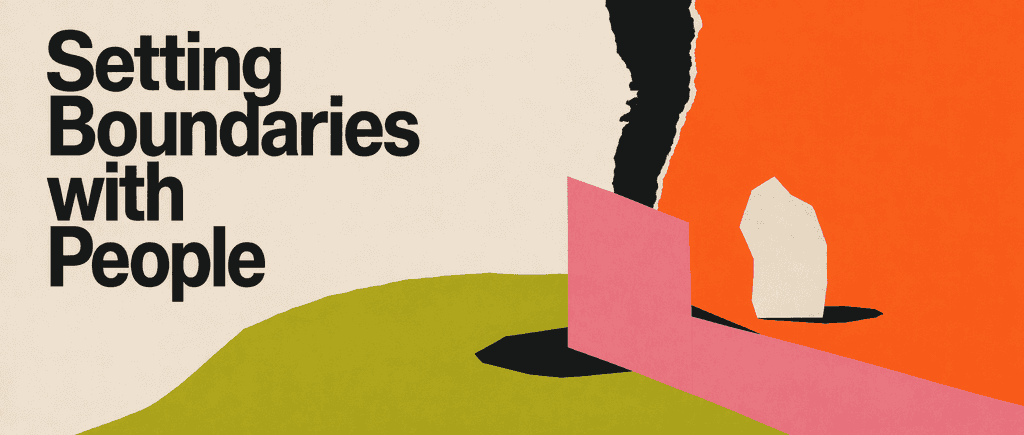
Everyday bordering and how it changes daily life
When hospitals and schools act like border guards, how do migrants find safety? Learn how shadow bordering impacts security and how people resist it.

Everyday bordering and how it changes daily life 베스트 인용
The border has basically 'liquified' and leaked into the rest of society; it is no longer just a place on a map, but a practice where social institutions like schools and hospitals start acting as border guards.
Generated by Bumfluff
Teach me about everyday bordering and all studies and literature on this including shadow every day bordering


자주 묻는 질문
Everyday bordering is a social process where the functions of a national border shift away from physical map lines and into daily life. Instead of only occurring at airports or gates, border control is enacted by social institutions like schools, hospitals, and local government offices. This shift effectively deputizes ordinary citizens—such as doctors, teachers, and landlords—to act as part-time border guards by requiring them to scrutinize ID cards and immigration status. Consequently, these spaces of healing or learning are transformed into "border sites" where a person's right to exist in the community is constantly questioned.
Ontological security refers to a person’s fundamental sense of order, continuity, and the feeling that their environment is reliable. For migrants living under "everyday bordering," this security is constantly under threat because the state’s hostile policies are designed to produce insecurity and transience. To counter this, migrants engage in "homing," which is the active emotional and physical labor of creating a predictable, safe space and claiming a sense of belonging. Homing is not just about housing; it is a struggle for agency and a "being-in-the-world" that resists the state's attempt to make their lives precarious.
Administrative vulnerability occurs when the "bureaucratic design" of a system makes it impossible for eligible individuals to exercise their rights. Even if the law grants a migrant access to healthcare or financial aid, the process is often weaponized through "red tape," such as requiring excessive documentation, digital-only applications for those without internet, or complex forms that act as an obstacle course. This is often compounded by "bureaucratic gatekeeping," where clerks use moral judgments or "deservingness" criteria to decide who is worthy of help, effectively using process as a tool of exclusion.
Invisible safety nets are informal support systems created by migrants through kinship and neighborhood ties to survive when they are excluded from formal state services. Examples include neighbors pooling money for medical emergencies or using traditional birth attendants to avoid the "border checks" at public hospitals. While these nets are essential lifelines that provide dignity and care, they are "double-edged" because they reflect the violence of exclusion. Relying on informal care can lead to higher medical risks and potential exploitation, as these community-based solutions cannot fully replace the safety and resources of a fair, inclusive public system.
샌프란시스코에서 컬럼비아 대학교 동문들이 만들었습니다
"Instead of endless scrolling, I just hit play on BeFreed. It saves me so much time."


"I never knew where to start with nonfiction—BeFreed’s book lists turned into podcasts gave me a clear path."


"Perfect balance between learning and entertainment. Finished ‘Thinking, Fast and Slow’ on my commute this week."
"Crazy how much I learned while walking the dog. BeFreed = small habits → big gains."
"Reading used to feel like a chore. Now it’s just part of my lifestyle."

"Feels effortless compared to reading. I’ve finished 6 books this month already."
"BeFreed turned my guilty doomscrolling into something that feels productive and inspiring."

"BeFreed turned my commute into learning time. 20-min podcasts are perfect for finishing books I never had time for."
"BeFreed replaced my podcast queue. Imagine Spotify for books — that’s it. 🙌"

"It is great for me to learn something from the book without reading it."
"The themed book list podcasts help me connect ideas across authors—like a guided audio journey."
"Makes me feel smarter every time before going to work"
샌프란시스코에서 컬럼비아 대학교 동문들이 만들었습니다
"Instead of endless scrolling, I just hit play on BeFreed. It saves me so much time."
"I never knew where to start with nonfiction—BeFreed’s book lists turned into podcasts gave me a clear path."
"Perfect balance between learning and entertainment. Finished ‘Thinking, Fast and Slow’ on my commute this week."
"Crazy how much I learned while walking the dog. BeFreed = small habits → big gains."
"Reading used to feel like a chore. Now it’s just part of my lifestyle."
"Feels effortless compared to reading. I’ve finished 6 books this month already."
"BeFreed turned my guilty doomscrolling into something that feels productive and inspiring."
"BeFreed turned my commute into learning time. 20-min podcasts are perfect for finishing books I never had time for."
"BeFreed replaced my podcast queue. Imagine Spotify for books — that’s it. 🙌"
"It is great for me to learn something from the book without reading it."
"The themed book list podcasts help me connect ideas across authors—like a guided audio journey."
"Makes me feel smarter every time before going to work"
"Instead of endless scrolling, I just hit play on BeFreed. It saves me so much time."
"I never knew where to start with nonfiction—BeFreed’s book lists turned into podcasts gave me a clear path."
"Perfect balance between learning and entertainment. Finished ‘Thinking, Fast and Slow’ on my commute this week."
"Crazy how much I learned while walking the dog. BeFreed = small habits → big gains."
"Reading used to feel like a chore. Now it’s just part of my lifestyle."
"Feels effortless compared to reading. I’ve finished 6 books this month already."
"BeFreed turned my guilty doomscrolling into something that feels productive and inspiring."
"BeFreed turned my commute into learning time. 20-min podcasts are perfect for finishing books I never had time for."
"BeFreed replaced my podcast queue. Imagine Spotify for books — that’s it. 🙌"
"It is great for me to learn something from the book without reading it."
"The themed book list podcasts help me connect ideas across authors—like a guided audio journey."
"Makes me feel smarter every time before going to work"
"Instead of endless scrolling, I just hit play on BeFreed. It saves me so much time."
"I never knew where to start with nonfiction—BeFreed’s book lists turned into podcasts gave me a clear path."
"Perfect balance between learning and entertainment. Finished ‘Thinking, Fast and Slow’ on my commute this week."
"Crazy how much I learned while walking the dog. BeFreed = small habits → big gains."
"Reading used to feel like a chore. Now it’s just part of my lifestyle."
"Feels effortless compared to reading. I’ve finished 6 books this month already."
"BeFreed turned my guilty doomscrolling into something that feels productive and inspiring."
"BeFreed turned my commute into learning time. 20-min podcasts are perfect for finishing books I never had time for."
"BeFreed replaced my podcast queue. Imagine Spotify for books — that’s it. 🙌"
"It is great for me to learn something from the book without reading it."
"The themed book list podcasts help me connect ideas across authors—like a guided audio journey."
"Makes me feel smarter every time before going to work"