정말이지 아직 앱을 다 써 보지도 않았는데, 며칠 써 본 것만으로도 깊은 인상을 받았어요… BeFreed는 제가 써 본 어떤 학습 앱과도 차원이 달라요. 몰입감이 엄청나고 집중력도 실제로 좋아져서, 스마트폰을 하염없이 스크롤하는 분들께 딱이에요!
@ladyInfinity
Explore the power and risks of Enterprise Resource Planning (ERP). Learn from the Hershey Foods 1999 case study and discover how enterprise systems drive business.

ERP systems are the central nervous system of a company. When they work, they make a billion dollar corporation move with the grace of a startup; when they fail, they can bring a giant to its knees.
An audio lesson based on the user's uploaded markdown notes for 'Chapter 1: Introduction to Enterprise Systems for Management'. For every concept in the notes, provide clear and thorough explanations using simple language, real-world examples, and analogies. For each section, define key terms, give practical scenarios, highlight likely exam questions based on the lecturer's emphases (marked with red circles in the source), and summarize key takeaways. The tone should assume a first-time learner. Attached source: 'Chapter 1 - Annotated.md'.


Enterprise systems, specifically Enterprise Resource Planning (ERP), act as the central nervous system of a company. These platforms allow billion-dollar corporations to operate with the agility of a startup by integrating various business processes. When functioning correctly, they serve as the engine of business, coordinating complex tasks across the organization. However, as seen in historical cases, their failure can lead to massive financial losses and operational paralysis.
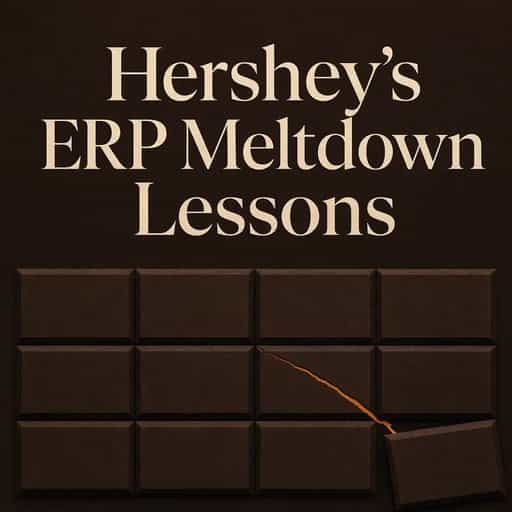
In 1999, Hershey Foods experienced a catastrophic software transition that resulted in $150 million in lost sales during the peak Halloween season. Despite having full warehouses of inventory, a massive invisible wall created by system failures prevented the company from shipping products to retailers. This case study serves as a primary example of the terrifying risks associated with botched enterprise resource planning transitions and the impact of system failures on global brands.
Enterprise systems have undergone a significant transformation over the decades. They began in the 1960s as simple inventory trackers designed for basic data management. Today, they have evolved into massive, web-enabled ecosystems that manage entire business processes. This evolution has moved organizations away from isolated information silos toward integrated environments that support complex global supply chains and real-time data access across the entire enterprise.
Information silos occur when data is trapped within specific departments, preventing a unified view of the business. One of the primary goals of implementing an Enterprise Resource Planning system is to identify and eliminate these silos to ensure data flows freely across the organization. By breaking down these barriers, companies can avoid the communication breakdowns that lead to shipping delays and lost sales, ensuring the entire business moves in sync.
컬럼비아 대학교 동문들이 제작 | 샌프란시스코에서 개발
평균 평점
앱 평가 7.84천 개 이상
BeFreed 커뮤니티
정말이지 아직 앱을 다 써 보지도 않았는데, 며칠 써 본 것만으로도 깊은 인상을 받았어요… BeFreed는 제가 써 본 어떤 학습 앱과도 차원이 달라요. 몰입감이 엄청나고 집중력도 실제로 좋아져서, 스마트폰을 하염없이 스크롤하는 분들께 딱이에요!
@ladyInfinity
정확히 23일 전에 BeFreed를 구입했는데, 그날부터 하루도 빠짐없이 쓰고 있어요. 제 일상 업무 흐름과 학습 습관에 완전히 자리 잡았어요.
@jayallen
솔직히 이 앱은 제 기대를 전부 뛰어넘었어요. 어떤 주제든 오디오로 만들어 달라고 할 수 있고, 결과물이 놀라워요. 제 전문 분야는 심리치료 쪽이고 여러 학문이 얽혀 있는데도 답변이 아주 정확해요.
@Raguipa
제일 고마운 건 스크롤하는 시간이 확 줄었다는 거예요. 검색하는 시간은 줄고 흡수하는 시간은 늘었어요. 오디오북 전권, 팟캐스트, 학습 플랜의 조합이 정말 훌륭해요.
@colonyofcreatorsNGO
저는 24년째 PhotoReading 속진 학습 강사로 일하고 있어요… 책과 독서, 배움이 제 전문인데, BeFreed는 정보를 소화하기 쉽게 전달하는 혁신적인 방식을 정말 잘 구현했어요.
@BeFreed user
단순한 책 요약 앱이 아니에요. '재미' 스타일을 써 봤는데, 전통적인 방식보다 훨씬 나은 요약이고 아이디어를 이해하기도 쉬워요. 이것만으로도 값어치를 해요.
@austinakon
이 앱이 정말 좋아요. 며칠 써 봤는데 듣는 걸 멈출 수가 없어요. 시작하기에 이보다 좋을 수 없어요.
@jcrules328
정말 마음에 들어요. 한 달 정도 써 봤는데 숨은 보석을 찾은 기분이에요. BeFreed로 제가 원하는 주제를 직접 만들 수 있어서 좋고, 목소리도 훌륭한 데다 내레이션 선택지가 무궁무진해요.
@DanielCZ
유용한 정보와 아이디어를 8~15분짜리 팟캐스트 스타일 오디오로 압축해서 들을 수 있다는 게 정말 좋아요. 원래 팟캐스트는 군더더기가 많아서 안 좋아했는데, 여기는 그걸 싹 걷어냈어요.
@BeFreed user
박사 과정을 마무리하는 중이라 낯선 자료를 많이 읽어야 해요… BeFreed에서는 프롬프트만 입력하면 앱이 자료를 찾아서 오디오 팟캐스트로 만들어 줘요. BeFreed의 과정이 NotebookLM보다 더 매끄럽게 느껴져요.
@Brad
아침을 준비하거나 산책하거나 출퇴근할 때 들을 것을 YouTube에서 자주 찾곤 했는데, BeFreed는 광고도 군더더기도 없이 훨씬 더 딱 맞는 걸 들려줘요!
@BeFreed user
이 플랫폼의 가장 큰 장점은 활용도예요. 다루지 못하는 주제가 말 그대로 하나도 없어요. 무엇을 던져도 다 소화해요… 제한이 전혀 없으면서 약속을 실제로 지키는 학습 도구는 정말 드물어요.
@jayallen
BeFreed는 환상적이에요. 디자인이 편해서 헤매는 시간은 줄고 배우는 시간은 늘었어요. 오디오북, 팟캐스트, 학습 플랜의 조합은 천재적이에요. 제 하루가 완전히 달라졌어요.
@BeFreed user
처음엔 이탈리아어로 팟캐스트를 만드는 방법을 이해하는 데 시간이 좀 걸렸는데, 알고 나니까 — 와! 정말 대단해요! 어떤 주제든 설명해 달라고 하면 정말 똑똑하게 잘 설명해 줘요!
@matteo77
BeFreed는 제가 매일 쓰는 오디오북 앱이 됐어요… 제일 마음에 드는 건 텍스트를 넣으면 이동 중에도 들을 수 있는 오디오로 만들어 준다는 점이에요.
@kotanzu1




![[ee304efe-eefc-44c6-9b1b-02bc1ec186a2:c0000] Chapter 1 - Annotated.md p1-1](/_next/image?url=https%3A%2F%2Fd1y2du6z1jfm9e.cloudfront.net%2Fassets%2Fpodcast%2Fgreen.png&w=1024&q=50)
![[ee304efe-eefc-44c6-9b1b-02bc1ec186a2:c0001] Chapter 1 - Annotated.md p1-1](/_next/image?url=https%3A%2F%2Fd1y2du6z1jfm9e.cloudfront.net%2Fassets%2Fpodcast%2Fpurple.png&w=1024&q=50)
![[ee304efe-eefc-44c6-9b1b-02bc1ec186a2:c0002] Chapter 1 - Annotated.md p1-1](/_next/image?url=https%3A%2F%2Fd1y2du6z1jfm9e.cloudfront.net%2Fassets%2Fpodcast%2Fblue.png&w=1024&q=50)
![[ee304efe-eefc-44c6-9b1b-02bc1ec186a2:c0003] Chapter 1 - Annotated.md p1-1](/_next/image?url=https%3A%2F%2Fd1y2du6z1jfm9e.cloudfront.net%2Fassets%2Fpodcast%2Fyellow.png&w=1024&q=50)