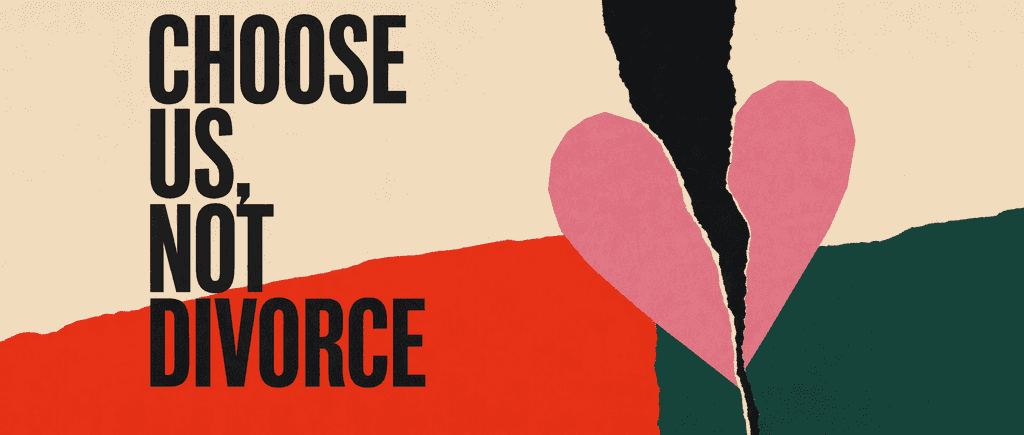
Overcoming Financial Stress and Loss of Self During a Long Divorce
Struggling with a long divorce and financial stress? Learn how to stop feeling stuck, rebuild your identity, and find progress when you feel you're losing yourself.

Overcoming Financial Stress and Loss of Self During a Long Divorce 베스트 인용
The goal isn't to eliminate the negative emotions, but to manage and integrate them. Reclaiming your sense of self isn't a single event; it’s a dynamic process of rediscovery where you find the small moments of joy and connection that remind you that you’re still alive and capable of thriving.
Generated by Catherine
Feeling frustrated about feeling stuck in things like long painful divorce, that causing financial stress and not making progress there. working on these and having them hang over my head constantly but the Inability to see progress in the short term to is causing me to lose my sense of self


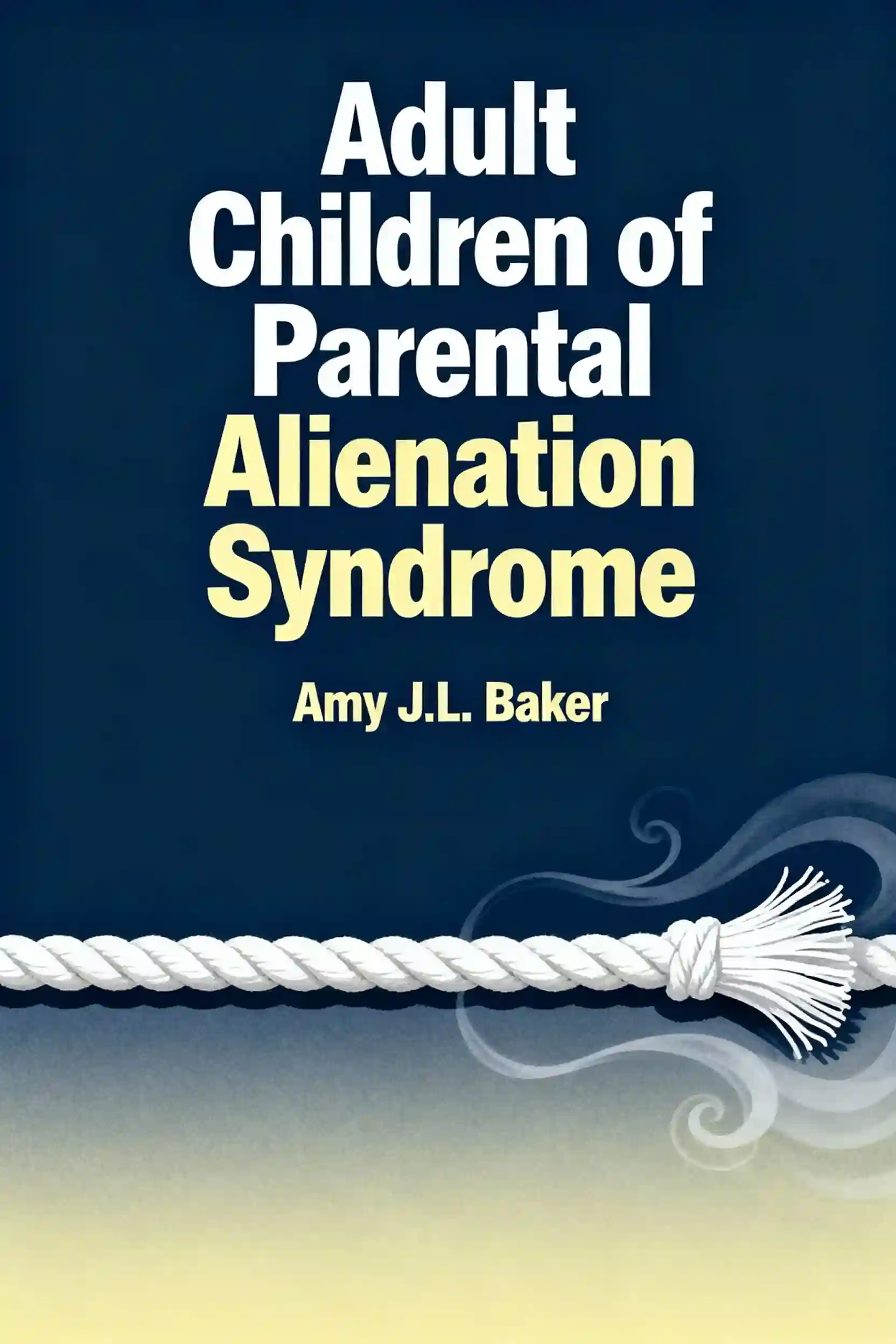
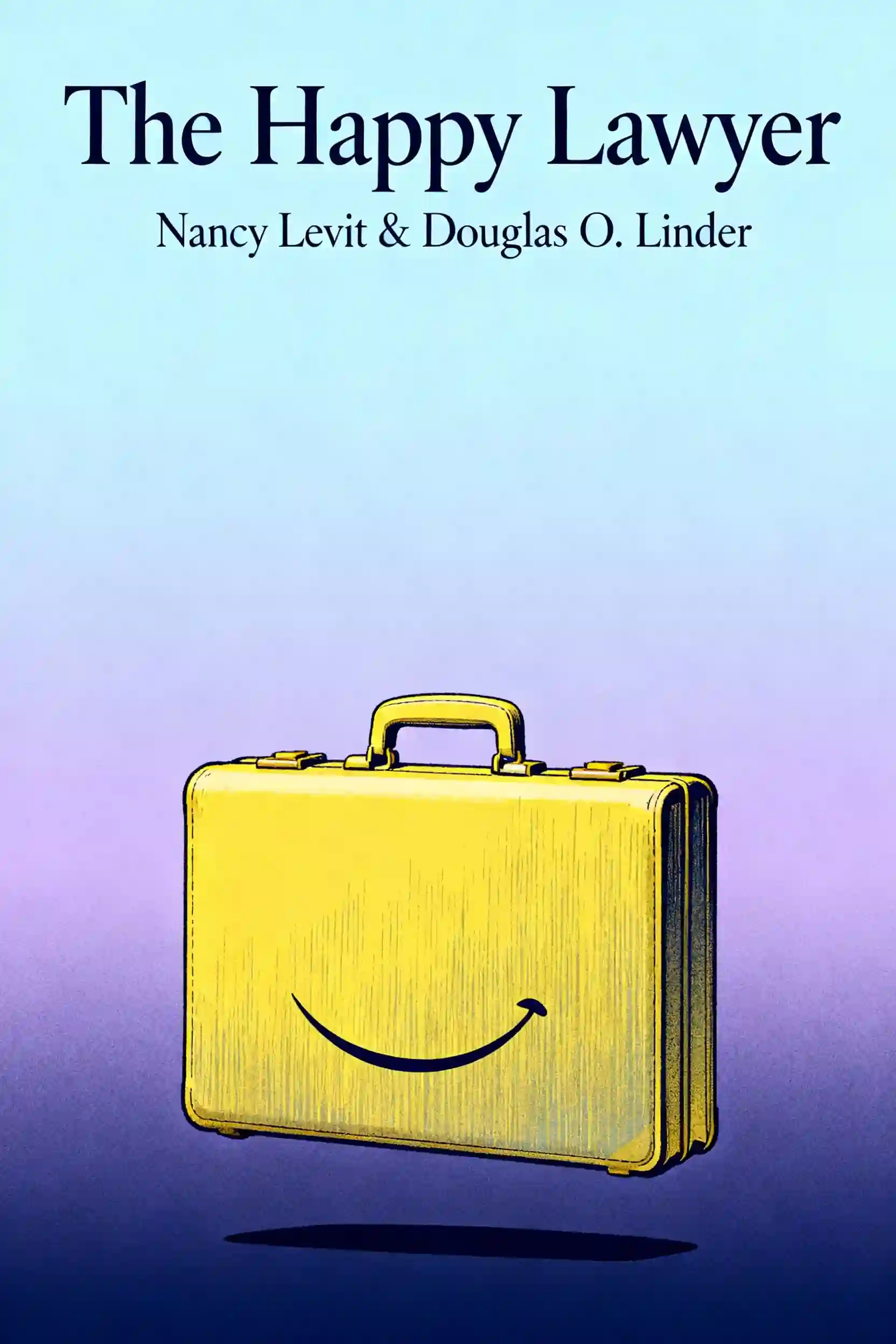
자주 묻는 질문
Feeling stuck during a long divorce recovery is a common experience when legal and financial processes drag on. This lack of short-term progress often leads to emotional exhaustion and a sense of stagnation. To move forward, it is essential to shift your focus toward small, manageable goals that are within your control. By acknowledging that the legal timeline is separate from your personal growth, you can begin to regain a sense of agency even while the divorce remains unresolved.
Losing your sense of self often happens when the divorce becomes your primary identity and consumes your daily thoughts. When you are constantly navigating financial stress and legal battles, your personal interests and values can fade into the background. Rebuilding your identity requires intentionally carving out space for activities and connections that have nothing to do with your marital status. This process helps you reconnect with who you are outside of the conflict and prevents the divorce from defining your entire future.
Financial stress from divorce is one of the most significant burdens to carry, especially when there is no clear end in sight. The inability to see immediate financial stability can cause constant anxiety and a feeling of being overwhelmed. Managing this stress involves creating a realistic short-term budget and seeking professional advice to understand your long-term outlook. Focusing on incremental financial wins can help alleviate the pressure and provide a sense of progress even when the overall legal process feels stalled.
Divorce emotional exhaustion occurs when the constant pressure of conflict and uncertainty wears down your mental resilience. To combat this, it is vital to recognize that your feelings of frustration are a natural response to a prolonged crisis. Prioritizing self-care and setting boundaries around divorce-related tasks can help preserve your energy. By allowing yourself to step away from the stress periodically, you can protect your mental health and maintain the stamina needed to reach the end of the process.
샌프란시스코에서 컬럼비아 대학교 동문들이 만들었습니다
"Instead of endless scrolling, I just hit play on BeFreed. It saves me so much time."


"I never knew where to start with nonfiction—BeFreed’s book lists turned into podcasts gave me a clear path."


"Perfect balance between learning and entertainment. Finished ‘Thinking, Fast and Slow’ on my commute this week."
"Crazy how much I learned while walking the dog. BeFreed = small habits → big gains."
"Reading used to feel like a chore. Now it’s just part of my lifestyle."

"Feels effortless compared to reading. I’ve finished 6 books this month already."
"BeFreed turned my guilty doomscrolling into something that feels productive and inspiring."

"BeFreed turned my commute into learning time. 20-min podcasts are perfect for finishing books I never had time for."
"BeFreed replaced my podcast queue. Imagine Spotify for books — that’s it. 🙌"

"It is great for me to learn something from the book without reading it."
"The themed book list podcasts help me connect ideas across authors—like a guided audio journey."
"Makes me feel smarter every time before going to work"
샌프란시스코에서 컬럼비아 대학교 동문들이 만들었습니다
"Instead of endless scrolling, I just hit play on BeFreed. It saves me so much time."
"I never knew where to start with nonfiction—BeFreed’s book lists turned into podcasts gave me a clear path."
"Perfect balance between learning and entertainment. Finished ‘Thinking, Fast and Slow’ on my commute this week."
"Crazy how much I learned while walking the dog. BeFreed = small habits → big gains."
"Reading used to feel like a chore. Now it’s just part of my lifestyle."
"Feels effortless compared to reading. I’ve finished 6 books this month already."
"BeFreed turned my guilty doomscrolling into something that feels productive and inspiring."
"BeFreed turned my commute into learning time. 20-min podcasts are perfect for finishing books I never had time for."
"BeFreed replaced my podcast queue. Imagine Spotify for books — that’s it. 🙌"
"It is great for me to learn something from the book without reading it."
"The themed book list podcasts help me connect ideas across authors—like a guided audio journey."
"Makes me feel smarter every time before going to work"
"Instead of endless scrolling, I just hit play on BeFreed. It saves me so much time."
"I never knew where to start with nonfiction—BeFreed’s book lists turned into podcasts gave me a clear path."
"Perfect balance between learning and entertainment. Finished ‘Thinking, Fast and Slow’ on my commute this week."
"Crazy how much I learned while walking the dog. BeFreed = small habits → big gains."
"Reading used to feel like a chore. Now it’s just part of my lifestyle."
"Feels effortless compared to reading. I’ve finished 6 books this month already."
"BeFreed turned my guilty doomscrolling into something that feels productive and inspiring."
"BeFreed turned my commute into learning time. 20-min podcasts are perfect for finishing books I never had time for."
"BeFreed replaced my podcast queue. Imagine Spotify for books — that’s it. 🙌"
"It is great for me to learn something from the book without reading it."
"The themed book list podcasts help me connect ideas across authors—like a guided audio journey."
"Makes me feel smarter every time before going to work"
"Instead of endless scrolling, I just hit play on BeFreed. It saves me so much time."
"I never knew where to start with nonfiction—BeFreed’s book lists turned into podcasts gave me a clear path."
"Perfect balance between learning and entertainment. Finished ‘Thinking, Fast and Slow’ on my commute this week."
"Crazy how much I learned while walking the dog. BeFreed = small habits → big gains."
"Reading used to feel like a chore. Now it’s just part of my lifestyle."
"Feels effortless compared to reading. I’ve finished 6 books this month already."
"BeFreed turned my guilty doomscrolling into something that feels productive and inspiring."
"BeFreed turned my commute into learning time. 20-min podcasts are perfect for finishing books I never had time for."
"BeFreed replaced my podcast queue. Imagine Spotify for books — that’s it. 🙌"
"It is great for me to learn something from the book without reading it."
"The themed book list podcasts help me connect ideas across authors—like a guided audio journey."
"Makes me feel smarter every time before going to work"