The Quiet Cost of the Unseen System
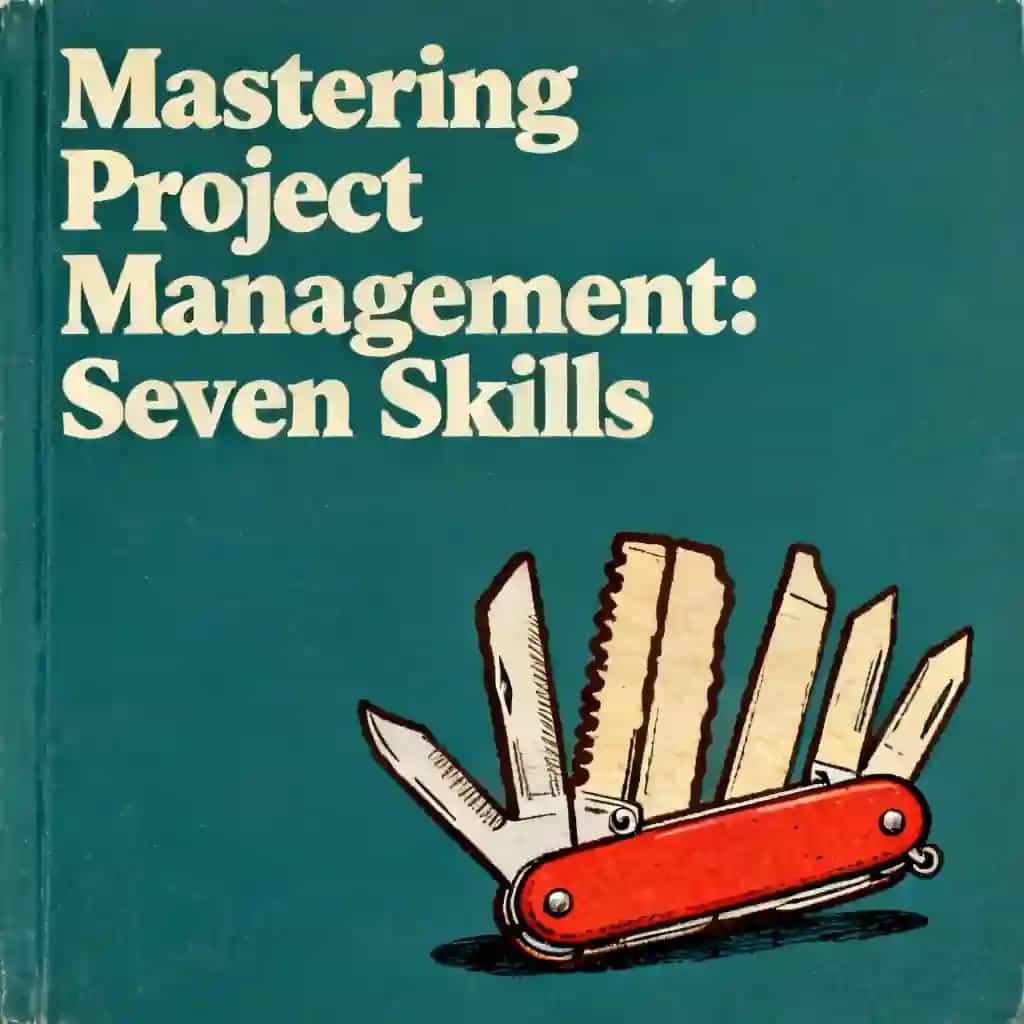
Seven out of every ten construction projects fail to meet their original promise, slipping quietly past their deadlines and stretching their budgets until the initial profit evaporates . It is a staggering statistic that suggests a fundamental disconnect in how we approach building. You might be tempted to blame the unpredictable weather or a perceived lack of effort on the ground, but the reality is rarely that simple. The failure usually happens long before the first shovel hits the dirt. It happens in the systems—or the lack of them—that guide a project from a mere concept to a finished structure. If you have ever felt the mounting pressure of a schedule that seems to be unraveling or a budget that feels like a leaking bucket, you are experiencing the result of a process that hasn't quite mastered the repeatable skills necessary for success. Project management in this field isn't a mysterious art reserved for those with decades of intuition—it is a set of practical, discrete skills that, when applied with discipline, can turn a chaotic site into a profitable reality . This matters to you because whether you are managing a small renovation or a massive civil works project, the principles remain the same: you are trying to deliver a scope of work without harm, on time, and under budget . To do that, you have to move beyond the "gut feel" and start looking at the mechanics of the build. We are going to explore how to bridge the gap between a plan and the reality of the site, starting with the very foundation of how you see a project before it even begins.