정말이지 아직 앱을 다 써 보지도 않았는데, 며칠 써 본 것만으로도 깊은 인상을 받았어요… BeFreed는 제가 써 본 어떤 학습 앱과도 차원이 달라요. 몰입감이 엄청나고 집중력도 실제로 좋아져서, 스마트폰을 하염없이 스크롤하는 분들께 딱이에요!
@ladyInfinity
Discover how to transition from parenting and careers to a thriving partnership. Learn to navigate the 'stranger in the house' phenomenon and rediscover your spouse as you enter your golden years together.

We plan for the money, but we don't plan for the person. We check the 401k, but we don't look across the breakfast table and ask, 'Who are you going to be when you don't have a boss to complain about?'
I want help receiving my marriage, but I’ve been married for over 30 years and have kids and I’m about to retire how our marriage dynamic change held to help




The transition to retirement is a systemic shock that moves a couple from "auto-pilot" to 24/7 face-to-face interaction. According to the script, nearly 43 percent of couples report unexpected strain during this first year because they have spent decades reacting to each other's "professional selves" rather than their true identities. When work distractions and roles like "Project Manager" or "Soccer Mom" disappear, couples must relearn how to interact with the "real" person sitting across the table, which can lead to a phenomenon known as finding a "stranger in the house."
"Underfoot syndrome" refers to the friction that occurs when a retired spouse—often the husband—invades the domestic "territory" that the other spouse has managed independently for years. This often manifests as "kitchen wars," where the retiree tries to apply professional management or optimization skills to household chores like loading the dishwasher. The script notes that while the retiree is often just trying to feel useful or competent after losing their work identity, the other spouse may perceive this as an intrusion into their private space and established rhythm.
Retirement is rarely a symmetrical experience for men and women. Men often face a significant hit to their "provider" identity and may rely almost exclusively on their wives for social connection once the office environment is gone. Conversely, women often find that their "unpaid work" increases during retirement as they take on more caregiving roles for grandkids or aging parents. This can lead to resentment if the wife feels her newfound freedom is being impinged upon by a husband who requires constant entertainment or "management."
The script suggests three primary steps: first, have a "Retirement Vision" conversation where both partners individually list their top five dreams and then look for overlaps. Second, "Redefine the Territory" by physically walking through the house to designate private spaces and renegotiate household chores to avoid micro-management. Third, "Schedule 'Being' Time," which involves intentional, non-functional connection such as a morning walk or a "15-second Awe" practice to regulate stress and build companionable rhythm.
The "principle of linked lives" suggests that a person’s life transitions are inextricably connected to the timelines of their family members. In retirement, this means a couple's plans are often influenced by the needs of adult children and grandchildren. While having adult children nearby can provide a protective buffer against some retirement stress, it can also create conflict if the children expect free childcare or if caregiving duties prevent the couple from pursuing their own shared travel or leisure goals.
컬럼비아 대학교 동문들이 제작 | 샌프란시스코에서 개발
평균 평점
앱 평가 7.84천 개 이상
BeFreed 커뮤니티
정말이지 아직 앱을 다 써 보지도 않았는데, 며칠 써 본 것만으로도 깊은 인상을 받았어요… BeFreed는 제가 써 본 어떤 학습 앱과도 차원이 달라요. 몰입감이 엄청나고 집중력도 실제로 좋아져서, 스마트폰을 하염없이 스크롤하는 분들께 딱이에요!
@ladyInfinity
정확히 23일 전에 BeFreed를 구입했는데, 그날부터 하루도 빠짐없이 쓰고 있어요. 제 일상 업무 흐름과 학습 습관에 완전히 자리 잡았어요.
@jayallen
솔직히 이 앱은 제 기대를 전부 뛰어넘었어요. 어떤 주제든 오디오로 만들어 달라고 할 수 있고, 결과물이 놀라워요. 제 전문 분야는 심리치료 쪽이고 여러 학문이 얽혀 있는데도 답변이 아주 정확해요.
@Raguipa
제일 고마운 건 스크롤하는 시간이 확 줄었다는 거예요. 검색하는 시간은 줄고 흡수하는 시간은 늘었어요. 오디오북 전권, 팟캐스트, 학습 플랜의 조합이 정말 훌륭해요.
@colonyofcreatorsNGO
저는 24년째 PhotoReading 속진 학습 강사로 일하고 있어요… 책과 독서, 배움이 제 전문인데, BeFreed는 정보를 소화하기 쉽게 전달하는 혁신적인 방식을 정말 잘 구현했어요.
@BeFreed user
단순한 책 요약 앱이 아니에요. '재미' 스타일을 써 봤는데, 전통적인 방식보다 훨씬 나은 요약이고 아이디어를 이해하기도 쉬워요. 이것만으로도 값어치를 해요.
@austinakon
이 앱이 정말 좋아요. 며칠 써 봤는데 듣는 걸 멈출 수가 없어요. 시작하기에 이보다 좋을 수 없어요.
@jcrules328
정말 마음에 들어요. 한 달 정도 써 봤는데 숨은 보석을 찾은 기분이에요. BeFreed로 제가 원하는 주제를 직접 만들 수 있어서 좋고, 목소리도 훌륭한 데다 내레이션 선택지가 무궁무진해요.
@DanielCZ
유용한 정보와 아이디어를 8~15분짜리 팟캐스트 스타일 오디오로 압축해서 들을 수 있다는 게 정말 좋아요. 원래 팟캐스트는 군더더기가 많아서 안 좋아했는데, 여기는 그걸 싹 걷어냈어요.
@BeFreed user
박사 과정을 마무리하는 중이라 낯선 자료를 많이 읽어야 해요… BeFreed에서는 프롬프트만 입력하면 앱이 자료를 찾아서 오디오 팟캐스트로 만들어 줘요. BeFreed의 과정이 NotebookLM보다 더 매끄럽게 느껴져요.
@Brad
아침을 준비하거나 산책하거나 출퇴근할 때 들을 것을 YouTube에서 자주 찾곤 했는데, BeFreed는 광고도 군더더기도 없이 훨씬 더 딱 맞는 걸 들려줘요!
@BeFreed user
이 플랫폼의 가장 큰 장점은 활용도예요. 다루지 못하는 주제가 말 그대로 하나도 없어요. 무엇을 던져도 다 소화해요… 제한이 전혀 없으면서 약속을 실제로 지키는 학습 도구는 정말 드물어요.
@jayallen
BeFreed는 환상적이에요. 디자인이 편해서 헤매는 시간은 줄고 배우는 시간은 늘었어요. 오디오북, 팟캐스트, 학습 플랜의 조합은 천재적이에요. 제 하루가 완전히 달라졌어요.
@BeFreed user
처음엔 이탈리아어로 팟캐스트를 만드는 방법을 이해하는 데 시간이 좀 걸렸는데, 알고 나니까 — 와! 정말 대단해요! 어떤 주제든 설명해 달라고 하면 정말 똑똑하게 잘 설명해 줘요!
@matteo77
BeFreed는 제가 매일 쓰는 오디오북 앱이 됐어요… 제일 마음에 드는 건 텍스트를 넣으면 이동 중에도 들을 수 있는 오디오로 만들어 준다는 점이에요.
@kotanzu1


After years together, couples often fall into a routine of logistical co-parenting or household management, losing their emotional spark. This plan is designed for long-term partners who want to move beyond surface-level talk and rediscover the deep intimacy of being truly understood.
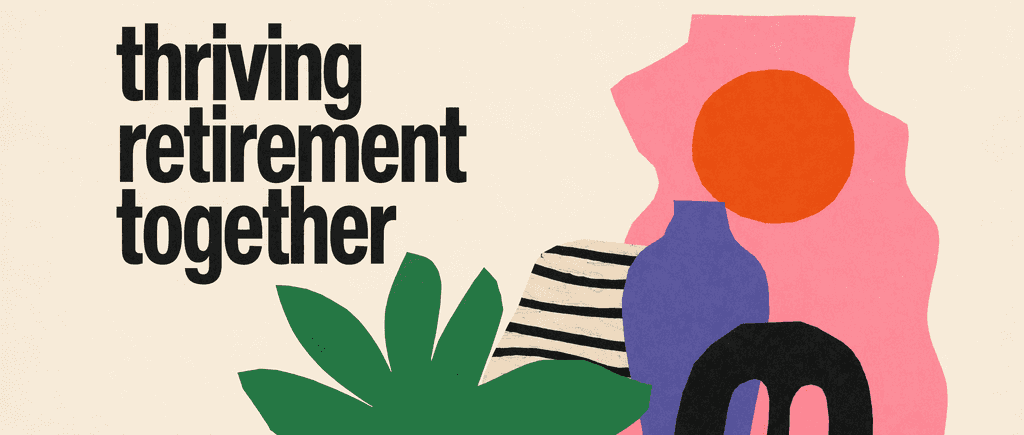
This learning plan addresses the critical transition into retirement by focusing on holistic well-being rather than just finances. It is ideal for soon-to-be retirees or those already in their golden years who want to replace boredom with creativity, connection, and a renewed sense of purpose.
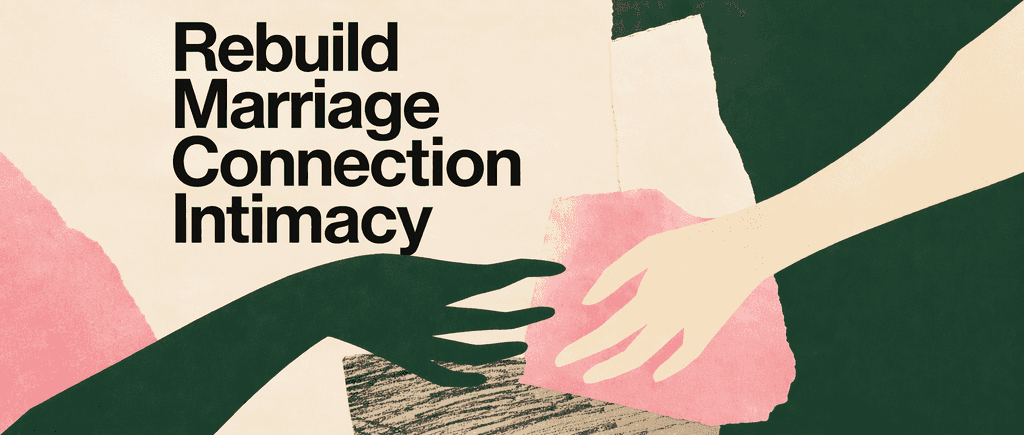
This plan is designed for couples seeking to move beyond surface-level interactions and rediscover their spark. It provides a science-backed framework for partners who want to replace repetitive conflict with genuine emotional security and lasting intimacy.

Modern relationships often struggle to transition from the honeymoon phase into a lasting bond. This plan is designed for individuals or couples seeking to move past surface-level attraction by mastering the practical skills of emotional connection and conflict repair.
This plan is essential for chronic over-functioners and 'fixers' who feel exhausted by carrying the emotional weight of their partnerships. It provides a practical roadmap for anyone stuck in unbalanced attachment loops who wants to transition from caretaking to true mutual intimacy.

This plan is essential for couples feeling disconnected or stuck in cycles of conflict. It offers a science-based roadmap for those ready to move past surface-level interactions toward a deeply secure and passionate partnership.

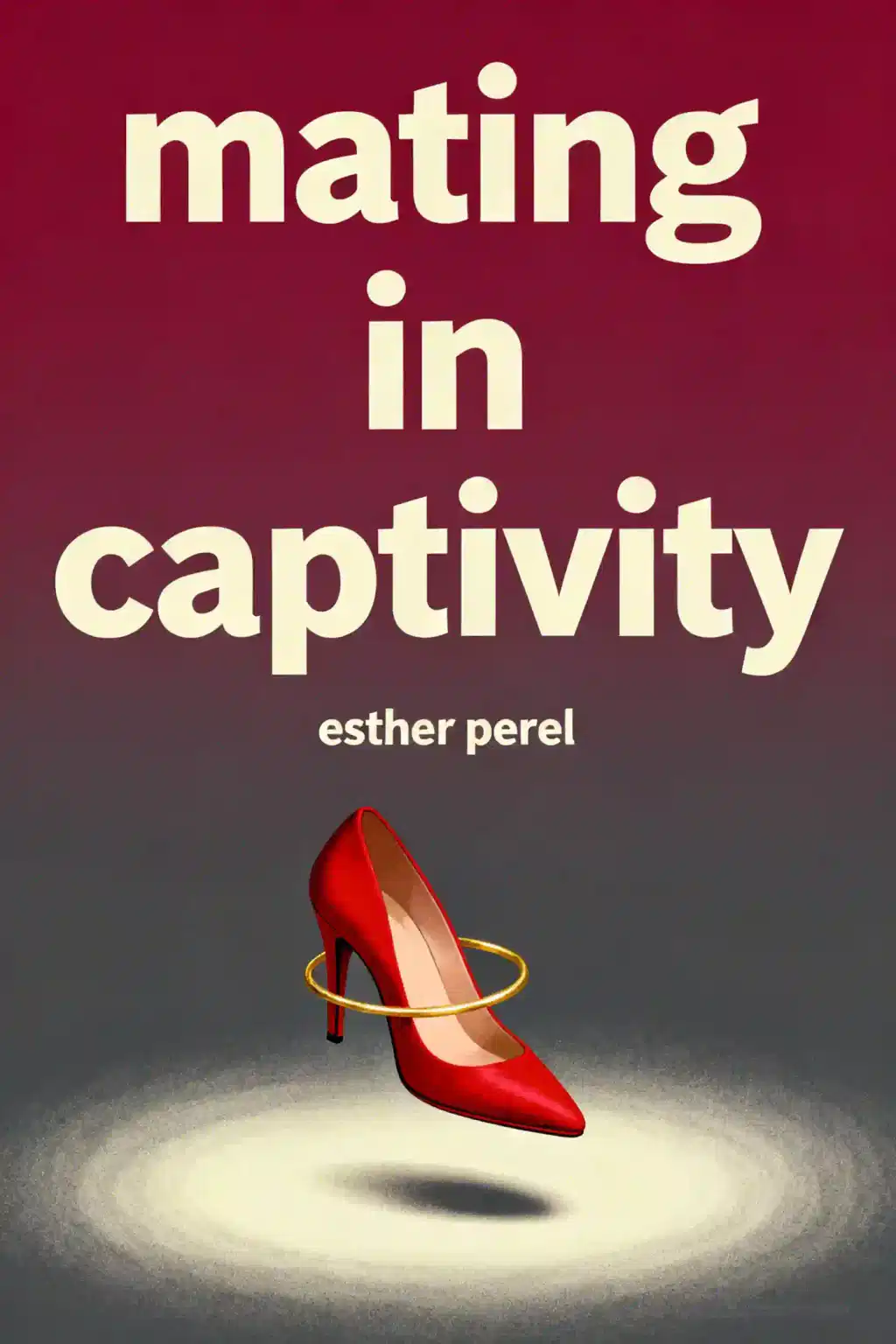
Long-term relationships naturally experience fluctuations in attraction and connection over time. This learning plan offers evidence-based strategies for couples seeking to revitalize their marriage, particularly beneficial for those in committed relationships of 10+ years who want to intentionally cultivate lasting desire and intimacy.

Retirement often presents a unique identity challenge for child-free individuals who lack traditional family-centric milestones. This plan is designed for those seeking to construct a deeply personal sense of meaning and legacy through unconventional paths of contribution and growth.