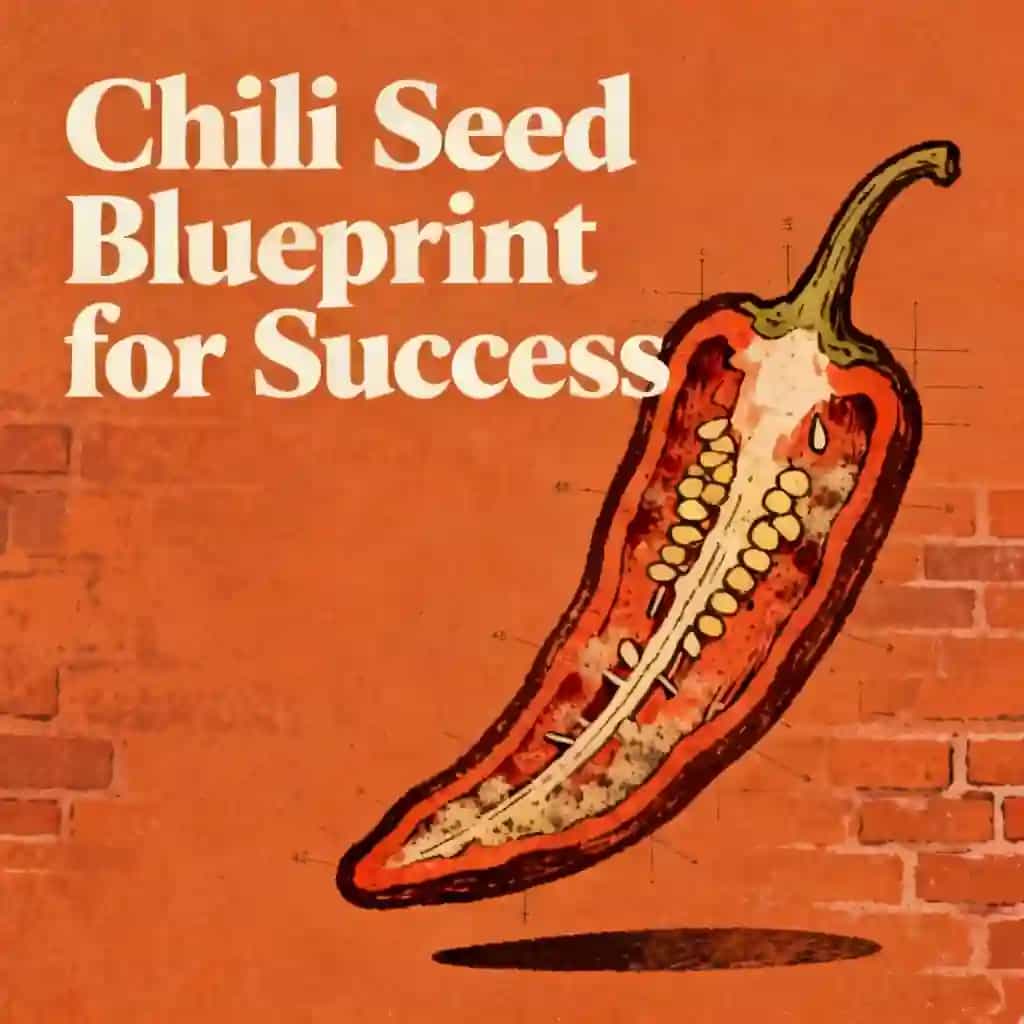
Chili fertilizer mistakes and when to start feeding
Too much fertilizer can kill young chili seedlings. Learn when to switch from plain water to nutrients like Chilli Focus for a better pepper harvest.
Chili fertilizer mistakes and when to start feeding 베스트 인용
The golden rule is 'less is more'—especially in the seedling phase. You want the plant to go looking for nutrients to build a wide, searching root system rather than being spoon-fed from day one.
Generated by Mark
I need to know about fertilizer for my chili plant seedlings. I need to know brands and diluted amounts to feed etc.

자주 묻는 질문
Seedlings come packed with their own internal nutrients to sustain initial growth, and most seed-starting mixes already contain the necessary minerals for the first burst of life. Their roots are incredibly delicate, like fine threads, and the high concentration of mineral salts found in fertilizers can shrivel or "scorch" them. Overfeeding at this stage can also cause osmotic stress, where salt in the soil actually pulls water away from the roots, leaving the plant thirsty even if the soil is wet.
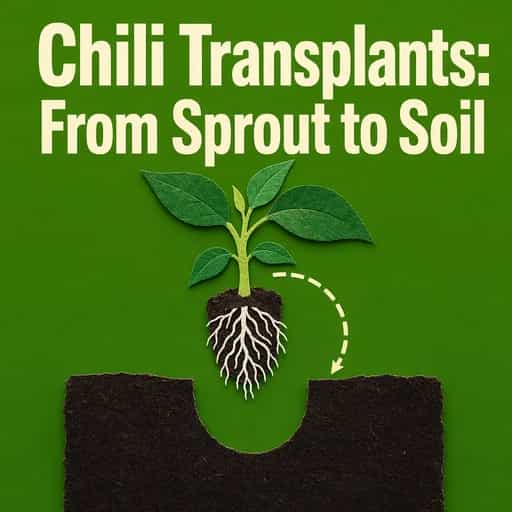
The Three-Week Rule suggests that every time you move a plant into a larger pot with fresh compost, you should wait three to four weeks before adding any liquid fertilizer. Most high-quality potting mixes are pre-loaded with enough nutrients to support the plant during this transition. Adding supplemental feed too early results in "doubling up" on nutrients, which can lead to lush but weak leaf growth, attract pests like aphids, and delay the production of actual fruit.
The NPK ratio stands for Nitrogen (N), Phosphorus (P), and Potassium (K), which can be remembered by the rhyme "Up, Down, and All Around." Nitrogen is for "Up" (foliage and stems), Phosphorus is for "Down" (roots and early flowers), and Potassium is for "All Around" (fruit quality and overall health). For chili success, you want a balanced feed during the vegetative stage, but once flower buds appear, you should switch to a high-potassium feed—where the "K" number is the highest—to encourage fruit production rather than just more leaves.
The Alternate Watering Method involves feeding the plant with diluted fertilizer during one watering session and using only plain, clear water the next time the plant needs moisture. This "palate cleanser" for the soil is vital because it flushes out excess mineral salts that build up from fertilizers. Without these plain water breaks, salt levels can become high enough to cause "nutrient lockout," a condition where the roots become unable to absorb water or nutrients effectively.
Plants use their leaves to send "status reports" regarding their health. If the bottom leaves turn a uniform pale yellow, the plant likely needs more Nitrogen. If new growth at the top turns yellow while the veins stay green, it often indicates an Iron deficiency caused by high soil pH. Yellowing between the veins on older leaves typically points to a Magnesium deficiency, which can be treated with a diluted Epsom salt foliar spray. If you are unsure of the cause, the safest first step is to "flush" the plant with plain, pH-balanced water for a week.
샌프란시스코에서 컬럼비아 대학교 동문들이 만들었습니다
"Instead of endless scrolling, I just hit play on BeFreed. It saves me so much time."


"I never knew where to start with nonfiction—BeFreed’s book lists turned into podcasts gave me a clear path."


"Perfect balance between learning and entertainment. Finished ‘Thinking, Fast and Slow’ on my commute this week."
"Crazy how much I learned while walking the dog. BeFreed = small habits → big gains."
"Reading used to feel like a chore. Now it’s just part of my lifestyle."

"Feels effortless compared to reading. I’ve finished 6 books this month already."
"BeFreed turned my guilty doomscrolling into something that feels productive and inspiring."

"BeFreed turned my commute into learning time. 20-min podcasts are perfect for finishing books I never had time for."
"BeFreed replaced my podcast queue. Imagine Spotify for books — that’s it. 🙌"

"It is great for me to learn something from the book without reading it."
"The themed book list podcasts help me connect ideas across authors—like a guided audio journey."
"Makes me feel smarter every time before going to work"
 Ask ChatGPT
 Ask Claude
샌프란시스코에서 컬럼비아 대학교 동문들이 만들었습니다
"Instead of endless scrolling, I just hit play on BeFreed. It saves me so much time."
"I never knew where to start with nonfiction—BeFreed’s book lists turned into podcasts gave me a clear path."
"Perfect balance between learning and entertainment. Finished ‘Thinking, Fast and Slow’ on my commute this week."
"Crazy how much I learned while walking the dog. BeFreed = small habits → big gains."
"Reading used to feel like a chore. Now it’s just part of my lifestyle."
"Feels effortless compared to reading. I’ve finished 6 books this month already."
"BeFreed turned my guilty doomscrolling into something that feels productive and inspiring."
"BeFreed turned my commute into learning time. 20-min podcasts are perfect for finishing books I never had time for."
"BeFreed replaced my podcast queue. Imagine Spotify for books — that’s it. 🙌"
"It is great for me to learn something from the book without reading it."
"The themed book list podcasts help me connect ideas across authors—like a guided audio journey."
"Makes me feel smarter every time before going to work"
"Instead of endless scrolling, I just hit play on BeFreed. It saves me so much time."
"I never knew where to start with nonfiction—BeFreed’s book lists turned into podcasts gave me a clear path."
"Perfect balance between learning and entertainment. Finished ‘Thinking, Fast and Slow’ on my commute this week."
"Crazy how much I learned while walking the dog. BeFreed = small habits → big gains."
"Reading used to feel like a chore. Now it’s just part of my lifestyle."
"Feels effortless compared to reading. I’ve finished 6 books this month already."
"BeFreed turned my guilty doomscrolling into something that feels productive and inspiring."
"BeFreed turned my commute into learning time. 20-min podcasts are perfect for finishing books I never had time for."
"BeFreed replaced my podcast queue. Imagine Spotify for books — that’s it. 🙌"
"It is great for me to learn something from the book without reading it."
"The themed book list podcasts help me connect ideas across authors—like a guided audio journey."
"Makes me feel smarter every time before going to work"
"Instead of endless scrolling, I just hit play on BeFreed. It saves me so much time."
"I never knew where to start with nonfiction—BeFreed’s book lists turned into podcasts gave me a clear path."
"Perfect balance between learning and entertainment. Finished ‘Thinking, Fast and Slow’ on my commute this week."
"Crazy how much I learned while walking the dog. BeFreed = small habits → big gains."
"Reading used to feel like a chore. Now it’s just part of my lifestyle."
"Feels effortless compared to reading. I’ve finished 6 books this month already."
"BeFreed turned my guilty doomscrolling into something that feels productive and inspiring."
"BeFreed turned my commute into learning time. 20-min podcasts are perfect for finishing books I never had time for."
"BeFreed replaced my podcast queue. Imagine Spotify for books — that’s it. 🙌"
"It is great for me to learn something from the book without reading it."
"The themed book list podcasts help me connect ideas across authors—like a guided audio journey."
"Makes me feel smarter every time before going to work"