BeFreed
    Categories>Psychology>Vanessa Van Edwards Captivate: Deep Lesson Map and Summary

    Vanessa Van Edwards Captivate: Deep Lesson Map and Summary

    29분
    |
    |
    2026년 4월 15일
    • Psychology
    • Communication
    • Self-Growth

    Master social skills with our deep lesson map of Vanessa Van Edwards' Captivate. Learn behavioral science secrets to improve your people skills and influence.

    Vanessa Van Edwards Captivate: Deep Lesson Map and Summary
    0:00 / 0:00
    전달 방식을 선택하세요

    하나의 에피소드, 다양한 청취 방식.

    Vanessa Van Edwards Captivate: Deep Lesson Map and Summary의 같은 아이디어를 나에게 맞는 목소리, 깊이, 속도로 만나보세요. 언제든 바꿀 수 있습니다.

    전체 대본 및 챕터

    챕터 1

    Hacking the Science of Social Success

    Lena: You know, I was just thinking about that feeling of walking into a networking event and immediately wanting to find the nearest dog to pet just so you don't have to talk to anyone.

    Miles: Oh, I’ve definitely been there. It’s that classic social anxiety where you feel like everyone else has a secret manual for human interaction that you somehow missed.

    Lena: Exactly! And that’s why Vanessa Van Edwards’ book Captivate is so fascinating. She calls herself a "recovering awkward person" who actually created a research lab to "hack" human behavior. She treats social skills like a science, with formulas and shortcuts.

    Miles: It’s a bold promise—the idea that you can "decode" people like you’re reading a programming language. But it also sets up a real tension: can we actually systemize charisma, or is human nature too unpredictable for a "lab manual" approach?

    Lena: That is the big question we’re tackling today. We’re going to map out her three-part framework of Sparking, Deepening, and Sustaining relationships, while also weighing her "hacking" methods against some pretty tough critiques.

    Miles: Here’s where it gets interesting, because we’re starting right at the beginning of any interaction: the "Spark." Let’s explore how she suggests we work a room using something she calls the "Sweet Spot."

    챕터 2

    Positioning for Presence and the Strategic Sweet Spot

    Lena: So, the "Sweet Spot." It sounds like something out of a tennis match, but Van Edwards is actually talking about physical geography—where you stand in a room dictates your entire social trajectory before you even open your mouth.

    Miles: It’s a literal map of human interaction. She argues that most of us sabotaging ourselves by standing in what she calls "trap zones." Think about it—where do people usually hover? The check-in table, the bathroom line, or right next to the buffet.

    Lena: Oh, the buffet is my safe haven. But I guess if your mouth is full of shrimp cocktail, you’re not exactly projecting "available for high-level networking."

    Miles: Exactly. And at the check-in table, people are stressed, they’re juggling bags, they’re looking for their name tags—they aren’t in a headspace to connect. Van Edwards suggests the "Sweet Spot" is actually right where people exit the bar. Not at the bar, because that’s another trap zone where people are focused on their order, but just after they’ve got their drink in hand.

    Lena: That makes total sense. They’ve just accomplished a "mission"—getting the drink—and now they’re looking around the room thinking, "Okay, who do I talk to?" You’re basically a social lifesaver at that point.

    Miles: You’re rescuing them from that awkward "standing alone with a drink" moment. But here’s the tension: while Van Edwards presents this as a tactical win, some critics, like those who lean toward Malcolm Gladwell’s perspective in Talking to Strangers, might argue that this kind of "location hacking" can feel a bit... well, mercenary. Is it authentic connection if you’re strategically positioning yourself like a chess piece?

    Lena: That’s a fair point. If I’m standing there like a predator waiting for a thirsty gazelle to leave the watering hole, does that vibe rub off? Van Edwards would say no, because your intention is to provide a warm welcome. She links this to the idea of "starting energy." If you’re in a "thrive" location—a place where you feel comfortable and active—that positivity is contagious.

    Miles: And that "starting energy" isn't just a vibe—it's measurable. She cites research showing that emotions can transfer between people in as little as 500 milliseconds. If you’re tucked away in a corner—a "survive" zone—you’re likely radiating social exhaustion. But in the Sweet Spot, you’re primed for engagement.

    Lena: It’s interesting how she uses the story of Harry S. Truman to illustrate this. Back in 1944, when he was up for the vice presidential nomination, he wasn’t a great public speaker. He didn’t try to win the room from the stage. Instead, he stayed in a private room and networked one-on-one. He played to his social strengths.

    Miles: He identified his "thrive" zone. For him, it was the small, intimate setting, not the massive convention floor. That’s a huge takeaway: social success starts with self-awareness of where you actually function best. If you hate loud nightclubs, trying to be charismatic there is like trying to swim upstream in a suit of armor. You’re better off going to a seminar or a long lunch where you can actually hear yourself think.

    Lena: So, the practical lens here is: before you even worry about your "elevator pitch," look at the room. Avoid the bottlenecks and the food lines. Find the "exit flow" from the bar or the entrance where people have just arrived and are seeking a friendly face. It’s about making the environment work for you rather than fighting against it.

    Miles: But keep that Gladwell counterpoint in the back of your mind—the geography is just the stage. If the performance that follows feels like a "hack" rather than a human moment, the Sweet Spot won’t save you. You’ve got to match that prime location with what she calls the "Triple Threat" of non-verbal signals.

    이 에피소드로 더 깊이 배우기

    이 에피소드의 아이디어를 BeFreed의 가이드 학습 경험으로 더 깊이 탐구해 보세요.

    챕터 3

    The Triple Threat of Non-Verbal Trust

    Lena: Okay, so we’ve found our spot by the bar exit. We’re standing there, drink-less but ready. Now, someone approaches. Before a single word is exchanged, Van Edwards says we’re being judged on three specific non-verbal levels: hands, posture, and eye contact.

    Miles: And the order matters. This is where her "human behavior hacker" side really comes out. She points out that from an evolutionary standpoint, the first thing our ancestors looked at wasn’t the eyes—it was the hands. Are they carrying a rock? A spear? A weapon?

    Lena: It’s so wild to think our brains are still running that survival software. Even in a sleek glass office in 2026, we’re subconsciously checking if the person in the suit is packing heat.

    Miles: We totally are! She mentions that when we can’t see someone’s hands—if they’re in pockets or behind the back—our anxiety spikes. In her lab’s research on TED Talks, they found a direct correlation between view counts and hand gestures. The most popular speakers used nearly double the hand gestures of the least popular ones.

    Lena: I saw that! It’s like the hands provide a visual "transcript" of the words. It makes the speaker seem more trustworthy because they’re literally "showing their cards." But I have to admit, Miles, sometimes I feel like a bit of a dummy just letting my arms hang at my sides. I usually end up doing the "thumb-hooked-in-pocket" move. Does that count?

    Miles: It’s better than hiding them completely, but the "Launch Stance"—shoulders back, chin up, hands visible and relaxed—is the gold standard. It signals competence. But here’s the rub: Van Edwards also talks about the "Duchenne smile"—that genuine smile that reaches the eyes. She says only about one in ten people can fake it.

    Lena: Which brings us back to that tension between hacking and authenticity. If I’m trying to do a Duchenne smile because a book told me to, is it still a Duchenne smile? Or am I just... squinting weirdly at a stranger?

    Miles: That’s the danger of the "lab manual" approach. If you’re hyper-focused on the mechanics—"Okay, 60 percent eye contact, palms visible, shoulders back"—you might end up looking like a "body language Frankenstein." Lena, you mentioned eye contact. Van Edwards recommends 60 to 70 percent. Too little and you seem shifty; 100 percent and you’re suddenly a "territorial predator."

    Lena: It’s a very fine line between "I’m interested in you" and "I’m staring into your soul until you give me your social security number."

    Miles: Exactly. And this is where the research gets debated. Van Edwards leans heavily on the idea that these signals are universal and can be "decoded" accurately. But then you have the Malcolm Gladwell argument from Talking to Strangers, which says people are often "mismatched." Someone might be incredibly trustworthy but have shifty eyes or closed-off posture because they’re shy or from a culture that prizes modesty.

    Lena: Right, if you rely too much on the "hack," you might misread a perfectly great person just because they don’t fit the "charisma template."

    Miles: So the practical decision lens here is: use the Triple Threat to send better signals, but be very cautious about using it to judge others. Keep your hands visible to put others at ease—it’s a simple way to lower their "friend or foe" alarm. Use a "Launch Stance" to boost your own internal confidence. But don't assume that because someone else has their hands in their pockets, they’re hiding a metaphorical spear. They might just have cold hands.

    Lena: Use the hacks to be a better "broadcaster," but don't think you’re a perfect "receiver" yet.

    챕터 4

    Breaking the Script with Conversational Sparks

    Miles: So we’ve nailed the Sweet Spot and the Triple Threat. The interaction is happening. Now comes the moment most of us dread: the small talk. "So... what do you do?" "How about this weather?" Van Edwards calls these "social scripts," and she wants us to set them on fire.

    Lena: Thank goodness. I think I’ve answered "What do you do?" about five thousand times, and I’m pretty sure my brain actually powers down whenever I hear it.

    Miles: It’s the "autopilot" response. When you ask a boring question, you get a boring, scripted answer. Van Edwards argues that to be captivating, you need to provide a "dopamine hit." Novelty activates the brain's reward centers. So instead of "What do you do?", she suggests questions like, "Working on anything exciting recently?" or "What was the highlight of your day?"

    Lena: I love the "highlight" one. It forces the other person to actually scan their memory for something positive. It’s a "script-breaker." But I wonder, Miles—does this ever backfire? If I’m at a very serious corporate event and I ask a stoic CEO about the "highlight of their morning," do they think I’m fascinating or just... unprofessional?

    Miles: That’s the risk. The "Spark" requires calibration. Van Edwards would argue that even a stoic CEO wants to feel excited about their work. By asking "Working on anything exciting?", you’re giving them permission to move away from the dry facts and talk about their passion.

    Lena: It’s about finding the "Hot Buttons"—those topics that make someone’s eyes light up or their gestures become more expansive. She calls this being a "Highlighter." You’re looking for the best in people and bringing it to the surface.

    Miles: This links back to the "Pygmalion Effect" she mentions—the idea that high expectations lead to high performance. If you treat someone like they’re the most interesting person in the room, they often become more engaging. It’s a self-fulfilling prophecy.

    Lena: I actually tried this after reading about her "Vow of Silence." She spent a whole week attending events but only listening—no talking. She found she made better connections because people felt so heard. It turns out, self-disclosure activates the same reward circuitry in the brain as food or money.

    Miles: So by asking "Sparking" questions, you’re basically handing out free hits of dopamine. But here’s the tension: Thread Theory. She says we should always be looking for commonalities—the "People, Context, Interests" threads. If I find out we both love 90s alternative rock, I pull that thread.

    Lena: But what if I’m "hacking" for threads? If I’m digging through your LinkedIn beforehand to find a shared hobby just so I can "pull the thread," does that cross into manipulation?

    Miles: That’s where the "social science" gets a bit murky. One of the critiques of Captivate is that it can make human connection feel like a game of "speed-reading" and "decoding." If I’m only talking to you to find a "thread" I can use, am I actually seeing you?

    Lena: Gladwell would say probably not. He’d warn that we’re actually quite bad at "reading minds," and when we think we’ve "decoded" someone, we’re often just projecting our own biases.

    Miles: So, the middle ground? Use "Spark" questions to get people off autopilot, but let the "threads" emerge naturally. Instead of hunting for commonalities like a detective, be a "Highlighter" who is genuinely curious about what makes the other person tick. The goal isn't just to be "interesting"—it’s to be interested.

    Lena: I think that’s a great distinction. The "hack" is the question; the "heart" is the listening. If you ask a script-breaker but then start checking your watch while they answer, the Spark just dies.

    이 에피소드로 더 깊이 배우기

    이 에피소드의 아이디어를 BeFreed의 가이드 학습 경험으로 더 깊이 탐구해 보세요.

    챕터 5

    Decoding the Matrix of Personality

    Miles: Now we’re moving from the first five minutes to the first five hours. This is where Van Edwards introduces "The Matrix"—a framework for understanding people on a deeper level. And it’s built on the "Big Five" personality traits, which psychologists use the acronym OCEAN for.

    Lena: Openness, Conscientiousness, Extroversion, Agreeableness, and Neuroticism. It’s like the "periodic table" of personality. Van Edwards argues that instead of treating everyone the same, we should "speed-read" their dominant traits and adjust our communication style.

    Miles: It’s "translation," not manipulation—or so she says. For example, if you’re pitching a bold, risky idea, you don’t pitch it the same way to someone high in Neuroticism—who craves safety and predictability—as you would to someone high in Openness, who loves novelty.

    Lena: Okay, so if I’m talking to a "high-conscientiousness" person—someone who loves lists and order—I shouldn't just wing it. I should probably have a clear agenda, right?

    Miles: Exactly. You ask them "Do you have any big projects coming up?" rather than "Do you have any big vacations coming up?" (which is an "Openness" question). It sounds smart, but here’s the problem: how good are we really at speed-reading these traits?

    Lena: That’s the "Chapter Six" problem mentioned in the reviews. Van Edwards relies heavily on Paul Ekman’s work on micro-expressions—those tiny, uncontrollable facial flickers that supposedly reveal our true feelings. She says we can "decode" anger, contempt, happiness, fear, surprise, disgust, and sadness in a fraction of a second.

    Miles: But that research is under massive fire. Many modern scientists argue that micro-expressions haven't performed well in validation studies. The idea that there’s a "universal" facial language that bypasses culture and individual mismatch is, at best, controversial.

    Lena: And if the "Decoder" is broken, the whole "Matrix" starts to look a bit shaky. If I think I see a "micro-expression" of contempt, but it’s actually just a person’s resting face or a cultural difference in how they express disagreement, I’ve just sabotaged a relationship based on "science" that might be "snake oil."

    Miles: This is the central tension of the book. Van Edwards wants to give us "social superpowers," but human nature might be too "mismatched" for a simple decoder ring. Malcolm Gladwell’s Talking to Strangers points out that some people are "liars who look like truth-tellers" and some are "truth-tellers who look like liars."

    Lena: So if I’m using the Matrix to "hack" your mind, I might just be hallucinating patterns that aren't there.

    Miles: Right. But—and this is a big "but"—the categories themselves are still useful. Even if I can’t "speed-read" you perfectly in ten seconds, understanding that people have different "primary values"—love, service, status, money, goods, information—helps me realize why we might be clashing.

    Lena: Like the safari guest story! Boyd Varty, the safari leader, had a guest who was furious after a scary elephant encounter. Instead of arguing about safety, he realized the guest’s primary value was status. He reframed the encounter as a "feat of bravery," and suddenly the guest was thrilled. He "translated" the experience into the guest’s value system.

    Miles: That’s the practical takeaway: don't assume your "value" is their "value." If you value information and your boss values status, giving them a 50-page technical report might actually annoy them. They want the executive summary they can present to the board.

    Lena: So, the Matrix is less about being a "mind reader" and more about being a "style shifter." Be aware of the Big Five, but stay humble about your ability to "decode" them on the fly. Use it as a set of hypotheses to test, not a definitive verdict.

    챕터 6

    The Appreciation Matrix and the Language of Value

    Miles: Building on that "Matrix" idea, Van Edwards adapts Gary Chapman’s "Five Love Languages" for the workplace. She calls it the "Appreciation Matrix." The idea is that we all have a preferred "currency" for feeling valued: Words of Affirmation, Gifts, Physical Touch (though she warns to be careful with that one at work!), Acts of Service, and Quality Time.

    Lena: This hits home for me because I’m a "Words of Affirmation" person. If someone does a huge "Act of Service" for me but never says "good job," I still feel a little unappreciated. It’s like they’re speaking French and I’m speaking Japanese.

    Miles: Exactly. And she tells this great story about her father. For years, she gave him these elaborate, thoughtful gifts for his birthday. But he always seemed kind of "meh" about them. It wasn't until she realized his language was Quality Time—that he just wanted her to sit and watch football with him—that they finally clicked.

    Lena: It’s such a simple shift, but it’s profound. We tend to give the thing we most want to receive. If I value "Gifts," I’ll probably be the one bringing donuts to the office, but my coworkers might actually just want "Words of Affirmation" during the meeting.

    Miles: And when we don't get our preferred "currency," we feel resentment. Van Edwards ties this back to Dr. Uriel Foa’s "Resource Theory"—the idea that there are six basic resources we exchange: Love, Service, Status, Money, Goods, and Information. If I’m working 80 hours a week because I want Status (a promotion), but my boss keeps giving me Information (more training), I’m going to burn out.

    Lena: "I don't want another certification, I want 'Senior' in my title!"

    Miles: Precisely. But here’s the tension: is it our job to "decode" everyone’s value system, or is it their job to tell us? Van Edwards argues we should be "detectives," asking questions like "What’s the nicest thing anyone has ever done for you?" to figure out their appreciation language.

    Lena: But some critics would say that’s a lot of emotional labor to put on yourself. And again, what if you guess wrong? If I think you want "Gifts" and I start leaving stickers on your desk (which is one of her tips!), but you actually find that patronizing, I’ve just created a "social friction" point.

    Miles: (Laughs) Stickers instead of thank-you notes... yeah, that one might be a bit "mile-high overview" advice. It might work in a startup in Portland, but maybe not in a high-stakes law firm in New York.

    Lena: Calibration is everything. But the core insight is solid: "Treating everyone the same is a recipe for social failure."

    Miles: So the practical lens: stop giving what you want. Start watching how others give. If your colleague is always the one offering to help with your spreadsheets, their language is probably "Acts of Service." If your boss is always asking for "five minutes of your time" just to chat, they probably value "Quality Time."

    Lena: And don't be afraid to state your own! Van Edwards says since nobody can read your mind, you have to help them understand how to appreciate you. Tell your boss, "I really value direct feedback on my projects," or "I love having these one-on-one check-ins." It takes the guesswork out of the system.

    이 에피소드로 더 깊이 배우기

    이 에피소드의 아이디어를 BeFreed의 가이드 학습 경험으로 더 깊이 탐구해 보세요.

    챕터 7

    The Story Stack and the Power of Vulnerability

    Miles: We’ve sparked the connection, we’ve mapped their personality, now we have to deepen it. And Van Edwards says the most powerful tool for this is the "Story Stack." This is based on "neural coupling"—the idea that when you tell a story, the listener’s brain waves actually start to mimic your own.

    Lena: It’s like a biological "sync." But she’s not talking about just telling random anecdotes. She has a formula: Trigger Topic, Sparking Story, and then the "Boomerang."

    Miles: The Boomerang is key. You don't just tell a story and leave it hanging; you throw the conversation back to them. For example, if the "Trigger Topic" is travel, you tell a quick story about your disastrous trip to Italy, and then you "boomerang" it: "What’s the one holiday you’ll never forget?"

    Lena: It’s a great way to keep the dopamine flowing. But here’s where she gets into "The Franklin Effect"—this idea that asking for a small favor actually makes the other person like you more.

    Miles: Named after Benjamin Franklin, who famously asked a rival to lend him a rare book. The rival did it, and because of "cognitive dissonance," the rival’s brain had to justify the favor by thinking, "Well, I must like this Franklin guy if I’m lending him my precious book."

    Lena: It’s so counter-intuitive! We usually think we make people like us by doing them favors. But Van Edwards says being "perfect" is actually a charisma killer. She calls it the "Pratfall Effect"—competent people who make mistakes or show vulnerability are rated as more likable.

    Miles: Because "perfect" is intimidating. Vulnerability humanizes us. It creates an "emotional buy-in." She suggests asking for advice as a way to build connection. It admits a gap in your knowledge, which shows you trust the other person’s expertise.

    Lena: But—and there’s always a "but" in this book—there’s a "right" kind of vulnerability. Van Edwards warns against being a "people pleaser." You shouldn't be vulnerable just to get someone to like you; it has to be authentic.

    Miles: And here’s the Gladwellian warning again: vulnerability can be misinterpreted. If you’re a leader and you’re "vulnerable" about not knowing the quarterly numbers, your team might not find you "likable"—they might just find you incompetent.

    Lena: Right! Van Edwards defines competence as "knowing what you know AND knowing what you don't know." It’s about owning the gap, not just being a mess.

    Miles: So the Story Stack isn't just a pile of "hacks." It’s about sharing pieces of your real self—the struggles, the sensory details, the "hooks"—to create that neural coupling. And then using the "Boomerang" to make sure the spotlight stays on the connection, not just on you.

    Lena: I think that’s the most important part. A "Story Stacker" who never boomerangs is just a person who talks about themselves too much. The goal of the story is to provide a bridge, not a stage.

    챕터 8

    Dealing with Difficult People and the NUT Job

    Miles: Of course, not every interaction is a "Sweet Spot" success. Sometimes you encounter people who are just... difficult. Van Edwards calls this the "NUT Job." It’s an acronym for a three-step system for handling high-conflict situations: Name, Understand, Transform.

    Lena: (Laughs) The "NUT Job." It sounds like something you’d call the person, not the technique. But it’s actually based on neuroscientist Joseph LeDoux’s research on the "fear response." When someone is "acting out," they’re usually in a "fast survival" mode where their logical brain has checked out.

    Miles: They’re "hijacked" by their amygdala. The "NUT" system is designed to bring them back to the prefrontal cortex. Step one: Name the emotion. "I can see that you’re feeling frustrated by this delay." Research shows that simply labeling an emotion can lower the brain's "alarm" levels.

    Lena: It’s like you’re saying, "I see you, and you don't have to shout to be heard." Step two is Understand—you look for the deeper fear driving the behavior. Maybe they’re not just mad about the delay; maybe they’re afraid of looking bad to their boss.

    Miles: You’re hunting for the "Primary Value" that’s being threatened. If their value is Status, and this delay threatens it, that’s why they’re exploding. Once you've named and understood, you move to step three: Transform. You work together on a solution once the emotional "fire" is out.

    Lena: But Miles, this feels like it requires a massive amount of patience. If someone is screaming at me, my "survival brain" wants to scream back, not "name their emotion."

    Miles: Exactly. And that’s the limit of the "hack." Van Edwards presents this as a neat three-step process, but in the heat of a real-world "NUT Job," it’s incredibly difficult to execute. And some critics would say that "Naming" an emotion can sometimes feel condescending. If I say "You seem angry," and you are angry, you might just snap back, "Of course I’m angry! Don't tell me how I feel!"

    Lena: It’s that "mind-reading" danger again. Gladwell would say we often misread the "why" behind someone’s behavior. We might think they’re "frustrated" when they’re actually "grieving" or "exhausted."

    Miles: So the practical decision lens here is: use the "NUT" system as a way to de-escalate yourself first. By trying to "Name" and "Understand," you’re forcing your own logical brain to stay engaged. It keeps you from getting hijacked along with them.

    Lena: And if they don't respond? Van Edwards says "You don't have to defend, debate, or explain your feelings. Not everyone can be helped." She’s very clear: don't be a people pleaser. If the "NUT" system doesn't work, it’s okay to walk away.

    Miles: "Attunement"—the final hack—is about making people feel wanted and known. But you can't be attuned to someone who refuses to be in "alliance" with you. The goal is to be "captivating," not a "doormat."

    이 에피소드로 더 깊이 배우기

    이 에피소드의 아이디어를 BeFreed의 가이드 학습 경험으로 더 깊이 탐구해 보세요.

    챕터 9

    The Practical Playbook for the Charismatic Professional

    Lena: Okay, we’ve covered a lot of ground—from the "Sweet Spot" to the "Matrix" to the "NUT Job." If we’re putting this into a "Practical Playbook" for our listeners, what are the high-impact takeaways that actually survive the "Gladwell Counterpoint"?

    Miles: I think the first one is "Chemistry Management." Before you walk into a room, check your own "starting energy." Van Edwards mentions that "fear sweat" is literally contagious—people can "smell" your anxiety and it triggers their fear centers. Her "hack"? Laughter.

    Lena: Laughter! I love that. She suggests watching a "laughter playlist" or calling a funny friend before a big event. It releases endorphins and fundamentally changes your neurochemistry. You show up as a "winner" because you actually feel like one.

    Miles: Second: "The 10-Second Reclaim." Your first impression happens the moment you’re seen, not when you speak. Keep your hands visible—it’s the quickest way to establish safety. Maximize the space between your shoulders and your ears to signal "winner" body language. And ditch the phone! Every time you check your phone while waiting, you’re dropping into "loser" posture.

    Lena: Third: "Script-Breaking Questions." Stop asking "What do you do?" Go on a "small talk diet." Ask about "passion projects" or "highlights." But—and this is the synthesize part—use these to invite connection, not to "hack" information. Be a "Highlighter" who is genuinely looking for the best in the other person.

    Miles: Fourth: "The Appreciation Shift." Stop giving the appreciation you want. Start looking for the "currency" the other person uses. If they’re high in "Conscientiousness," give them "Acts of Service" (like a well-organized report). If they’re high in "Extroversion," give them "Quality Time" or "Words of Affirmation."

    Lena: And finally: "Vulnerability as a Bridge." Don't try to be perfect. Use the "Franklin Effect"—ask for advice, admit what you don't know, and share "Sparking Stories" that have a "hook" and a "struggle." But remember the "NUT" system for when things go sideways: Name, Understand, Transform.

    Miles: But the most important rule in the playbook? "Pick ONE cue." Don't try to be a "body language Frankenstein" by doing all 96 cues at once. You’ll just look like a glitching robot. Pick one thing—maybe it’s visible hands, or maybe it’s the "Boomerang" question—and practice it for a week until it feels authentic.
    Lena: I think that’s the key to the whole book. Van Edwards provides a "lab manual," but you have to be the "scientist" in your own life. You have to experiment, see what works in your culture and your industry, and discard what feels fake.

    Miles: Charisma is a learned skill, but it only works if it’s "Translation," not "Manipulation." As Dan Ariely says, "Each person bears full responsibility for making interactions captivating."

    Lena: It’s about taking ownership of the "loop." If you show up with warmth and competence, you invite others to do the same.

    챕터 10

    Final Reflections on the Science of People

    Miles: As we bring this to a close, I’m struck by that final quote from Van Edwards: "There is one desire we all share: we all want to feel valued."

    Lena: It really strips away all the "hacking" and the "decoding" and gets to the heart of it. Whether you’re using "Thread Theory" or the "Appreciation Matrix," the goal is the same: to make the person across from you feel "wanted and known."

    Miles: And even if we take the "Decoding" midsection with that heavy pinch of salt—recognizing that micro-expressions might be shaky and people are often "mismatched"—the effort to understand others is what makes us personable. Curiosity is the cure-all for social anxiety.

    Lena: When you’re curious about someone else’s "Matrix" or their "Primary Value," you stop obsessing over your own "hives" or your own "awkwardness." You shift the focus from "self" to "other." And that, in itself, is captivating.

    Miles: It’s a powerful reframe. Social success isn't about being the most impressive person in the room; it’s about being the person who makes everyone else feel like they are impressive.

    Lena: So to everyone listening, I hope you take away at least one "hack" to experiment with this week. Maybe it’s finding the "Sweet Spot" at your next meeting, or maybe it’s just making sure your hands are visible during that Zoom call.

    Miles: But more importantly, I hope you take away the permission to be "recovering." We’re all learning the "secret manual" together. Confidence isn't the absence of awkwardness—it’s acknowledging the awkwardness and showing up anyway.

    Lena: Exactly. Take that "Launch Stance," watch a funny video, and go make someone feel valued today. Thank you so much for joining us and diving deep into the science of succeeding with people.

    Miles: It’s been a pleasure. Reflect on which "cue" felt most natural to you today, and see how it changes your next conversation. Take care.

    ★★★★★

    Vanessa Van Edwards Captivate: Deep Lesson Map and Summary의 끝까지 도달했어요

    “23일째 매일 사용하고 있어요. 이제 제 일상의 한 부분이 되었습니다.”

    jayallen

    Vanessa Van Edwards Captivate: Deep Lesson Map and Summary 베스트 인용

    “

    Social success isn't about being the most impressive person in the room; it’s about being the person who makes everyone else feel like they are impressive.

    ”
    U

    Generated by unschooledLeader

    질문 입력

    Create a deep lesson map and teach me about the Vanessa VanEdwards Captive book

    호스트 음성
    Lenaplay
    Milesplay
    지식 출처
    Captivate
    Charisma Myth
    The Likeability Factor
    Communication Skills Training
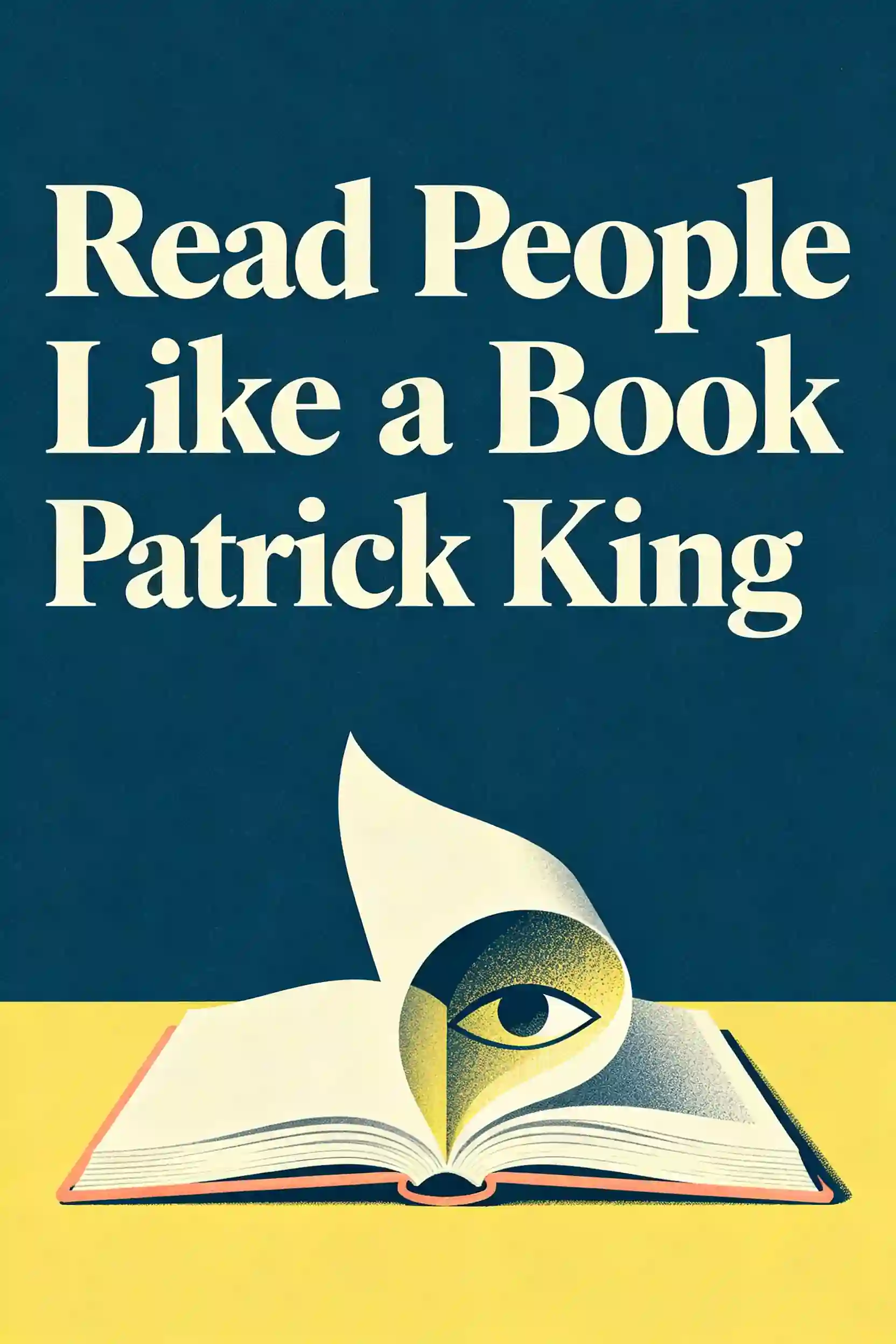
    Read People Like a Book
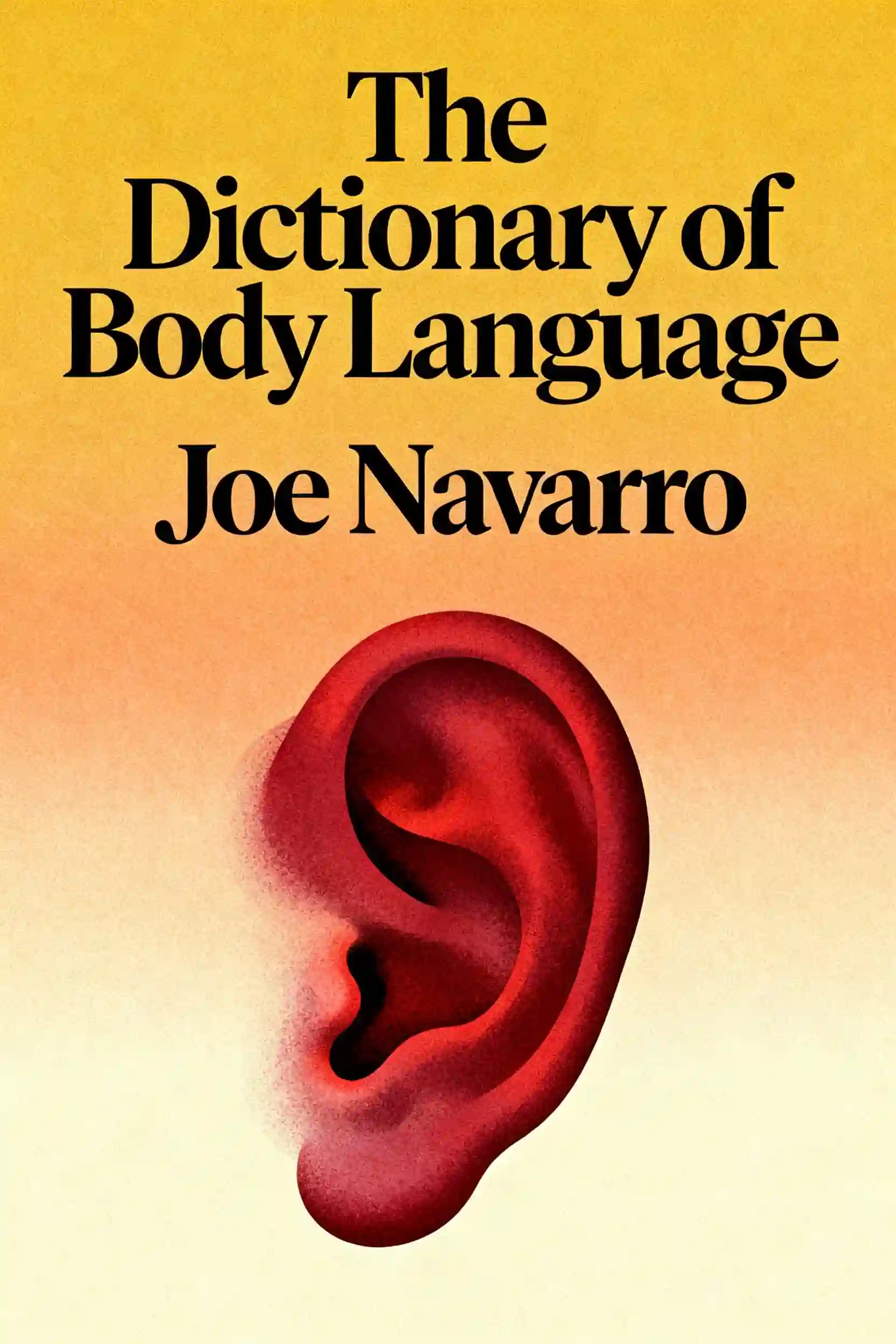
    Dictionary of Body Language

    자주 묻는 질문

    The Captivate book by Vanessa Van Edwards focuses on the behavioral science behind human interaction and social skills. It provides readers with a systematic approach to mastering people skills by understanding the hidden forces that drive human behavior. Through this lesson map, you can learn how to navigate social situations with confidence, build rapport quickly, and influence others effectively using science-backed strategies.

    A Captivate lesson map breaks down the complex behavioral science concepts found in the book into actionable steps. By visualizing the core principles of Vanessa Van Edwards' work, you can better retain information regarding body language, conversation starters, and personality types. This structured summary helps you apply these people skills in real-world scenarios, ensuring you make a lasting positive impression in both professional and personal environments.

    A comprehensive summary of Captivate highlights essential techniques such as the 'Triple Threat' for making great first impressions and the 'decoder' method for reading microexpressions. Vanessa Van Edwards emphasizes that social success is a skill that can be learned through behavioral science rather than just an innate talent. This lesson map covers these frameworks, providing a clear path to becoming more charismatic and influential in any social setting.

    컬럼비아 대학교 동문들이 제작 | 샌프란시스코에서 개발

    BeFreed는 호기심 넘치는 글로벌 커뮤니티를 하나로 연결합니다

    4.7

    평균 평점

    앱 평가 7.84천 개 이상

    BeFreed 커뮤니티

    정말이지 아직 앱을 다 써 보지도 않았는데, 며칠 써 본 것만으로도 깊은 인상을 받았어요… BeFreed는 제가 써 본 어떤 학습 앱과도 차원이 달라요. 몰입감이 엄청나고 집중력도 실제로 좋아져서, 스마트폰을 하염없이 스크롤하는 분들께 딱이에요!

    @ladyInfinity

    정확히 23일 전에 BeFreed를 구입했는데, 그날부터 하루도 빠짐없이 쓰고 있어요. 제 일상 업무 흐름과 학습 습관에 완전히 자리 잡았어요.

    @jayallen

    솔직히 이 앱은 제 기대를 전부 뛰어넘었어요. 어떤 주제든 오디오로 만들어 달라고 할 수 있고, 결과물이 놀라워요. 제 전문 분야는 심리치료 쪽이고 여러 학문이 얽혀 있는데도 답변이 아주 정확해요.

    @Raguipa

    제일 고마운 건 스크롤하는 시간이 확 줄었다는 거예요. 검색하는 시간은 줄고 흡수하는 시간은 늘었어요. 오디오북 전권, 팟캐스트, 학습 플랜의 조합이 정말 훌륭해요.

    @colonyofcreatorsNGO

    저는 24년째 PhotoReading 속진 학습 강사로 일하고 있어요… 책과 독서, 배움이 제 전문인데, BeFreed는 정보를 소화하기 쉽게 전달하는 혁신적인 방식을 정말 잘 구현했어요.

    @BeFreed user

    단순한 책 요약 앱이 아니에요. '재미' 스타일을 써 봤는데, 전통적인 방식보다 훨씬 나은 요약이고 아이디어를 이해하기도 쉬워요. 이것만으로도 값어치를 해요.

    @austinakon

    이 앱이 정말 좋아요. 며칠 써 봤는데 듣는 걸 멈출 수가 없어요. 시작하기에 이보다 좋을 수 없어요.

    @jcrules328

    정말 마음에 들어요. 한 달 정도 써 봤는데 숨은 보석을 찾은 기분이에요. BeFreed로 제가 원하는 주제를 직접 만들 수 있어서 좋고, 목소리도 훌륭한 데다 내레이션 선택지가 무궁무진해요.

    @DanielCZ

    정말이지 아직 앱을 다 써 보지도 않았는데, 며칠 써 본 것만으로도 깊은 인상을 받았어요… BeFreed는 제가 써 본 어떤 학습 앱과도 차원이 달라요. 몰입감이 엄청나고 집중력도 실제로 좋아져서, 스마트폰을 하염없이 스크롤하는 분들께 딱이에요!

    @ladyInfinity

    정확히 23일 전에 BeFreed를 구입했는데, 그날부터 하루도 빠짐없이 쓰고 있어요. 제 일상 업무 흐름과 학습 습관에 완전히 자리 잡았어요.

    @jayallen

    솔직히 이 앱은 제 기대를 전부 뛰어넘었어요. 어떤 주제든 오디오로 만들어 달라고 할 수 있고, 결과물이 놀라워요. 제 전문 분야는 심리치료 쪽이고 여러 학문이 얽혀 있는데도 답변이 아주 정확해요.

    @Raguipa

    제일 고마운 건 스크롤하는 시간이 확 줄었다는 거예요. 검색하는 시간은 줄고 흡수하는 시간은 늘었어요. 오디오북 전권, 팟캐스트, 학습 플랜의 조합이 정말 훌륭해요.

    @colonyofcreatorsNGO

    저는 24년째 PhotoReading 속진 학습 강사로 일하고 있어요… 책과 독서, 배움이 제 전문인데, BeFreed는 정보를 소화하기 쉽게 전달하는 혁신적인 방식을 정말 잘 구현했어요.

    @BeFreed user

    단순한 책 요약 앱이 아니에요. '재미' 스타일을 써 봤는데, 전통적인 방식보다 훨씬 나은 요약이고 아이디어를 이해하기도 쉬워요. 이것만으로도 값어치를 해요.

    @austinakon

    이 앱이 정말 좋아요. 며칠 써 봤는데 듣는 걸 멈출 수가 없어요. 시작하기에 이보다 좋을 수 없어요.

    @jcrules328

    정말 마음에 들어요. 한 달 정도 써 봤는데 숨은 보석을 찾은 기분이에요. BeFreed로 제가 원하는 주제를 직접 만들 수 있어서 좋고, 목소리도 훌륭한 데다 내레이션 선택지가 무궁무진해요.

    @DanielCZ

    유용한 정보와 아이디어를 8~15분짜리 팟캐스트 스타일 오디오로 압축해서 들을 수 있다는 게 정말 좋아요. 원래 팟캐스트는 군더더기가 많아서 안 좋아했는데, 여기는 그걸 싹 걷어냈어요.

    @BeFreed user

    박사 과정을 마무리하는 중이라 낯선 자료를 많이 읽어야 해요… BeFreed에서는 프롬프트만 입력하면 앱이 자료를 찾아서 오디오 팟캐스트로 만들어 줘요. BeFreed의 과정이 NotebookLM보다 더 매끄럽게 느껴져요.

    @Brad

    아침을 준비하거나 산책하거나 출퇴근할 때 들을 것을 YouTube에서 자주 찾곤 했는데, BeFreed는 광고도 군더더기도 없이 훨씬 더 딱 맞는 걸 들려줘요!

    @BeFreed user

    이 플랫폼의 가장 큰 장점은 활용도예요. 다루지 못하는 주제가 말 그대로 하나도 없어요. 무엇을 던져도 다 소화해요… 제한이 전혀 없으면서 약속을 실제로 지키는 학습 도구는 정말 드물어요.

    @jayallen

    BeFreed는 환상적이에요. 디자인이 편해서 헤매는 시간은 줄고 배우는 시간은 늘었어요. 오디오북, 팟캐스트, 학습 플랜의 조합은 천재적이에요. 제 하루가 완전히 달라졌어요.

    @BeFreed user

    처음엔 이탈리아어로 팟캐스트를 만드는 방법을 이해하는 데 시간이 좀 걸렸는데, 알고 나니까 — 와! 정말 대단해요! 어떤 주제든 설명해 달라고 하면 정말 똑똑하게 잘 설명해 줘요!

    @matteo77

    BeFreed는 제가 매일 쓰는 오디오북 앱이 됐어요… 제일 마음에 드는 건 텍스트를 넣으면 이동 중에도 들을 수 있는 오디오로 만들어 준다는 점이에요.

    @kotanzu1

    유용한 정보와 아이디어를 8~15분짜리 팟캐스트 스타일 오디오로 압축해서 들을 수 있다는 게 정말 좋아요. 원래 팟캐스트는 군더더기가 많아서 안 좋아했는데, 여기는 그걸 싹 걷어냈어요.

    @BeFreed user

    박사 과정을 마무리하는 중이라 낯선 자료를 많이 읽어야 해요… BeFreed에서는 프롬프트만 입력하면 앱이 자료를 찾아서 오디오 팟캐스트로 만들어 줘요. BeFreed의 과정이 NotebookLM보다 더 매끄럽게 느껴져요.

    @Brad

    아침을 준비하거나 산책하거나 출퇴근할 때 들을 것을 YouTube에서 자주 찾곤 했는데, BeFreed는 광고도 군더더기도 없이 훨씬 더 딱 맞는 걸 들려줘요!

    @BeFreed user

    이 플랫폼의 가장 큰 장점은 활용도예요. 다루지 못하는 주제가 말 그대로 하나도 없어요. 무엇을 던져도 다 소화해요… 제한이 전혀 없으면서 약속을 실제로 지키는 학습 도구는 정말 드물어요.

    @jayallen

    BeFreed는 환상적이에요. 디자인이 편해서 헤매는 시간은 줄고 배우는 시간은 늘었어요. 오디오북, 팟캐스트, 학습 플랜의 조합은 천재적이에요. 제 하루가 완전히 달라졌어요.

    @BeFreed user

    처음엔 이탈리아어로 팟캐스트를 만드는 방법을 이해하는 데 시간이 좀 걸렸는데, 알고 나니까 — 와! 정말 대단해요! 어떤 주제든 설명해 달라고 하면 정말 똑똑하게 잘 설명해 줘요!

    @matteo77

    BeFreed는 제가 매일 쓰는 오디오북 앱이 됐어요… 제일 마음에 드는 건 텍스트를 넣으면 이동 중에도 들을 수 있는 오디오로 만들어 준다는 점이에요.

    @kotanzu1

    웹에서 BeFreed가 어떻게 논의되고 있는지 더 보기
    129.7K19.5K
    55.2K19.2K
    154.2K10827355
    48.1K2.5K
    81.2K6.6K
    82.3K1.8K
    지금 바로 학습 여정을 시작하세요
    BeFreed 앱
    BeFreed

    무엇이든 개인화된 학습

    DiscordLinkedIn
    추천 도서 요약
    Crucial ConversationsThe Perfect MarriageInto the WildNever Split the DifferenceAttachedGood to GreatSay Nothing
    인기 카테고리
    Self HelpCommunication SkillRelationshipMindfulnessPhilosophyInspirationProductivity
    유명인 추천 도서
    Elon MuskCharlie KirkBill GatesSteve JobsAndrew HubermanJoe RoganJordan Peterson
    수상작 컬렉션
    Pulitzer PrizeNational Book AwardGoodreads Choice AwardsNobel Prize in LiteratureNew York TimesCaldecott MedalNebula Award
    추천 주제
    ManagementAmerican HistoryWarTradingStoicismAnxietySex
    연도별 베스트 도서
    2025 Best Non Fiction Books2024 Best Non Fiction Books2023 Best Non Fiction Books
    추천 저자
    Chimamanda Ngozi AdichieGeorge OrwellO. J. SimpsonBarbara O'NeillWinston ChurchillCharlie Kirk
    BeFreed vs 다른 앱
    BeFreed vs. Other Book Summary AppsBeFreed vs. ElevenReaderBeFreed vs. ReadwiseBeFreed vs. Anki
    학습 도구
    Knowledge VisualizerAI Podcast Generator
    정보
    회사 소개arrow
    가격arrow
    FAQarrow
    블로그arrow
    채용arrow
    파트너십arrow
    앰배서더 프로그램arrow
    디렉토리arrow
    BeFreed
    Try now
    © 2026 BeFreed
    이용 약관개인정보 처리방침
    BeFreed

    무엇이든 개인화된 학습

    DiscordLinkedIn
    추천 도서 요약
    Crucial ConversationsThe Perfect MarriageInto the WildNever Split the DifferenceAttachedGood to GreatSay Nothing
    인기 카테고리
    Self HelpCommunication SkillRelationshipMindfulnessPhilosophyInspirationProductivity
    유명인 추천 도서
    Elon MuskCharlie KirkBill GatesSteve JobsAndrew HubermanJoe RoganJordan Peterson
    수상작 컬렉션
    Pulitzer PrizeNational Book AwardGoodreads Choice AwardsNobel Prize in LiteratureNew York TimesCaldecott MedalNebula Award
    추천 주제
    ManagementAmerican HistoryWarTradingStoicismAnxietySex
    연도별 베스트 도서
    2025 Best Non Fiction Books2024 Best Non Fiction Books2023 Best Non Fiction Books
    학습 도구
    Knowledge VisualizerAI Podcast Generator
    추천 저자
    Chimamanda Ngozi AdichieGeorge OrwellO. J. SimpsonBarbara O'NeillWinston ChurchillCharlie Kirk
    BeFreed vs 다른 앱
    BeFreed vs. Other Book Summary AppsBeFreed vs. ElevenReaderBeFreed vs. ReadwiseBeFreed vs. Anki
    정보
    회사 소개arrow
    가격arrow
    FAQarrow
    블로그arrow
    채용arrow
    파트너십arrow
    앰배서더 프로그램arrow
    디렉토리arrow
    BeFreed
    Try now
    © 2026 BeFreed
    이용 약관개인정보 처리방침

    비슷한 콘텐츠

    Captivate 책 표지
    Captivate
    Vanessa Van Edwards
    26 min
    Decode Human Behavior: Science-Backed Social Skills from Captivate 책 표지
    CaptivateCaptivate Summary & Review (What Can You Learn In The Book?)Captivate by Vanessa Van Edwards, A Book SummaryBook notes: Captivate by Vanessa Van Edwards - Marlo Yonocruz
    6 sources
    Decode Human Behavior: Science-Backed Social Skills from Captivate
    Lena and Eli break down Vanessa Van Edwards' research-based approach to mastering social interactions through 14 concrete behavior hacks, microexpression reading, and authentic connection strategies.
    7 min
    The Science of Charisma and Rapport 책 표지
    Charisma MythCaptivateThe Science of Charisma for Romance, Work, and Everyday Life | Psychology Today AustraliaHow to get better at striking up more rewarding conversations | Psyche Guides
    8 sources
    The Science of Charisma and Rapport
    Struggling to connect in a crowded room? Learn the trainable behaviors and nonverbal signals that turn social anxiety into magnetic presence.
    1388 min
    Master Social Skills: From Anxiety to Authentic Connection 책 표지
    source 1source 2source 3source 4
    6 sources
    Master Social Skills: From Anxiety to Authentic Connection
    Transform your social interactions with science-backed strategies from leading experts. Learn to shift from internal anxiety to external engagement, master conversation techniques, and build genuine connections through authenticity over perfection.
    10 min
    The Hidden Science of Social Energy 책 표지
    Toxic PositivityBefore HappinessThe Upside of Stress
    3 sources
    The Hidden Science of Social Energy
    Discover how to transform social anxiety into magnetic confidence using proven psychological techniques. Learn the science behind social momentum and practical strategies for thriving at any social event, even when flying solo.
    13 min
    Conquer Social Anxiety, Meet Anyone 책 표지
    How to Be YourselfThe Art of Witty BanterBetter Small TalkCaptivate
    25 sources
    Conquer Social Anxiety, Meet Anyone
    Discover why 85% of people overestimate their awkwardness and learn practical strategies to approach strangers with genuine confidence, transforming fleeting encounters into meaningful connections.
    13 min
    Unlocking Social Confidence 책 표지
    The Fine Art Of Small TalkBetter Small TalkThe Art of Witty BanterQuick Confidence
    26 sources
    Unlocking Social Confidence
    Discover the psychology behind confident conversations and learn practical strategies to connect with others authentically. This episode reveals how social confidence is a learnable skill, not an innate trait.
    36 min
    Social Anxiety: The Science of Connection 책 표지
    The fine art of small talkOvercoming Social Anxiety Part 1How to Be YourselfFrontiers | Comparative effectiveness of non-pharmacological interventions for social anxiety disorder in adults: a systematic review and meta-analysis
    8 sources
    Social Anxiety: The Science of Connection
    Social anxiety can make every interaction feel like a spotlight. Discover how CBT and small talk can retrain your brain to find comfort in any room.
    13 min

    Recommended Learning Plans

    Master Social Skills & Captivate Anyone
    학습 계획

    Master Social Skills & Captivate Anyone

    In today's interconnected world, high-level social intelligence is the ultimate competitive advantage for personal and professional success. This plan is ideal for professionals, leaders, and anyone looking to overcome social anxiety and build a powerful, influential presence.

    5 h 21 m•4 섹션
    Social Confidence and Workplace Networking
    학습 계획

    Social Confidence and Workplace Networking

    In today’s competitive landscape, technical skills are often secondary to the ability to build rapport and command a room. This plan is designed for professionals looking to overcome social anxiety and master the mechanics of high-stakes networking.

    40 m•4 섹션
    Understand and Overcome Social Anxiety
    학습 계획

    Understand and Overcome Social Anxiety

    Social anxiety affects millions of people, preventing them from forming meaningful connections, advancing in careers, and fully enjoying life. This learning plan combines neuroscience, proven therapeutic techniques, and practical social skills to help anyone struggling with social fear—from those avoiding social situations entirely to high-functioning individuals who hide their internal discomfort. Whether you experience occasional nervousness or persistent anxiety in social settings, these evidence-based strategies will help you break free from limiting patterns and build genuine confidence.

    4 h 56 m•5 섹션
    Social skills
    학습 계획

    Social skills

    Strong social skills are the foundation of personal and professional success, yet many people struggle with social anxiety, awkwardness, or difficulty forming deep connections. This learning plan provides practical techniques to transform your social capabilities, benefiting anyone looking to advance their career, expand their social circle, or simply feel more comfortable in social situations.

    4 h 35 m•4 섹션
    Socialize with Unshakable Confidence
    학습 계획

    Socialize with Unshakable Confidence

    This plan is essential for professionals and introverts who feel paralyzed by social anxiety or small talk. It provides a technical, step-by-step roadmap to move from physiological stress to social mastery through practical, repeatable experiments.

    2 h•4 섹션
    Overcome Anxiety: Social Skills Learning Plan
    학습 계획

    Overcome Anxiety: Social Skills Learning Plan

    Social anxiety affects millions of people, limiting their personal and professional potential. This learning plan provides practical, evidence-based strategies for anyone looking to overcome social fears, build genuine confidence, and develop the skills needed to connect authentically with others in any situation.

    4 h 34 m•4 섹션
    Master social cues, eye contact & talking
    학습 계획

    Master social cues, eye contact & talking

    In an era of digital disconnection, mastering face-to-face social dynamics is a critical competitive advantage. This plan is designed for professionals and individuals looking to overcome social anxiety, project confidence, and build authentic influence through nonverbal and verbal mastery.

    4 h 50 m•4 섹션
    The Science of Social Approach
    학습 계획

    The Science of Social Approach

    This plan is essential for professionals and introverts who feel paralyzed by the initial moments of networking or social gatherings. It provides a biological and psychological framework to dismantle fear and replace it with repeatable, low-stakes success strategies.

    1 h 30 m•3 섹션