Burnout: The Slow Leak of High Performance
When you're highly capable, burnout doesn't always look like a crash—it looks like a fade. Learn to spot the signs and reclaim your vitality.
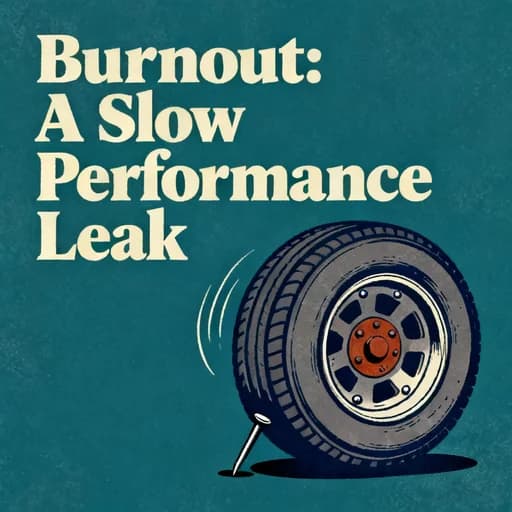
Burnout: The Slow Leak of High Performance 베스트 인용
High-functioning burnout is a slow leak that hides behind your competence; you are essentially hollowing out from the inside while your life looks perfectly full from the outside.
Generated with BeFreed
Burnout, the Slow Leak You Never Noticed






자주 묻는 질문
High-functioning burnout is described as a "slow leak" rather than a sudden, fiery crash. Unlike a dramatic collapse where someone might stop working entirely, high-functioning burnout hides behind competence and productivity. You continue to hit deadlines, answer texts, and show up for meetings, but you are hollowing out from the inside. It is particularly dangerous because your effectiveness hasn't dropped off where others can see it, even though your internal energy and joy have completely drained away.
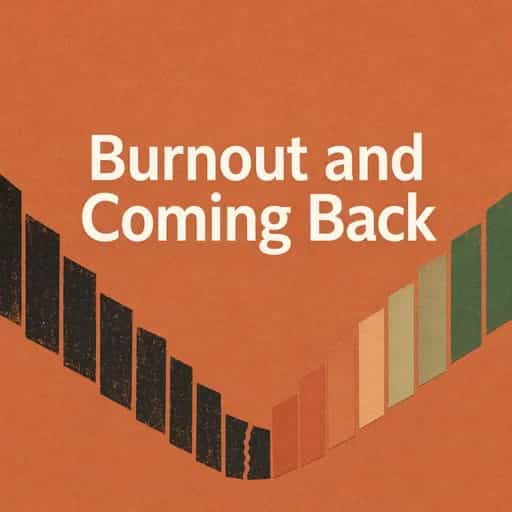
Burnout typically progresses through several stages, starting with a "honeymoon" phase where stress feels energizing and you convince yourself it is just a busy season. This is followed by a "fuel shortage" phase, where fatigue sets in and you begin "productivity masking"—working harder to hide slipping focus. Eventually, you reach the "chronic symptoms" stage, where engagement is replaced by total cynicism, and exhaustion, anger, or anxiety become your daily baseline.
One of the most reliable indicators is your "joy-to-drag ratio." You may notice anhedonia, where things you used to love start to feel like chores and your pleasure response disappears. Physical signs also include "productivity masking," where you are busy but no longer effective, and physiological changes like shallow sleep or a decrease in heart rate variability (HRV). If you feel like a "brittle, irritable husk" at home despite "crushing it" at work, you are likely experiencing a slow leak.
Internal saboteurs are mental patterns or "stories" often carried since childhood that drive us to overwork to feel safe or worthy. Common examples include the "Hyper-Achiever," who equates self-worth with performance; the "Pleaser," who says yes to everything for external approval; and the "Stickler," whose perfectionism makes every task feel high-stakes. These patterns create a "story problem" where you believe asking for help is a weakness, keeping your nervous system in a state of chronic stress.
Recovery starts with prioritizing physiology through non-negotiable sleep hygiene, such as maintaining a cold, dark room and a consistent wake-up time. You can implement "small swaps," such as replacing task-stacking with "single-threading" (one task at a time) or swapping heroic workouts for consistent, gentle movement. Additionally, "Petite Practices" like micro-meditations or asking yourself honest questions about where you are functioning without intention can help interrupt negative thought patterns and stop the energy leak.
샌프란시스코에서 컬럼비아 대학교 동문들이 만들었습니다
"Instead of endless scrolling, I just hit play on BeFreed. It saves me so much time."


"I never knew where to start with nonfiction—BeFreed’s book lists turned into podcasts gave me a clear path."


"Perfect balance between learning and entertainment. Finished ‘Thinking, Fast and Slow’ on my commute this week."
"Crazy how much I learned while walking the dog. BeFreed = small habits → big gains."
"Reading used to feel like a chore. Now it’s just part of my lifestyle."

"Feels effortless compared to reading. I’ve finished 6 books this month already."
"BeFreed turned my guilty doomscrolling into something that feels productive and inspiring."

"BeFreed turned my commute into learning time. 20-min podcasts are perfect for finishing books I never had time for."
"BeFreed replaced my podcast queue. Imagine Spotify for books — that’s it. 🙌"

"It is great for me to learn something from the book without reading it."
"The themed book list podcasts help me connect ideas across authors—like a guided audio journey."
"Makes me feel smarter every time before going to work"
샌프란시스코에서 컬럼비아 대학교 동문들이 만들었습니다
"Instead of endless scrolling, I just hit play on BeFreed. It saves me so much time."
"I never knew where to start with nonfiction—BeFreed’s book lists turned into podcasts gave me a clear path."
"Perfect balance between learning and entertainment. Finished ‘Thinking, Fast and Slow’ on my commute this week."
"Crazy how much I learned while walking the dog. BeFreed = small habits → big gains."
"Reading used to feel like a chore. Now it’s just part of my lifestyle."
"Feels effortless compared to reading. I’ve finished 6 books this month already."
"BeFreed turned my guilty doomscrolling into something that feels productive and inspiring."
"BeFreed turned my commute into learning time. 20-min podcasts are perfect for finishing books I never had time for."
"BeFreed replaced my podcast queue. Imagine Spotify for books — that’s it. 🙌"
"It is great for me to learn something from the book without reading it."
"The themed book list podcasts help me connect ideas across authors—like a guided audio journey."
"Makes me feel smarter every time before going to work"
"Instead of endless scrolling, I just hit play on BeFreed. It saves me so much time."
"I never knew where to start with nonfiction—BeFreed’s book lists turned into podcasts gave me a clear path."
"Perfect balance between learning and entertainment. Finished ‘Thinking, Fast and Slow’ on my commute this week."
"Crazy how much I learned while walking the dog. BeFreed = small habits → big gains."
"Reading used to feel like a chore. Now it’s just part of my lifestyle."
"Feels effortless compared to reading. I’ve finished 6 books this month already."
"BeFreed turned my guilty doomscrolling into something that feels productive and inspiring."
"BeFreed turned my commute into learning time. 20-min podcasts are perfect for finishing books I never had time for."
"BeFreed replaced my podcast queue. Imagine Spotify for books — that’s it. 🙌"
"It is great for me to learn something from the book without reading it."
"The themed book list podcasts help me connect ideas across authors—like a guided audio journey."
"Makes me feel smarter every time before going to work"
"Instead of endless scrolling, I just hit play on BeFreed. It saves me so much time."
"I never knew where to start with nonfiction—BeFreed’s book lists turned into podcasts gave me a clear path."
"Perfect balance between learning and entertainment. Finished ‘Thinking, Fast and Slow’ on my commute this week."
"Crazy how much I learned while walking the dog. BeFreed = small habits → big gains."
"Reading used to feel like a chore. Now it’s just part of my lifestyle."
"Feels effortless compared to reading. I’ve finished 6 books this month already."
"BeFreed turned my guilty doomscrolling into something that feels productive and inspiring."
"BeFreed turned my commute into learning time. 20-min podcasts are perfect for finishing books I never had time for."
"BeFreed replaced my podcast queue. Imagine Spotify for books — that’s it. 🙌"
"It is great for me to learn something from the book without reading it."
"The themed book list podcasts help me connect ideas across authors—like a guided audio journey."
"Makes me feel smarter every time before going to work"