Building Confidence Through Action Instead of Feeling
Struggling with self-criticism? Learn how practicing self-love as a behavior can lower cortisol and build the magnetic presence you've been looking for.

Building Confidence Through Action Instead of Feeling 베스트 인용
Self-love is actually behavioral before it’s emotional; you have to practice the actions long before you actually believe the feeling.

이 오디오 레슨은 BeFreed 커뮤니티 멤버가 만들었습니다
confidence, being in love with myself, being loved by everybody

자주 묻는 질문
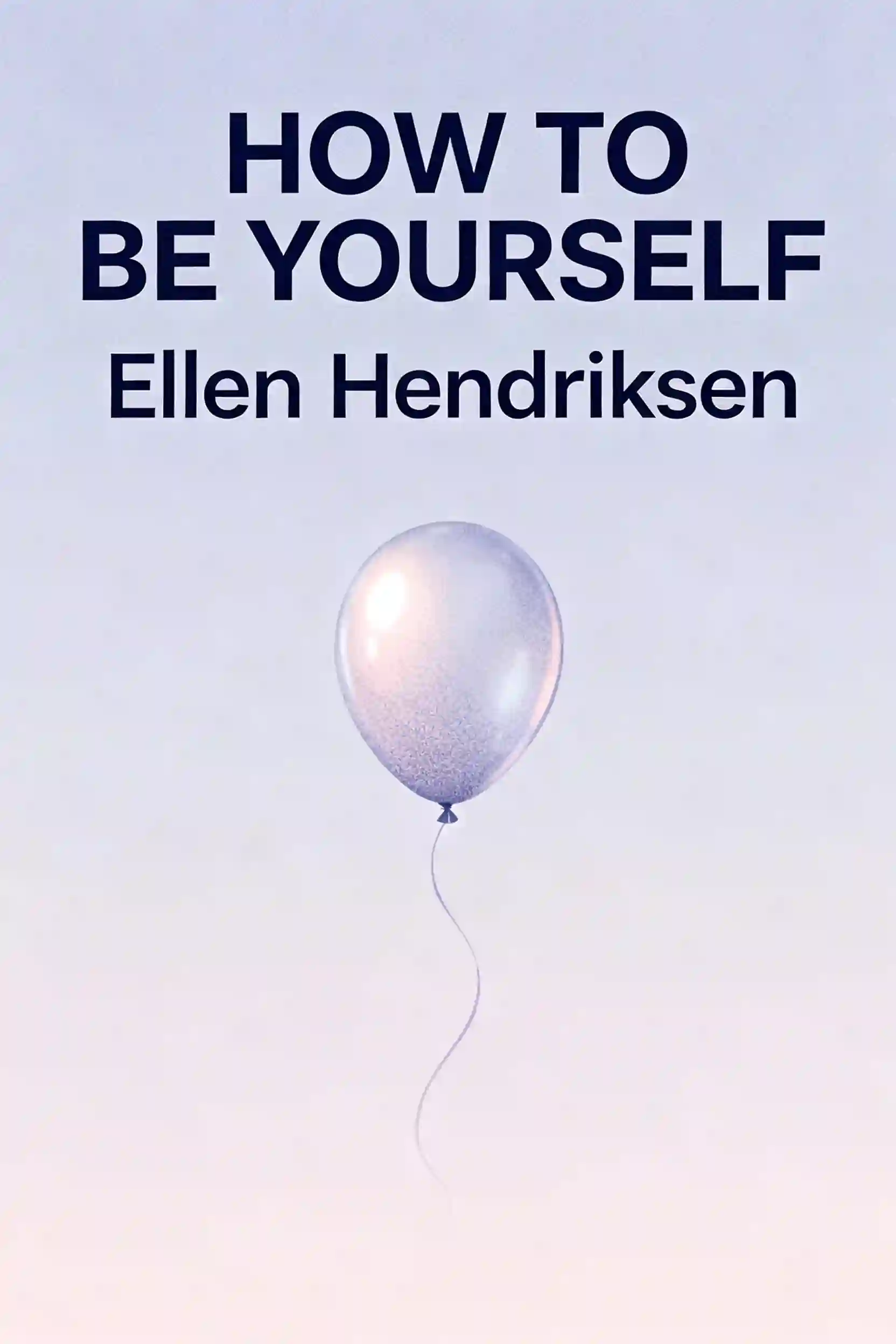
While these terms are often used interchangeably, they represent different internal states. Confidence is situational and refers to your belief in your capability to perform a specific task, such as baking a cake or leading a meeting. Self-esteem, however, is your fundamental sense of inherent worth as a human being. It remains steady regardless of whether you succeed or fail in a specific endeavor, acting as an unshakeable internal foundation rather than a reaction to external wins.
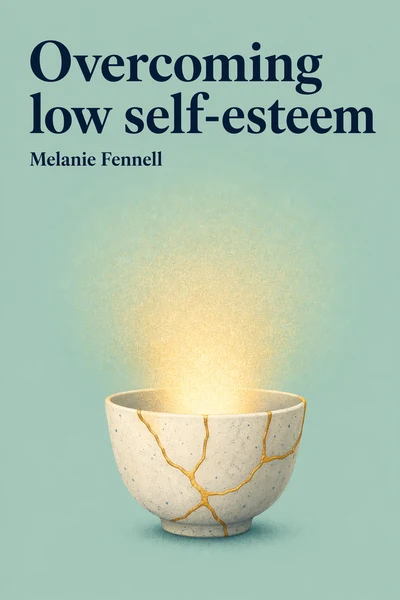
Research indicates that harsh self-criticism acts as a "parking brake" rather than a motivator. Biologically, being hard on yourself triggers the brain’s threat system and spikes cortisol levels, which increases anxiety and avoidance. This internal stress response actually tanks performance over time. In contrast, practicing self-compassion and changing your self-talk engages the body's soothing systems, allowing you to remain objective and better equipped to handle challenges.
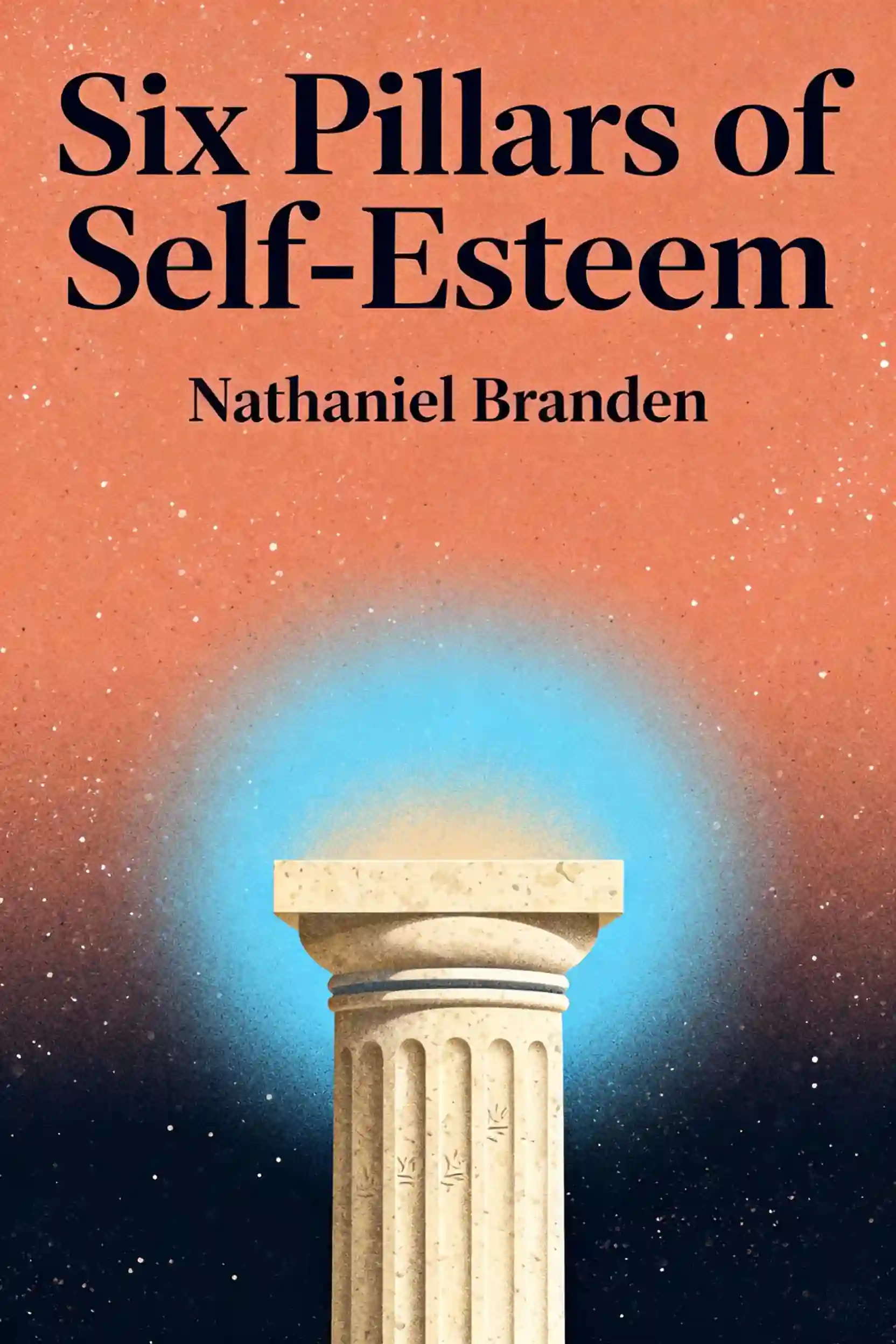
The SaaS method is a framework for building genuine self-trust and internal worth through four pillars: Self-Awareness, Self-Acceptance, Self-Responsibility, and Self-Assertiveness. It begins with observing your thoughts without judgment (awareness) and accepting your current reality as a prerequisite for change (acceptance). It then moves into taking ownership of your emotional responses (responsibility) and honoring your own needs and voice rather than silencing yourself to please others (assertiveness).
The Mirror Inquiry is a five-minute daily habit designed to build self-empathy. To practice it, stand in front of a mirror and look yourself in the eyes while identifying a specific insecurity or failure from your day. You then perform a "Narrative Flip" by asking what you would say to a best friend in that same situation. Finally, you speak that compassionate response out loud to your reflection while using a "Physical Anchor," such as placing a hand over your heart, to signal safety to your nervous system.
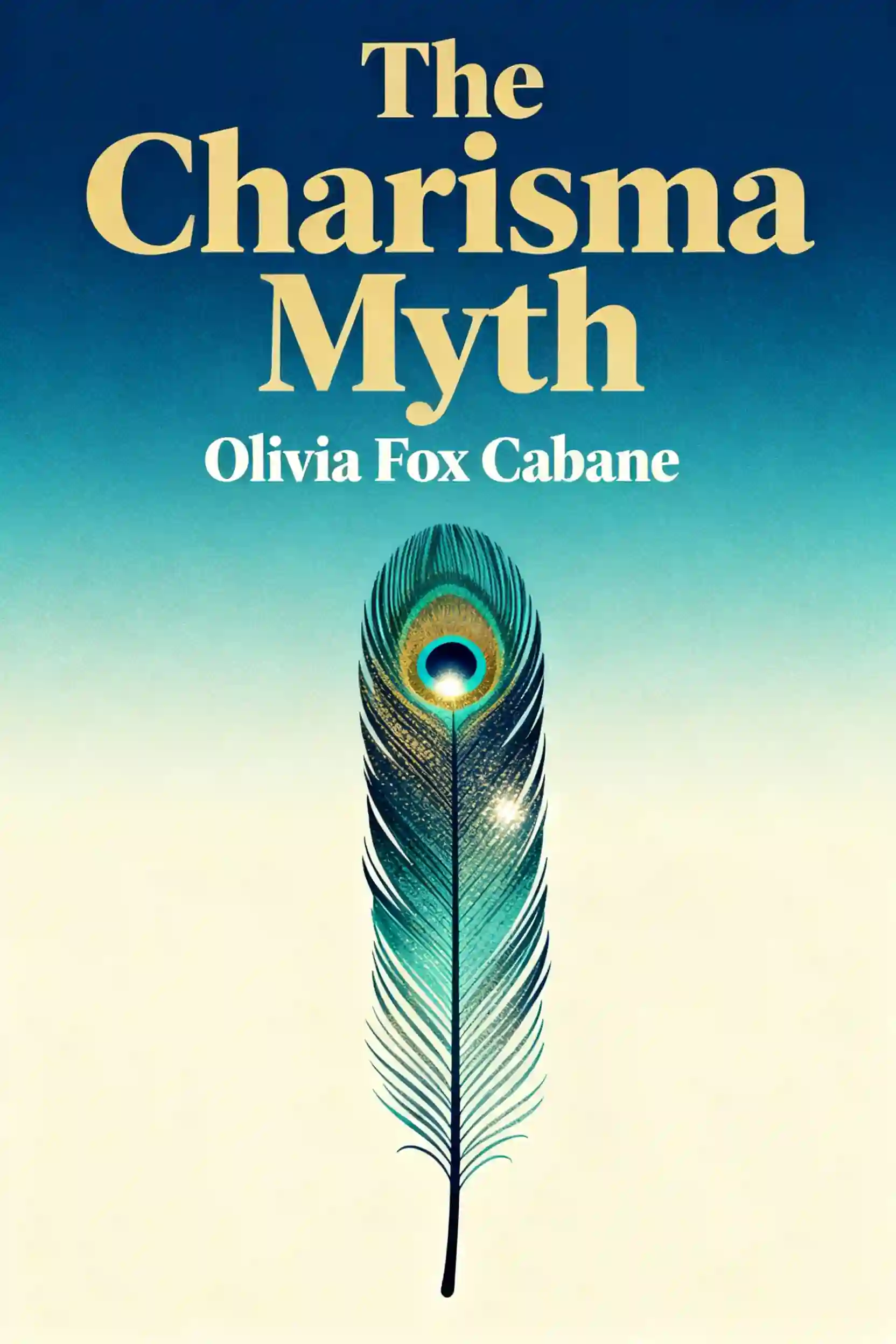
True charisma is less about being performative or impressive and more about how you make others feel. Research suggests that people need to feel safe with you before they can be influenced by you, and warmth creates that safety. By being fully present, listening more than speaking, and using "strategic vulnerability" to show you are human, you trigger the release of bonding hormones like oxytocin in others. This makes you "magnetic" because people are naturally drawn to the stability and validation you provide.
더 알아보기

Learn to love myself
This plan is designed for individuals struggling with persistent self-doubt or a harsh inner critic who seek a science-backed path to emotional resilience. It provides a structured framework to transition from external validation-seeking to a life rooted in authentic self-worth and healthy boundaries.

The Self-Compassion Action Plan
High-achievers and those prone to perfectionism often struggle with a harsh inner critic that leads to burnout. This plan provides the psychological tools needed to transform self-judgment into resilience and sustainable growth. It is ideal for anyone looking to reclaim their energy and build a healthier relationship with themselves.

Unshakeable Confidence and Body Acceptance
This plan is essential for individuals struggling with social anxiety and negative body image who want to rebuild their self-esteem from the inside out. It combines physiological regulation with mindset shifts to help learners move beyond self-doubt and reclaim their personal power.

Dismantle Your Inner Critic
This plan is essential for high-achievers and individuals struggling with perfectionism or chronic self-doubt. It provides a psychological roadmap to transform internal hostility into a supportive mindset, fostering both mental resilience and emotional well-being.

The Aura of Self-Possession
In an era of constant external validation, true power comes from an unshakeable internal foundation. This plan is designed for individuals seeking to transform their social anxiety into a magnetic, grounded presence that commands respect naturally.

Social Confidence from the Inside Out
This learning plan is designed for individuals who feel held back by social anxiety or constant self-monitoring in group settings. It bridges the gap between internal emotional regulation and practical external application in both personal and professional life.

Stop the Self-Punishment Cycle
High achievers and perfectionists often fall into a trap where self-criticism becomes a barrier to progress rather than a motivator. This plan provides the tools to dismantle negative internal dialogues and build the resilience needed to face uncertainty without self-punishment.

The Unshakable Self
In an era of constant social comparison, building an internal anchor is essential for long-term mental health. This plan is designed for individuals seeking to break free from people-pleasing and develop the resilience needed to navigate life's inevitable frictions with confidence.
샌프란시스코에서 컬럼비아 대학교 동문들이 만들었습니다
"Instead of endless scrolling, I just hit play on BeFreed. It saves me so much time."


"I never knew where to start with nonfiction—BeFreed’s book lists turned into podcasts gave me a clear path."


"Perfect balance between learning and entertainment. Finished ‘Thinking, Fast and Slow’ on my commute this week."
"Crazy how much I learned while walking the dog. BeFreed = small habits → big gains."
"Reading used to feel like a chore. Now it’s just part of my lifestyle."

"Feels effortless compared to reading. I’ve finished 6 books this month already."
"BeFreed turned my guilty doomscrolling into something that feels productive and inspiring."

"BeFreed turned my commute into learning time. 20-min podcasts are perfect for finishing books I never had time for."
"BeFreed replaced my podcast queue. Imagine Spotify for books — that’s it. 🙌"

"It is great for me to learn something from the book without reading it."
"The themed book list podcasts help me connect ideas across authors—like a guided audio journey."
"Makes me feel smarter every time before going to work"
샌프란시스코에서 컬럼비아 대학교 동문들이 만들었습니다
"Instead of endless scrolling, I just hit play on BeFreed. It saves me so much time."
"I never knew where to start with nonfiction—BeFreed’s book lists turned into podcasts gave me a clear path."
"Perfect balance between learning and entertainment. Finished ‘Thinking, Fast and Slow’ on my commute this week."
"Crazy how much I learned while walking the dog. BeFreed = small habits → big gains."
"Reading used to feel like a chore. Now it’s just part of my lifestyle."
"Feels effortless compared to reading. I’ve finished 6 books this month already."
"BeFreed turned my guilty doomscrolling into something that feels productive and inspiring."
"BeFreed turned my commute into learning time. 20-min podcasts are perfect for finishing books I never had time for."
"BeFreed replaced my podcast queue. Imagine Spotify for books — that’s it. 🙌"
"It is great for me to learn something from the book without reading it."
"The themed book list podcasts help me connect ideas across authors—like a guided audio journey."
"Makes me feel smarter every time before going to work"
"Instead of endless scrolling, I just hit play on BeFreed. It saves me so much time."
"I never knew where to start with nonfiction—BeFreed’s book lists turned into podcasts gave me a clear path."
"Perfect balance between learning and entertainment. Finished ‘Thinking, Fast and Slow’ on my commute this week."
"Crazy how much I learned while walking the dog. BeFreed = small habits → big gains."
"Reading used to feel like a chore. Now it’s just part of my lifestyle."
"Feels effortless compared to reading. I’ve finished 6 books this month already."
"BeFreed turned my guilty doomscrolling into something that feels productive and inspiring."
"BeFreed turned my commute into learning time. 20-min podcasts are perfect for finishing books I never had time for."
"BeFreed replaced my podcast queue. Imagine Spotify for books — that’s it. 🙌"
"It is great for me to learn something from the book without reading it."
"The themed book list podcasts help me connect ideas across authors—like a guided audio journey."
"Makes me feel smarter every time before going to work"
"Instead of endless scrolling, I just hit play on BeFreed. It saves me so much time."
"I never knew where to start with nonfiction—BeFreed’s book lists turned into podcasts gave me a clear path."
"Perfect balance between learning and entertainment. Finished ‘Thinking, Fast and Slow’ on my commute this week."
"Crazy how much I learned while walking the dog. BeFreed = small habits → big gains."
"Reading used to feel like a chore. Now it’s just part of my lifestyle."
"Feels effortless compared to reading. I’ve finished 6 books this month already."
"BeFreed turned my guilty doomscrolling into something that feels productive and inspiring."
"BeFreed turned my commute into learning time. 20-min podcasts are perfect for finishing books I never had time for."
"BeFreed replaced my podcast queue. Imagine Spotify for books — that’s it. 🙌"
"It is great for me to learn something from the book without reading it."
"The themed book list podcasts help me connect ideas across authors—like a guided audio journey."
"Makes me feel smarter every time before going to work"