BeFreed
    Categories>Philosophy & Spirituality>The Bible Inquirer: Converging Wars of 2026 and Ezekiel’s Prophecy

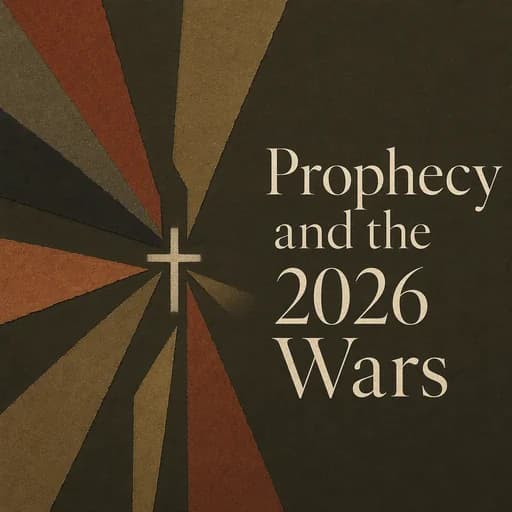
    The Bible Inquirer: Converging Wars of 2026 and Ezekiel’s Prophecy

    22분
    |
    |
    2026년 7월 31일
    Philosophy & SpiritualityPoliticsHistory & Society

    Explore how the Russia-Ukraine war and Middle East conflicts align with Ezekiel’s prophecy. Analyze the Caspian Sea strikes and the converging wars of 2026.

    The Bible Inquirer: Converging Wars of 2026 and Ezekiel’s Prophecy
    전달 방식을 선택하세요

    하나의 에피소드, 다양한 청취 방식.

    The Bible Inquirer: Converging Wars of 2026 and Ezekiel’s Prophecy의 같은 아이디어를 나에게 맞는 목소리, 깊이, 속도로 만나보세요. 언제든 바꿀 수 있습니다.

    전체 대본 및 챕터

    챕터 1

    A Strike in the Caspian Sea and the Shifting Sands of Prophecy

    Lena: You know, I was looking at the news this morning—specifically focusing on the Caspian Sea—and it felt like I was reading a page straight out of a thriller novel, except the stakes are infinitely higher because we’re talking about ancient words meeting modern warfare. Imagine, just a few days ago, Ukrainian forces managed to strike Iranian ships right there in the Caspian Sea. These weren't just any ships; they were reportedly carrying military assets intended for Russia. It’s this wild, tangled web where a conflict in Eastern Europe suddenly crashes into the doorstep of the Middle East, and for you, as someone trying to make sense of the Bible, this isn't just "news." It’s a signal.

    Eli: It really is! And it’s exactly why we’re diving into this today. When you see Ukraine hitting Iranian assets in a sea that borders Russia, you aren’t just looking at a tactical maneuver; you’re seeing the "converging wars" that scholars like Jimmy Evans are highlighting right now. We have the Saudi-Houthi conflict, the U.S.-Iran tension, and the Russia-Ukraine war all bleeding into one another. It’s unprecedented. For you, the listener, understanding this matters because these aren't isolated geopolitical headaches—they are the very alignments that the prophet Ezekiel spoke about thousands of years ago.

    Lena: That’s what’s so gripping. It feels like the "stage is being set," as they say, but at a pace that’s honestly breathtaking. I mean, we’re sitting here in July of 2026, and the world looks fundamentally different than it did even just a couple of years ago. You have Iran threatening retaliation for those ship strikes, and at the same time, their aggression is actually pushing their Arab neighbors—nations that used to be strictly hostile to Israel—closer to the Jewish state.

    Eli: Exactly! It’s that "regional alignment" that is the prerequisite for the big events described in Ezekiel 38 and 39. We’re going to look at why these three specific wars are colliding right now and what that means for your understanding of the end times. We’ll also get into some of the deeper, perhaps less discussed prophecies, like the Elam prophecy in Jeremiah 49 and that mysterious "white horse rider" who seems to be missing his arrows.

    Lena: I’ve always wondered about those missing arrows! It’s like a detective story where the clues are thousands of years old but the crime scene is today’s headlines. So, if you’ve ever felt that sense of "prophecy fatigue" or maybe just overwhelmed by the chaos, this is for you. We’re going to ground these headlines in the text so you can move from "what’s happening?" to "I see what God is doing." Let’s start by looking at this incredible surge in interest regarding the end times—why is everyone suddenly looking up?
    챕터 2

    The Great Awakening of Global Eschatological Interest

    Eli: It’s not just your imagination—there is a massive, measurable surge in people searching for "end times 2026" or "signs of the end". We’re seeing search trends in Arabic, Urdu, Spanish, and Portuguese all spiking simultaneously. It’s a global phenomenon. Think about that for a second. It’s not just one denomination or one country; it’s a worldwide "spiritual signal".

    Lena: That’s fascinating. I mean, usually, interest in prophecy kind of ebbs and flows, right? But this feels different. Why is it accelerating so much right now in 2026? Is it just because things feel "scary," or is there something deeper in the data?

    Eli: It’s a bit of both. If you look at the conditions driving this, you have to start with the post-COVID psychological shift. The pandemic did something that decades of preaching couldn't fully do—it made the "previously unthinkable" feel normal. People saw borders close and economies stop overnight. It broke that illusion of permanent stability. Now, you add in the rapid development of Artificial Intelligence, and you’ve got a new kind of existential anxiety. People are asking, "Who controls the future?" and "Can I trust what I see?".

    Lena: Oh, I see that everywhere. People are literally connecting AI to the "Mark of the Beast" or the surveillance systems mentioned in Revelation. It’s like technology has finally caught up to the descriptions in the Bible. And it’s not just Christians, is it?

    Eli: Not at all. Islamic scholars are seeing an increase in questions about the "signs of the Hour" and the "Dajjal," while Jewish communities have seen an intensification of messianic conversation, especially after the events of late 2023. Even in secular circles, you have "climate dread" or "AI anxiety" that functions almost like a secular version of the end times. People are looking for a "coherent narrative" to explain the chaos.

    Lena: And that’s what prophecy provides, right? A story. It takes random, frightening events and puts them into a framework where they actually make sense. It gives you a sense of "temporal orientation"—it lets you know roughly where you are in the story.

    Eli: That’s a great way to put it. But we have to be careful. History shows us that every generation has thought it was the last one. During the Black Death in the 14th century, half of Europe died, and people were absolutely convinced the end had arrived. The same thing happened during the World Wars and the Cold War. Each generation adapts the prophetic framework to the threats of their moment.

    Lena: So, the question for us today is: is 2026 just another one of those moments, or is the "supersign" of Israel’s regathering the thing that actually changes the math?.

    Eli: That is the million-dollar question. Many, including Pastor Greg Laurie, believe that the regathering of Israel on May 14, 1948, was the moment the "prophetic time clock" really started ticking. It’s the event that anchors everything else. Without a nation of Israel, most of these prophecies couldn't even happen. But now that they are back in the land, and the world is becoming increasingly isolated from them—well, that’s when you start looking at the specific players on the board.

    이 에피소드로 더 깊이 배우기

    이 에피소드의 아이디어를 BeFreed의 가이드 학습 경험으로 더 깊이 탐구해 보세요.

    챕터 3

    The Persian Storm and the Death of a Leader

    Lena: Speaking of players on the board, we have to talk about Iran. It’s ancient Persia, the land of Esther and Daniel, but today it’s at the center of so much volatility. And something major just happened—the death of Iran’s Supreme Leader, Ayatollah Ali Khamenei.

    Eli: That’s a massive development. His death has sent shockwaves through the entire Middle East. You have people rejoicing because of the oppression they've faced, but from a prophetic standpoint, it creates a vacuum. This regime has been the primary backer of groups like Hamas, Hezbollah, and the Houthis. When the head of that snake is removed, or at least changed, it creates turmoil that we need to watch closely.

    Lena: It’s so interesting to remember that Iran isn't just a political adversary; it’s a land of biblical significance. God called King Cyrus His "anointed" in Isaiah 45. He has worked in that nation before. But today, the regime’s posture toward Israel is one of defiance—there’s concern about whether Iran still plans to wipe Israel off the map.

    Eli: And that leads us straight to Ezekiel 38 and 39. The Bible predicts a coalition of nations, led by a figure named Gog from the land of Magog, will attack Israel in the "latter years". And guess who is listed as one of the primary allies? Persia.

    Lena: It’s right there in the text. But here’s where it gets a little controversial. When people hear "Magog," they almost always think of Russia, right? I remember Ronald Reagan even saying that back in the 70s—that Magog must be Russia because what other powerful nation is to the north of Israel?.

    Eli: You’re right, that "Magog = Russia" view is incredibly popular. It’s in the Scofield Reference Bible, it’s in countless prophecy books, and honestly, if you Google "Gog and Magog map," you’ll see Magog placed deep in the heart of Russia. But—and this is a big "but"—most actual biblical scholars who use the "historical-grammatical" method of interpretation actually place Magog in modern-day Turkey.

    Lena: Wait, Turkey? That’s a huge difference! How do they get there?

    Eli: Well, they look at how Ezekiel would have understood those names in the 6th century B.C.. Back then, Magog, Meshech, and Tubal were known to be in Asia Minor, which is Turkey. The "Russia" view often relies on a "bloodline-migration" method, trying to trace where these tribes moved over thousands of years, which can get really messy and inconsistent.

    Lena: So, we have this tension. On one hand, you have the current geopolitical reality where Russia and Iran have never been closer—they are literally cooperating in wars right now. On the other hand, you have scholars pointing to Turkey as the potential leader of this coalition.

    Eli: It’s a fascinating debate. Regardless of whether the leader comes from Moscow or Ankara, the key is the coalition itself. It involves Persia (Iran), Cush (often identified with Sudan or parts of Africa), and Put (Libya). And the common denominator today? They are all increasingly aligned against Israel.

    Lena: And while all this high-level maneuvering is happening, you have real people caught in the crossfire. I was reading about a man named David in Beit Shemesh who lost his home to an Iranian ballistic missile strike during what they’re calling the "Forty-Day War". He’s dealing with early-stage dementia and just trying to rebuild his life. It reminds you that prophecy isn't just an abstract map; it’s about real lives being disrupted by these ancient conflicts.

    챕터 4

    The Twelve-Day War and the Shifting Threshold

    Eli: It’s those specific conflicts that really act as the "labor pains" the Bible talks about. Think about the timeline we’ve seen recently. In April 2024, Iran launched that unprecedented attack on Israel—over 300 drones and missiles. Then, in June 2025, Israel responded with "Operation Rising Lion," hitting Iranian nuclear facilities. That led to the "Twelve-Day War" and a U.S.-mediated ceasefire.

    Lena: It feels like the threshold for what’s "normal" keeps shifting. Direct attacks between Iran and Israel used to be unthinkable; now they’re part of the recent historical record. And you mentioned that even amidst this, there’s a spiritual awakening happening inside Iran?.

    Eli: It’s one of the most incredible "under the radar" stories. Despite the regime's persecution, Christianity is growing dramatically in Iran through house churches. It’s a reminder that God’s plan involves people, not just politics. While the "Persian Storm" gathers on a national level, the Spirit is moving on a personal level.

    Lena: That’s such a hopeful note in the middle of all this. But it also raises the stakes. If Iran is indeed a major player in the end times, then its internal stability—or lack thereof—is something every student of prophecy needs to watch. We’ve got the Elam prophecy in Jeremiah 49, which speaks of a judgment on a specific part of ancient Persia. Some scholars wonder if that refers to a modern-day nuclear disaster or a specific military strike in that region.

    Eli: And then you have the question of the United States. Where do we fit in? In many of these scenarios, the U.S. is conspicuously absent or at least not the dominant force we are today. Some people wonder if the "young lions of Tarshish" mentioned in Ezekiel 38:13 might be a reference to the Western nations, including the U.S., sitting on the sidelines and just asking questions while the invasion happens.

    Lena: "Are you come to take a spoil?" That’s what they ask, right? It’s like they’re issuing a strongly worded letter while an invasion is underway. If the U.S. continues to pull back or faces its own internal crises—like the economic instability and institutional collapse we see people searching about in 2026—that prophetic scenario starts to look a lot more plausible.

    Eli: It really does. And it’s not just about the "big" wars. It’s the "converging" nature of it all. The Saudi-Houthi conflict might seem local, but it’s part of that same Iranian web. Every piece of the puzzle is moving at once. But how do we interpret all this? There isn't just one way that Christians look at these events, is there?

    Lena: No, and that’s where things get really interesting. Depending on which "lens" you use, you might see these events in a completely different light. Are we looking at a literal future, or is there a more symbolic way to understand what the Bible is saying? Let’s talk about the different "schools of thought" when it comes to the end times.

    이 에피소드로 더 깊이 배우기

    이 에피소드의 아이디어를 BeFreed의 가이드 학습 경험으로 더 깊이 탐구해 보세요.

    챕터 5

    Four Windows into the Future

    Eli: If you’ve ever felt confused because one teacher says one thing and another says the opposite, it’s probably because they are using different "interpretive approaches". It’s like looking at the same landscape through four different colored windows.

    Lena: I like that analogy. So, what’s the first window?

    Eli: That would be "Historicism". This view sees prophecy as unfolding progressively throughout the entire course of church history. So, the symbols in Revelation might represent the rise of Islam, the Reformation, or the Papacy. It was really popular with the Reformers like Luther and Calvin. The strength is that it sees God’s hand in all of history, but the downside is it can get really subjective—different people see different events in the same symbols.

    Lena: Okay, so that’s the "long view." What about the one that says everything already happened?

    Eli: That’s "Preterism," from the Latin word for "past". Preterists believe most prophecies were fulfilled in the first century, specifically with the destruction of Jerusalem in 70 A.D.. They argue that Jesus' predictions in Matthew 24 were realized within a generation. It’s great for grounding prophecy in its original context, but it can sometimes minimize our future hope or struggle to explain the "new heavens and new earth".

    Lena: And then there’s the one we hear the most about today—the one that says it’s all still coming.

    Eli: Right, "Futurism". This is the view that most of Revelation, chapters 4 through 22, describes events that will happen just before Christ returns. It’s the basis for the Left Behind series and much of what we’re talking about with Russia and Iran today. It keeps us looking forward, but the risk is sensationalism—trying to match every headline to a specific verse.

    Lena: And the fourth one?

    Eli: "Idealism," sometimes called the symbolic approach. It sees Revelation as portraying timeless spiritual truths—the ongoing battle between good and evil—rather than specific historical events. It’s always relevant, but it can feel a bit abstract, like it’s not grounded in real history.

    Lena: It’s so helpful to see those laid out. Most of the "prophecy updates" we see today are firmly in that "Futurist" camp, right? They are looking at the 2026 headlines and saying, "This is it!". But even within that Futurist camp, there’s a big debate about the "Rapture."

    Eli: Oh, the "Rapture debate"—that’s the one that really gets people fired up! You’ve got "Pre-Tribulationists" who believe Christ returns in two stages: first, a secret coming to take the church away before the seven-year tribulation. Then, the visible return at the end. This view draws a sharp line between Israel and the Church.

    Lena: And then you have the "Post-Tribulationists," right? They say there’s only one return of Christ, and the church goes through the tribulation alongside everyone else. They argue that Jesus Himself placed the "gathering of the elect" immediately after the tribulation in Matthew 24.

    Eli: Exactly. And then there’s "Amillennialism," which says the "thousand years" in Revelation 20 isn't a future earthly kingdom at all, but a symbolic description of the present age where Christ is reigning from heaven right now.

    Lena: It’s a lot to process! But the core thing—the thing all these views agree on—is that Christ is coming back. That’s the "blessed hope" that should anchor us, regardless of which timeline we think is most likely. But let's get back to the "now." Why does the specific timing of these wars in 2026 feel so "prophetic"?

    챕터 6

    The Convergence of Three Wars

    Eli: It’s the collision that’s the key. Jimmy Evans points out that we’re seeing three separate conflicts merge into one. You have the Russia-Ukraine war, with Ukraine striking Iranian ships in the Caspian Sea carrying military assets to Russia. You have the Saudi-Houthi conflict and the U.S.-Iran war. And you have the Saudi-Houthi conflict, which is pushing the Saudis toward an alliance with Israel.

    Lena: It’s like a giant game of "connect the dots," and the picture that’s emerging is exactly what Ezekiel 38 describes—a world where Israel is isolated, but also a world where certain nations are beginning to align with her in unexpected ways.

    Eli: And don't forget the "Abraham Accords." There’s talk that they might be on the verge of a major expansion. If Saudi Arabia officially joins that peace pact with Israel, it would be a massive shift. Prophecy students watch that because the "Gog and Magog" invasion happens when Israel is "at rest" and living in "unwalled villages". A major peace deal could be the very thing that creates that sense of security.

    Lena: That’s such a counterintuitive point. We often think the end comes during total chaos, but the Bible also suggests it might come during a time of "Peace and Safety"—and then sudden destruction. It’s that tension between the "signs" of war and the "promise" of peace.

    Eli: And while we’re talking about "signs," what about that white horse rider from Revelation 6? Jimmy Evans mentioned something about "missing arrows".

    Lena: Right! The rider on the white horse has a bow, but the text doesn't mention any arrows. Many scholars interpret this to mean he gains power through diplomacy or "peaceful" conquest rather than open warfare—at least initially. It fits that idea of a "deceptive peace" that leads into the tribulation.

    Eli: It’s all about the "spirit of the age." In 2026, we see this weird mix of extreme polarization and a desperate desire for someone to just "fix it all". Whether it’s the climate, the economy, or the threat of nuclear war, people are primed for a leader who promises stability.

    Lena: And that’s where the "AI anxiety" comes back in. If you have a global system that can monitor every transaction—something that’s becoming technologically possible right now—the "Mark of the Beast" scenario doesn't sound like science fiction anymore. It’s a "rational response to genuine conditions".

    Eli: But we have to be careful not to fall into fearmongering. There’s a big difference between "serious eschatological engagement" and just trying to scare people for clicks. Serious study should lead to humility and hope, not tribalism and anxiety. If your study of prophecy makes you hate your neighbor or stop caring about the world, you’re probably doing it wrong.

    Lena: That’s such a vital distinction. The goal of prophecy is to prepare us, not scare us. It’s meant to move us to prayer—for the nations involved, for the people suffering, and for the peace of Jerusalem.

    이 에피소드로 더 깊이 배우기

    이 에피소드의 아이디어를 BeFreed의 가이드 학습 경험으로 더 깊이 탐구해 보세요.

    챕터 7

    Your Prophetic Playbook for 2026

    Eli: So, given everything we’ve talked about—the strikes in the Caspian Sea, the death of the Ayatollah, the surge in end-times interest—what do you actually do with this? How do you live differently in 2026?

    Lena: First, I think you have to become a "Berean"—someone who doesn't just take a teacher's word for it but searches the Scriptures for themselves. Whether it’s using tools like Logos Bible Software to see what scholars have said over the centuries or just opening your own Bible, you need to be grounded in the text. Don't just "chase headlines".

    Eli: Exactly. Evaluate current events through a "steady biblical lens". When you see a headline about Iran or Russia, ask, "Does this fit the pattern Ezekiel or Jeremiah described?" But hold your conclusions with humility. Remember, every generation has had their "definitive" identifications that turned out to be wrong.

    Lena: And don't let prophecy be an excuse to disengage. I love that Islamic teaching you mentioned—if you’re holding a seedling when the last trumpet sounds, plant it!. Or the Christian idea of the "faithful servant" who is found doing their master's work when he returns. Whether the end is tomorrow or in a hundred years, our job is to be the best version of who God called us to be today.

    Eli: That’s it! Focus on "inner preparation" rather than "outward sign-watching". Are you right with God? Are you walking closely with Him?. That’s the "wake-up call" of 2026. These events are cause for us to "sit up and pay attention," but they shouldn't cause us to panic.

    Lena: It’s about "living with greater peace and readiness". If you know the end of the story—that the "Victorious and Glorious Lamb" reigns forever—then you can face the "Persian Storm" or any other storm with confidence.

    Eli: And don't walk through this alone. We saw how people are sharing testimonies of clarity and comfort they’ve found through studying these things together. Whether it’s a small group or just a friend, talking through these "last things" can actually strengthen your faith rather than drain it.

    Lena: It’s that "community of believers" that provides the support we need when the world feels unstable. When institutions fail and trust collapses, we have a "meaningful narrative" that says God is still on the throne.

    Eli: So, as you look at the headlines this week, don't just see chaos. See the "stage being set." See the convergence of ancient words and modern realities. And let it move you closer to the one who holds the future in His hands.

    챕터 8

    Final Reflections on a World in Transition

    Lena: As we wrap up this journey through the "prophetic landscape" of 2026, I’m struck by how much of this comes down to one word: Watch. Jesus told us to watch and be ready. Not to set dates, not to live in fear, but to live with an "excited anticipation".

    Eli: It’s been so fascinating to see how the strikes in the Caspian Sea and the death of the Ayatollah aren't just isolated events—they are part of a global surge in interest that tells us something profound is happening in our world right now. Whether you follow the popular "Russia" view or the scholarly view that places Magog in Turkey, the reality of a rising coalition against Israel is undeniable.

    Lena: And that’s the takeaway, isn't it? The world is looking and feeling exactly the way the traditions said it would before the final crisis. But that doesn't mean we should be paralyzed. It means we should be prepared.

    Eli: Thank you so much for joining us for this deep dive. It’s been a privilege to search the Scriptures alongside you. We hope this has given you a more grounded, sober, and yet hope-filled way to look at the news.

    Lena: As you go about your day, take a moment to reflect on that one question: "Am I ready?". Let that question drive you not to anxiety, but to a deeper walk with God and a greater compassion for the world around you.

    Eli: Until next time, stay spiritually alert, stay curious, and remember—the story isn't over yet.

    Lena: Thank you for listening. We hope you feel a little more equipped to navigate these challenging times with wisdom and peace. Reflect on what we’ve discussed, and see how it might change the way you look at the world this week. Farewell!

    ★★★★★

    The Bible Inquirer: Converging Wars of 2026 and Ezekiel’s Prophecy의 끝까지 도달했어요

    “23일째 매일 사용하고 있어요. 이제 제 일상의 한 부분이 되었습니다.”

    jayallen

    The Bible Inquirer: Converging Wars of 2026 and Ezekiel’s Prophecy 베스트 인용

    “

    Prophecy provides a story that takes random, frightening events and puts them into a framework where they actually make sense, giving you a sense of temporal orientation so you can move from 'what’s happening?' to 'I see what God is doing.'

    ”
    J

    Generated by JUNGOT Now

    질문 입력

    **Female Host:** Welcome to **The Bible Inquirer**, where we search the Scriptures and examine Bible prophecy through careful study. Thank you for joi

    호스트 음성
    Lenaplay
    Eliplay
    지식 출처
    Why Three Converging Wars Matter to Every Bible Prophecy Student
    link
    https://endtimes.substack.com/p/why-three-converging-wars-matter
    Iran and Israel: A Bible Prophecy Update
    link
    https://harvest.org/resources/gregs-blog/post/israel-iran-bible-prophecy-update/
    Why Are End times Beliefs Surging Globally? A 2026 Analysis
    link
    https://worldeschatology.com/why-are-end-times-beliefs-surging-globally/
    Four Approaches to Biblical Eschatology
    link
    https://cultivatingfaith.org/2025/12/02/four-approaches-to-biblical-eschatology/
    Three Christian Views of the End Times Explained Clearly | Theology In Focus
    link
    https://theologyinfocus.org/blog/three-christian-views-of-the-end-times/
    Gog Of Magog (Part 1)
    link
    https://danieltrainingnetwork.org/teaching/gog-of-magog-part-1

    자주 묻는 질문

    The converging wars of 2026 refer to the unprecedented overlapping of major global conflicts, including the Russia-Ukraine war, the Saudi-Houthi conflict, and rising U.S.-Iran tensions. As highlighted by scholars like Jimmy Evans, these separate geopolitical headaches are now bleeding into one another. This convergence is viewed by many as a significant signal that the stage is being set for biblical events, moving beyond simple tactical maneuvers into a larger prophetic alignment.

    Recent military actions, such as Ukrainian forces striking Iranian ships carrying assets for Russia in the Caspian Sea, represent a literal intersection of Eastern European and Middle Eastern conflicts. This specific geographic region is central to the alignments described by the prophet Ezekiel thousands of years ago. For listeners of The Bible Inquirer, these events serve as modern evidence of ancient words meeting modern warfare, suggesting that prophetic timelines are accelerating at a breathtaking pace.

    Jimmy Evans is a scholar referenced in the podcast who highlights the concept of converging wars. He provides a framework for understanding how current events, like the Russia-Ukraine war and Iranian military involvement, are not isolated incidents but are connected through the lens of biblical prophecy. His insights help listeners make sense of complex news stories by connecting modern military assets and international tensions to the specific prophetic warnings found in the book of Ezekiel.

    The involvement of Iranian ships in the Caspian Sea is significant because it links the Middle East conflict directly to the war in Europe. These ships were reportedly carrying military assets intended for Russia, creating a tangled web of alliances. This cooperation between Russia and Iran is a key component of the geopolitical alignments predicted in Ezekiel’s prophecy, signaling to those studying the end times that ancient biblical stages are being set in real-time.

    컬럼비아 대학교 동문들이 제작 | 샌프란시스코에서 개발

    BeFreed는 호기심 넘치는 글로벌 커뮤니티를 하나로 연결합니다

    4.7

    평균 평점

    앱 평가 7.84천 개 이상

    BeFreed 커뮤니티

    정말이지 아직 앱을 다 써 보지도 않았는데, 며칠 써 본 것만으로도 깊은 인상을 받았어요… BeFreed는 제가 써 본 어떤 학습 앱과도 차원이 달라요. 몰입감이 엄청나고 집중력도 실제로 좋아져서, 스마트폰을 하염없이 스크롤하는 분들께 딱이에요!

    @ladyInfinity

    정확히 23일 전에 BeFreed를 구입했는데, 그날부터 하루도 빠짐없이 쓰고 있어요. 제 일상 업무 흐름과 학습 습관에 완전히 자리 잡았어요.

    @jayallen

    솔직히 이 앱은 제 기대를 전부 뛰어넘었어요. 어떤 주제든 오디오로 만들어 달라고 할 수 있고, 결과물이 놀라워요. 제 전문 분야는 심리치료 쪽이고 여러 학문이 얽혀 있는데도 답변이 아주 정확해요.

    @Raguipa

    제일 고마운 건 스크롤하는 시간이 확 줄었다는 거예요. 검색하는 시간은 줄고 흡수하는 시간은 늘었어요. 오디오북 전권, 팟캐스트, 학습 플랜의 조합이 정말 훌륭해요.

    @colonyofcreatorsNGO

    저는 24년째 PhotoReading 속진 학습 강사로 일하고 있어요… 책과 독서, 배움이 제 전문인데, BeFreed는 정보를 소화하기 쉽게 전달하는 혁신적인 방식을 정말 잘 구현했어요.

    @BeFreed user

    단순한 책 요약 앱이 아니에요. '재미' 스타일을 써 봤는데, 전통적인 방식보다 훨씬 나은 요약이고 아이디어를 이해하기도 쉬워요. 이것만으로도 값어치를 해요.

    @austinakon

    이 앱이 정말 좋아요. 며칠 써 봤는데 듣는 걸 멈출 수가 없어요. 시작하기에 이보다 좋을 수 없어요.

    @jcrules328

    정말 마음에 들어요. 한 달 정도 써 봤는데 숨은 보석을 찾은 기분이에요. BeFreed로 제가 원하는 주제를 직접 만들 수 있어서 좋고, 목소리도 훌륭한 데다 내레이션 선택지가 무궁무진해요.

    @DanielCZ

    정말이지 아직 앱을 다 써 보지도 않았는데, 며칠 써 본 것만으로도 깊은 인상을 받았어요… BeFreed는 제가 써 본 어떤 학습 앱과도 차원이 달라요. 몰입감이 엄청나고 집중력도 실제로 좋아져서, 스마트폰을 하염없이 스크롤하는 분들께 딱이에요!

    @ladyInfinity

    정확히 23일 전에 BeFreed를 구입했는데, 그날부터 하루도 빠짐없이 쓰고 있어요. 제 일상 업무 흐름과 학습 습관에 완전히 자리 잡았어요.

    @jayallen

    솔직히 이 앱은 제 기대를 전부 뛰어넘었어요. 어떤 주제든 오디오로 만들어 달라고 할 수 있고, 결과물이 놀라워요. 제 전문 분야는 심리치료 쪽이고 여러 학문이 얽혀 있는데도 답변이 아주 정확해요.

    @Raguipa

    제일 고마운 건 스크롤하는 시간이 확 줄었다는 거예요. 검색하는 시간은 줄고 흡수하는 시간은 늘었어요. 오디오북 전권, 팟캐스트, 학습 플랜의 조합이 정말 훌륭해요.

    @colonyofcreatorsNGO

    저는 24년째 PhotoReading 속진 학습 강사로 일하고 있어요… 책과 독서, 배움이 제 전문인데, BeFreed는 정보를 소화하기 쉽게 전달하는 혁신적인 방식을 정말 잘 구현했어요.

    @BeFreed user

    단순한 책 요약 앱이 아니에요. '재미' 스타일을 써 봤는데, 전통적인 방식보다 훨씬 나은 요약이고 아이디어를 이해하기도 쉬워요. 이것만으로도 값어치를 해요.

    @austinakon

    이 앱이 정말 좋아요. 며칠 써 봤는데 듣는 걸 멈출 수가 없어요. 시작하기에 이보다 좋을 수 없어요.

    @jcrules328

    정말 마음에 들어요. 한 달 정도 써 봤는데 숨은 보석을 찾은 기분이에요. BeFreed로 제가 원하는 주제를 직접 만들 수 있어서 좋고, 목소리도 훌륭한 데다 내레이션 선택지가 무궁무진해요.

    @DanielCZ

    유용한 정보와 아이디어를 8~15분짜리 팟캐스트 스타일 오디오로 압축해서 들을 수 있다는 게 정말 좋아요. 원래 팟캐스트는 군더더기가 많아서 안 좋아했는데, 여기는 그걸 싹 걷어냈어요.

    @BeFreed user

    박사 과정을 마무리하는 중이라 낯선 자료를 많이 읽어야 해요… BeFreed에서는 프롬프트만 입력하면 앱이 자료를 찾아서 오디오 팟캐스트로 만들어 줘요. BeFreed의 과정이 NotebookLM보다 더 매끄럽게 느껴져요.

    @Brad

    아침을 준비하거나 산책하거나 출퇴근할 때 들을 것을 YouTube에서 자주 찾곤 했는데, BeFreed는 광고도 군더더기도 없이 훨씬 더 딱 맞는 걸 들려줘요!

    @BeFreed user

    이 플랫폼의 가장 큰 장점은 활용도예요. 다루지 못하는 주제가 말 그대로 하나도 없어요. 무엇을 던져도 다 소화해요… 제한이 전혀 없으면서 약속을 실제로 지키는 학습 도구는 정말 드물어요.

    @jayallen

    BeFreed는 환상적이에요. 디자인이 편해서 헤매는 시간은 줄고 배우는 시간은 늘었어요. 오디오북, 팟캐스트, 학습 플랜의 조합은 천재적이에요. 제 하루가 완전히 달라졌어요.

    @BeFreed user

    처음엔 이탈리아어로 팟캐스트를 만드는 방법을 이해하는 데 시간이 좀 걸렸는데, 알고 나니까 — 와! 정말 대단해요! 어떤 주제든 설명해 달라고 하면 정말 똑똑하게 잘 설명해 줘요!

    @matteo77

    BeFreed는 제가 매일 쓰는 오디오북 앱이 됐어요… 제일 마음에 드는 건 텍스트를 넣으면 이동 중에도 들을 수 있는 오디오로 만들어 준다는 점이에요.

    @kotanzu1

    유용한 정보와 아이디어를 8~15분짜리 팟캐스트 스타일 오디오로 압축해서 들을 수 있다는 게 정말 좋아요. 원래 팟캐스트는 군더더기가 많아서 안 좋아했는데, 여기는 그걸 싹 걷어냈어요.

    @BeFreed user

    박사 과정을 마무리하는 중이라 낯선 자료를 많이 읽어야 해요… BeFreed에서는 프롬프트만 입력하면 앱이 자료를 찾아서 오디오 팟캐스트로 만들어 줘요. BeFreed의 과정이 NotebookLM보다 더 매끄럽게 느껴져요.

    @Brad

    아침을 준비하거나 산책하거나 출퇴근할 때 들을 것을 YouTube에서 자주 찾곤 했는데, BeFreed는 광고도 군더더기도 없이 훨씬 더 딱 맞는 걸 들려줘요!

    @BeFreed user

    이 플랫폼의 가장 큰 장점은 활용도예요. 다루지 못하는 주제가 말 그대로 하나도 없어요. 무엇을 던져도 다 소화해요… 제한이 전혀 없으면서 약속을 실제로 지키는 학습 도구는 정말 드물어요.

    @jayallen

    BeFreed는 환상적이에요. 디자인이 편해서 헤매는 시간은 줄고 배우는 시간은 늘었어요. 오디오북, 팟캐스트, 학습 플랜의 조합은 천재적이에요. 제 하루가 완전히 달라졌어요.

    @BeFreed user

    처음엔 이탈리아어로 팟캐스트를 만드는 방법을 이해하는 데 시간이 좀 걸렸는데, 알고 나니까 — 와! 정말 대단해요! 어떤 주제든 설명해 달라고 하면 정말 똑똑하게 잘 설명해 줘요!

    @matteo77

    BeFreed는 제가 매일 쓰는 오디오북 앱이 됐어요… 제일 마음에 드는 건 텍스트를 넣으면 이동 중에도 들을 수 있는 오디오로 만들어 준다는 점이에요.

    @kotanzu1

    웹에서 BeFreed가 어떻게 논의되고 있는지 더 보기
    129.7K19.5K
    55.2K19.2K
    154.2K10827355
    48.1K2.5K
    81.2K6.6K
    82.3K1.8K
    지금 바로 학습 여정을 시작하세요
    BeFreed 앱
    BeFreed

    무엇이든 개인화된 학습

    DiscordLinkedIn
    추천 도서 요약
    Crucial ConversationsThe Perfect MarriageInto the WildNever Split the DifferenceAttachedGood to GreatSay Nothing
    인기 카테고리
    Self HelpCommunication SkillRelationshipMindfulnessPhilosophyInspirationProductivity
    유명인 추천 도서
    Elon MuskCharlie KirkBill GatesSteve JobsAndrew HubermanJoe RoganJordan Peterson
    수상작 컬렉션
    Pulitzer PrizeNational Book AwardGoodreads Choice AwardsNobel Prize in LiteratureNew York TimesCaldecott MedalNebula Award
    추천 주제
    ManagementAmerican HistoryWarTradingStoicismAnxietySex
    연도별 베스트 도서
    2025 Best Non Fiction Books2024 Best Non Fiction Books2023 Best Non Fiction Books
    추천 저자
    Chimamanda Ngozi AdichieGeorge OrwellO. J. SimpsonBarbara O'NeillWinston ChurchillCharlie Kirk
    BeFreed vs 다른 앱
    BeFreed vs. Other Book Summary AppsBeFreed vs. ElevenReaderBeFreed vs. ReadwiseBeFreed vs. Anki
    학습 도구
    Knowledge VisualizerAI Podcast Generator
    정보
    회사 소개arrow
    가격arrow
    FAQarrow
    블로그arrow
    채용arrow
    파트너십arrow
    앰배서더 프로그램arrow
    디렉토리arrow
    BeFreed
    Try now
    © 2026 BeFreed
    이용 약관개인정보 처리방침
    BeFreed

    무엇이든 개인화된 학습

    DiscordLinkedIn
    추천 도서 요약
    Crucial ConversationsThe Perfect MarriageInto the WildNever Split the DifferenceAttachedGood to GreatSay Nothing
    인기 카테고리
    Self HelpCommunication SkillRelationshipMindfulnessPhilosophyInspirationProductivity
    유명인 추천 도서
    Elon MuskCharlie KirkBill GatesSteve JobsAndrew HubermanJoe RoganJordan Peterson
    수상작 컬렉션
    Pulitzer PrizeNational Book AwardGoodreads Choice AwardsNobel Prize in LiteratureNew York TimesCaldecott MedalNebula Award
    추천 주제
    ManagementAmerican HistoryWarTradingStoicismAnxietySex
    연도별 베스트 도서
    2025 Best Non Fiction Books2024 Best Non Fiction Books2023 Best Non Fiction Books
    학습 도구
    Knowledge VisualizerAI Podcast Generator
    추천 저자
    Chimamanda Ngozi AdichieGeorge OrwellO. J. SimpsonBarbara O'NeillWinston ChurchillCharlie Kirk
    BeFreed vs 다른 앱
    BeFreed vs. Other Book Summary AppsBeFreed vs. ElevenReaderBeFreed vs. ReadwiseBeFreed vs. Anki
    정보
    회사 소개arrow
    가격arrow
    FAQarrow
    블로그arrow
    채용arrow
    파트너십arrow
    앰배서더 프로그램arrow
    디렉토리arrow
    BeFreed
    Try now
    © 2026 BeFreed
    이용 약관개인정보 처리방침

    비슷한 콘텐츠

    Nephilim and the Biblical War of the Seed 책 표지
    Ciudad MedialunaThe Hundred Thousand KingdomsTo Green Angel Tower.Paradise Lost (Large Print Edition)
    17 sources
    Nephilim and the Biblical War of the Seed
    Do we ignore the Bible's weirdest stories? Screenwriter Brian Godawa explores ancient giants and the cosmic war to help you re-enchant your faith.
    23 min
    The Isaiah Apocalypse: From Fallen Empires to Eternal Hope 책 표지
    JerusalemThe Harbinger IIBrief Insights on Mastering the Bible
    13 sources
    The Isaiah Apocalypse: From Fallen Empires to Eternal Hope
    Explore the stunning historical accuracy of Tyre's fall and the 'Little Apocalypse' as we bridge ancient prophecy with practical wisdom for modern faith.
    28 min
    Bible Verses: Ancient Words, Modern Impact 책 표지
    Brief Insights on Mastering the BibleThe Women of the Bible SpeakThe Moody Bible CommentaryYear with God
    26 sources
    Bible Verses: Ancient Words, Modern Impact
    Exploring how 31,000+ Bible verses provide comfort and wisdom in today's world, despite most people only knowing a handful of popular passages. Why do these ancient texts still resonate so deeply?
    25 min
    Bible Astrology and the Gospel in the Stars 책 표지
    SextrologyThe Power of Birthdays, Stars, & NumbersThe Complete Sherlock HolmesThe books of Enoch
    19 sources
    Bible Astrology and the Gospel in the Stars
    Confused by celestial symbols in Revelation? Explore how the Mazzaroth acts as a cosmic clock to reveal a divine story rather than a daily horoscope.
    32 min
    The River of Ezekiel: A Vision of Renewal 책 표지
    Bible Outlines - Ezekiel 47:1-12 - The River of LifeI saw the water that sprang from the Temple: all those whom it touched were saved (Ezekiel 47:1-9, 12)Ezekiel 47: The River of Life and Its Spiritual Meaning - Millennial ReignEzekiel Chapter 47 - Enduring Word
    5 sources
    The River of Ezekiel: A Vision of Renewal
    Ancient Jerusalem lacked a river, yet Ezekiel saw water flowing from the temple. Explore how this divine ecology offers a path for spiritual growth.
    21 min
    Isaiah: Faith in the Shadow of Empire 책 표지
    Isaiah, THE BOOK OF ISAIAH | USCCBIntroduction to Isaiah
 | ESV.orgBook of Isaiah | Guide with Key Information and ResourcesMessianic Prophecies in Isaiah - Precept Austin
    6 sources
    Isaiah: Faith in the Shadow of Empire
    When geopolitical collapse threatened Jerusalem, Isaiah offered a radical strategy. See how his temple vision transformed fear into a blueprint for hope.
    1124 min
    Harbinger II 책 표지
    Harbinger II
    Jonathan Cahn
    Ancient prophecies reveal America's future through today's headlines and crises.
    23 min
    When Ancient Empires Confirm Biblical Truth 책 표지
    The Oxford History of Ancient EgyptJerusalemThe SourceThe Anglo-Saxons
    14 sources
    When Ancient Empires Confirm Biblical Truth
    Discover how Egyptian papyri, Roman records, and archaeological evidence from great ancient civilizations actually validate biblical narratives, connecting sacred scripture with documented history.
    37 min

    Recommended Learning Plans

    The Great Biblical Pivot
    학습 계획

    The Great Biblical Pivot

    This plan is essential for anyone seeking to understand how Judaism transformed from a temple-based cult into a resilient, global faith. It is ideal for history buffs, theology students, and those interested in how ancient cultures adapt to imperial pressure.

    2 h•4 섹션
    Bible, Quantum Physics & Theology Link
    학습 계획

    Bible, Quantum Physics & Theology Link

    This plan bridges the perceived gap between ancient scripture and modern science, offering a unique interdisciplinary perspective on the nature of reality. It is ideal for theologians, science enthusiasts, and seekers curious about how quantum theory illuminates divine mystery.

    5 h 25 m•4 섹션
    Exodus: Between History and Myth
    학습 계획

    Exodus: Between History and Myth

    This plan bridges the gap between biblical tradition and historical reality, offering a critical look at one of humanity's most influential narratives. It is ideal for history buffs, theology students, and anyone interested in how ancient identities are constructed through storytelling and archaeology.

    1 h 12 m•3 섹션
    The Global Map of Scripture
    학습 계획

    The Global Map of Scripture

    This plan provides a vital cross-cultural perspective on how different traditions organize and interpret sacred texts. It is ideal for students of theology, history, or literature who want to move beyond a Western-centric view of the Bible.

    3 h•4 섹션
    The Bible Recap Guide
    학습 계획

    The Bible Recap Guide

    This guide is essential for readers who feel stuck in a checklist mentality and want to see God's character more clearly in scripture. It is ideal for both new believers and long-time students looking to transform their daily reading into a meaningful spiritual discipline.

    2 h•4 섹션
    Chronicles of the Great Titan War
    학습 계획

    Chronicles of the Great Titan War

    This curriculum offers a comprehensive look at the prehistoric power struggles that shaped the Earth's hidden history. It is ideal for cryptozoologists, historians, and fans of kaiju lore seeking to understand the intersection of Titan biology and ancient human mythology.

    1 h 12 m•3 섹션
    Read a book of the Bible.
    학습 계획

    Read a book of the Bible.

    This learning plan is essential for anyone looking to move beyond surface-level reading to a deep, transformative engagement with Scripture. It is designed for both new believers seeking a foundation and seasoned readers wanting to master cultural context and hermeneutics.

    3 h 17 m•4 섹션
    The 2030 Tech Convergence
    학습 계획

    The 2030 Tech Convergence

    As AI, longevity science, and energy infrastructure converge, the global economy is undergoing a fundamental shift. This plan is essential for leaders and innovators who need to navigate the practical integration of autonomous agents, biotech breakthroughs, and sustainable scaling.

    1 h 30 m•3 섹션