Beyond the Snooze: Resetting Your Energy and Stress
Discover why more sleep isn't the cure for morning fatigue and learn how to sync your internal systems to break the stress-sleep loop for good.
Beyond the Snooze: Resetting Your Energy and Stress 베스트 인용
The 'zombie feeling' is literally my body failing to produce the energy hormone at the right time. It’s not that I’m lazy; it’s that my internal chemistry is misfiring.
Generated by Janu
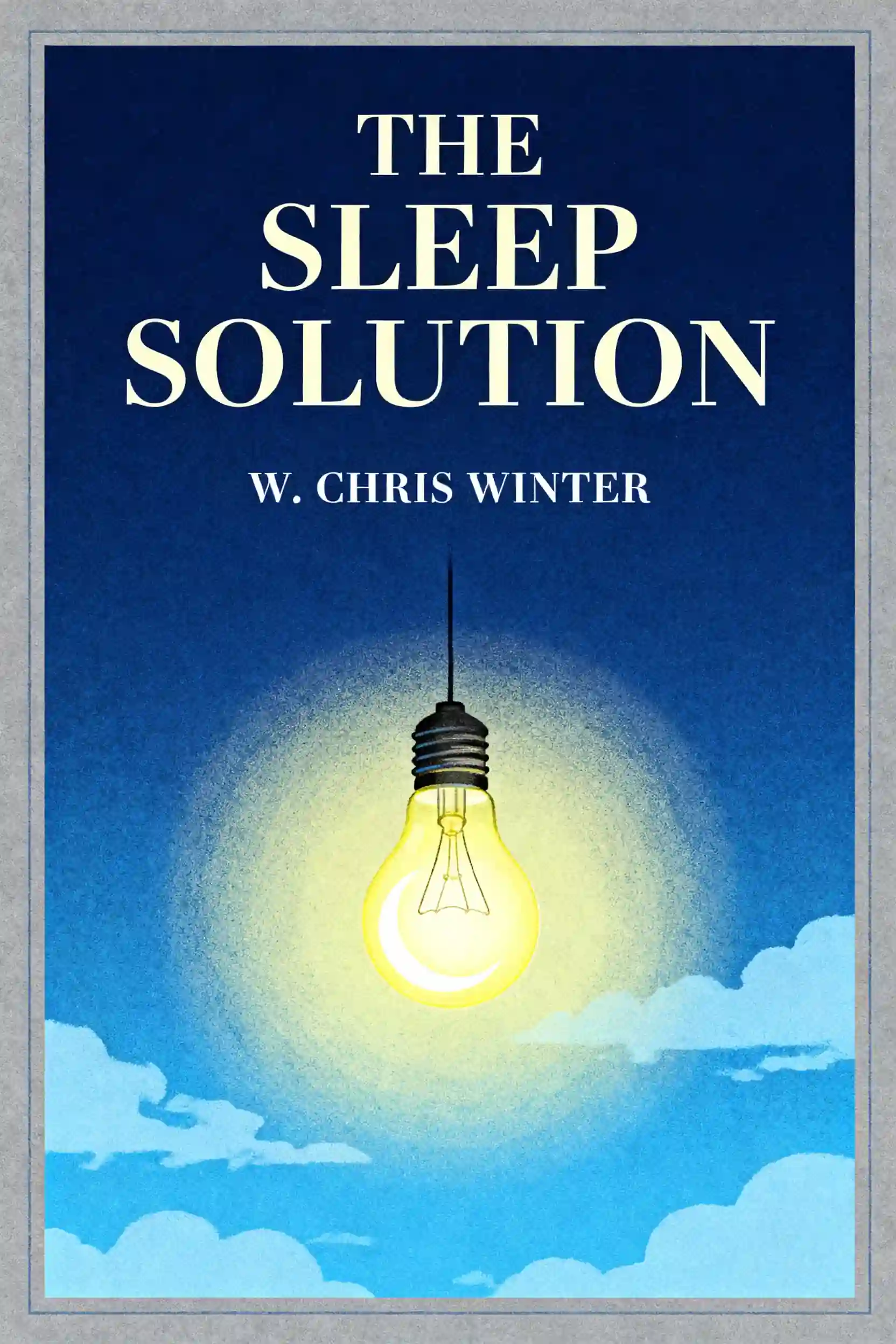
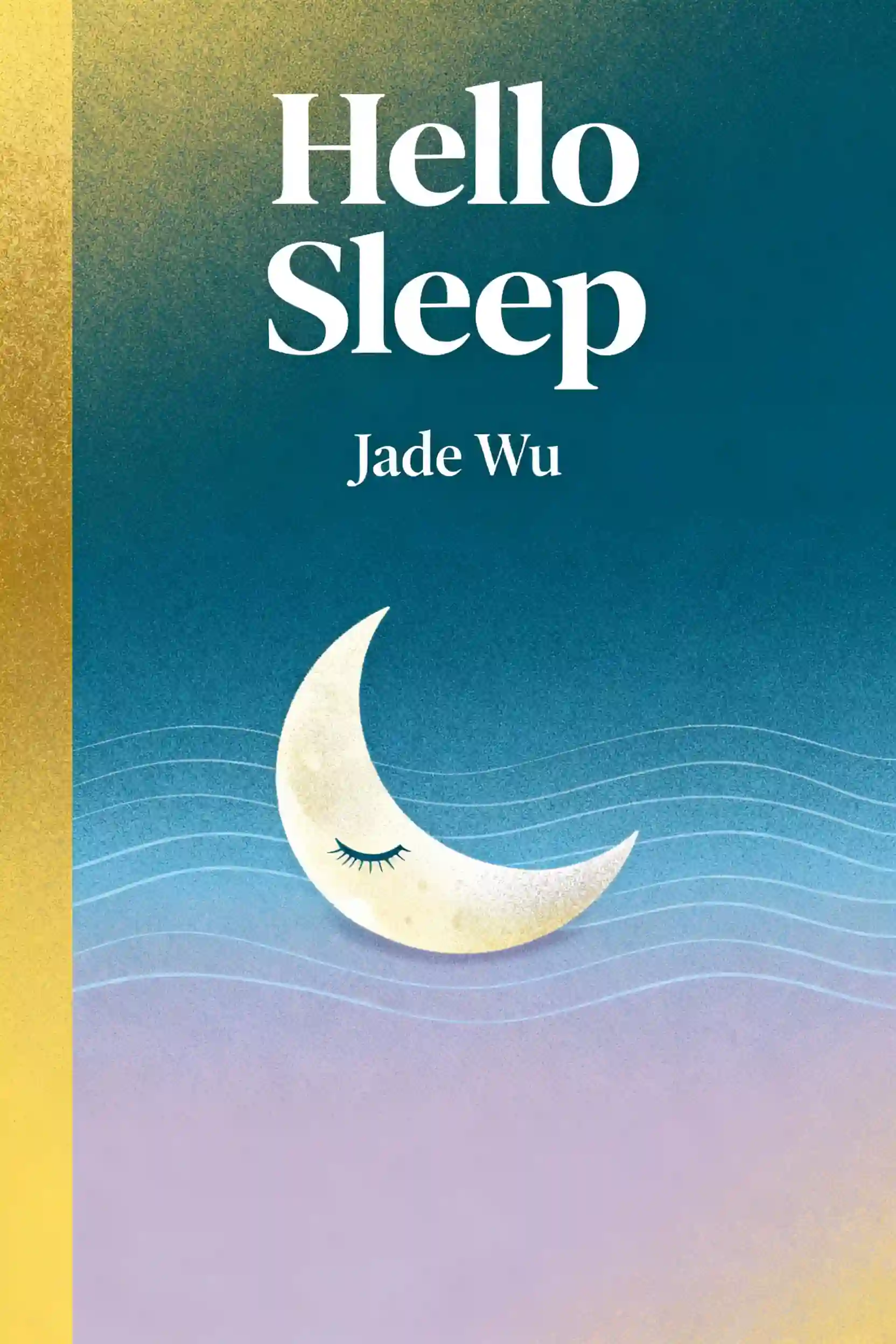
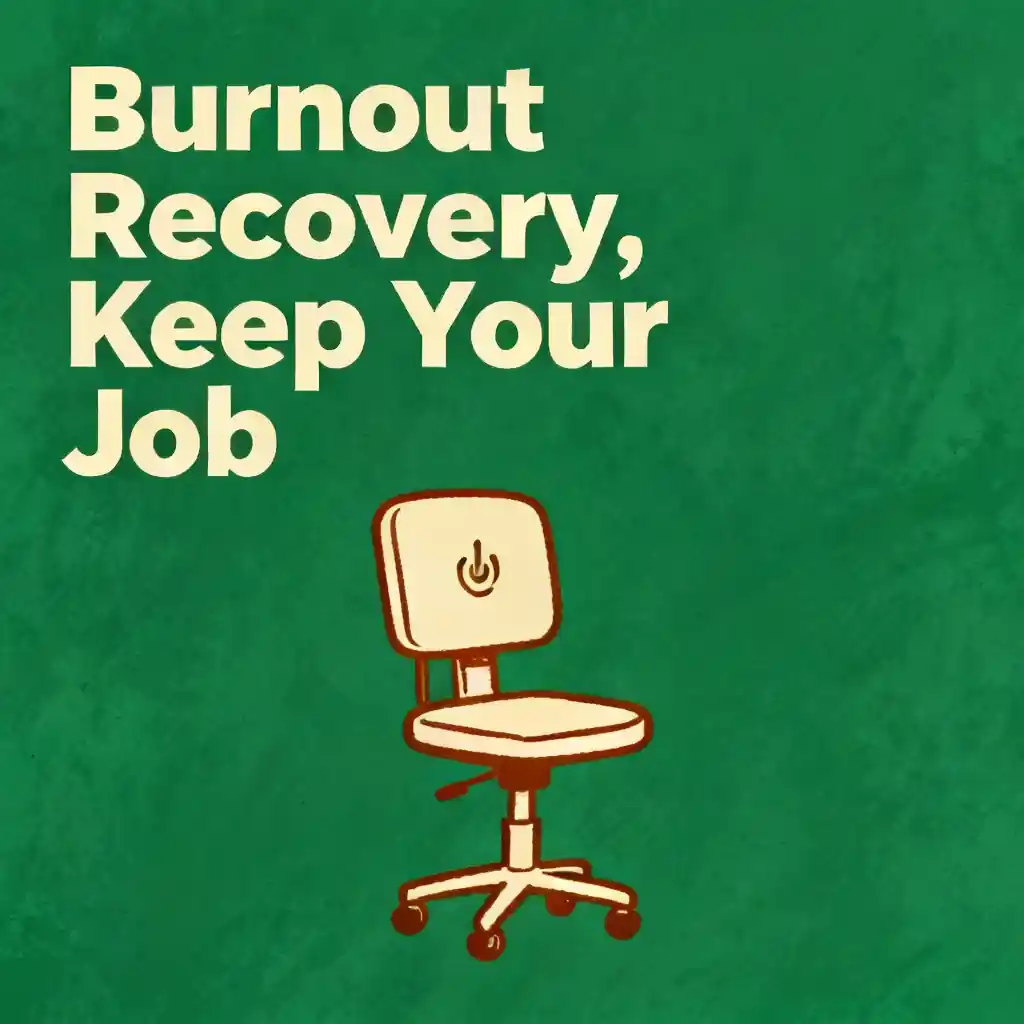
How to fix waking up tired, and stress

자주 묻는 질문
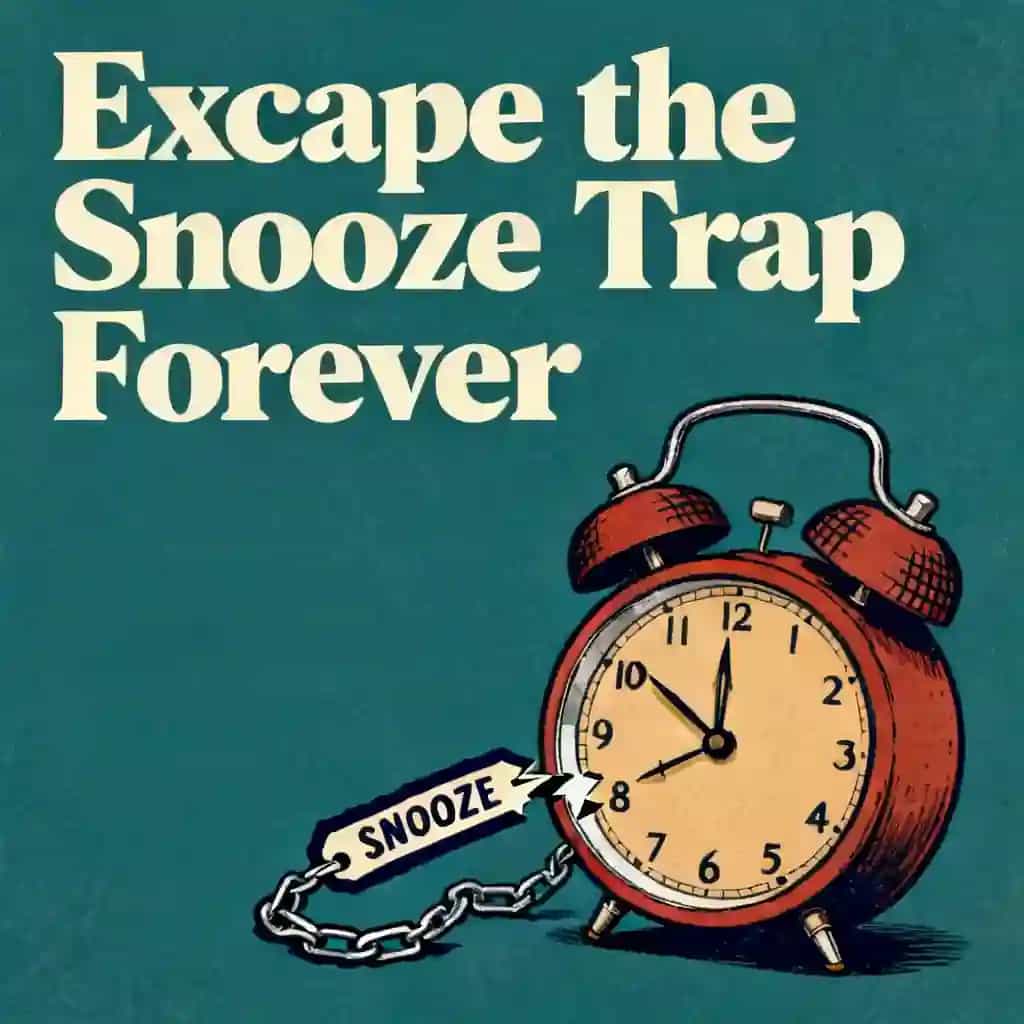
This "morning paradox" occurs because energy is not merely a result of time spent asleep, but a reflection of your internal hormonal rhythms and the quality of your "rest and repair" cycles. If your HPA axis—the communication line between your brain and adrenal glands—is dysfunctional due to chronic stress, your body may fail to produce a necessary morning peak of cortisol. Without this natural "energy hormone" spike to mobilize glucose and alertness, you remain in a "zombie" state regardless of how many hours you spent in bed.
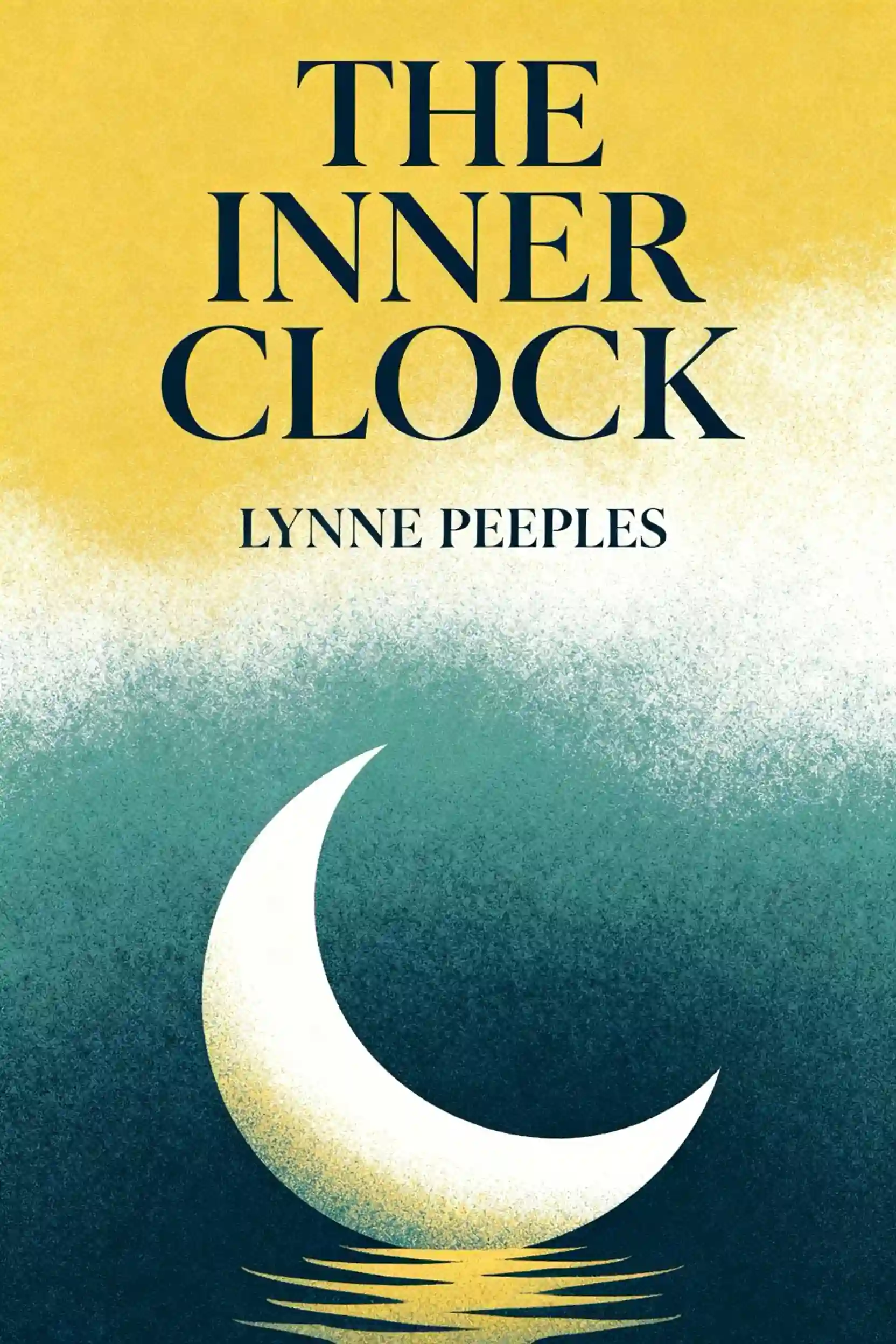
Contrary to popular belief, cortisol is a vital hormone of energy and is non-negotiable for human health. It is designed to follow a "mountain" shape: peaking high in the morning to provide alertness and physical mobility, then gradually sliding down to its lowest point at night to allow for sleep. Problems only arise when the rhythm is disrupted—such as staying high at night due to blue light or stress—which blocks restorative sleep and prevents the body from transitioning into an anabolic repair mode.
Brain fog is often caused by a buildup of metabolic waste, such as beta-amyloid, which accumulates in the brain during the day. During deep, slow-wave sleep, the glymphatic system acts as a "power wash" where brain cells shrink to allow cerebrospinal fluid to flush out this debris. If stress or caffeine prevents you from reaching these deep stages of sleep, the "street sweepers" cannot finish their job, leaving your brain physically "clogged" with leftover waste that impairs memory, focus, and emotional regulation the next morning.
Viewing bright, natural outdoor light within thirty minutes of waking acts as a biological "start button" for your internal clock. This high-intensity light exposure (which is significantly stronger than indoor lighting) triggers the necessary morning cortisol spike and simultaneously sets a 16-hour internal timer for the release of melatonin. By signaling to your brain exactly when the day has begun, you ensure that your body will naturally prepare for sleep later that evening.
When you wake up, your brain is still clearing out adenosine, a chemical that builds up throughout the day to create "sleep pressure." If you consume caffeine immediately, it simply blocks the adenosine receptors rather than allowing the chemical to be cleared naturally by your morning cortisol spike. Once the caffeine wears off in the afternoon, the leftover adenosine rushes back to the receptors all at once, leading to a massive energy crash. Waiting 90 minutes allows your system to clear the "sleepiness" chemicals naturally before adding a stimulant.
샌프란시스코에서 컬럼비아 대학교 동문들이 만들었습니다
"Instead of endless scrolling, I just hit play on BeFreed. It saves me so much time."


"I never knew where to start with nonfiction—BeFreed’s book lists turned into podcasts gave me a clear path."


"Perfect balance between learning and entertainment. Finished ‘Thinking, Fast and Slow’ on my commute this week."
"Crazy how much I learned while walking the dog. BeFreed = small habits → big gains."
"Reading used to feel like a chore. Now it’s just part of my lifestyle."

"Feels effortless compared to reading. I’ve finished 6 books this month already."
"BeFreed turned my guilty doomscrolling into something that feels productive and inspiring."

"BeFreed turned my commute into learning time. 20-min podcasts are perfect for finishing books I never had time for."
"BeFreed replaced my podcast queue. Imagine Spotify for books — that’s it. 🙌"

"It is great for me to learn something from the book without reading it."
"The themed book list podcasts help me connect ideas across authors—like a guided audio journey."
"Makes me feel smarter every time before going to work"
 Ask ChatGPT
 Ask Claude
샌프란시스코에서 컬럼비아 대학교 동문들이 만들었습니다
"Instead of endless scrolling, I just hit play on BeFreed. It saves me so much time."
"I never knew where to start with nonfiction—BeFreed’s book lists turned into podcasts gave me a clear path."
"Perfect balance between learning and entertainment. Finished ‘Thinking, Fast and Slow’ on my commute this week."
"Crazy how much I learned while walking the dog. BeFreed = small habits → big gains."
"Reading used to feel like a chore. Now it’s just part of my lifestyle."
"Feels effortless compared to reading. I’ve finished 6 books this month already."
"BeFreed turned my guilty doomscrolling into something that feels productive and inspiring."
"BeFreed turned my commute into learning time. 20-min podcasts are perfect for finishing books I never had time for."
"BeFreed replaced my podcast queue. Imagine Spotify for books — that’s it. 🙌"
"It is great for me to learn something from the book without reading it."
"The themed book list podcasts help me connect ideas across authors—like a guided audio journey."
"Makes me feel smarter every time before going to work"
"Instead of endless scrolling, I just hit play on BeFreed. It saves me so much time."
"I never knew where to start with nonfiction—BeFreed’s book lists turned into podcasts gave me a clear path."
"Perfect balance between learning and entertainment. Finished ‘Thinking, Fast and Slow’ on my commute this week."
"Crazy how much I learned while walking the dog. BeFreed = small habits → big gains."
"Reading used to feel like a chore. Now it’s just part of my lifestyle."
"Feels effortless compared to reading. I’ve finished 6 books this month already."
"BeFreed turned my guilty doomscrolling into something that feels productive and inspiring."
"BeFreed turned my commute into learning time. 20-min podcasts are perfect for finishing books I never had time for."
"BeFreed replaced my podcast queue. Imagine Spotify for books — that’s it. 🙌"
"It is great for me to learn something from the book without reading it."
"The themed book list podcasts help me connect ideas across authors—like a guided audio journey."
"Makes me feel smarter every time before going to work"
"Instead of endless scrolling, I just hit play on BeFreed. It saves me so much time."
"I never knew where to start with nonfiction—BeFreed’s book lists turned into podcasts gave me a clear path."
"Perfect balance between learning and entertainment. Finished ‘Thinking, Fast and Slow’ on my commute this week."
"Crazy how much I learned while walking the dog. BeFreed = small habits → big gains."
"Reading used to feel like a chore. Now it’s just part of my lifestyle."
"Feels effortless compared to reading. I’ve finished 6 books this month already."
"BeFreed turned my guilty doomscrolling into something that feels productive and inspiring."
"BeFreed turned my commute into learning time. 20-min podcasts are perfect for finishing books I never had time for."
"BeFreed replaced my podcast queue. Imagine Spotify for books — that’s it. 🙌"
"It is great for me to learn something from the book without reading it."
"The themed book list podcasts help me connect ideas across authors—like a guided audio journey."
"Makes me feel smarter every time before going to work"