정말이지 아직 앱을 다 써 보지도 않았는데, 며칠 써 본 것만으로도 깊은 인상을 받았어요… BeFreed는 제가 써 본 어떤 학습 앱과도 차원이 달라요. 몰입감이 엄청나고 집중력도 실제로 좋아져서, 스마트폰을 하염없이 스크롤하는 분들께 딱이에요!
@ladyInfinity
Discover how to transform passive hearing into deep connection through intentional presence, nervous system regulation, and the science of making others feel truly seen.

Active listening is witnessing someone else’s existence; it is the choice to put your own world on pause to ensure the other person feels seen, heard, and understood.
how to show deep intrest for someone and show that you listen

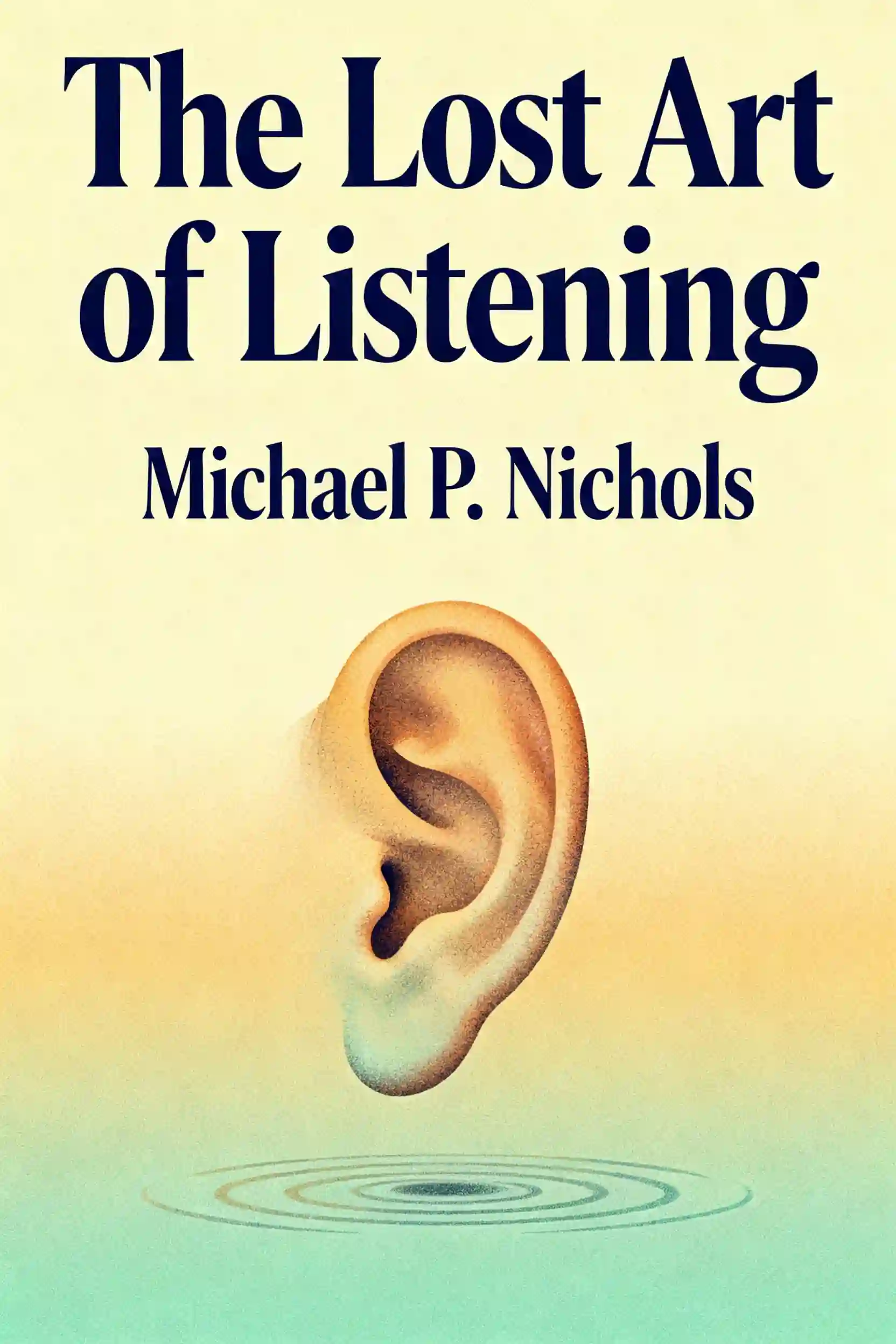
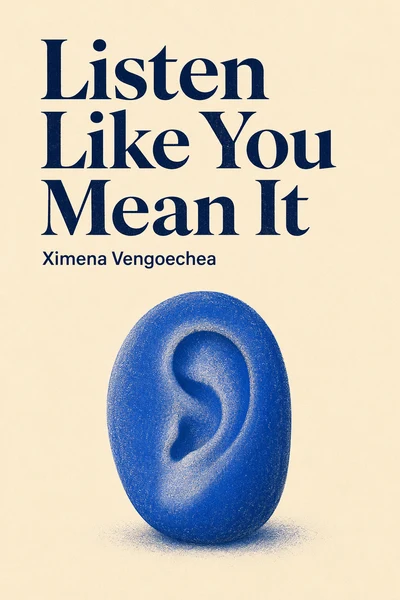
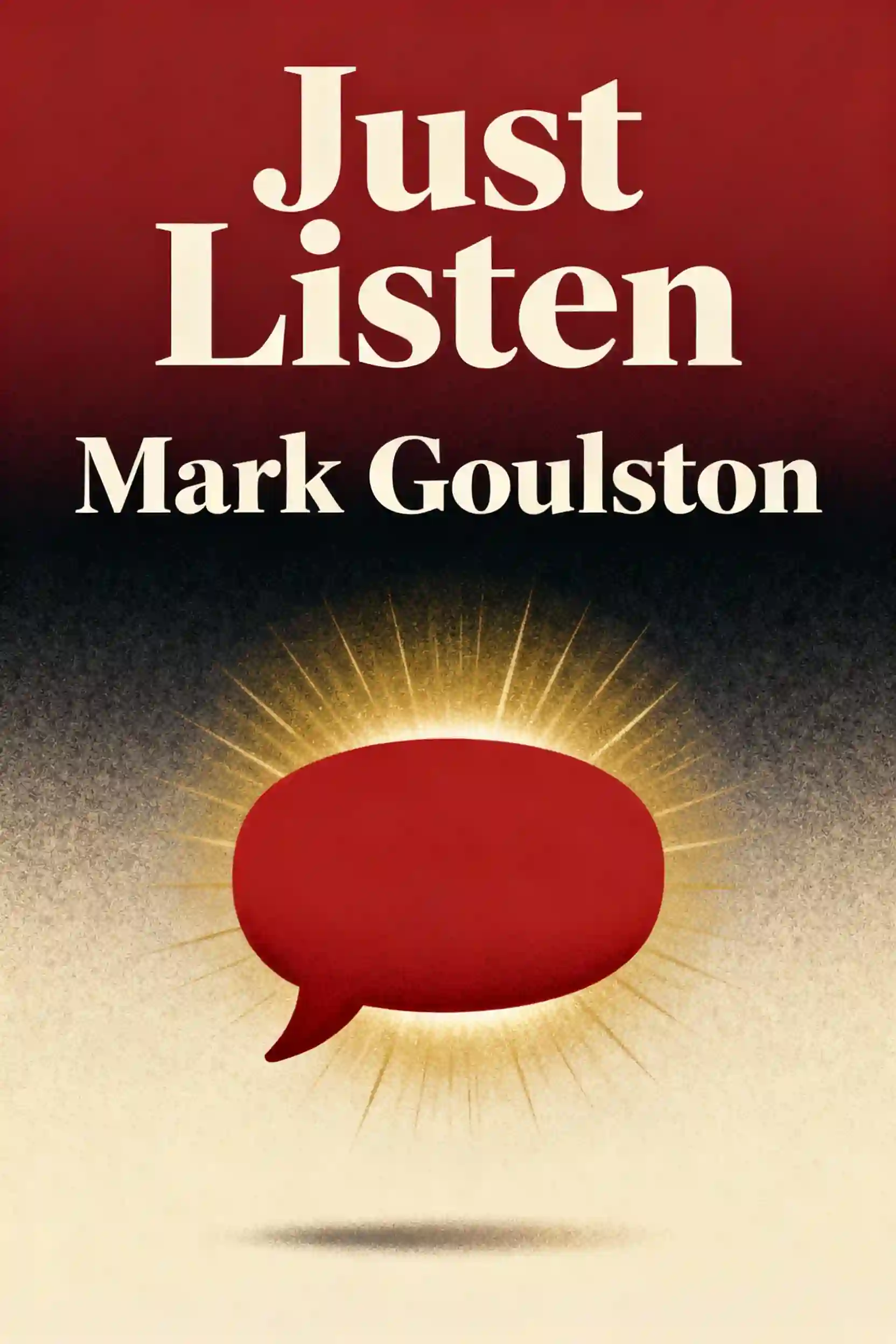

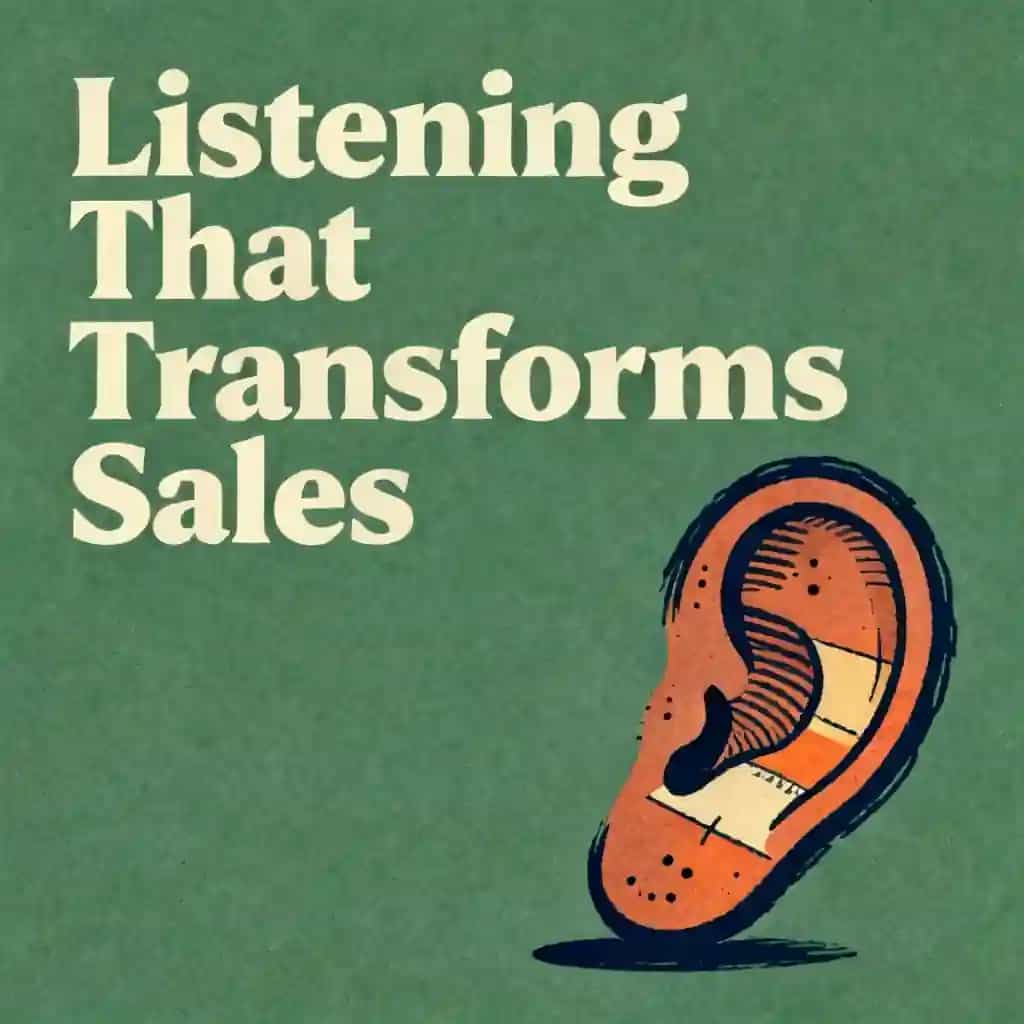
Passive hearing is a default state where sound waves reach the ears but the brain does not fully process the information, often because the listener is distracted or simply waiting for their turn to speak. In contrast, active listening is an intentional cognitive process involving three distinct stages: sensing (picking up on tone and non-verbal cues), processing (interpreting the message without immediate bias), and responding (reflecting the speaker’s thoughts back to them). Research suggests that multitasking during a conversation can reduce comprehension by up to forty percent, making active listening essential for truly understanding another person.
Validation is not about blind agreement; it is about acknowledging that the other person’s experience and emotions are rational and "sensible" from their perspective. You can validate someone by reflecting their feelings and needs—for example, saying, "It makes sense that you’re frustrated because you felt like you followed the signs." This "name it to tame it" technique lowers the arousal in the speaker's brain and makes them feel seen, which de-escalates tension and creates a safe environment for further dialogue without requiring you to abandon your own position.
While "why" questions may seem like a sign of natural curiosity, they often function as an interrogation that forces the speaker to justify their feelings or actions. This can inadvertently trigger defensiveness and make the person feel judged. Instead, it is more effective to use open-ended "what" or "how" questions, such as "What is making you feel sad?" or "How did that situation affect you?" These prompts act as an invitation for the speaker to explore their inner world rather than a demand for a logical defense of their emotions.
Conversational hijacking occurs when a listener uses self-disclosure to shift the spotlight from the speaker’s experience to their own. While saying "me too" can be a way to build a bond, it becomes a "listening crime" when the listener begins a long monologue about their own life. To avoid this, use your own experiences as a "short bridge" that leads back to the speaker. A helpful rule of thumb is to ask for permission before sharing a similar story and to always "boomerang" the focus back to the other person by asking a follow-up question about their specific situation.
Active listening is a whole-body experience that can lead to "co-regulation," where the heart rates and micro-expressions of the speakers actually begin to sync up. When a listener provides a "safe harbor" through open posture and attuned eye contact, it signals the speaker's nervous system to move out of a "fight-or-flight" state and into a "connect-and-communicate" state. This biological shift removes the sense of threat, allowing the brain to think more creatively and making it easier to find solutions to problems.
컬럼비아 대학교 동문들이 제작 | 샌프란시스코에서 개발
평균 평점
앱 평가 7.84천 개 이상
BeFreed 커뮤니티
정말이지 아직 앱을 다 써 보지도 않았는데, 며칠 써 본 것만으로도 깊은 인상을 받았어요… BeFreed는 제가 써 본 어떤 학습 앱과도 차원이 달라요. 몰입감이 엄청나고 집중력도 실제로 좋아져서, 스마트폰을 하염없이 스크롤하는 분들께 딱이에요!
@ladyInfinity
정확히 23일 전에 BeFreed를 구입했는데, 그날부터 하루도 빠짐없이 쓰고 있어요. 제 일상 업무 흐름과 학습 습관에 완전히 자리 잡았어요.
@jayallen
솔직히 이 앱은 제 기대를 전부 뛰어넘었어요. 어떤 주제든 오디오로 만들어 달라고 할 수 있고, 결과물이 놀라워요. 제 전문 분야는 심리치료 쪽이고 여러 학문이 얽혀 있는데도 답변이 아주 정확해요.
@Raguipa
제일 고마운 건 스크롤하는 시간이 확 줄었다는 거예요. 검색하는 시간은 줄고 흡수하는 시간은 늘었어요. 오디오북 전권, 팟캐스트, 학습 플랜의 조합이 정말 훌륭해요.
@colonyofcreatorsNGO
저는 24년째 PhotoReading 속진 학습 강사로 일하고 있어요… 책과 독서, 배움이 제 전문인데, BeFreed는 정보를 소화하기 쉽게 전달하는 혁신적인 방식을 정말 잘 구현했어요.
@BeFreed user
단순한 책 요약 앱이 아니에요. '재미' 스타일을 써 봤는데, 전통적인 방식보다 훨씬 나은 요약이고 아이디어를 이해하기도 쉬워요. 이것만으로도 값어치를 해요.
@austinakon
이 앱이 정말 좋아요. 며칠 써 봤는데 듣는 걸 멈출 수가 없어요. 시작하기에 이보다 좋을 수 없어요.
@jcrules328
정말 마음에 들어요. 한 달 정도 써 봤는데 숨은 보석을 찾은 기분이에요. BeFreed로 제가 원하는 주제를 직접 만들 수 있어서 좋고, 목소리도 훌륭한 데다 내레이션 선택지가 무궁무진해요.
@DanielCZ
유용한 정보와 아이디어를 8~15분짜리 팟캐스트 스타일 오디오로 압축해서 들을 수 있다는 게 정말 좋아요. 원래 팟캐스트는 군더더기가 많아서 안 좋아했는데, 여기는 그걸 싹 걷어냈어요.
@BeFreed user
박사 과정을 마무리하는 중이라 낯선 자료를 많이 읽어야 해요… BeFreed에서는 프롬프트만 입력하면 앱이 자료를 찾아서 오디오 팟캐스트로 만들어 줘요. BeFreed의 과정이 NotebookLM보다 더 매끄럽게 느껴져요.
@Brad
아침을 준비하거나 산책하거나 출퇴근할 때 들을 것을 YouTube에서 자주 찾곤 했는데, BeFreed는 광고도 군더더기도 없이 훨씬 더 딱 맞는 걸 들려줘요!
@BeFreed user
이 플랫폼의 가장 큰 장점은 활용도예요. 다루지 못하는 주제가 말 그대로 하나도 없어요. 무엇을 던져도 다 소화해요… 제한이 전혀 없으면서 약속을 실제로 지키는 학습 도구는 정말 드물어요.
@jayallen
BeFreed는 환상적이에요. 디자인이 편해서 헤매는 시간은 줄고 배우는 시간은 늘었어요. 오디오북, 팟캐스트, 학습 플랜의 조합은 천재적이에요. 제 하루가 완전히 달라졌어요.
@BeFreed user
처음엔 이탈리아어로 팟캐스트를 만드는 방법을 이해하는 데 시간이 좀 걸렸는데, 알고 나니까 — 와! 정말 대단해요! 어떤 주제든 설명해 달라고 하면 정말 똑똑하게 잘 설명해 줘요!
@matteo77
BeFreed는 제가 매일 쓰는 오디오북 앱이 됐어요… 제일 마음에 드는 건 텍스트를 넣으면 이동 중에도 들을 수 있는 오디오로 만들어 준다는 점이에요.
@kotanzu1




In an era of digital distraction, the ability to truly see and hear others is a rare leadership superpower. This plan is designed for leaders, coaches, and partners who want to transform superficial interactions into profound relationships through emotional intelligence and presence.
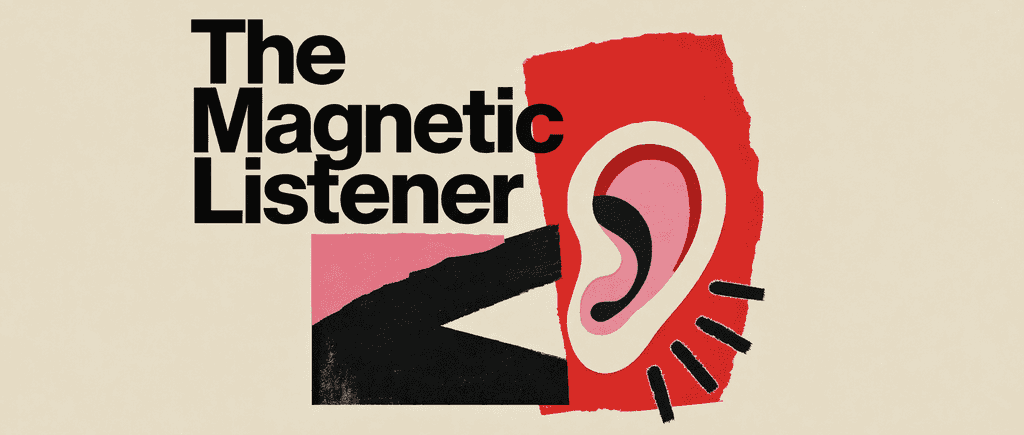
In an era of digital distraction, the ability to truly connect is a rare and powerful competitive advantage. This plan is designed for professionals and leaders who want to command authority while fostering deep, authentic influence through the art of presence.

In an increasingly digital world, the ability to forge genuine face-to-face connections is a rare and vital skill. This plan is designed for professionals and introverts who want to move past awkward small talk and build meaningful relationships with confidence.

In an age of digital distraction, mastering the nuances of face-to-face attraction and deep listening is more valuable than ever. This plan is ideal for individuals looking to boost their social confidence, improve dating outcomes, and build more meaningful human connections.

In an era of superficial communication, finding your genuine resonance is a competitive advantage. This plan is designed for leaders and speakers who want to bridge the gap between their inner identity and their public presence by removing physical and mental blocks.

In an age of constant noise, the ability to truly listen is a rare and valuable social superpower. This plan is ideal for individuals looking to improve their social intelligence, build stronger rapport, and balance self-expression with active engagement.

This plan is designed for professionals and individuals who feel drained by people-pleasing and external expectations. It provides the psychological tools needed to trade social performance for genuine self-expression and confidence.

In professional environments, what is said is often less important than how it sounds. This plan is essential for negotiators, investigators, and leaders who need to decode hidden vocal cues to assess credibility and influence effectively.