BeFreed
    Categories>Relationships>Beyond Control: The Path to Connection

    Beyond Control: The Path to Connection

    19분
    |
    |
    2026년 2월 5일
    • Relationships
    • Psychology
    • Communication

    Discover how shifting from control to creating safety can transform your relationship with a dismissive-avoidant partner, focusing on emotional intelligence rather than 'getting someone back in line.'

    Beyond Control: The Path to Connection
    0:00 / 0:00
    전달 방식을 선택하세요

    하나의 에피소드, 다양한 청취 방식.

    Beyond Control: The Path to Connection의 같은 아이디어를 나에게 맞는 목소리, 깊이, 속도로 만나보세요. 언제든 바꿀 수 있습니다.

    전체 대본 및 챕터

    챕터 1

    Beyond Control: Real Connection

    Eli: You know, I got a message the other day from a listener whose situation really struck me. He described his wife as a "dismissive avoidant" who's angry with him, and he was looking for ways to, in his words, "get her back in line" for a more harmonious marriage. There's so much to unpack there.

    Nia: Oh, I can hear the frustration in his message. When relationships feel disconnected, it's natural to search for solutions that might restore harmony. But that framing—getting someone "back in line"—reveals a fundamental misunderstanding about how secure connections actually work.

    Eli: Exactly. And it's interesting how attachment styles play into this. The sources mention that people with dismissive-avoidant attachment often pull away when relationships get too close, not because they don't care, but because closeness triggers anxiety for them.

    Nia: Right, and what's fascinating is that research shows dismissive-avoidants actually process breakups differently—they might seem fine initially but struggle more 4 weeks to 3 months later. They're not cold or unfeeling; they're just managing connection in the way they learned was safest.

    Eli: Which makes me wonder—is the goal really to "lead" someone back, or is it to create the conditions where both people feel safe enough to connect authentically?

    Nia: That's the heart of it. Let's explore how shifting from control to connection might transform this situation entirely.
    챕터 2

    Understanding Her Inner World

    Nia: So let's start by really understanding what's happening inside your wife's emotional world. When someone has a dismissive-avoidant attachment style, they're not trying to be difficult or cold—they're operating from a deeply ingrained survival strategy.

    Eli: That's such an important reframe. The sources talk about how dismissive-avoidants learned early in life that emotions weren't safe or welcome. Maybe they had parents who were emotionally unavailable, or they were told to "toughen up" whenever they expressed feelings.

    Nia: Exactly. And here's what's really happening neurologically—their brains literally process emotions differently. Research shows they have reduced activation in emotional processing centers. So when you're reaching for connection, her system might be interpreting that as overwhelming or threatening, even if consciously she wants closeness too.

    Eli: It's like they developed this incredible self-sufficiency as children because depending on others felt risky. But now in marriage, that same independence can feel like rejection to their partner.

    Nia: Right. And when she gets angry, that's actually valuable information. Anger often masks more vulnerable emotions like fear or hurt. For dismissive-avoidants, anger might be one of the few emotions that feels safe to express because it creates distance rather than requiring vulnerability.

    Eli: So when our listener says she's "angry with him," what might really be happening underneath that anger?

    Nia: She could be feeling misunderstood, pressured, or like her need for space isn't being respected. Maybe she's overwhelmed by emotional intensity and doesn't know how to communicate that without seeming rejecting. The anger becomes a protective barrier.

    Eli: And if he responds to that anger with attempts to control or "get her back in line," he's actually reinforcing the very dynamic that's causing her to withdraw in the first place.

    Nia: Absolutely. It confirms her unconscious belief that relationships are controlling or suffocating. The more he pursues, the more she'll likely retreat. It's like trying to catch a butterfly by chasing it with a net.

    이 에피소드로 더 깊이 배우기

    이 에피소드의 아이디어를 BeFreed의 가이드 학습 경험으로 더 깊이 탐구해 보세요.

    챕터 3

    The Anxious-Avoidant Dance

    Eli: This brings up something really important from the research—this classic anxious-avoidant dynamic that so many couples get trapped in. Can you paint a picture of what this looks like day-to-day?

    Nia: Oh, it's exhausting for both people. The anxiously attached partner—which sounds like our listener—feels this constant need for reassurance and connection. When their partner pulls away, it triggers their deepest fear of abandonment, so they pursue harder.

    Eli: And meanwhile, the avoidant partner experiences that pursuit as pressure or control, which triggers their fear of being engulfed or losing their independence. So they withdraw even more to protect themselves.

    Nia: It becomes this painful cycle where each person's attempt to feel safe actually makes their partner feel less safe. The anxious partner thinks, "If I just try harder, if I just prove my love enough, they'll come back to me." But that effort often feels overwhelming to the avoidant partner.

    Eli: The sources mention something called "protest behaviors" that anxious partners might engage in—things like excessive calling, checking up, or even getting angry to try to get a response.

    Nia: Yes, and from the outside, these might look controlling or needy. But they're actually desperate attempts to restore connection when someone feels their relationship is threatened. The anxious system is essentially screaming, "Please don't leave me!"

    Eli: While the avoidant system is responding, "I need space to breathe!" Neither person is wrong—they're just operating from different nervous system states and different definitions of safety.

    Nia: And here's what's really important for our listener to understand—trying to "get her back in line" is essentially asking her to abandon her coping strategy without offering her a safer alternative. It's like asking someone to take off their coat in a blizzard.

    Eli: So what would a safer alternative look like? How do you create conditions where an avoidant partner might actually want to move closer rather than feeling forced to?

    Nia: That's the million-dollar question, and it requires a complete shift in approach—from control to curiosity, from pressure to patience.

    챕터 4

    Creating Safety Instead of Control

    Nia: Let's talk about what actually creates safety for someone with a dismissive-avoidant attachment style, because it's probably the opposite of what our listener's instincts are telling him to do.

    Eli: The sources are really clear about this—respect for autonomy is crucial. One expert suggests that the more their independence is respected, the less compelled they feel to rely on distancing strategies.

    Nia: That's such a counterintuitive insight. It's like giving someone permission to leave makes them more likely to stay. When avoidant partners don't feel trapped or controlled, they can choose connection from a place of freedom rather than obligation.

    Eli: So practically speaking, what does this look like? If his wife needs space, instead of pursuing or questioning it, he might say something like, "I can see you need some time to yourself. I'll be here when you're ready."

    Nia: Exactly. And here's what's happening neurologically when you do that—you're not activating her threat detection system. Her nervous system can actually relax because she's not having to defend her boundaries.

    Eli: The research talks about something called "earned secure attachment"—the idea that even if you didn't develop secure attachment as a child, you can develop it through corrective experiences in adult relationships.

    Nia: Right, and these corrective experiences happen when someone consistently responds to your attachment needs in a way that feels safe and attuned. For an avoidant person, that might mean having their need for space honored, their independence celebrated, and their contributions valued without emotional pressure.

    Eli: It's like you're proving through your actions that intimacy doesn't have to mean loss of self, that love doesn't require abandoning their protective strategies.

    Nia: And here's something beautiful that happens—when avoidant partners feel truly safe, they often become incredibly loyal and devoted. Their independence wasn't about not caring; it was about protecting their ability to care without being hurt.

    Eli: So the "masculine leadership" our listener is looking for isn't about dominance or control—it's about creating such a secure foundation that both people can be authentic without fear.

    Nia: Absolutely. True leadership in a relationship is about emotional regulation, not emotional control. It's about being so grounded in yourself that you can hold space for your partner's different way of processing the world.

    이 에피소드로 더 깊이 배우기

    이 에피소드의 아이디어를 BeFreed의 가이드 학습 경험으로 더 깊이 탐구해 보세요.

    챕터 5

    The Emotional Immaturity Factor

    Eli: Our listener also mentioned that his wife is emotionally immature. This adds another layer to the situation that we should address directly.

    Nia: Yes, and it's important to understand what emotional immaturity actually looks like versus what might just be different attachment strategies. True emotional immaturity involves things like avoiding adult responsibilities, having poor coping skills, or being unable to see others' perspectives.

    Eli: The sources describe behaviors like throwing tantrums when confronted, blaming others instead of taking responsibility, or using escapism like excessive gaming or drinking to avoid difficult emotions.

    Nia: Right, and these behaviors often stem from never learning healthy emotional regulation skills in childhood. If someone grew up in an environment where emotions weren't welcomed or modeled appropriately, they might genuinely not know how to handle adult emotional situations.

    Eli: But here's what's tricky—some behaviors that look like emotional immaturity might actually be trauma responses. Someone who shuts down during conflict isn't necessarily being immature; they might be experiencing nervous system overwhelm.

    Nia: That's such an important distinction. The sources mention that when people get physiologically flooded during arguments, they literally can't access their higher-order thinking. Their heart rate increases, they have difficulty focusing, and they feel overwhelmed.

    Eli: So if his wife withdraws or seems to "shut down" during difficult conversations, the response isn't to push harder or demand she "act like an adult." It's to recognize that her nervous system needs time to regulate.

    Nia: Exactly. And this is where that masculine leadership really comes in—not as dominance, but as emotional steadiness. When you can stay regulated while your partner is dysregulated, you become a co-regulating presence rather than adding to the chaos.

    Eli: The sources talk about something called "stonewalling"—when someone completely withdraws from interaction. But they explain it's often a protective response when someone feels overwhelmed, not a deliberate attempt to punish their partner.

    Nia: And the antidote isn't to break down their walls—it's to make it safe enough that they don't need the walls. This might mean learning to communicate in ways that don't trigger their overwhelm response.

    챕터 6

    Communication That Actually Works

    Nia: Let's get really practical here. The sources provide specific strategies for communicating with dismissive-avoidant partners that actually create connection instead of more distance.

    Eli: One of the most important things is timing. You can't have meaningful conversations when someone's nervous system is activated. The research suggests waiting for moments when both people are calm and regulated.

    Nia: And when you do communicate, the approach matters enormously. Instead of starting with "You always..." or "You never...," which immediately puts someone on the defensive, you want to use what the sources call "I statements."

    Eli: So instead of "You never help with the kids," it might be "I feel overwhelmed managing bedtime alone. Could we figure out a way to share this responsibility?"

    Nia: Exactly. And notice how that second version includes a collaborative element—"could we figure out"—rather than a demand. It invites problem-solving rather than triggering defensiveness.

    Nia: The sources also emphasize being direct and explicit. Many dismissive-avoidants don't have the same emotional vocabulary or attunement skills as other attachment styles. They might genuinely not pick up on subtle cues or hints.

    Eli: So if you need something, ask for it clearly. If you're hurt by something, explain it directly. Don't expect them to read between the lines or intuit your emotional state.

    Nia: And here's something really important—focus on specific behaviors rather than character assessments. Instead of "You're so cold and distant," try "When you don't respond to my texts, I worry that something's wrong between us."

    Eli: The sources mention something called "gentle start-ups"—beginning difficult conversations in a non-attacking way. This dramatically increases the chances of actually being heard rather than triggering defensiveness.

    Nia: Right, and there's also this concept of "repair attempts"—small actions that de-escalate tension during conflicts. For avoidant partners, this might be acknowledging their perspective or taking a break when emotions get too intense.

    Eli: What I find fascinating is how this communication style actually benefits everyone, not just avoidant partners. When you communicate clearly, directly, and without blame, it creates more safety for everyone involved.

    이 에피소드로 더 깊이 배우기

    이 에피소드의 아이디어를 BeFreed의 가이드 학습 경험으로 더 깊이 탐구해 보세요.

    챕터 7

    Building Emotional Intelligence Together

    Eli: Since emotional immaturity was part of our listener's concern, let's talk about how couples can actually grow emotional intelligence together rather than one person trying to fix the other.

    Nia: This is so important because emotional intelligence isn't fixed—it can be developed throughout life. And it often develops best in the context of safe relationships where people can practice new skills.

    Eli: The sources talk about helping partners learn to identify and express emotions. For someone who wasn't taught emotional vocabulary as a child, this might mean literally learning the words for different feelings.

    Nia: Right, and you can do this together. Instead of criticizing your partner for not being emotionally expressive, you might ask curious questions like "How are you feeling right now?" or "What's coming up for you when I say this?"

    Eli: And it's important to validate whatever they share, even if it's not what you want to hear. The sources emphasize that you don't need to agree with how someone feels, but you do need to accept that their feelings are valid.

    Nia: This creates what psychologists call "emotional safety"—the sense that all emotions are welcome and won't be criticized or dismissed. For someone with dismissive-avoidant attachment, this might be the first time they've experienced this kind of emotional acceptance.

    Eli: The sources also mention the importance of modeling emotional regulation. If you can stay calm during conflicts, communicate your needs clearly, and repair when things go wrong, you're teaching these skills through demonstration.

    Nia: And here's something beautiful that happens—when avoidant partners feel safe enough to be vulnerable, they often have incredibly rich emotional lives. Their withdrawal wasn't about not feeling; it was about protecting their feelings from being hurt or dismissed.

    Eli: So the goal isn't to change your partner's attachment style—it's to create conditions where their attachment system can relax and they can access more of their full emotional range.

    Nia: Exactly. And this benefits both people. The anxious partner gets the connection they're craving, and the avoidant partner gets to experience intimacy without losing their sense of self.

    챕터 8

    The Inner Work of Leadership

    Nia: Now let's address something crucial that our listener might not want to hear—real leadership in this situation starts with his own inner work, not with trying to change his wife.

    Eli: The sources are really clear about this. If you're constantly trying to control or fix your partner, you might actually be enabling their avoidance by not giving them space to take responsibility for their own growth.

    Nia: Right, and there's something called "codependency" that can develop where one partner becomes overly responsible for managing the other's emotions or behaviors. This actually prevents growth for both people.

    Eli: So our listener might need to ask himself some difficult questions. Did he have to be overly responsible in childhood? Is he repeating patterns of trying to take care of others to feel valuable or needed?

    Nia: These are such important questions because sometimes what we call "love" is actually anxiety-driven caretaking. And that kind of energy can feel suffocating to an avoidant partner, even when it comes from good intentions.

    Eli: The sources suggest that true masculine leadership—or really, secure leadership regardless of gender—involves being so grounded in yourself that you don't need your partner to behave a certain way for you to feel okay.

    Nia: That's profound. It means you can love your partner exactly as they are while also having clear boundaries about what you will and won't accept in the relationship.

    Eli: And when you're operating from that place of security, you're not trying to get anyone "back in line" because you're not deriving your sense of worth from controlling the relationship dynamic.

    Nia: Instead, you become what therapists call a "secure base"—someone your partner can depend on to be steady and consistent, regardless of what's happening emotionally.

    Eli: This might mean doing your own therapy work, developing your own emotional regulation skills, or examining your own attachment patterns and how they're showing up in the relationship.

    Nia: And here's what's interesting—when anxious partners do this inner work and become more secure, it often creates space for their avoidant partners to move closer. It's like you're no longer chasing them, so they don't need to run.

    이 에피소드로 더 깊이 배우기

    이 에피소드의 아이디어를 BeFreed의 가이드 학습 경험으로 더 깊이 탐구해 보세요.

    챕터 9

    Practical Steps for Real Change

    Eli: Alright, let's get really concrete. What are some specific, actionable steps our listener can take starting today that might shift this dynamic?

    Nia: First, I'd say practice what the sources call "emotional literacy." Start paying attention to your own emotional states throughout the day. When do you feel anxious? What triggers your need to pursue or control? Getting aware of your own patterns is the foundation for change.

    Eli: And when it comes to interacting with his wife, the sources suggest something counterintuitive—offer alone time before she has to ask for it. This shows you understand and respect her needs rather than seeing them as rejection.

    Nia: Yes, you might say something like "Hey, I'm going to take the kids to the park this afternoon so you can have some quiet time at home." This removes the burden of her having to defend her need for space.

    Eli: The sources also talk about learning each other's "love languages." For avoidant partners, this often means acts of service or quality time rather than words of affirmation or physical touch.

    Nia: Right, so instead of trying to express love through verbal reassurance or frequent physical affection—which might feel overwhelming—you might show love by handling practical tasks or planning activities you can enjoy together without emotional intensity.

    Eli: Another practical step is what the sources call "timeboxing" requests. Instead of having open-ended conversations about relationship issues, you might say "Could we talk about this for fifteen minutes after dinner?"

    Nia: That gives the avoidant partner a sense of control and containment. They know the conversation won't go on indefinitely, which makes it feel safer to engage.

    Eli: And when conflicts do arise, the sources emphasize taking breaks when emotions get too intense. You might say "I can see we're both getting activated. Let's take twenty minutes to calm down and then come back to this."

    Nia: This prevents the kind of flooding that leads to stonewalling or shutdown. It shows you're more interested in understanding each other than in winning arguments.

    Eli: For our listener specifically, I'd also suggest examining his language around the relationship. Moving from "getting her back in line" to "creating conditions for connection" is a fundamental shift in mindset.

    Nia: And finally, consider professional help. The sources mention that couples therapy, particularly approaches like Emotionally Focused Therapy, can be incredibly effective for anxious-avoidant couples. Sometimes you need a neutral third party to help break these entrenched patterns.

    챕터 10

    Creating Your New Story Together

    Nia: As we wrap this up, I want to leave our listener with something hopeful. The dynamic you're in right now doesn't have to be your permanent story. Attachment styles can shift, emotional intelligence can grow, and relationships can heal.

    Eli: What I find most encouraging in the research is that when anxious-avoidant couples do the work—both individually and together—they often develop incredibly strong, secure bonds. They've learned to navigate differences and create safety for each other.

    Nia: Your wife's dismissive-avoidant style isn't a character flaw to be fixed—it's an adaptation that once served her. And your anxious attachment isn't weakness—it's a deep capacity for connection. The goal is learning how to honor both styles while growing toward security together.

    Eli: Remember, the most attractive thing you can offer isn't control or pursuit—it's your own emotional stability and security. When you're grounded in yourself, you become someone your partner can trust and rely on.

    Nia: And to everyone listening who recognizes themselves in this dynamic, whether you're the anxious or avoidant partner, know that change is possible. It starts with understanding, requires patience, and flourishes with consistent, attuned responses to each other's needs.

    Eli: The harmony you're seeking isn't about getting anyone back in line—it's about creating a relationship where both people feel safe enough to be their authentic selves. And that's the foundation for love that actually lasts.

    Nia: Thanks for joining us today, and as always, we'd love to hear your thoughts and experiences. How are you creating safety and security in your own relationships? Send us your insights—we learn so much from your stories.

    Eli: Until next time, keep growing, keep connecting, and remember that the most profound changes often start with the smallest shifts in how we show up for each other.

    ★★★★★

    Beyond Control: The Path to Connection의 끝까지 도달했어요

    “23일째 매일 사용하고 있어요. 이제 제 일상의 한 부분이 되었습니다.”

    jayallen

    Beyond Control: The Path to Connection 베스트 인용

    “

    True leadership in a relationship is about emotional regulation, not emotional control. It's about being so grounded in yourself that you can hold space for your partner's different way of processing the world.

    ”
    F

    Generated by Filley

    질문 입력

    My wife is a dismissive avoidant and is angry with me. She is also emotionally immature. Give me a masculine leadership strategy to get her back in line so we can have a harmonious marriage and household

    호스트 음성
    Eliplay
    Niaplay
    지식 출처
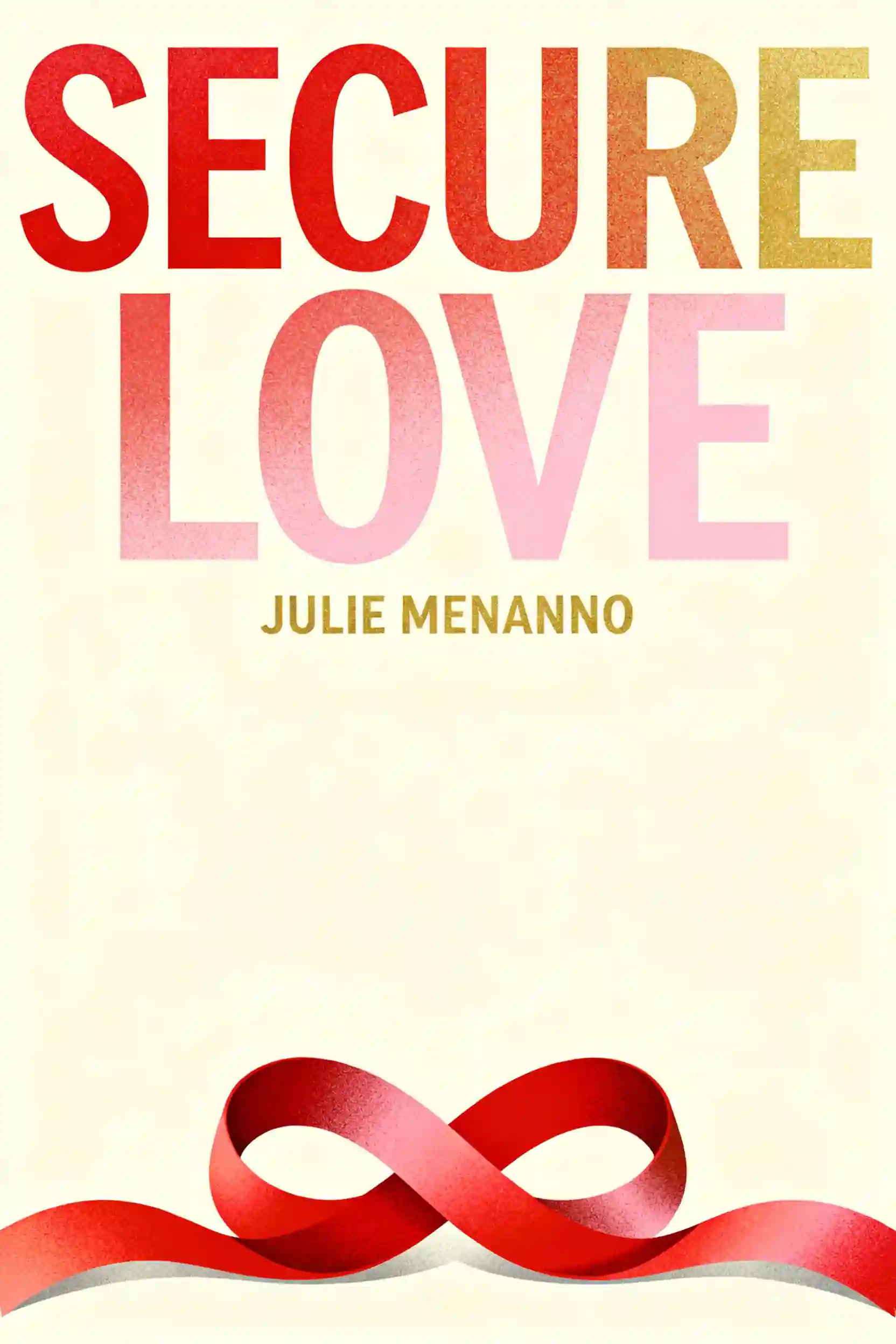
    Secure Love
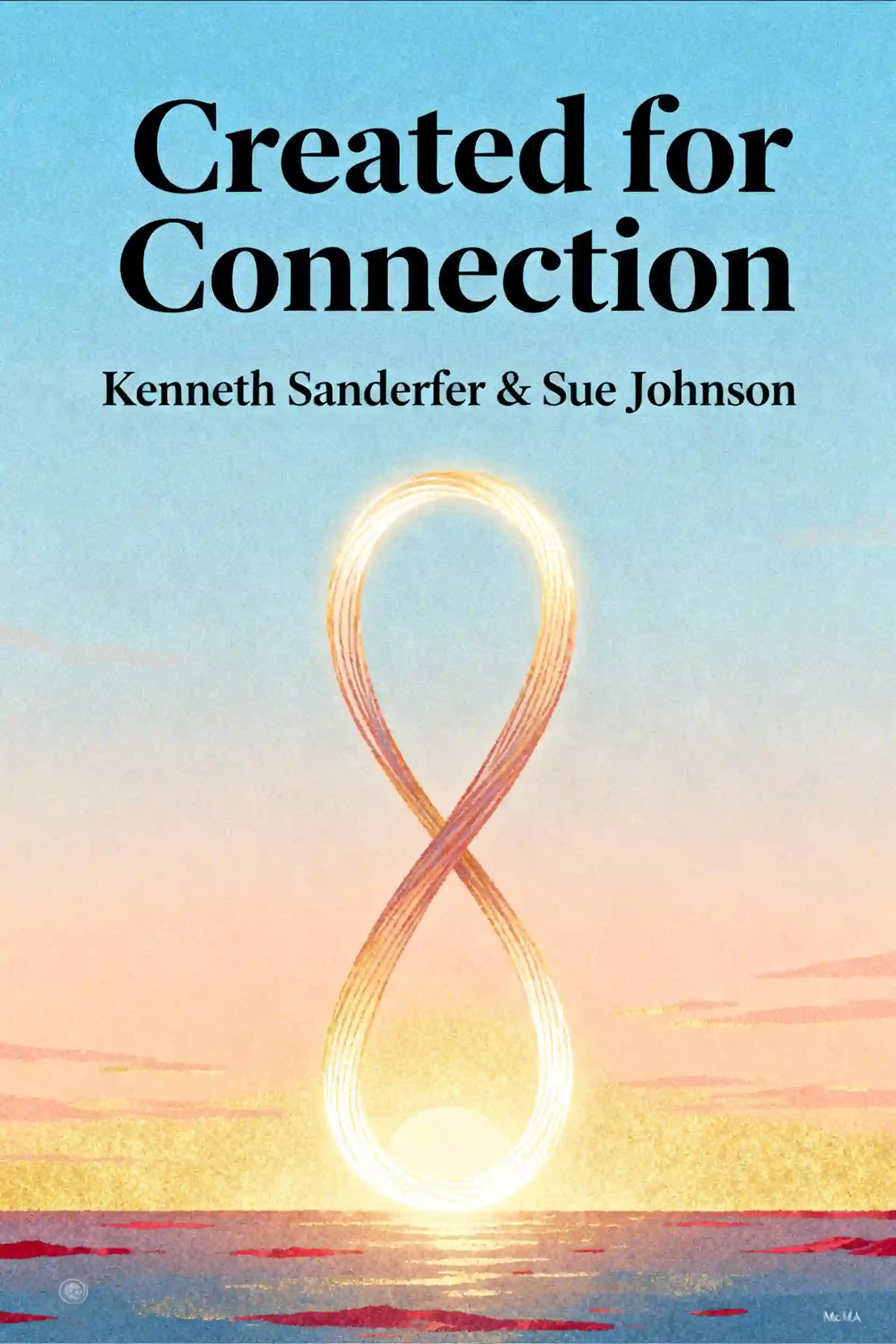
    Created for Connection
    Polysecure
    Anxiously Attached
    The Science of Healthy Love
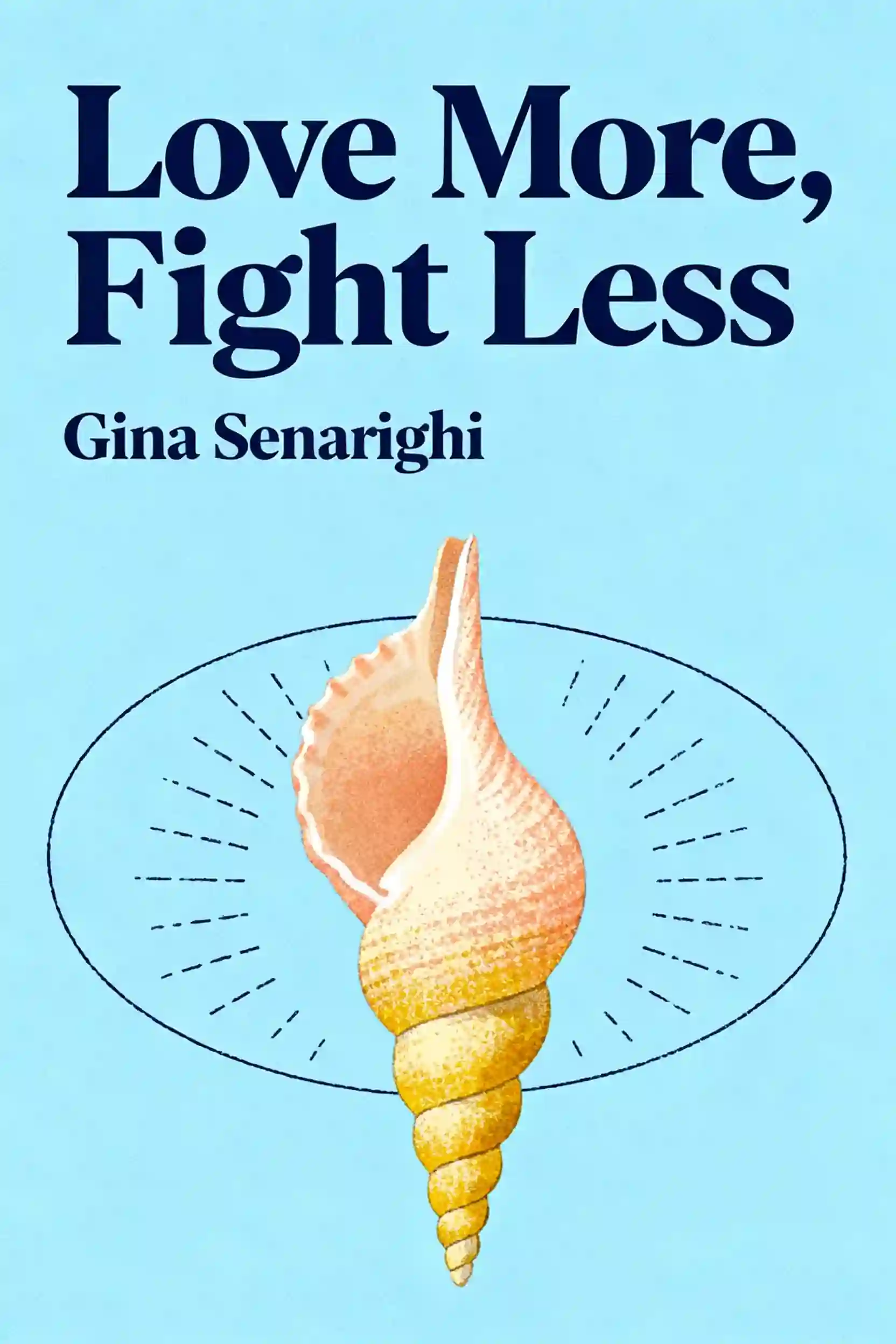
    Love More, Fight Less

    컬럼비아 대학교 동문들이 제작 | 샌프란시스코에서 개발

    BeFreed는 호기심 넘치는 글로벌 커뮤니티를 하나로 연결합니다

    4.7

    평균 평점

    앱 평가 7.84천 개 이상

    BeFreed 커뮤니티

    정말이지 아직 앱을 다 써 보지도 않았는데, 며칠 써 본 것만으로도 깊은 인상을 받았어요… BeFreed는 제가 써 본 어떤 학습 앱과도 차원이 달라요. 몰입감이 엄청나고 집중력도 실제로 좋아져서, 스마트폰을 하염없이 스크롤하는 분들께 딱이에요!

    @ladyInfinity

    정확히 23일 전에 BeFreed를 구입했는데, 그날부터 하루도 빠짐없이 쓰고 있어요. 제 일상 업무 흐름과 학습 습관에 완전히 자리 잡았어요.

    @jayallen

    솔직히 이 앱은 제 기대를 전부 뛰어넘었어요. 어떤 주제든 오디오로 만들어 달라고 할 수 있고, 결과물이 놀라워요. 제 전문 분야는 심리치료 쪽이고 여러 학문이 얽혀 있는데도 답변이 아주 정확해요.

    @Raguipa

    제일 고마운 건 스크롤하는 시간이 확 줄었다는 거예요. 검색하는 시간은 줄고 흡수하는 시간은 늘었어요. 오디오북 전권, 팟캐스트, 학습 플랜의 조합이 정말 훌륭해요.

    @colonyofcreatorsNGO

    저는 24년째 PhotoReading 속진 학습 강사로 일하고 있어요… 책과 독서, 배움이 제 전문인데, BeFreed는 정보를 소화하기 쉽게 전달하는 혁신적인 방식을 정말 잘 구현했어요.

    @BeFreed user

    단순한 책 요약 앱이 아니에요. '재미' 스타일을 써 봤는데, 전통적인 방식보다 훨씬 나은 요약이고 아이디어를 이해하기도 쉬워요. 이것만으로도 값어치를 해요.

    @austinakon

    이 앱이 정말 좋아요. 며칠 써 봤는데 듣는 걸 멈출 수가 없어요. 시작하기에 이보다 좋을 수 없어요.

    @jcrules328

    정말 마음에 들어요. 한 달 정도 써 봤는데 숨은 보석을 찾은 기분이에요. BeFreed로 제가 원하는 주제를 직접 만들 수 있어서 좋고, 목소리도 훌륭한 데다 내레이션 선택지가 무궁무진해요.

    @DanielCZ

    정말이지 아직 앱을 다 써 보지도 않았는데, 며칠 써 본 것만으로도 깊은 인상을 받았어요… BeFreed는 제가 써 본 어떤 학습 앱과도 차원이 달라요. 몰입감이 엄청나고 집중력도 실제로 좋아져서, 스마트폰을 하염없이 스크롤하는 분들께 딱이에요!

    @ladyInfinity

    정확히 23일 전에 BeFreed를 구입했는데, 그날부터 하루도 빠짐없이 쓰고 있어요. 제 일상 업무 흐름과 학습 습관에 완전히 자리 잡았어요.

    @jayallen

    솔직히 이 앱은 제 기대를 전부 뛰어넘었어요. 어떤 주제든 오디오로 만들어 달라고 할 수 있고, 결과물이 놀라워요. 제 전문 분야는 심리치료 쪽이고 여러 학문이 얽혀 있는데도 답변이 아주 정확해요.

    @Raguipa

    제일 고마운 건 스크롤하는 시간이 확 줄었다는 거예요. 검색하는 시간은 줄고 흡수하는 시간은 늘었어요. 오디오북 전권, 팟캐스트, 학습 플랜의 조합이 정말 훌륭해요.

    @colonyofcreatorsNGO

    저는 24년째 PhotoReading 속진 학습 강사로 일하고 있어요… 책과 독서, 배움이 제 전문인데, BeFreed는 정보를 소화하기 쉽게 전달하는 혁신적인 방식을 정말 잘 구현했어요.

    @BeFreed user

    단순한 책 요약 앱이 아니에요. '재미' 스타일을 써 봤는데, 전통적인 방식보다 훨씬 나은 요약이고 아이디어를 이해하기도 쉬워요. 이것만으로도 값어치를 해요.

    @austinakon

    이 앱이 정말 좋아요. 며칠 써 봤는데 듣는 걸 멈출 수가 없어요. 시작하기에 이보다 좋을 수 없어요.

    @jcrules328

    정말 마음에 들어요. 한 달 정도 써 봤는데 숨은 보석을 찾은 기분이에요. BeFreed로 제가 원하는 주제를 직접 만들 수 있어서 좋고, 목소리도 훌륭한 데다 내레이션 선택지가 무궁무진해요.

    @DanielCZ

    유용한 정보와 아이디어를 8~15분짜리 팟캐스트 스타일 오디오로 압축해서 들을 수 있다는 게 정말 좋아요. 원래 팟캐스트는 군더더기가 많아서 안 좋아했는데, 여기는 그걸 싹 걷어냈어요.

    @BeFreed user

    박사 과정을 마무리하는 중이라 낯선 자료를 많이 읽어야 해요… BeFreed에서는 프롬프트만 입력하면 앱이 자료를 찾아서 오디오 팟캐스트로 만들어 줘요. BeFreed의 과정이 NotebookLM보다 더 매끄럽게 느껴져요.

    @Brad

    아침을 준비하거나 산책하거나 출퇴근할 때 들을 것을 YouTube에서 자주 찾곤 했는데, BeFreed는 광고도 군더더기도 없이 훨씬 더 딱 맞는 걸 들려줘요!

    @BeFreed user

    이 플랫폼의 가장 큰 장점은 활용도예요. 다루지 못하는 주제가 말 그대로 하나도 없어요. 무엇을 던져도 다 소화해요… 제한이 전혀 없으면서 약속을 실제로 지키는 학습 도구는 정말 드물어요.

    @jayallen

    BeFreed는 환상적이에요. 디자인이 편해서 헤매는 시간은 줄고 배우는 시간은 늘었어요. 오디오북, 팟캐스트, 학습 플랜의 조합은 천재적이에요. 제 하루가 완전히 달라졌어요.

    @BeFreed user

    처음엔 이탈리아어로 팟캐스트를 만드는 방법을 이해하는 데 시간이 좀 걸렸는데, 알고 나니까 — 와! 정말 대단해요! 어떤 주제든 설명해 달라고 하면 정말 똑똑하게 잘 설명해 줘요!

    @matteo77

    BeFreed는 제가 매일 쓰는 오디오북 앱이 됐어요… 제일 마음에 드는 건 텍스트를 넣으면 이동 중에도 들을 수 있는 오디오로 만들어 준다는 점이에요.

    @kotanzu1

    유용한 정보와 아이디어를 8~15분짜리 팟캐스트 스타일 오디오로 압축해서 들을 수 있다는 게 정말 좋아요. 원래 팟캐스트는 군더더기가 많아서 안 좋아했는데, 여기는 그걸 싹 걷어냈어요.

    @BeFreed user

    박사 과정을 마무리하는 중이라 낯선 자료를 많이 읽어야 해요… BeFreed에서는 프롬프트만 입력하면 앱이 자료를 찾아서 오디오 팟캐스트로 만들어 줘요. BeFreed의 과정이 NotebookLM보다 더 매끄럽게 느껴져요.

    @Brad

    아침을 준비하거나 산책하거나 출퇴근할 때 들을 것을 YouTube에서 자주 찾곤 했는데, BeFreed는 광고도 군더더기도 없이 훨씬 더 딱 맞는 걸 들려줘요!

    @BeFreed user

    이 플랫폼의 가장 큰 장점은 활용도예요. 다루지 못하는 주제가 말 그대로 하나도 없어요. 무엇을 던져도 다 소화해요… 제한이 전혀 없으면서 약속을 실제로 지키는 학습 도구는 정말 드물어요.

    @jayallen

    BeFreed는 환상적이에요. 디자인이 편해서 헤매는 시간은 줄고 배우는 시간은 늘었어요. 오디오북, 팟캐스트, 학습 플랜의 조합은 천재적이에요. 제 하루가 완전히 달라졌어요.

    @BeFreed user

    처음엔 이탈리아어로 팟캐스트를 만드는 방법을 이해하는 데 시간이 좀 걸렸는데, 알고 나니까 — 와! 정말 대단해요! 어떤 주제든 설명해 달라고 하면 정말 똑똑하게 잘 설명해 줘요!

    @matteo77

    BeFreed는 제가 매일 쓰는 오디오북 앱이 됐어요… 제일 마음에 드는 건 텍스트를 넣으면 이동 중에도 들을 수 있는 오디오로 만들어 준다는 점이에요.

    @kotanzu1

    웹에서 BeFreed가 어떻게 논의되고 있는지 더 보기
    129.7K19.5K
    55.2K19.2K
    154.2K10827355
    48.1K2.5K
    81.2K6.6K
    82.3K1.8K
    지금 바로 학습 여정을 시작하세요
    BeFreed 앱
    BeFreed

    무엇이든 개인화된 학습

    DiscordLinkedIn
    추천 도서 요약
    Crucial ConversationsThe Perfect MarriageInto the WildNever Split the DifferenceAttachedGood to GreatSay Nothing
    인기 카테고리
    Self HelpCommunication SkillRelationshipMindfulnessPhilosophyInspirationProductivity
    유명인 추천 도서
    Elon MuskCharlie KirkBill GatesSteve JobsAndrew HubermanJoe RoganJordan Peterson
    수상작 컬렉션
    Pulitzer PrizeNational Book AwardGoodreads Choice AwardsNobel Prize in LiteratureNew York TimesCaldecott MedalNebula Award
    추천 주제
    ManagementAmerican HistoryWarTradingStoicismAnxietySex
    연도별 베스트 도서
    2025 Best Non Fiction Books2024 Best Non Fiction Books2023 Best Non Fiction Books
    추천 저자
    Chimamanda Ngozi AdichieGeorge OrwellO. J. SimpsonBarbara O'NeillWinston ChurchillCharlie Kirk
    BeFreed vs 다른 앱
    BeFreed vs. Other Book Summary AppsBeFreed vs. ElevenReaderBeFreed vs. ReadwiseBeFreed vs. Anki
    학습 도구
    Knowledge VisualizerAI Podcast Generator
    정보
    회사 소개arrow
    가격arrow
    FAQarrow
    블로그arrow
    채용arrow
    파트너십arrow
    앰배서더 프로그램arrow
    디렉토리arrow
    BeFreed
    Try now
    © 2026 BeFreed
    이용 약관개인정보 처리방침
    BeFreed

    무엇이든 개인화된 학습

    DiscordLinkedIn
    추천 도서 요약
    Crucial ConversationsThe Perfect MarriageInto the WildNever Split the DifferenceAttachedGood to GreatSay Nothing
    인기 카테고리
    Self HelpCommunication SkillRelationshipMindfulnessPhilosophyInspirationProductivity
    유명인 추천 도서
    Elon MuskCharlie KirkBill GatesSteve JobsAndrew HubermanJoe RoganJordan Peterson
    수상작 컬렉션
    Pulitzer PrizeNational Book AwardGoodreads Choice AwardsNobel Prize in LiteratureNew York TimesCaldecott MedalNebula Award
    추천 주제
    ManagementAmerican HistoryWarTradingStoicismAnxietySex
    연도별 베스트 도서
    2025 Best Non Fiction Books2024 Best Non Fiction Books2023 Best Non Fiction Books
    학습 도구
    Knowledge VisualizerAI Podcast Generator
    추천 저자
    Chimamanda Ngozi AdichieGeorge OrwellO. J. SimpsonBarbara O'NeillWinston ChurchillCharlie Kirk
    BeFreed vs 다른 앱
    BeFreed vs. Other Book Summary AppsBeFreed vs. ElevenReaderBeFreed vs. ReadwiseBeFreed vs. Anki
    정보
    회사 소개arrow
    가격arrow
    FAQarrow
    블로그arrow
    채용arrow
    파트너십arrow
    앰배서더 프로그램arrow
    디렉토리arrow
    BeFreed
    Try now
    © 2026 BeFreed
    이용 약관개인정보 처리방침

    비슷한 콘텐츠

    Stop Controlling Love, Start Building Connection 책 표지
    Intimacy and DesireThe Love PrescriptionImproving Your Relationship For DummiesCome Together
    29 sources
    Stop Controlling Love, Start Building Connection
    Discover why trying to control your partner pushes them away and learn research-backed strategies to build genuine intimacy, trust, and lasting connection that naturally strengthens your bond.
    25 min
    Stop Controlling, Start Attracting: Jealousy to Confidence 책 표지
    What Makes Love Last?Improving Your Relationship For DummiesLove More, Fight LessBoundaries in Dating
    26 sources
    Stop Controlling, Start Attracting: Jealousy to Confidence
    Transform relationship insecurity from controlling behaviors into genuine confidence and trust. Learn why trying to control your partner pushes them away and discover practical tools to build stronger connections.
    25 min
    From Constant Conflict to Flirting and Connection 책 표지
    Love More, Fight LessThe Game of DesireFight RightThe Love Prescription
    26 sources
    From Constant Conflict to Flirting and Connection
    Stop the cycle of withdrawal and pursuit with a practical playbook for emotional attunement. Learn to use productive pauses and micro-repairs to turn tension into intimacy and rediscover your spark.
    22 min
    When Trust Breaks: Beyond Control 책 표지
    How to Help Your Spouse Heal from Your AffairWorthy of Her TrustLove More, Fight LessNot Just Friends
    17 sources
    When Trust Breaks: Beyond Control
    Exploring how to heal relationships where past mistakes trigger controlling behaviors, and how to build security without surveillance. Finding the balance between accountability and freedom.
    26 min
    Connection Over Control: Science-Backed Parenting for Life 책 표지
    source 1source 2source 3Three Principles to Improve Outcomes for Children and Families - Center on the Developing Child at Harvard University
    6 sources
    Connection Over Control: Science-Backed Parenting for Life
    Discover how responsive relationships and emotional intelligence create secure attachment in just 30% of interactions. Learn evidence-based strategies that build resilience, break generational patterns, and shape your child's brain architecture for lifelong success.
    9 min
    When Love Becomes Control 책 표지
    Emotional BlackmailThe Narcissist You KnowWho's Pulling Your Strings?The Verbally Abusive Man - Can He Change?
    28 sources
    When Love Becomes Control
    We explore the subtle line between caring and controlling in relationships, unpacking how demands for 'sacrifice' can mask insecurity and examining practical ways to reclaim your autonomy without being dismissed.
    46 min
    Cracking the Avoidant Attachment Code 책 표지
    Anxiously AttachedSecure LoveHow to Avoid Falling in Love with a JerkPolysecure
    19 sources
    Cracking the Avoidant Attachment Code
    Discover how to transform communication with an avoidant partner, creating space for meaningful connection while respecting their need for independence. Learn practical strategies to build intimacy without triggering withdrawal.
    12 min
    Becoming the Partner You'd Want 책 표지
    Love More, Fight LessUnfuck Your BoundariesImproving Your Relationship For DummiesPlays Well with Others
    26 sources
    Becoming the Partner You'd Want
    Discover how self-awareness and intentional communication create thriving relationships, where conflicts become opportunities for growth and daily actions build unshakeable trust.
    52 min

    Recommended Learning Plans

    Rewire Your Avoidant Heart
    학습 계획

    Rewire Your Avoidant Heart

    This plan is designed for individuals who struggle with emotional distance and the impulse to pull away in relationships. It provides a practical roadmap to shift from self-protection to secure connection by integrating nervous system regulation with actionable communication skills.

    1 h 36 m•4 섹션
    Turn Conflict Into Connection
    학습 계획

    Turn Conflict Into Connection

    This plan is essential for couples or individuals feeling trapped in cycles of reactive fighting and emotional distance. It provides practical psychological tools for anyone looking to replace hostility with empathy and long-term relational stability.

    2 h•4 섹션
    Break the Cycle and Find Your Center
    학습 계획

    Break the Cycle and Find Your Center

    This plan is essential for individuals feeling stuck in reactive relationship patterns or struggling with emotional volatility. It is designed for anyone seeking to transition from defensive survival strategies to a grounded, self-regulated state of secure connection.

    1 h 30 m•3 섹션
    Break the Anxious-Avoidant Trap
    학습 계획

    Break the Anxious-Avoidant Trap

    This plan is essential for individuals or couples caught in the exhausting cycle of pursuit and withdrawal. It provides practical somatic and behavioral tools for anyone looking to transform defensive patterns into a secure, lasting emotional connection.

    1 h 36 m•4 섹션
    Lead and deepen avoidant partner connections
    학습 계획

    Lead and deepen avoidant partner connections

    This plan is essential for individuals struggling with the push-pull dynamic of avoidant relationships. It provides the psychological tools and communication frameworks needed to bridge emotional gaps and build lasting security with a partner who tends to withdraw.

    4 h 24 m•4 섹션
    The Psychology of Connection
    학습 계획

    The Psychology of Connection

    This learning plan is essential for anyone seeking to move beyond surface-level interactions and heal strained relationships. It is particularly beneficial for individuals looking to balance emotional intimacy with strong personal boundaries through evidence-based psychological strategies.

    3 h 4 m•4 섹션
    Love Without Losing Your Center
    학습 계획

    Love Without Losing Your Center

    This learning plan is essential for individuals who find themselves losing their identity or peace of mind in romantic relationships. It is specifically designed for those seeking to balance deep connection with personal autonomy while supporting partners in high-pressure environments.

    1 h 30 m•3 섹션
    From Over-Giving to Empowered Dating
    학습 계획

    From Over-Giving to Empowered Dating

    This plan is essential for chronic over-givers who find themselves stuck in one-sided or inconsistent relationships. It provides the psychological tools and practical boundaries needed to transition from seeking external validation to building empowered, healthy connections.

    2 h•4 섹션