
BBQ Mastery: Beyond Time to Temperature
Discover how to transform your backyard grilling from amateur to expert by focusing on temperature science instead of timing. Learn the secrets to perfect steak, chicken, and ribs every time.

BBQ Mastery: Beyond Time to Temperature 베스트 인용
The science of great barbecue isn't about watching the clock—it's about understanding how heat interacts with different meats. Once you embrace cooking by temperature rather than watching the clock, everything else starts to make sense.

이 오디오 레슨은 BeFreed 커뮤니티 멤버가 만들었습니다
How to be great at barbecue and ribs and chicken and steak

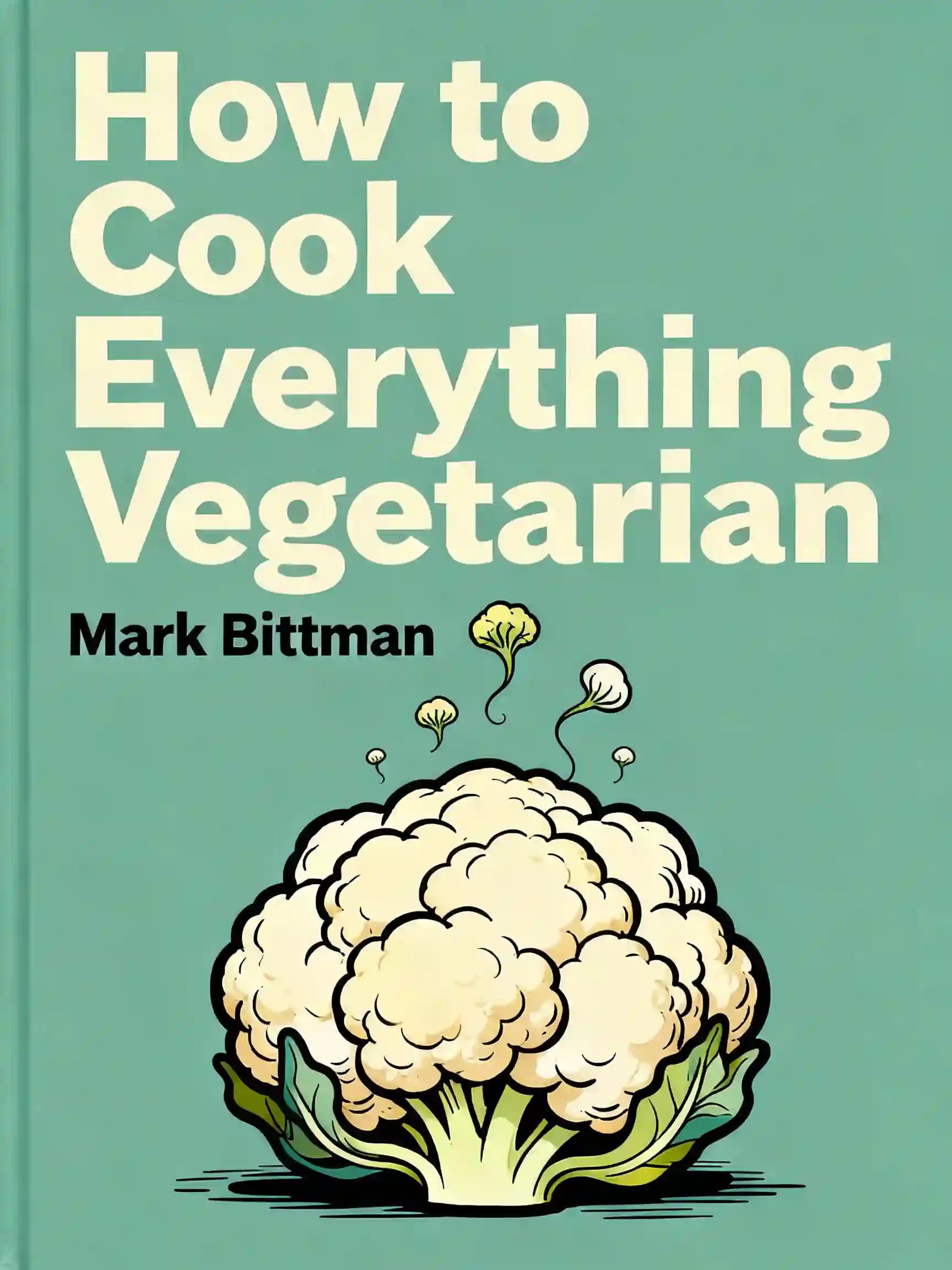
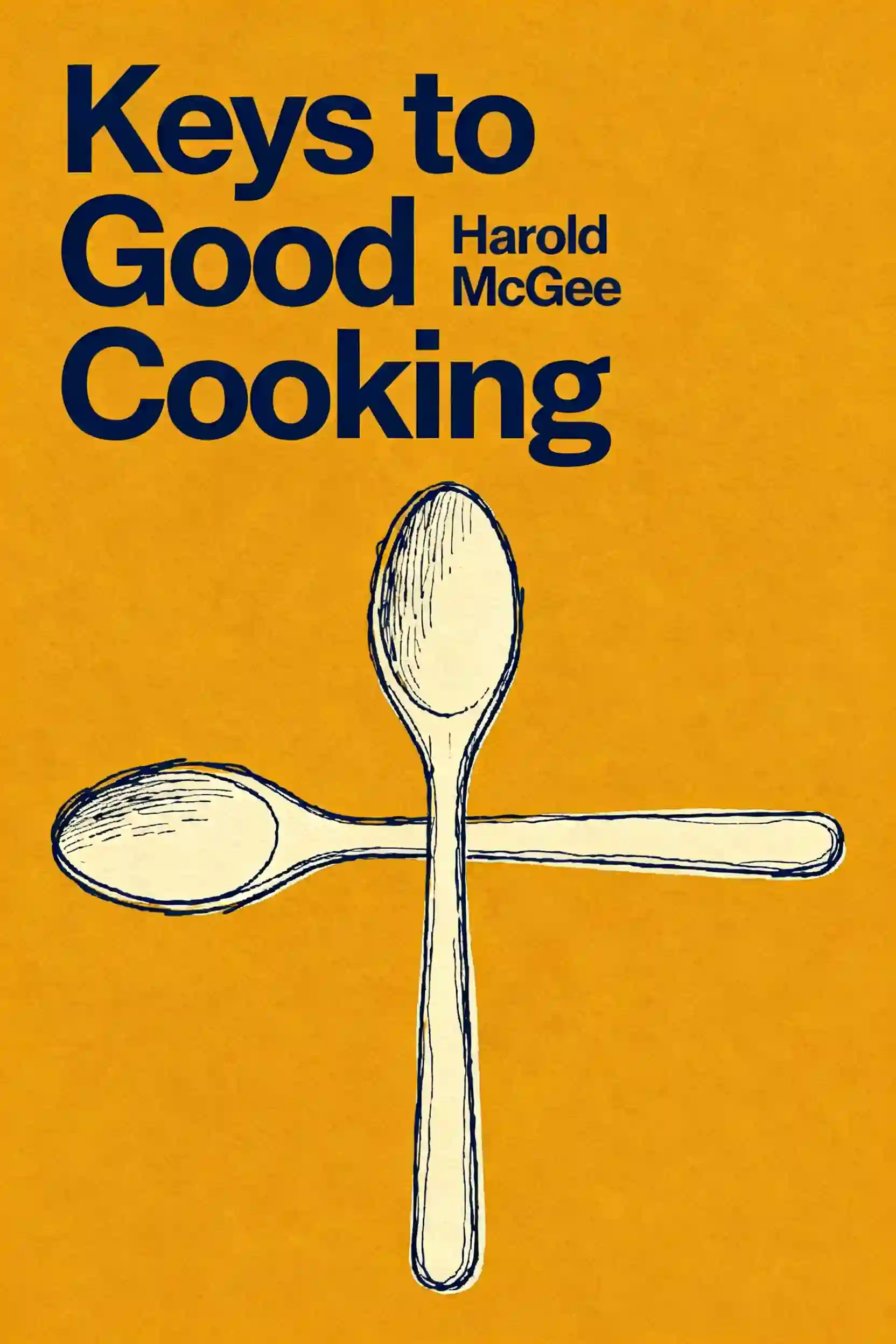
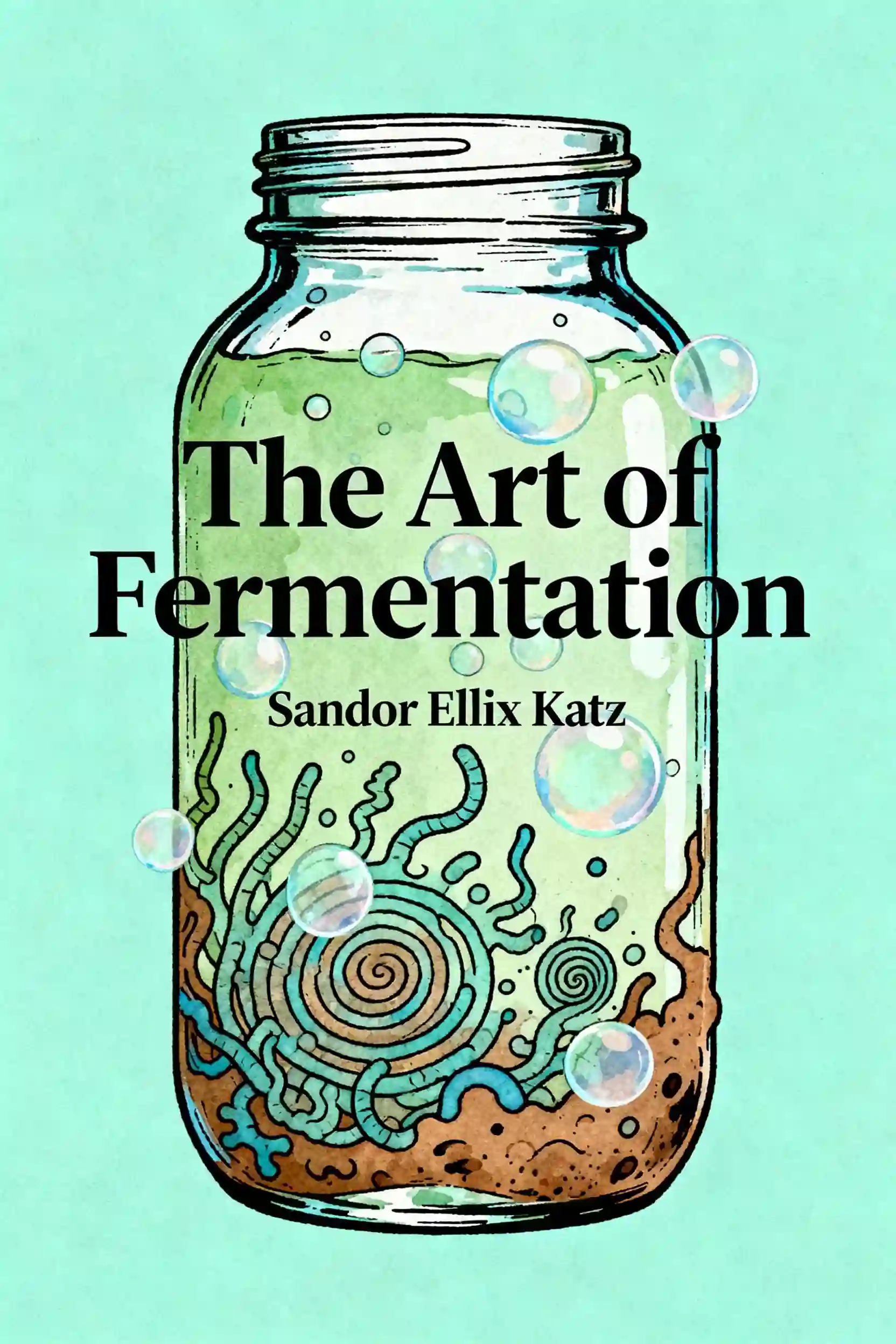
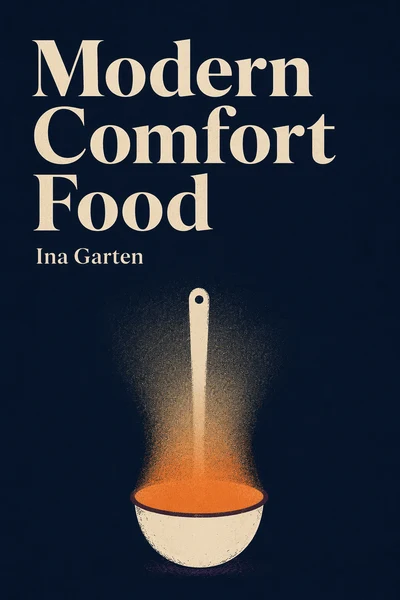
더 알아보기

The Mother Sauce Foundations
Mastering the five mother sauces is the ultimate rite of passage for any serious home cook or aspiring chef. This guide provides the technical blueprint for building flavor and texture, turning basic ingredients into professional-grade culinary foundations.

Learn food basics & cooking
This learning plan transforms complete beginners into confident, intuitive cooks who understand the fundamental principles behind great food. It's perfect for anyone tired of relying on recipes, wanting to reduce food waste by cooking creatively with what they have, or aspiring to develop the skills and confidence to prepare delicious meals consistently.

Master the Art of the Perfect Pizza Dough
This plan is designed for aspiring pizzaiolos and home cooks who want to move beyond basic recipes and master the science of baking. It provides a deep dive into the technical and creative aspects of dough making, making it essential for anyone seeking professional-grade results.

Master the Science of Instant Charisma
In an era where personal branding and soft skills are the ultimate differentiators, mastering charisma is essential for professional and social advancement. This plan is designed for aspiring leaders and professionals who want to transform their social presence from overlooked to unforgettable.

Baking
Baking is both an art and a science that combines creativity with precise chemistry, making it essential for anyone who wants to move beyond following recipes to truly understanding their craft. This learning plan is perfect for home bakers ready to elevate their skills, aspiring professional bakers, and food enthusiasts who want to master the 'why' behind baking techniques. Whether you're looking to start a baking business or simply create impressive baked goods for family and friends, this comprehensive approach builds expertise from foundational principles through advanced techniques.

life skills cooking
Cooking is one of life's most valuable skills, offering independence, creativity, and the ability to nourish yourself and others with confidence. This learning plan is perfect for beginners seeking kitchen confidence, intermediate cooks wanting to break free from recipe dependence, or anyone looking to transform cooking from a chore into an enjoyable creative practice.

Self-Improvement: Time Management & Knowledge
In an era of constant distraction, the ability to manage your energy and master new skills rapidly is the ultimate competitive advantage. This plan is designed for professionals and lifelong learners who want to replace burnout with a systematic approach to productivity and knowledge retention.

Become a chess expert
This comprehensive plan bridges the gap between basic play and competitive mastery by combining technical skill with psychological discipline. It is designed for aspiring players who want to move beyond memorization to truly understand the strategic and tactical heart of the game.
샌프란시스코에서 컬럼비아 대학교 동문들이 만들었습니다
"Instead of endless scrolling, I just hit play on BeFreed. It saves me so much time."


"I never knew where to start with nonfiction—BeFreed’s book lists turned into podcasts gave me a clear path."


"Perfect balance between learning and entertainment. Finished ‘Thinking, Fast and Slow’ on my commute this week."
"Crazy how much I learned while walking the dog. BeFreed = small habits → big gains."
"Reading used to feel like a chore. Now it’s just part of my lifestyle."

"Feels effortless compared to reading. I’ve finished 6 books this month already."
"BeFreed turned my guilty doomscrolling into something that feels productive and inspiring."

"BeFreed turned my commute into learning time. 20-min podcasts are perfect for finishing books I never had time for."
"BeFreed replaced my podcast queue. Imagine Spotify for books — that’s it. 🙌"

"It is great for me to learn something from the book without reading it."
"The themed book list podcasts help me connect ideas across authors—like a guided audio journey."
"Makes me feel smarter every time before going to work"
샌프란시스코에서 컬럼비아 대학교 동문들이 만들었습니다
"Instead of endless scrolling, I just hit play on BeFreed. It saves me so much time."
"I never knew where to start with nonfiction—BeFreed’s book lists turned into podcasts gave me a clear path."
"Perfect balance between learning and entertainment. Finished ‘Thinking, Fast and Slow’ on my commute this week."
"Crazy how much I learned while walking the dog. BeFreed = small habits → big gains."
"Reading used to feel like a chore. Now it’s just part of my lifestyle."
"Feels effortless compared to reading. I’ve finished 6 books this month already."
"BeFreed turned my guilty doomscrolling into something that feels productive and inspiring."
"BeFreed turned my commute into learning time. 20-min podcasts are perfect for finishing books I never had time for."
"BeFreed replaced my podcast queue. Imagine Spotify for books — that’s it. 🙌"
"It is great for me to learn something from the book without reading it."
"The themed book list podcasts help me connect ideas across authors—like a guided audio journey."
"Makes me feel smarter every time before going to work"
"Instead of endless scrolling, I just hit play on BeFreed. It saves me so much time."
"I never knew where to start with nonfiction—BeFreed’s book lists turned into podcasts gave me a clear path."
"Perfect balance between learning and entertainment. Finished ‘Thinking, Fast and Slow’ on my commute this week."
"Crazy how much I learned while walking the dog. BeFreed = small habits → big gains."
"Reading used to feel like a chore. Now it’s just part of my lifestyle."
"Feels effortless compared to reading. I’ve finished 6 books this month already."
"BeFreed turned my guilty doomscrolling into something that feels productive and inspiring."
"BeFreed turned my commute into learning time. 20-min podcasts are perfect for finishing books I never had time for."
"BeFreed replaced my podcast queue. Imagine Spotify for books — that’s it. 🙌"
"It is great for me to learn something from the book without reading it."
"The themed book list podcasts help me connect ideas across authors—like a guided audio journey."
"Makes me feel smarter every time before going to work"
"Instead of endless scrolling, I just hit play on BeFreed. It saves me so much time."
"I never knew where to start with nonfiction—BeFreed’s book lists turned into podcasts gave me a clear path."
"Perfect balance between learning and entertainment. Finished ‘Thinking, Fast and Slow’ on my commute this week."
"Crazy how much I learned while walking the dog. BeFreed = small habits → big gains."
"Reading used to feel like a chore. Now it’s just part of my lifestyle."
"Feels effortless compared to reading. I’ve finished 6 books this month already."
"BeFreed turned my guilty doomscrolling into something that feels productive and inspiring."
"BeFreed turned my commute into learning time. 20-min podcasts are perfect for finishing books I never had time for."
"BeFreed replaced my podcast queue. Imagine Spotify for books — that’s it. 🙌"
"It is great for me to learn something from the book without reading it."
"The themed book list podcasts help me connect ideas across authors—like a guided audio journey."
"Makes me feel smarter every time before going to work"





![[url_8d760c74:c0000] 中国菜有30多种烹饪技法,而家常用的不过7种,光看菜名就够了_食材_蔬菜_调料 p1-1](/_next/image?url=https%3A%2F%2Fd1y2du6z1jfm9e.cloudfront.net%2Fassets%2Fpodcast%2Fblue.png&w=1024&q=50)

