Awe and the Universe: Why We’re Losing Our Wonder
Modern life has disconnected us from nature. Discover the science of awe and how simple practices like 'awe walks' can reset your distracted mind.

Awe and the Universe: Why We’re Losing Our Wonder 베스트 인용
The universe doesn't give us meaning; we give meaning to the universe. Our reflective consciousness is the flame in the dark, and we are the architects of purpose in a silent, vast arena.
Generated by Shawn
I want to learn about nurturing our sense of awe of the universe

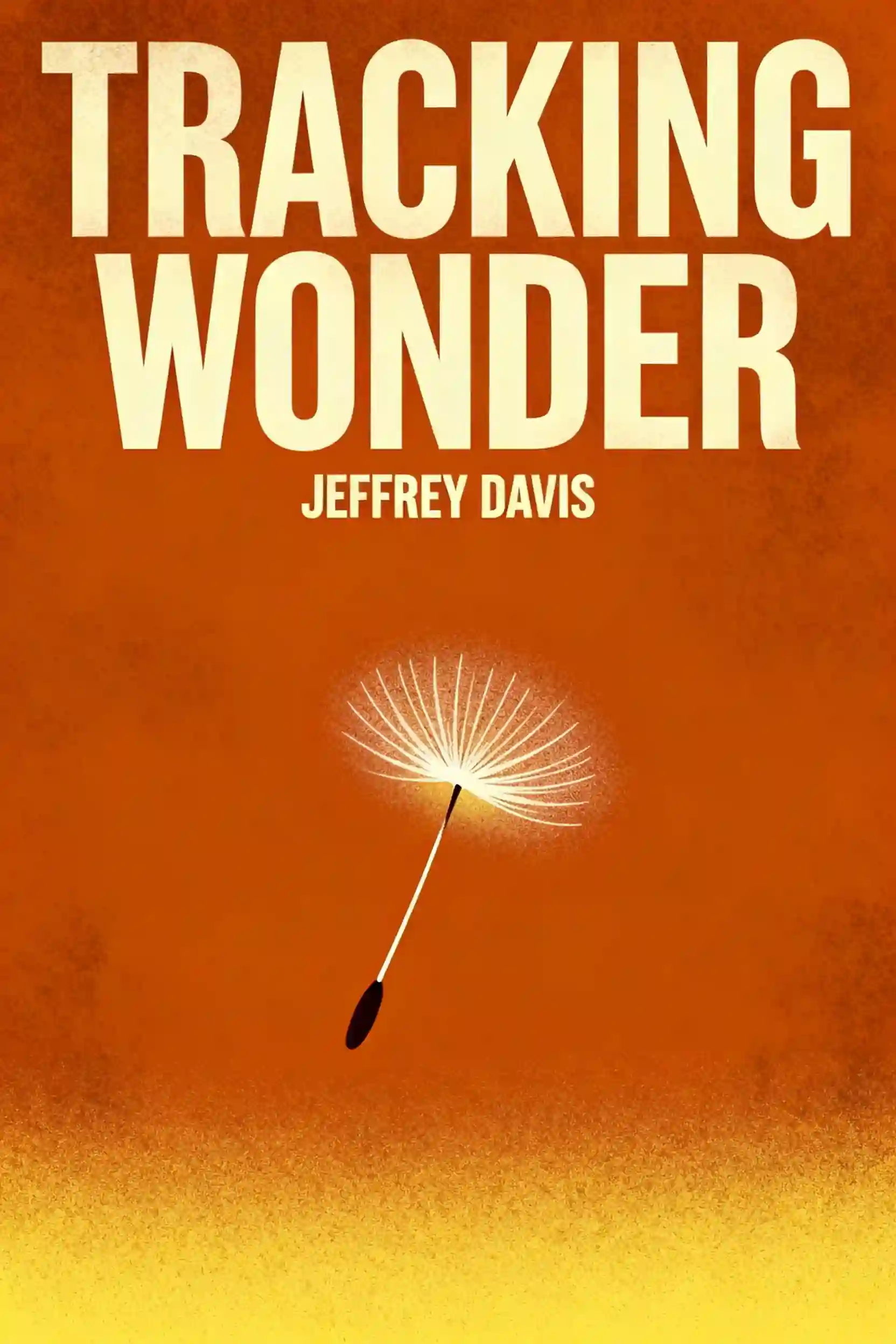
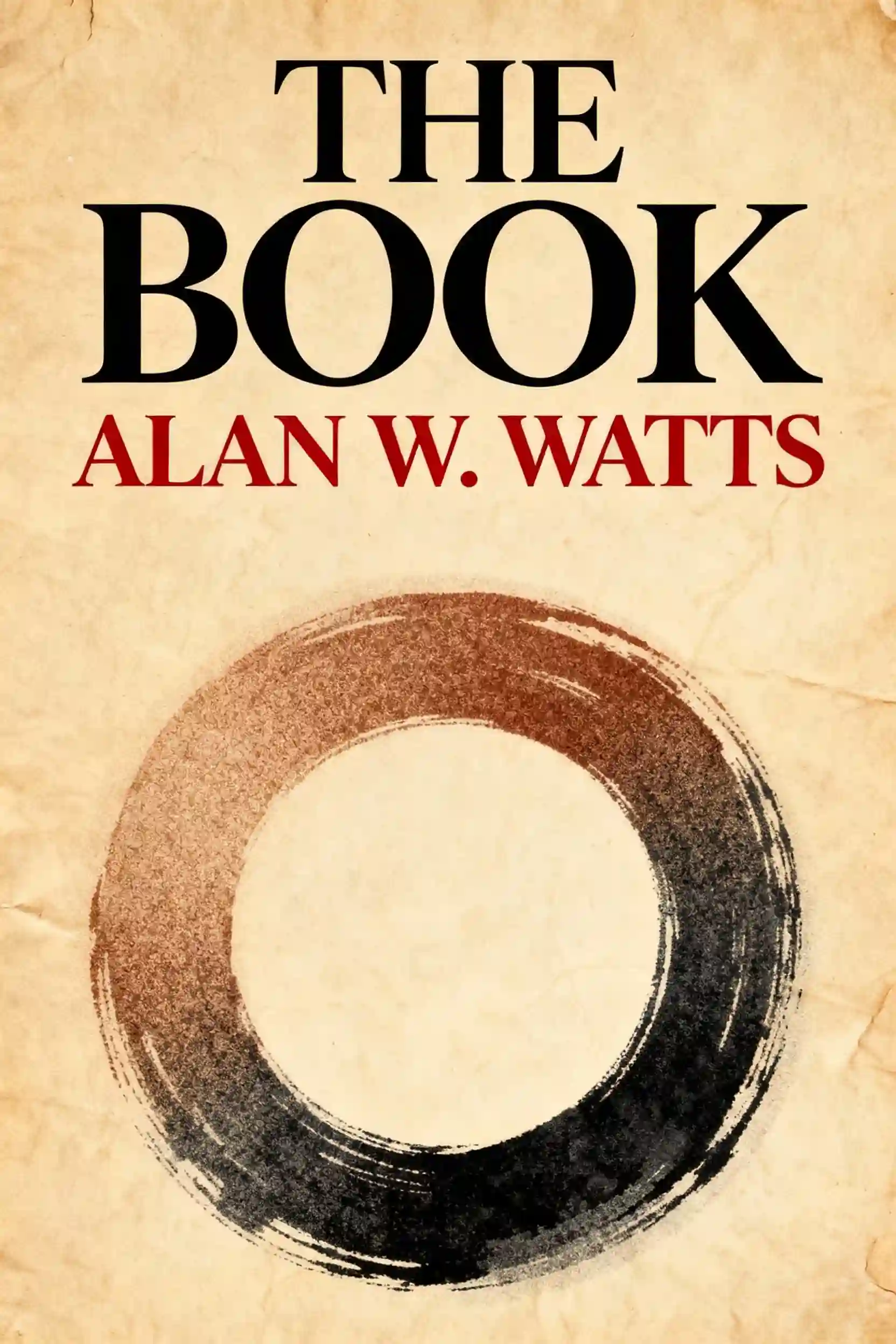
자주 묻는 질문
The Default Mode Network (DMN) is the area of the brain responsible for internal chatter, rumination, and the "me-centered" narrative, such as worrying about to-do lists or social standing. Research shows that experiencing awe actually quiets the DMN, effectively turning down the volume on self-preoccupation. This shift allows the brain to move from an "analytic mode" of judging and categorizing to a "perceptual mode" where a person simply takes in the vastness of the world around them.
An Awe Walk is a formalized practice of intentional movement and noticing designed to break the brain's "automaticity" or efficiency mode. To perform one, you slow your walking pace, signal safety to your nervous system through deep breathing, and shift your attention outward with curiosity. You can use specific prompts like "What detail did I almost miss?" or "Where do I sense expansion in my body?" to train your brain to prioritize beauty and complexity over habitual threats or distractions.
When a person experiences awe, their sense of individual ego shrinks, a phenomenon known as the "small self" effect. Rather than diminishing self-worth, this reduction in self-absorption increases empathy and perspective-taking. Data suggests that people prone to wonder have a stronger identity with all of humanity and are more likely to engage in cooperative behavior and international altruism, as they see themselves as part of a larger, interconnected system rather than the center of the universe.
The script distinguishes between viewing high-definition deep space images and looking at the actual night sky. Deep space images trigger "accommodation," a process where the brain must expand its mental frameworks to process something incredibly novel and vast. In contrast, viewing the stars from one's own backyard provides "soft fascination," which is rated as more "restorative." While deep space images offer an intellectual "wow," the local night sky acts as a slow-burning fuel that helps the mind recover from the high-intensity demands of modern life.
While science may suggest the universe lacks intrinsic purpose, the script argues that humans are "meaning-makers" who provide the narration for the cosmos. Awe serves as a "neurobiological reset" that facilitates a recursive process of disruption and renewal, allowing individuals to recalibrate their values. By witnessing the "miracle of being alive" and the vastness of nature, people can move from existential anxiety to a "spirituality of presence," choosing to create their own meaning through kindness, curiosity, and environmental stewardship.
샌프란시스코에서 컬럼비아 대학교 동문들이 만들었습니다
"Instead of endless scrolling, I just hit play on BeFreed. It saves me so much time."


"I never knew where to start with nonfiction—BeFreed’s book lists turned into podcasts gave me a clear path."


"Perfect balance between learning and entertainment. Finished ‘Thinking, Fast and Slow’ on my commute this week."
"Crazy how much I learned while walking the dog. BeFreed = small habits → big gains."
"Reading used to feel like a chore. Now it’s just part of my lifestyle."

"Feels effortless compared to reading. I’ve finished 6 books this month already."
"BeFreed turned my guilty doomscrolling into something that feels productive and inspiring."

"BeFreed turned my commute into learning time. 20-min podcasts are perfect for finishing books I never had time for."
"BeFreed replaced my podcast queue. Imagine Spotify for books — that’s it. 🙌"

"It is great for me to learn something from the book without reading it."
"The themed book list podcasts help me connect ideas across authors—like a guided audio journey."
"Makes me feel smarter every time before going to work"
샌프란시스코에서 컬럼비아 대학교 동문들이 만들었습니다
"Instead of endless scrolling, I just hit play on BeFreed. It saves me so much time."
"I never knew where to start with nonfiction—BeFreed’s book lists turned into podcasts gave me a clear path."
"Perfect balance between learning and entertainment. Finished ‘Thinking, Fast and Slow’ on my commute this week."
"Crazy how much I learned while walking the dog. BeFreed = small habits → big gains."
"Reading used to feel like a chore. Now it’s just part of my lifestyle."
"Feels effortless compared to reading. I’ve finished 6 books this month already."
"BeFreed turned my guilty doomscrolling into something that feels productive and inspiring."
"BeFreed turned my commute into learning time. 20-min podcasts are perfect for finishing books I never had time for."
"BeFreed replaced my podcast queue. Imagine Spotify for books — that’s it. 🙌"
"It is great for me to learn something from the book without reading it."
"The themed book list podcasts help me connect ideas across authors—like a guided audio journey."
"Makes me feel smarter every time before going to work"
"Instead of endless scrolling, I just hit play on BeFreed. It saves me so much time."
"I never knew where to start with nonfiction—BeFreed’s book lists turned into podcasts gave me a clear path."
"Perfect balance between learning and entertainment. Finished ‘Thinking, Fast and Slow’ on my commute this week."
"Crazy how much I learned while walking the dog. BeFreed = small habits → big gains."
"Reading used to feel like a chore. Now it’s just part of my lifestyle."
"Feels effortless compared to reading. I’ve finished 6 books this month already."
"BeFreed turned my guilty doomscrolling into something that feels productive and inspiring."
"BeFreed turned my commute into learning time. 20-min podcasts are perfect for finishing books I never had time for."
"BeFreed replaced my podcast queue. Imagine Spotify for books — that’s it. 🙌"
"It is great for me to learn something from the book without reading it."
"The themed book list podcasts help me connect ideas across authors—like a guided audio journey."
"Makes me feel smarter every time before going to work"
"Instead of endless scrolling, I just hit play on BeFreed. It saves me so much time."
"I never knew where to start with nonfiction—BeFreed’s book lists turned into podcasts gave me a clear path."
"Perfect balance between learning and entertainment. Finished ‘Thinking, Fast and Slow’ on my commute this week."
"Crazy how much I learned while walking the dog. BeFreed = small habits → big gains."
"Reading used to feel like a chore. Now it’s just part of my lifestyle."
"Feels effortless compared to reading. I’ve finished 6 books this month already."
"BeFreed turned my guilty doomscrolling into something that feels productive and inspiring."
"BeFreed turned my commute into learning time. 20-min podcasts are perfect for finishing books I never had time for."
"BeFreed replaced my podcast queue. Imagine Spotify for books — that’s it. 🙌"
"It is great for me to learn something from the book without reading it."
"The themed book list podcasts help me connect ideas across authors—like a guided audio journey."
"Makes me feel smarter every time before going to work"