Attracting women is about more than just looks
Struggling to connect? Learn why chasing attraction often backfires and how balancing warmth with confidence creates a genuine, lasting spark.

Attracting women is about more than just looks 베스트 인용
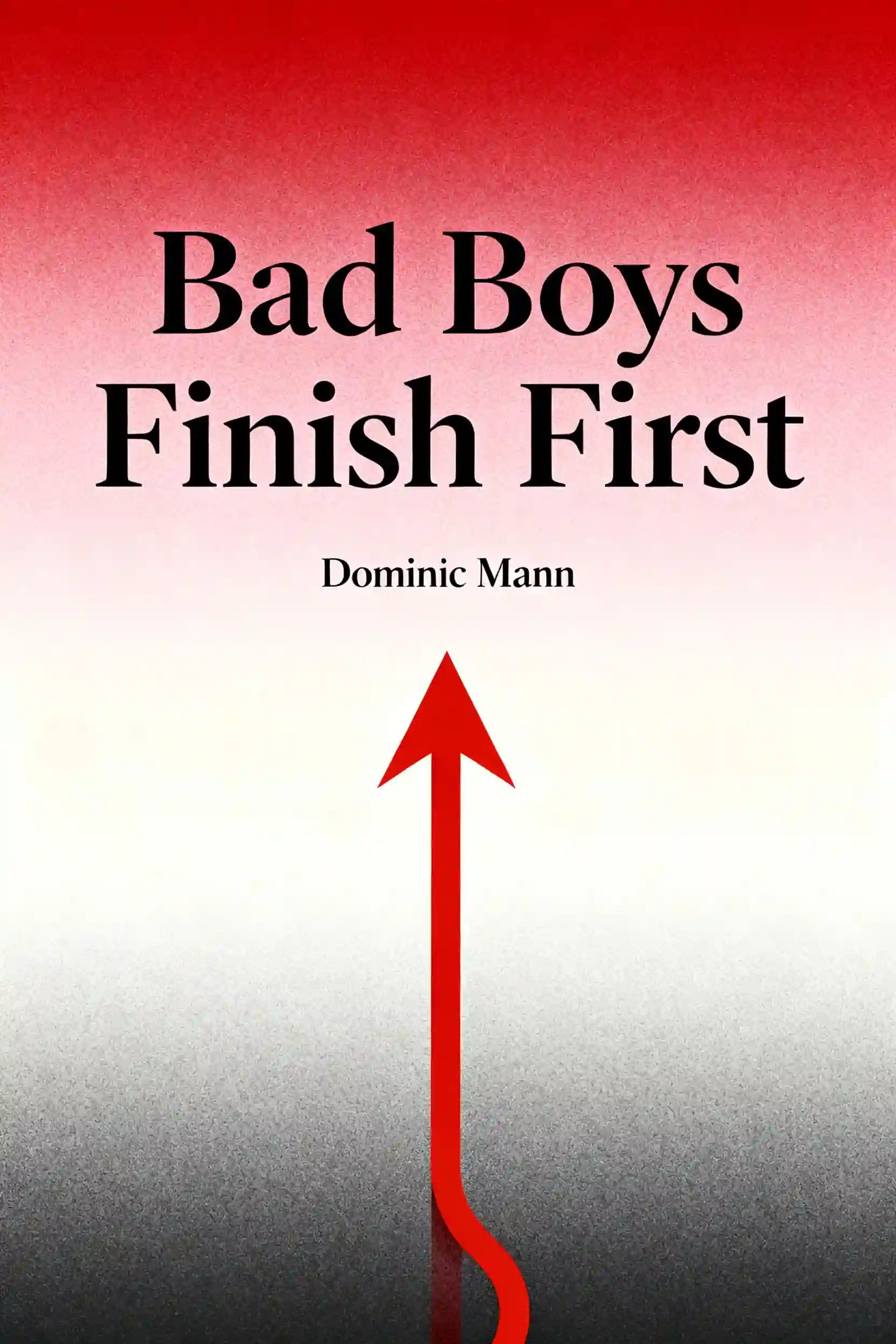
Success in dating isn't a separate skill you turn on; it’s a natural byproduct of becoming someone that people—not just women, but everyone—want to be around.
Generated by Clint
I want to learn how to get women

자주 묻는 질문
Looksmaxxing is an online trend where individuals attempt to "level up" their physical appearance through various methods to reach a perceived biological ideal. While some aspects involve basic grooming, the script highlights dangerous extremes like "bone smashing," where people use hammers to create micro-fractures in their jawbones hoping they heal thicker. Experts warn that these practices are unscientific and can lead to permanent nerve damage, tissue damage, and misshapen facial structures rather than improved aesthetics.
According to research, humans evaluate others based on two primary dimensions: warmth and competence. Warmth signals your intentions, such as kindness and empathy, while competence signals your ability to act on those intentions through intelligence and confidence. The "sweet spot" for attraction is the intersection of both; being high in warmth but low in competence can lead to being pitied as a "nice guy," while being high in competence but low in warmth can make a person seem like a cold threat.
The script identifies three distinct systems: Biological Compatibility, Emotional Safety, and Social Value. The biological system gauges health and confidence within seconds; the emotional safety system evaluates trust and "emotional attunement" to see if a partner is reliable; and the social value system looks for "social proof," or whether the person is respected and valued by their community. Lasting attraction typically requires activating all three systems simultaneously.
Yes, according to research from the University of St Andrews regarding carotenoids. Consuming orange vegetables like carrots, butternut squash, and sweet potatoes can give the skin a subtle, golden undertone. Human brains subconsciously interpret this "glow" as a sign of a strong immune system and good underlying health, which leads people to rate those faces as more physically attractive than those without the glow.
The "Misattribution of Arousal" is a psychological phenomenon where the brain confuses physical symptoms of excitement or fear with romantic attraction. A famous study showed that men meeting a woman on a shaky, high bridge were more likely to be interested in her than those on a sturdy bridge because their hearts were already racing. In a dating context, choosing high-energy or exciting activities like a concert or a theme park can "trick" the brain into feeling a stronger romantic connection due to the shared adrenaline.
샌프란시스코에서 컬럼비아 대학교 동문들이 만들었습니다
"Instead of endless scrolling, I just hit play on BeFreed. It saves me so much time."


"I never knew where to start with nonfiction—BeFreed’s book lists turned into podcasts gave me a clear path."


"Perfect balance between learning and entertainment. Finished ‘Thinking, Fast and Slow’ on my commute this week."
"Crazy how much I learned while walking the dog. BeFreed = small habits → big gains."
"Reading used to feel like a chore. Now it’s just part of my lifestyle."

"Feels effortless compared to reading. I’ve finished 6 books this month already."
"BeFreed turned my guilty doomscrolling into something that feels productive and inspiring."

"BeFreed turned my commute into learning time. 20-min podcasts are perfect for finishing books I never had time for."
"BeFreed replaced my podcast queue. Imagine Spotify for books — that’s it. 🙌"

"It is great for me to learn something from the book without reading it."
"The themed book list podcasts help me connect ideas across authors—like a guided audio journey."
"Makes me feel smarter every time before going to work"
샌프란시스코에서 컬럼비아 대학교 동문들이 만들었습니다
"Instead of endless scrolling, I just hit play on BeFreed. It saves me so much time."
"I never knew where to start with nonfiction—BeFreed’s book lists turned into podcasts gave me a clear path."
"Perfect balance between learning and entertainment. Finished ‘Thinking, Fast and Slow’ on my commute this week."
"Crazy how much I learned while walking the dog. BeFreed = small habits → big gains."
"Reading used to feel like a chore. Now it’s just part of my lifestyle."
"Feels effortless compared to reading. I’ve finished 6 books this month already."
"BeFreed turned my guilty doomscrolling into something that feels productive and inspiring."
"BeFreed turned my commute into learning time. 20-min podcasts are perfect for finishing books I never had time for."
"BeFreed replaced my podcast queue. Imagine Spotify for books — that’s it. 🙌"
"It is great for me to learn something from the book without reading it."
"The themed book list podcasts help me connect ideas across authors—like a guided audio journey."
"Makes me feel smarter every time before going to work"
"Instead of endless scrolling, I just hit play on BeFreed. It saves me so much time."
"I never knew where to start with nonfiction—BeFreed’s book lists turned into podcasts gave me a clear path."
"Perfect balance between learning and entertainment. Finished ‘Thinking, Fast and Slow’ on my commute this week."
"Crazy how much I learned while walking the dog. BeFreed = small habits → big gains."
"Reading used to feel like a chore. Now it’s just part of my lifestyle."
"Feels effortless compared to reading. I’ve finished 6 books this month already."
"BeFreed turned my guilty doomscrolling into something that feels productive and inspiring."
"BeFreed turned my commute into learning time. 20-min podcasts are perfect for finishing books I never had time for."
"BeFreed replaced my podcast queue. Imagine Spotify for books — that’s it. 🙌"
"It is great for me to learn something from the book without reading it."
"The themed book list podcasts help me connect ideas across authors—like a guided audio journey."
"Makes me feel smarter every time before going to work"
"Instead of endless scrolling, I just hit play on BeFreed. It saves me so much time."
"I never knew where to start with nonfiction—BeFreed’s book lists turned into podcasts gave me a clear path."
"Perfect balance between learning and entertainment. Finished ‘Thinking, Fast and Slow’ on my commute this week."
"Crazy how much I learned while walking the dog. BeFreed = small habits → big gains."
"Reading used to feel like a chore. Now it’s just part of my lifestyle."
"Feels effortless compared to reading. I’ve finished 6 books this month already."
"BeFreed turned my guilty doomscrolling into something that feels productive and inspiring."
"BeFreed turned my commute into learning time. 20-min podcasts are perfect for finishing books I never had time for."
"BeFreed replaced my podcast queue. Imagine Spotify for books — that’s it. 🙌"
"It is great for me to learn something from the book without reading it."
"The themed book list podcasts help me connect ideas across authors—like a guided audio journey."
"Makes me feel smarter every time before going to work"