정말이지 아직 앱을 다 써 보지도 않았는데, 며칠 써 본 것만으로도 깊은 인상을 받았어요… BeFreed는 제가 써 본 어떤 학습 앱과도 차원이 달라요. 몰입감이 엄청나고 집중력도 실제로 좋아져서, 스마트폰을 하염없이 스크롤하는 분들께 딱이에요!
@ladyInfinity
Is Asia a real place or just a label? Discover how geography and trade networks shaped ancient civilizations and why this history still matters today.
If geography was the hardware of early Asia, belief systems were the software that actually made these states run. Rulers weren't just picking a religion because they liked the prayers; they were picking the one that made their subjects the most governable.
History of Asia

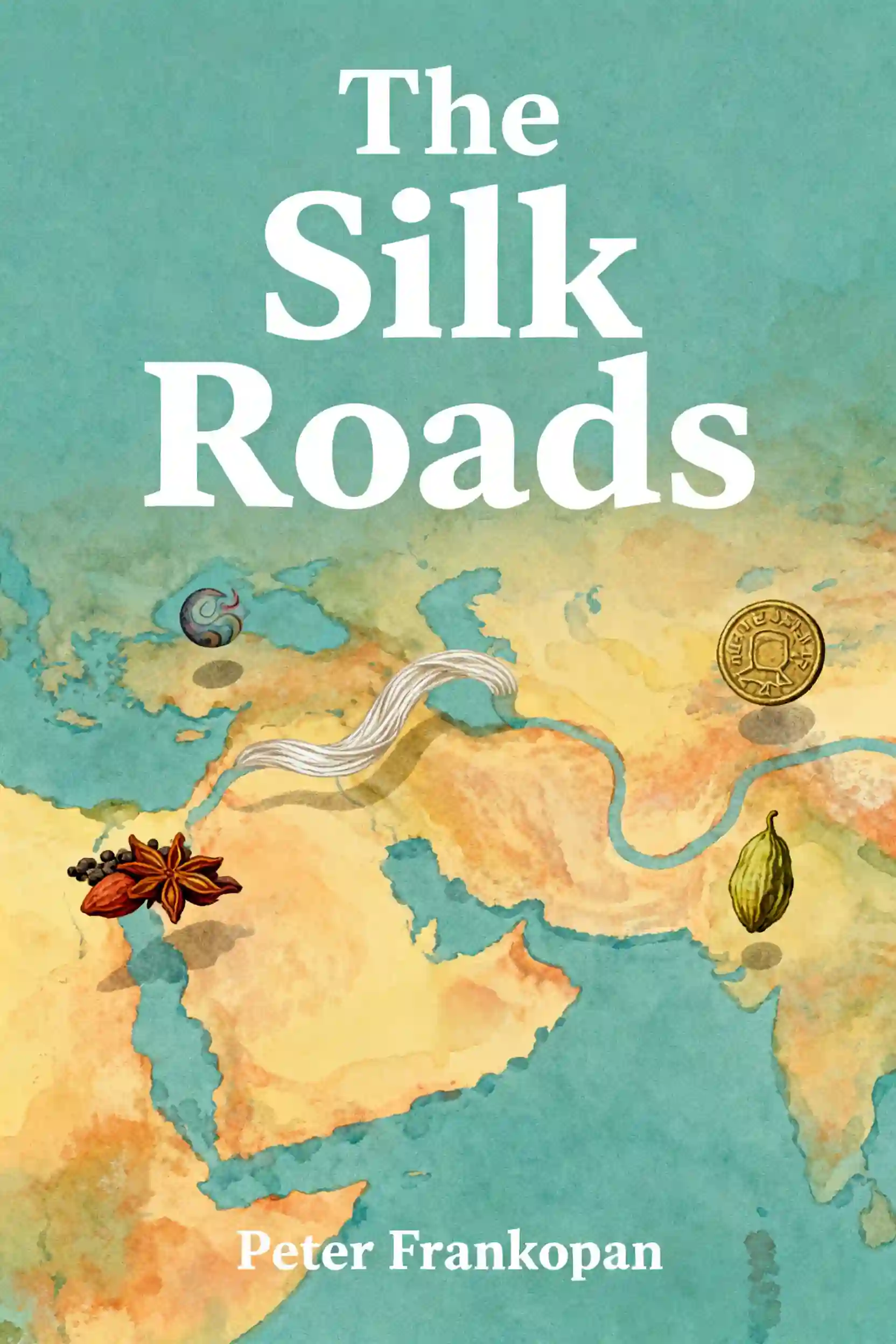
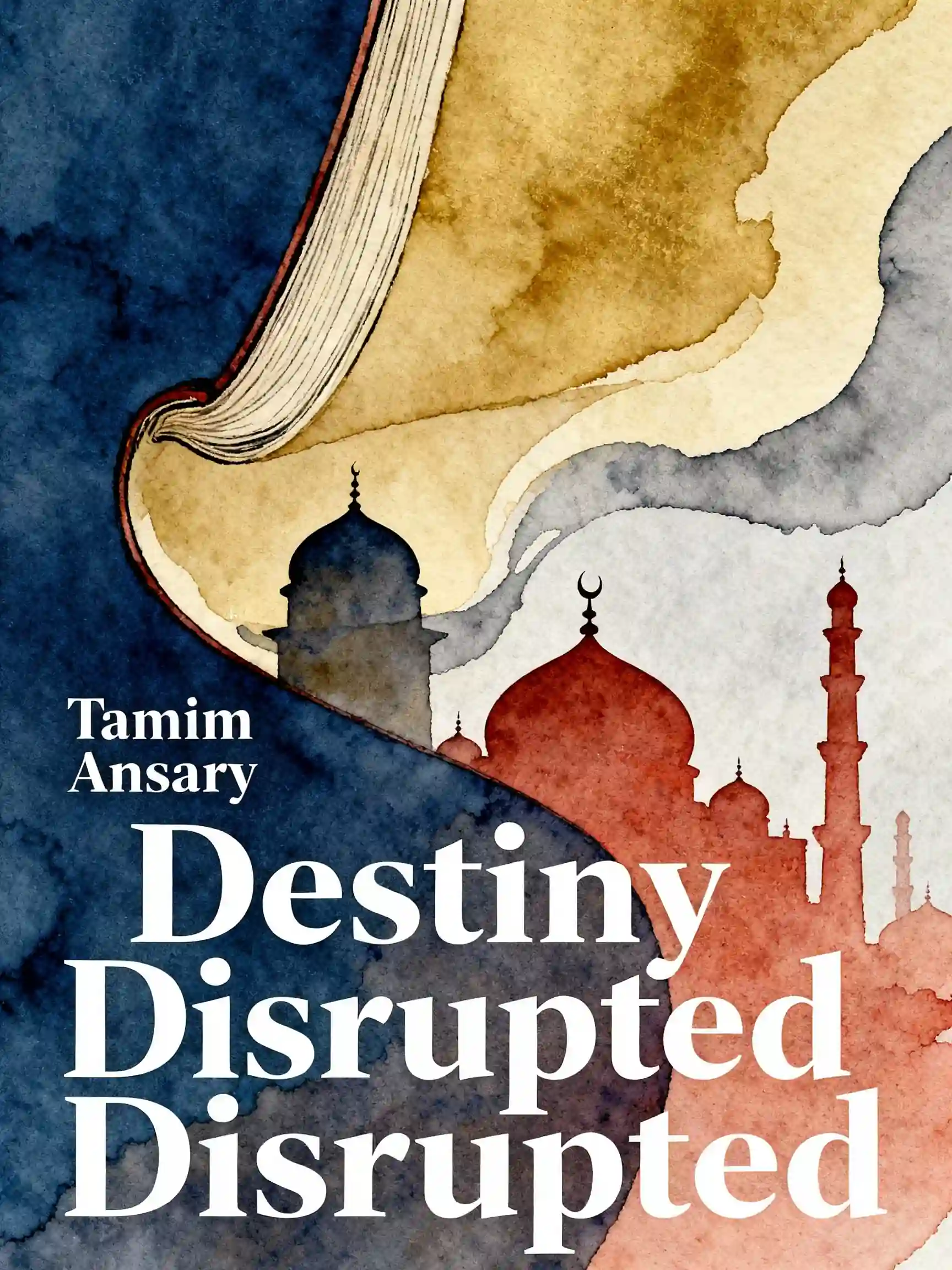
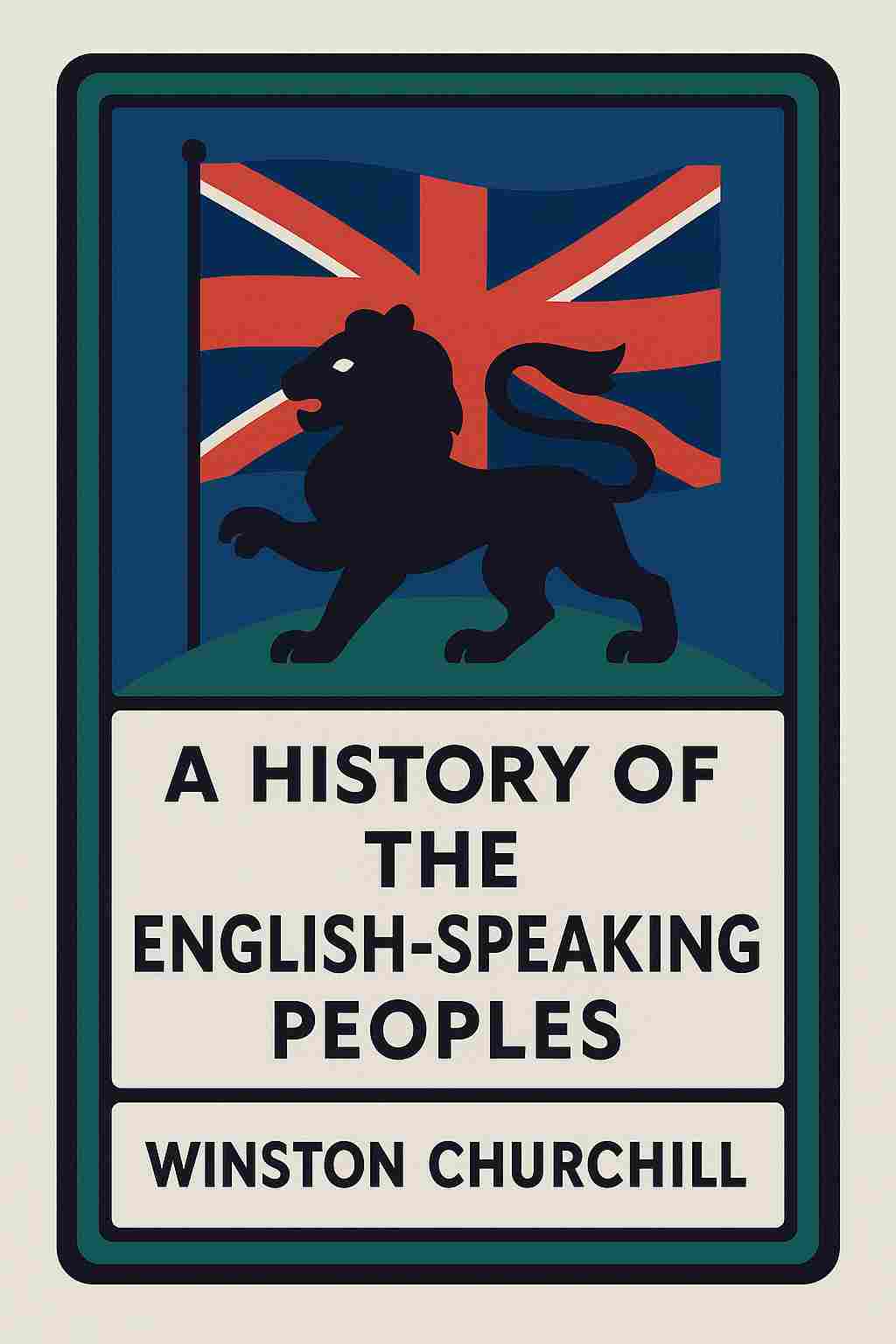
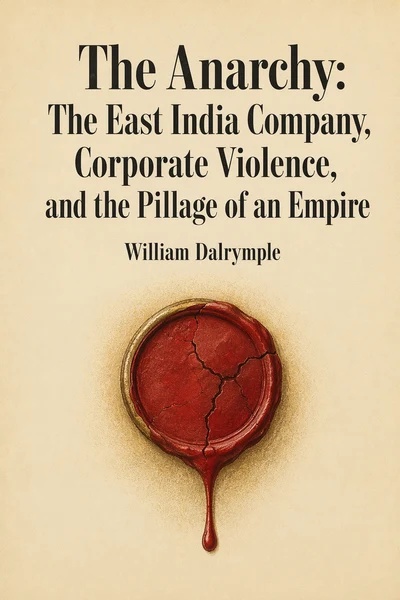
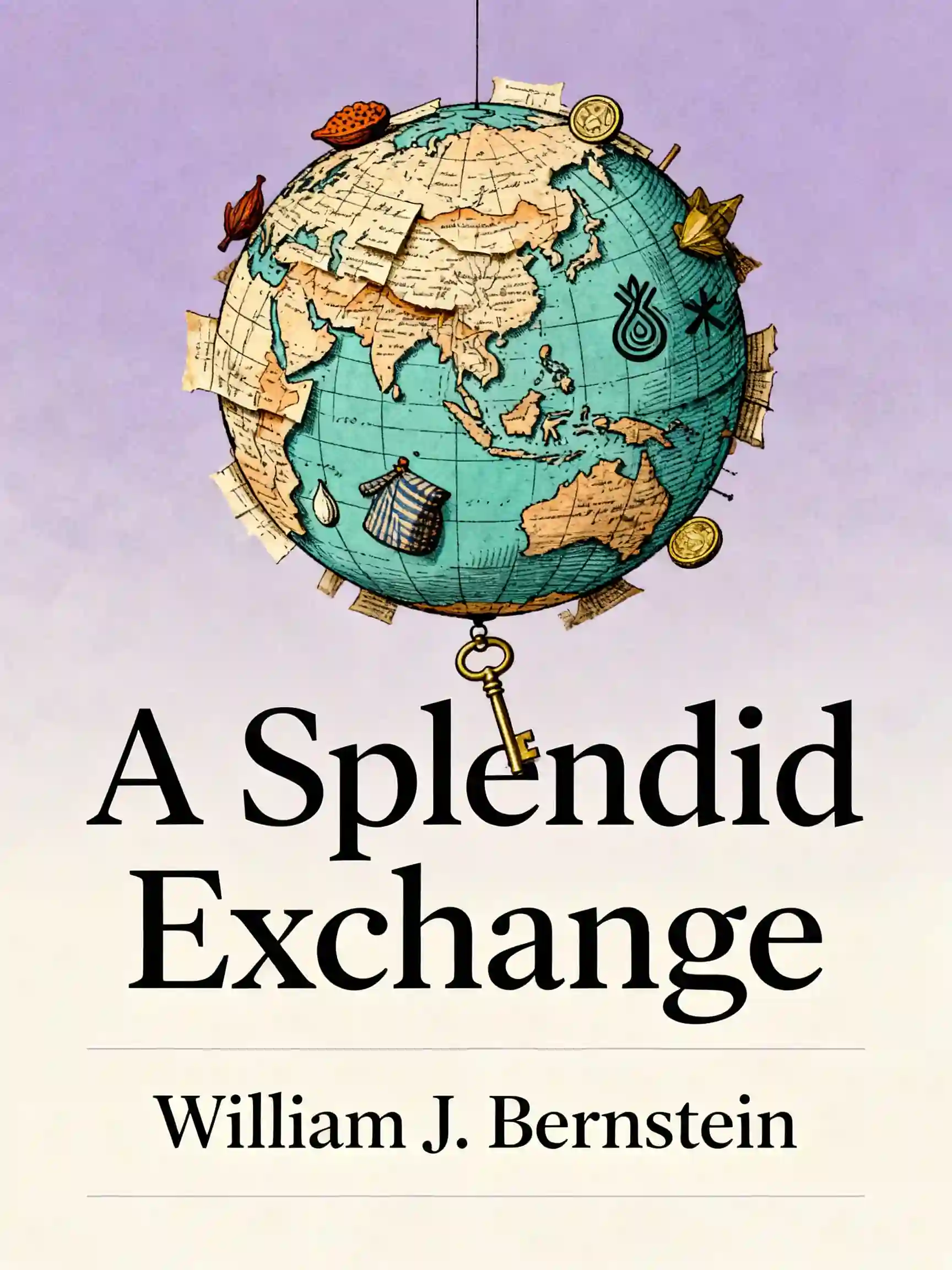
The term "Asia" was not used by the people living on the continent until it was introduced by European imperialists in the mid-nineteenth century. Historically, the region consisted of diverse, distinct civilizations like those in India and China that were separated by massive natural barriers such as the Himalayas and the Gobi Desert. Rather than being a single political or cultural entity, the continent was a collection of societies connected through trade and the movement of nomadic groups rather than a shared internal identity.
Geography served as a "silent architect" by using mountains and deserts to isolate civilizations, forcing them to develop unique local cultures and irrigation-based power structures. However, the steppe region—a vast, flat grassland in the north—functioned as a prehistoric superhighway. Nomadic "mounted hordes" used this terrain to move rapidly across the continent, acting as the original connectors who linked urban centers and facilitated the exchange of technology, goods, and ideas.
The Pax Mongolica, or "Mongol Peace," was a period where the Mongol Empire unified almost the entire length of the Silk Road under one political authority. This stability created a safe environment for trade, leading to the "first globalization" where Chinese technologies like gunpowder, paper-making, and the compass moved westward. While it brought immense wealth and cultural exchange, this high level of connectivity also had the unintended consequence of allowing the Black Death to spread rapidly along these same trade routes.
These movements represented a shift toward a personal, emotional connection with the divine rather than strict adherence to formal rituals or elite languages like Sanskrit. By using local languages and rejecting rigid hierarchies like the caste system, these "devotional revolutions" made religion accessible to common people, including women and lower castes. This flexibility allowed religions to blend with local customs, creating "shared cultural zones" that made diverse populations more governable and interconnected through shared values.
In the early 1400s, China possessed the world's most advanced navy, led by Admiral Zheng He, with ships far larger than any in Europe. However, the government eventually viewed these voyages as an unnecessary expense and chose to focus on "interior reform" and defending land borders against northern nomads. By dismantling their fleet and "closing the door" to focus on internal stability, China became vulnerable to European powers who arrived by sea in the following centuries to monopolize trade.
컬럼비아 대학교 동문들이 제작 | 샌프란시스코에서 개발
평균 평점
앱 평가 7.84천 개 이상
BeFreed 커뮤니티
정말이지 아직 앱을 다 써 보지도 않았는데, 며칠 써 본 것만으로도 깊은 인상을 받았어요… BeFreed는 제가 써 본 어떤 학습 앱과도 차원이 달라요. 몰입감이 엄청나고 집중력도 실제로 좋아져서, 스마트폰을 하염없이 스크롤하는 분들께 딱이에요!
@ladyInfinity
정확히 23일 전에 BeFreed를 구입했는데, 그날부터 하루도 빠짐없이 쓰고 있어요. 제 일상 업무 흐름과 학습 습관에 완전히 자리 잡았어요.
@jayallen
솔직히 이 앱은 제 기대를 전부 뛰어넘었어요. 어떤 주제든 오디오로 만들어 달라고 할 수 있고, 결과물이 놀라워요. 제 전문 분야는 심리치료 쪽이고 여러 학문이 얽혀 있는데도 답변이 아주 정확해요.
@Raguipa
제일 고마운 건 스크롤하는 시간이 확 줄었다는 거예요. 검색하는 시간은 줄고 흡수하는 시간은 늘었어요. 오디오북 전권, 팟캐스트, 학습 플랜의 조합이 정말 훌륭해요.
@colonyofcreatorsNGO
저는 24년째 PhotoReading 속진 학습 강사로 일하고 있어요… 책과 독서, 배움이 제 전문인데, BeFreed는 정보를 소화하기 쉽게 전달하는 혁신적인 방식을 정말 잘 구현했어요.
@BeFreed user
단순한 책 요약 앱이 아니에요. '재미' 스타일을 써 봤는데, 전통적인 방식보다 훨씬 나은 요약이고 아이디어를 이해하기도 쉬워요. 이것만으로도 값어치를 해요.
@austinakon
이 앱이 정말 좋아요. 며칠 써 봤는데 듣는 걸 멈출 수가 없어요. 시작하기에 이보다 좋을 수 없어요.
@jcrules328
정말 마음에 들어요. 한 달 정도 써 봤는데 숨은 보석을 찾은 기분이에요. BeFreed로 제가 원하는 주제를 직접 만들 수 있어서 좋고, 목소리도 훌륭한 데다 내레이션 선택지가 무궁무진해요.
@DanielCZ
유용한 정보와 아이디어를 8~15분짜리 팟캐스트 스타일 오디오로 압축해서 들을 수 있다는 게 정말 좋아요. 원래 팟캐스트는 군더더기가 많아서 안 좋아했는데, 여기는 그걸 싹 걷어냈어요.
@BeFreed user
박사 과정을 마무리하는 중이라 낯선 자료를 많이 읽어야 해요… BeFreed에서는 프롬프트만 입력하면 앱이 자료를 찾아서 오디오 팟캐스트로 만들어 줘요. BeFreed의 과정이 NotebookLM보다 더 매끄럽게 느껴져요.
@Brad
아침을 준비하거나 산책하거나 출퇴근할 때 들을 것을 YouTube에서 자주 찾곤 했는데, BeFreed는 광고도 군더더기도 없이 훨씬 더 딱 맞는 걸 들려줘요!
@BeFreed user
이 플랫폼의 가장 큰 장점은 활용도예요. 다루지 못하는 주제가 말 그대로 하나도 없어요. 무엇을 던져도 다 소화해요… 제한이 전혀 없으면서 약속을 실제로 지키는 학습 도구는 정말 드물어요.
@jayallen
BeFreed는 환상적이에요. 디자인이 편해서 헤매는 시간은 줄고 배우는 시간은 늘었어요. 오디오북, 팟캐스트, 학습 플랜의 조합은 천재적이에요. 제 하루가 완전히 달라졌어요.
@BeFreed user
처음엔 이탈리아어로 팟캐스트를 만드는 방법을 이해하는 데 시간이 좀 걸렸는데, 알고 나니까 — 와! 정말 대단해요! 어떤 주제든 설명해 달라고 하면 정말 똑똑하게 잘 설명해 줘요!
@matteo77
BeFreed는 제가 매일 쓰는 오디오북 앱이 됐어요… 제일 마음에 드는 건 텍스트를 넣으면 이동 중에도 들을 수 있는 오디오로 만들어 준다는 점이에요.
@kotanzu1




As the global economic center shifts eastward, understanding the complex interplay of power in Asia is essential for policy analysts and global business leaders. This plan provides a comprehensive framework for navigating the strategic rivalries and alliance networks defining the 21st century.

This plan offers a vital perspective on China's trajectory from an ancient empire to a modern global leader. It is ideal for students, professionals, and history enthusiasts seeking to understand the historical forces driving today's geopolitical landscape.

This learning plan bridges the gap between empirical history and enduring legends, offering a multidisciplinary look at how civilizations leave their mark. It is ideal for history enthusiasts, archaeology buffs, and curious minds who want to understand the intersection of human innovation and mythic storytelling.

This learning plan offers a vital perspective on global history by highlighting the sophisticated trade and governance systems that thrived outside of Europe. It is ideal for history students, educators, and curious learners seeking to understand the interconnected nature of pre-colonial civilizations across the Pacific, Asia, Africa, and the Americas.

This plan offers a deep dive into the foundations of human society by blending archaeology with cultural history. It is ideal for history enthusiasts and lifelong learners who want to understand how ancient power dynamics and daily life continue to influence the modern world.

This plan provides a comprehensive look at how human history is constructed and interpreted beyond just dates and facts. It is ideal for curious learners and students who want to develop critical thinking skills and understand the forces shaping our modern global society.

This learning plan provides essential context for understanding Southeast Asian history, colonialism's lasting effects, and the Philippines' unique position as a bridge between Asian and Western cultures. It's ideal for students of Asian studies, history enthusiasts, educators, travelers to the Philippines, or anyone seeking to understand how colonial legacies shape modern nations and democratic movements.

This learning plan bridges ancient philosophy, archaeology, and mythology to explore one of history's most enduring mysteries while developing critical analysis skills. It's ideal for history enthusiasts, students of classical studies, and anyone fascinated by how ancient civilizations recorded and transformed catastrophic events into lasting cultural narratives. Learners will gain valuable skills in evaluating historical sources and understanding how myth and reality intertwine in human storytelling.