BeFreed
    Categories>Communication>The Architecture of Influence: Mastering High-Stakes Communication

    The Architecture of Influence: Mastering High-Stakes Communication

    25분
    |
    2026년 8월 24일
    • Communication
    • Psychology
    • Self-Growth

    Master high-stakes communication with The Architecture of Influence. Learn the psychology of message architecture, strategic framing, and the choreography of attention.

    The Architecture of Influence: Mastering High-Stakes Communication
    0:00 / 0:00
    전달 방식을 선택하세요

    하나의 에피소드, 다양한 청취 방식.

    The Architecture of Influence: Mastering High-Stakes Communication의 같은 아이디어를 나에게 맞는 목소리, 깊이, 속도로 만나보세요. 언제든 바꿀 수 있습니다.

    전체 대본 및 챕터

    챕터 1

    The Architecture of Influence and the Hidden Power of Persuasion

    Imagine you are standing in a crowded room where every single person is shouting at the top of their lungs, but you are the only one who knows how to whisper in a way that makes the entire room go silent just to hear you. That is the essence of mastering the concepts we are exploring today. You are probably used to the idea that communication is about the words you choose, but the truth is far more immersive and psychological. It is about the architecture of the message itself. There is a specific kind of magic that happens when a clear vision meets a perfectly timed delivery, and it is something you can engineer. We often think of influence as a gift—something people are born with—but the materials we are looking at today suggest it is actually a structural achievement. It is about how you frame a problem, how you invite someone into a solution, and how you anchor your ideas in a way that makes them feel inevitable.

    You might feel like you are constantly pushing against a wall when you try to get your ideas across, whether that is in a boardroom or a casual conversation. But what if the wall isn't the problem? What if the issue is that you haven't built a door? We are going to look at the mechanics of creating that opening. One of the most striking insights from our sources is the idea that high-stakes communication is not a battle of facts, but a choreography of attention. If you can control where someone looks, you can control what they value. This is not about manipulation; it is about clarity. It is about stripping away the noise of the "shouting room" and replacing it with a signal so strong that people cannot help but tune in. This matters to you because your ability to navigate the world is capped by your ability to move others. Whether you are leading a team through a crisis or trying to convince a friend to take a chance on a new venture, the principles are the same. We are moving beyond the superficial "how-to" and into the deep "why" of human engagement.

    As we move forward, think about the last time you felt truly heard. Not just acknowledged, but understood. There was a specific structure to that moment. There was a rhythm and a resonance. We are going to deconstruct that rhythm so you can recreate it at will. We are starting with the foundation—the very bedrock of how you present yourself and your ideas to a world that is increasingly distracted. This is where we stop just talking and start actually communicating.
    챕터 2

    The Foundation of Resonance and the Blueprint of Human Connection

    To build something that lasts, you have to start beneath the surface. When you look at a skyscraper, you see glass and steel, but the only reason it stands is because of the concrete and rebar buried deep in the earth. Communication is exactly the same. Before you ever open your mouth or send that email, you have to establish a foundation of resonance. Resonance isn't just a buzzword; it is a physical phenomenon. It is what happens when two things vibrate at the same frequency. In a social context, it is when your message aligns so perfectly with your audience's needs, fears, or desires that it creates a feedback loop of energy. If you are out of sync, it doesn't matter how loud you are—the energy just dissipates.

    The first step in building this foundation is understanding the "mental models" of the person you are speaking to. You are not just delivering information into a vacuum; you are inserting it into a pre-existing map of the world. If your information contradicts that map too sharply without a bridge, it will be rejected as an error. The sources emphasize that effective persuasion requires you to first validate the existing map before you suggest a detour. This is the "Setup and Foundation" phase where you establish common ground. You have to show that you see what they see. You have to prove that you are standing in the same room, looking at the same horizon. Only then will they trust you to point out a new path.

    Think of it as a bridge. You cannot start building a bridge from the middle of the river; you have to anchor it on the shore where the other person is currently standing. This requires a high degree of empathy and situational awareness. You have to ask yourself: what keeps them up at night? What are the unwritten rules of their world? When you answer these questions, you are doing the hard work of pouring the concrete. You are creating a stable platform for your "big idea." Without this, your idea is just a kite in a hurricane—exciting for a moment, but ultimately untethered and destined to crash.
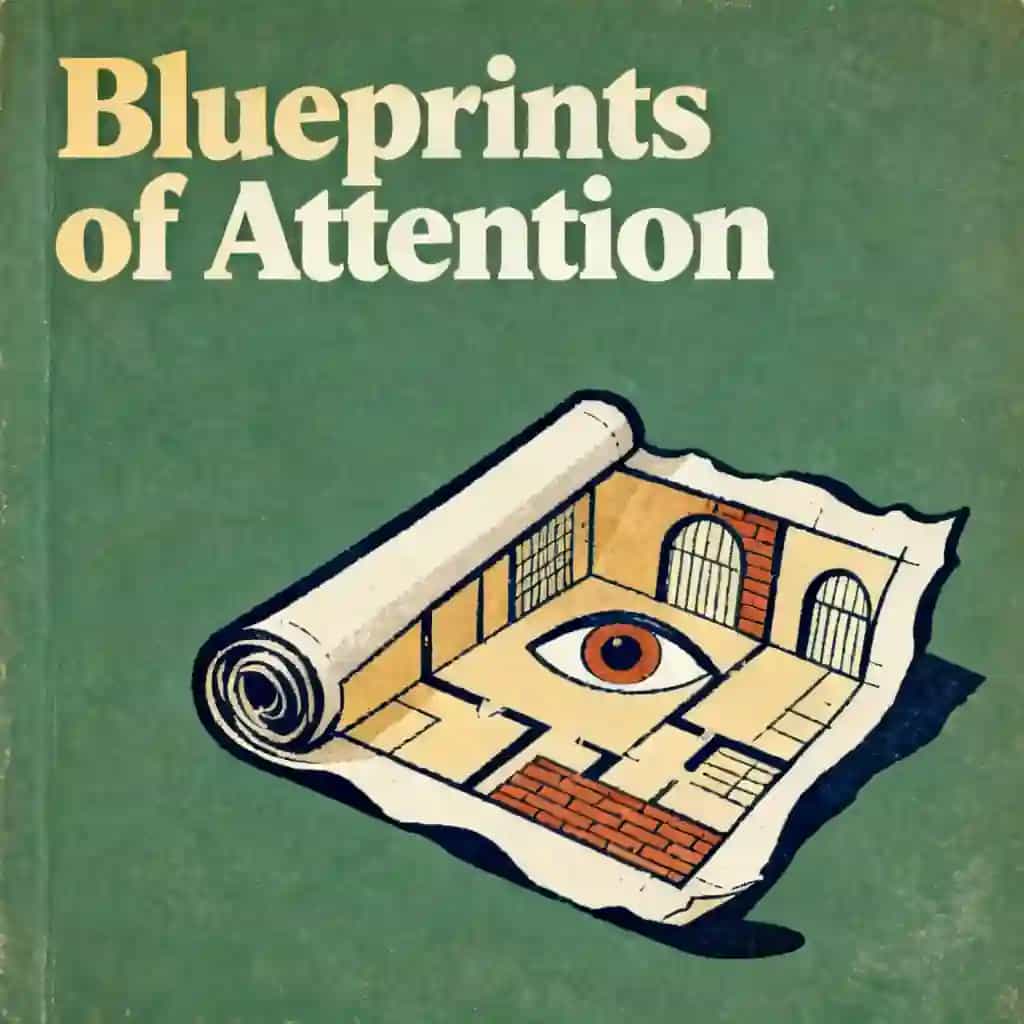
    By focusing on the setup, you are also managing expectations. You are signaling to the other person that this is a safe space for exploration. High-energy, conversational engagement is only possible when there is an underlying sense of security. You are the architect here. You are designing an experience that feels natural and inevitable. As we transition into the mechanics of how this actually works in practice, keep that image of the bridge in mind. You are the one reaching across the gap, but you are doing it with a blueprint in hand. This isn't guesswork; it is a calculated effort to align your frequency with theirs.

    이 에피소드로 더 깊이 배우기

    이 에피소드의 아이디어를 BeFreed의 가이드 학습 경험으로 더 깊이 탐구해 보세요.

    챕터 3

    The Mechanics of Movement and the Art of Strategic Narrative

    Now that the foundation is poured, we have to talk about movement. How do you actually get someone to cross that bridge? This is where the art of strategic narrative comes into play. A narrative isn't just a story you tell; it is the lens through which you interpret reality. The sources highlight a fascinating mechanism: the "What If" scenario. This is a powerful tool because it bypasses the analytical, critical part of the brain and speaks directly to the imagination. When you ask someone "What if?", you aren't making a claim they can argue with; you are inviting them into a simulation. You are letting them test-drive a future that you have designed.

    Imagine you are trying to introduce a radical new business process. If you list the technical specifications, people will find a dozen reasons why it won't work. But if you start with a vivid image—a scene where the current bottlenecks are gone, where the team is energized, and where the results are doubling—you have shifted the conversation from "why this is hard" to "how do we get there." This is the sensory detail that the "Creative Visionary" style thrives on. You aren't just talking about data; you are making that data tangible. You are turning a spreadsheet into a landscape.

    The mechanics here are subtle but profound. You are using metaphors to bridge the gap between the known and the unknown. A metaphor is like a Trojan horse for complex ideas. It carries a sophisticated concept inside a familiar, easily digestible package. For instance, if you're explaining a complex technological shift, you might compare it to the transition from candlelight to electricity. Everyone understands that shift—it wasn't just about a new bulb; it was about a new way of living. By using that metaphor, you've instantly communicated the scale and the benefit of your idea without getting bogged down in the technical weeds.

    But movement also requires friction. You can't just have a smooth ride; you need to acknowledge the challenges. This is where the contrast between the "current state" and the "future state" creates a sense of urgency. The sources suggest that by highlighting the gap between where we are and where we could be, you create a psychological tension that demands resolution. You are the one providing that resolution. This is the heartbeat of a great presentation or a high-stakes conversation. It’s a rhythmic pulsing between the pain of the status quo and the promise of the vision. This leads us directly into the idea of how we handle the "dry" parts of communication—the technicalities and the facts—without losing that vital momentum.

    챕터 4

    Translating the Technical into the Transcendent

    We have all been there: the moment in a meeting or a presentation where the "Big Idea" hits the wall of "Technical Details." The energy in the room drops, eyes glaze over, and the momentum you worked so hard to build starts to evaporate. But here is the secret: there is no such thing as a dry topic, only a dry delivery. The sources argue that you can translate even the most technical slide headers into exciting "big ideas" by focusing on the human impact rather than the mechanical process. This is where you move from being an informant to being an interpreter.

    Think of it like this: an architect doesn't show a client a pile of blueprints and expect them to fall in love with the building. They show them a 3D rendering of the light hitting the atrium at sunset. They show them how people will move through the space. The blueprints are necessary, but the rendering is what sells the vision. Your job is to create the rendering for your ideas. When you encounter a technical concept—say, an algorithmic update or a logistical shift—you need to ask yourself: what does this change for the person sitting across from me? Does it give them more time? Does it reduce their anxiety? Does it make them look like a hero to their boss? That is your "Big Idea."

    The key here is to use punchy, enthusiastic language to bring those bullet points to life. Instead of saying "Optimization of Resource Allocation," you say "Unlocking the Hidden Hours in Your Week." You are using the same data, but you are framing it in a way that feels personal and urgent. This is the "edu-tainment" aspect of high-level communication. You are educating them, yes, but you are doing it in a way that is engaging and memorable. You are taking the dry bones of a PowerPoint and breathing life into them.

    This translation process also involves a certain amount of curation. You don't have to share everything. One of the biggest mistakes people make is thinking that more information leads to more persuasion. It’s actually the opposite. Information overload leads to decision paralysis. By selectively choosing the most striking facts and weaving them into your narrative, you create a sense of mastery and confidence. You are telling the listener: "I have looked at the mountain of data, and these are the three stones that matter." This builds immense trust. It shows that you value their time and that you have done the heavy lifting for them. This curated approach sets the stage for the practical application of these ideas, moving from the "what" and "why" into the "how."

    이 에피소드로 더 깊이 배우기

    이 에피소드의 아이디어를 BeFreed의 가이드 학습 경험으로 더 깊이 탐구해 보세요.

    챕터 5

    The Power of Presence and the Psychology of the Room

    Communication isn't just about the message; it's about the messenger. The sources point toward an often-overlooked element of influence: your physical and psychological presence. This isn't about being the loudest person in the room; it's about being the most grounded. When you speak with a calm, smooth, and convincing voice—as we are doing right now—you signal to the listener's nervous system that you are a reliable source of information. You are creating an environment of psychological safety where ideas can be explored without the interference of ego or defensiveness.

    This "Voice Style" is more than just a performance; it's a reflection of your internal state. If you are frantic and rushed, your audience will feel frantic and rushed. If you are steady and deliberate, they will mirror that steadiness. This is the concept of "emotional contagion." You are essentially setting the thermostat for the room. By maintaining a high-energy yet controlled tone, you keep the listener engaged without overwhelming them. It’s a delicate balance, much like a conductor leading an orchestra—knowing when to lean in for emphasis and when to pull back to let a point land.

    There is also a deep psychology to how you handle questions and pushback. The sources suggest that instead of seeing resistance as a threat, you should see it as a sign of engagement. If someone is arguing with you, it means they are listening. They are trying to fit your "Big Idea" into their "Mental Model," and they've hit a snag. Your job isn't to steamroll them; it's to help them untangle that snag. This is where the "Direct and Convincing" voice turns into a "Collaborative and Curious" one. You are inviting them to co-create the solution with you.

    This approach transforms the dynamic from a "pitch" to a "partnership." When you allow the other person to contribute to the vision, they become invested in its success. They aren't just buying your idea; they are owning it. This is the pinnacle of influence—when you no longer have to push people toward a goal because they are already pulling themselves toward it. It’s about creating a shared reality. As we move into the practical playbook for how you can apply this in your own life, remember that your presence is the invisible thread that holds everything together. It is the container for the entire experience.

    챕터 6

    A Practical Playbook for Navigating Complexity and Capturing Attention

    So, how do you take all of these high-level concepts and turn them into something you can use tomorrow morning? Let's break it down into a practical playbook based on the insights we've gathered. The goal here is to move from theory to action, giving you a set of tools that you can deploy in any situation where you need to influence, persuade, or simply be understood. This is about taking the "Creative Visionary" approach and grounding it in real-world application.

    First, before any major interaction, do a "Context Audit." Don't just think about what you want to say; think about the "Mental Model" of the person you're speaking to. What is their current reality? What are their hidden pressures? Write down three things you know for sure about their perspective. This is your anchor. When you start the conversation, mention one of those things immediately. This signals that you have done the work to understand them, and it opens the door for resonance. It’s the "bridge" we talked about earlier—start on their side of the river.

    Second, identify your "Single Most Important Image." If your entire message had to be distilled into one sensory detail or one metaphor, what would it be? This is your North Star. Every fact, every statistic, and every bullet point you share should point back to this image. If you're talking about a new software rollout, maybe the image is "the first day of vacation"—the feeling of being completely unburdened. Use this image early and return to it often. It gives your listener something to hold onto when the details get complex. It makes your idea "sticky."

    Third, master the "Contrast Technique." People struggle to value things in isolation; we need comparison to understand worth. Always frame your solution against the backdrop of the "Status Quo Risk." What happens if nothing changes? Don't just focus on the benefits of your idea; highlight the costs of inaction. This creates the "psychological tension" that moves people from passive agreement to active commitment. You are showing them that staying still is actually more dangerous than moving forward with you.

    Fourth, practice "Active Curation." Look at your next presentation or email and cut 20% of the information. Specifically, cut the parts that are there just to "prove you did the work." Your audience doesn't need to see the "rebar" of your research; they need to see the "atrium" of your vision. Keep the most striking facts and let them breathe. A single, powerful statistic that is perfectly explained is worth more than ten slides of data that no one remembers. By following these steps, you are not just communicating; you are engineering an experience of clarity and conviction. You are becoming the architect of your own influence.

    이 에피소드로 더 깊이 배우기

    이 에피소드의 아이디어를 BeFreed의 가이드 학습 경험으로 더 깊이 탐구해 보세요.

    챕터 7

    The Vision for a Future Defined by Clarity and Connection

    As we look toward the horizon, it is clear that the ability to synthesize complex ideas and communicate them with heart and precision is becoming the most valuable skill in the world. We are living in an era of unprecedented noise, where the volume is constantly being turned up. In this environment, the "whisper" of a well-structured, resonant idea is more powerful than ever. The sources we've explored today point toward a future where leadership is less about command and control and more about clarity and connection. It’s a world where the best storytellers are the ones who can make the most sense of the chaos.

    This isn't just about business or professional success; it's about the quality of our human interactions. When we learn to communicate better, we build better relationships, more resilient communities, and more innovative organizations. We stop talking past each other and start building together. The "Visionary" style we've discussed is really a call to be more intentional with our words and our presence. It’s a call to treat communication as a craft—something to be studied, practiced, and refined with the same dedication a master craftsman brings to their workbench.

    Imagine a world where every meeting you attend is energizing rather than draining. Where every presentation you give leaves people feeling inspired and clear on the next steps. Where you have the confidence to tackle any subject, no matter how technical, and make it feel vital and human. This is the future that these principles unlock. It’s not a dream; it’s a structural reality that you can begin building today. You have the blueprint, you have the materials, and now you have the tools. The only thing left is to start.

    The world is waiting for your "Big Idea." But more than that, it's waiting for you to deliver it in a way that truly lands. As you move forward, keep that sense of the "Creative Visionary" alive. Stay imaginative, stay sensory, and never lose sight of the human being on the other side of the conversation. When you combine that empathy with the structural mechanics of influence, you become unstoppable. You aren't just moving information; you are moving people. And that is where the real magic happens.

    챕터 8

    Integrating the Lessons and Stepping into Your Role as a Visionary

    We have covered a lot of ground today, from the deep foundations of resonance to the practical playbook for daily influence. As we wrap up, I want you to take a moment to reflect on everything we've discussed. Think about one specific area of your life—maybe a project you're working on or a relationship you want to improve—where these ideas could make a difference. What would happen if you applied the "What If" scenario there? How would it change the dynamic if you focused on the "Mental Model" of the other person instead of just your own goals?

    The beauty of these insights is that they are universal. They apply whether you are speaking to a room of a thousand or a room of one. They are about the fundamental ways we as humans connect and make sense of our world. You now have a deeper understanding of the "why" behind effective communication. You know that it's about more than just being articulate; it's about being architectural. It's about building bridges, creating resonance, and managing the climate of the room. This is a powerful set of tools, and like any tool, its value comes from how you use it.

    I encourage you to pick just one idea from our conversation today and try it out in the next 24 hours. Maybe it's using a metaphor to explain a difficult concept, or maybe it's simply taking a breath and finding that "calm, smooth, and convincing" voice before you speak. Notice how people respond. Notice the change in the energy. You might be surprised at how quickly things start to shift when you change the way you show up. You are no longer just a participant in the "shouting room"; you are the one who knows how to make the room go silent.

    Thank you for spending this time with me. It’s been a journey through the mechanics of the mind and the art of the message, and I hope you feel equipped to go out and make your own mark. Remember, the architecture of influence is something you build one conversation at a time. Take these lessons, make them your own, and start creating the clarity that the world so desperately needs. You have the vision—now go and share it. Reflect on how these principles can reshape your daily interactions, and trust in your ability to lead others toward a better future through the power of your words and your presence.

    ★★★★★

    The Architecture of Influence: Mastering High-Stakes Communication의 끝까지 도달했어요

    “23일째 매일 사용하고 있어요. 이제 제 일상의 한 부분이 되었습니다.”

    jayallen

    The Architecture of Influence: Mastering High-Stakes Communication 베스트 인용

    “

    High-stakes communication is not a battle of facts, but a choreography of attention. If you can control where someone looks, you can control what they value.

    ”
    B

    Generated by Becky Farmer

    질문 입력

    please create a podcast from this powerpoint

    호스트 음성
    Lenaplay
    지식 출처

    자주 묻는 질문

    The Architecture of Influence explores the idea that effective communication is a structural achievement rather than an innate gift. Instead of focusing solely on word choice, this approach emphasizes the psychology of the message and how to engineer a clear vision. By understanding message architecture, you can learn to frame problems and anchor ideas so they feel inevitable to your audience, turning high-stakes communication into a deliberate process of engineering openings for your ideas.

    In high-stakes communication, the process is described as a choreography of attention rather than a simple battle of facts. The goal is to control where an audience looks to influence what they value. This method moves away from pushing against resistance and instead focuses on building a door through strategic framing. By mastering these persuasion mechanics, you can make an entire room go silent to hear your message, even in crowded or loud environments.

    While many believe influence is a gift people are born with, The Architecture of Influence suggests it is actually a skill that can be engineered. It involves mastering the mechanics of how you invite someone into a solution and how you deliver a message with perfect timing. By focusing on the immersive and psychological aspects of communication, anyone can learn to move beyond shouting and instead use a whisper that commands the room's full attention.

    컬럼비아 대학교 동문들이 제작 | 샌프란시스코에서 개발

    BeFreed는 호기심 넘치는 글로벌 커뮤니티를 하나로 연결합니다

    4.7

    평균 평점

    앱 평가 7.84천 개 이상

    BeFreed 커뮤니티

    정말이지 아직 앱을 다 써 보지도 않았는데, 며칠 써 본 것만으로도 깊은 인상을 받았어요… BeFreed는 제가 써 본 어떤 학습 앱과도 차원이 달라요. 몰입감이 엄청나고 집중력도 실제로 좋아져서, 스마트폰을 하염없이 스크롤하는 분들께 딱이에요!

    @ladyInfinity

    정확히 23일 전에 BeFreed를 구입했는데, 그날부터 하루도 빠짐없이 쓰고 있어요. 제 일상 업무 흐름과 학습 습관에 완전히 자리 잡았어요.

    @jayallen

    솔직히 이 앱은 제 기대를 전부 뛰어넘었어요. 어떤 주제든 오디오로 만들어 달라고 할 수 있고, 결과물이 놀라워요. 제 전문 분야는 심리치료 쪽이고 여러 학문이 얽혀 있는데도 답변이 아주 정확해요.

    @Raguipa

    제일 고마운 건 스크롤하는 시간이 확 줄었다는 거예요. 검색하는 시간은 줄고 흡수하는 시간은 늘었어요. 오디오북 전권, 팟캐스트, 학습 플랜의 조합이 정말 훌륭해요.

    @colonyofcreatorsNGO

    저는 24년째 PhotoReading 속진 학습 강사로 일하고 있어요… 책과 독서, 배움이 제 전문인데, BeFreed는 정보를 소화하기 쉽게 전달하는 혁신적인 방식을 정말 잘 구현했어요.

    @BeFreed user

    단순한 책 요약 앱이 아니에요. '재미' 스타일을 써 봤는데, 전통적인 방식보다 훨씬 나은 요약이고 아이디어를 이해하기도 쉬워요. 이것만으로도 값어치를 해요.

    @austinakon

    이 앱이 정말 좋아요. 며칠 써 봤는데 듣는 걸 멈출 수가 없어요. 시작하기에 이보다 좋을 수 없어요.

    @jcrules328

    정말 마음에 들어요. 한 달 정도 써 봤는데 숨은 보석을 찾은 기분이에요. BeFreed로 제가 원하는 주제를 직접 만들 수 있어서 좋고, 목소리도 훌륭한 데다 내레이션 선택지가 무궁무진해요.

    @DanielCZ

    정말이지 아직 앱을 다 써 보지도 않았는데, 며칠 써 본 것만으로도 깊은 인상을 받았어요… BeFreed는 제가 써 본 어떤 학습 앱과도 차원이 달라요. 몰입감이 엄청나고 집중력도 실제로 좋아져서, 스마트폰을 하염없이 스크롤하는 분들께 딱이에요!

    @ladyInfinity

    정확히 23일 전에 BeFreed를 구입했는데, 그날부터 하루도 빠짐없이 쓰고 있어요. 제 일상 업무 흐름과 학습 습관에 완전히 자리 잡았어요.

    @jayallen

    솔직히 이 앱은 제 기대를 전부 뛰어넘었어요. 어떤 주제든 오디오로 만들어 달라고 할 수 있고, 결과물이 놀라워요. 제 전문 분야는 심리치료 쪽이고 여러 학문이 얽혀 있는데도 답변이 아주 정확해요.

    @Raguipa

    제일 고마운 건 스크롤하는 시간이 확 줄었다는 거예요. 검색하는 시간은 줄고 흡수하는 시간은 늘었어요. 오디오북 전권, 팟캐스트, 학습 플랜의 조합이 정말 훌륭해요.

    @colonyofcreatorsNGO

    저는 24년째 PhotoReading 속진 학습 강사로 일하고 있어요… 책과 독서, 배움이 제 전문인데, BeFreed는 정보를 소화하기 쉽게 전달하는 혁신적인 방식을 정말 잘 구현했어요.

    @BeFreed user

    단순한 책 요약 앱이 아니에요. '재미' 스타일을 써 봤는데, 전통적인 방식보다 훨씬 나은 요약이고 아이디어를 이해하기도 쉬워요. 이것만으로도 값어치를 해요.

    @austinakon

    이 앱이 정말 좋아요. 며칠 써 봤는데 듣는 걸 멈출 수가 없어요. 시작하기에 이보다 좋을 수 없어요.

    @jcrules328

    정말 마음에 들어요. 한 달 정도 써 봤는데 숨은 보석을 찾은 기분이에요. BeFreed로 제가 원하는 주제를 직접 만들 수 있어서 좋고, 목소리도 훌륭한 데다 내레이션 선택지가 무궁무진해요.

    @DanielCZ

    유용한 정보와 아이디어를 8~15분짜리 팟캐스트 스타일 오디오로 압축해서 들을 수 있다는 게 정말 좋아요. 원래 팟캐스트는 군더더기가 많아서 안 좋아했는데, 여기는 그걸 싹 걷어냈어요.

    @BeFreed user

    박사 과정을 마무리하는 중이라 낯선 자료를 많이 읽어야 해요… BeFreed에서는 프롬프트만 입력하면 앱이 자료를 찾아서 오디오 팟캐스트로 만들어 줘요. BeFreed의 과정이 NotebookLM보다 더 매끄럽게 느껴져요.

    @Brad

    아침을 준비하거나 산책하거나 출퇴근할 때 들을 것을 YouTube에서 자주 찾곤 했는데, BeFreed는 광고도 군더더기도 없이 훨씬 더 딱 맞는 걸 들려줘요!

    @BeFreed user

    이 플랫폼의 가장 큰 장점은 활용도예요. 다루지 못하는 주제가 말 그대로 하나도 없어요. 무엇을 던져도 다 소화해요… 제한이 전혀 없으면서 약속을 실제로 지키는 학습 도구는 정말 드물어요.

    @jayallen

    BeFreed는 환상적이에요. 디자인이 편해서 헤매는 시간은 줄고 배우는 시간은 늘었어요. 오디오북, 팟캐스트, 학습 플랜의 조합은 천재적이에요. 제 하루가 완전히 달라졌어요.

    @BeFreed user

    처음엔 이탈리아어로 팟캐스트를 만드는 방법을 이해하는 데 시간이 좀 걸렸는데, 알고 나니까 — 와! 정말 대단해요! 어떤 주제든 설명해 달라고 하면 정말 똑똑하게 잘 설명해 줘요!

    @matteo77

    BeFreed는 제가 매일 쓰는 오디오북 앱이 됐어요… 제일 마음에 드는 건 텍스트를 넣으면 이동 중에도 들을 수 있는 오디오로 만들어 준다는 점이에요.

    @kotanzu1

    유용한 정보와 아이디어를 8~15분짜리 팟캐스트 스타일 오디오로 압축해서 들을 수 있다는 게 정말 좋아요. 원래 팟캐스트는 군더더기가 많아서 안 좋아했는데, 여기는 그걸 싹 걷어냈어요.

    @BeFreed user

    박사 과정을 마무리하는 중이라 낯선 자료를 많이 읽어야 해요… BeFreed에서는 프롬프트만 입력하면 앱이 자료를 찾아서 오디오 팟캐스트로 만들어 줘요. BeFreed의 과정이 NotebookLM보다 더 매끄럽게 느껴져요.

    @Brad

    아침을 준비하거나 산책하거나 출퇴근할 때 들을 것을 YouTube에서 자주 찾곤 했는데, BeFreed는 광고도 군더더기도 없이 훨씬 더 딱 맞는 걸 들려줘요!

    @BeFreed user

    이 플랫폼의 가장 큰 장점은 활용도예요. 다루지 못하는 주제가 말 그대로 하나도 없어요. 무엇을 던져도 다 소화해요… 제한이 전혀 없으면서 약속을 실제로 지키는 학습 도구는 정말 드물어요.

    @jayallen

    BeFreed는 환상적이에요. 디자인이 편해서 헤매는 시간은 줄고 배우는 시간은 늘었어요. 오디오북, 팟캐스트, 학습 플랜의 조합은 천재적이에요. 제 하루가 완전히 달라졌어요.

    @BeFreed user

    처음엔 이탈리아어로 팟캐스트를 만드는 방법을 이해하는 데 시간이 좀 걸렸는데, 알고 나니까 — 와! 정말 대단해요! 어떤 주제든 설명해 달라고 하면 정말 똑똑하게 잘 설명해 줘요!

    @matteo77

    BeFreed는 제가 매일 쓰는 오디오북 앱이 됐어요… 제일 마음에 드는 건 텍스트를 넣으면 이동 중에도 들을 수 있는 오디오로 만들어 준다는 점이에요.

    @kotanzu1

    웹에서 BeFreed가 어떻게 논의되고 있는지 더 보기
    129.7K19.5K
    55.2K19.2K
    154.2K10827355
    48.1K2.5K
    81.2K6.6K
    82.3K1.8K
    지금 바로 학습 여정을 시작하세요
    BeFreed 앱
    BeFreed

    무엇이든 개인화된 학습

    DiscordLinkedIn
    추천 도서 요약
    Crucial ConversationsThe Perfect MarriageInto the WildNever Split the DifferenceAttachedGood to GreatSay Nothing
    인기 카테고리
    Self HelpCommunication SkillRelationshipMindfulnessPhilosophyInspirationProductivity
    유명인 추천 도서
    Elon MuskCharlie KirkBill GatesSteve JobsAndrew HubermanJoe RoganJordan Peterson
    수상작 컬렉션
    Pulitzer PrizeNational Book AwardGoodreads Choice AwardsNobel Prize in LiteratureNew York TimesCaldecott MedalNebula Award
    추천 주제
    ManagementAmerican HistoryWarTradingStoicismAnxietySex
    연도별 베스트 도서
    2025 Best Non Fiction Books2024 Best Non Fiction Books2023 Best Non Fiction Books
    추천 저자
    Chimamanda Ngozi AdichieGeorge OrwellO. J. SimpsonBarbara O'NeillWinston ChurchillCharlie Kirk
    BeFreed vs 다른 앱
    BeFreed vs. Other Book Summary AppsBeFreed vs. ElevenReaderBeFreed vs. ReadwiseBeFreed vs. Anki
    학습 도구
    Knowledge VisualizerAI Podcast Generator
    정보
    회사 소개arrow
    가격arrow
    FAQarrow
    블로그arrow
    채용arrow
    파트너십arrow
    앰배서더 프로그램arrow
    디렉토리arrow
    BeFreed
    Try now
    © 2026 BeFreed
    이용 약관개인정보 처리방침
    BeFreed

    무엇이든 개인화된 학습

    DiscordLinkedIn
    추천 도서 요약
    Crucial ConversationsThe Perfect MarriageInto the WildNever Split the DifferenceAttachedGood to GreatSay Nothing
    인기 카테고리
    Self HelpCommunication SkillRelationshipMindfulnessPhilosophyInspirationProductivity
    유명인 추천 도서
    Elon MuskCharlie KirkBill GatesSteve JobsAndrew HubermanJoe RoganJordan Peterson
    수상작 컬렉션
    Pulitzer PrizeNational Book AwardGoodreads Choice AwardsNobel Prize in LiteratureNew York TimesCaldecott MedalNebula Award
    추천 주제
    ManagementAmerican HistoryWarTradingStoicismAnxietySex
    연도별 베스트 도서
    2025 Best Non Fiction Books2024 Best Non Fiction Books2023 Best Non Fiction Books
    학습 도구
    Knowledge VisualizerAI Podcast Generator
    추천 저자
    Chimamanda Ngozi AdichieGeorge OrwellO. J. SimpsonBarbara O'NeillWinston ChurchillCharlie Kirk
    BeFreed vs 다른 앱
    BeFreed vs. Other Book Summary AppsBeFreed vs. ElevenReaderBeFreed vs. ReadwiseBeFreed vs. Anki
    정보
    회사 소개arrow
    가격arrow
    FAQarrow
    블로그arrow
    채용arrow
    파트너십arrow
    앰배서더 프로그램arrow
    디렉토리arrow
    BeFreed
    Try now
    © 2026 BeFreed
    이용 약관개인정보 처리방침

    비슷한 콘텐츠

    The Architecture of High-Impact Communication 책 표지
    Clear ThinkingPublic Speaking for SuccessIt's the Way You Say It: Becoming Articulate, Well-Spoken, and Clear | Pegasus BooksThe Critical Thinking Framework
    8 sources
    The Architecture of High-Impact Communication
    Struggling to get your point across? Learn how to bridge the gap between your internal thoughts and how the world hears you to become indispensable.
    24 min
    The Hidden Architecture of Influence 책 표지
    7 Business Habits That Drive High PerformanceThe Get Things Done Book
    2 sources
    The Hidden Architecture of Influence
    Discover how power dynamics, not time management, drive real productivity. Learn to navigate vision hierarchies, information currencies, and recognition economies to multiply your effectiveness exponentially.
    10 min
    Reality Architecture: The Path to Communication Mastery 책 표지
    Master Communication Techniques: Mastering Effective Communication SkillsHow To Become A Master Communicator: Strategies From Stanford ...7 Advanced Communication Frameworks for Leaders — Falk RehkopfCommunication Mastery: 7 Psychology Pillars That Get Your Ideas Approved
    6 sources
    Reality Architecture: The Path to Communication Mastery
    Struggling to get your ideas heard? Learn how to move beyond simple data sharing to influence others through psychology, neuroscience, and storytelling.
    26 min
    The Hidden Architecture of Influence 책 표지
    The Art of Influencing AnyoneChange ProofInfluence: the Psychology of Persuasion
    3 sources
    The Hidden Architecture of Influence
    Discover the psychological foundations of building genuine influence and credibility through ethical persuasion principles. Learn how to create lasting impact by mastering reciprocity, authority, and commitment while developing the resilience that makes others naturally turn to you for guidance.
    11 min
    The Hidden Architecture of Influence 책 표지
    Magic Words
    1 source
    The Hidden Architecture of Influence
    Uncover the psychology behind linguistic manipulation-from identity rewriting to authority hijacking. Learn to recognize these powerful techniques to protect yourself and use influence ethically.
    10 min
    Social Architecture: Building Deep Influence 책 표지
    How to Build a Social Circle: The Architecture of Intentional Friendship - The Art of CharmHow to Be Popular: 17 Science-Backed Tips to Attract FriendsHow to Be More Magnetic - by Sahil BloomThe social identity theory of leadership: Theoretical origins, research findings, and conceptual developments
    6 sources
    Social Architecture: Building Deep Influence
    Stop waiting for an invite and start building your own table. Learn how to move from accidental networking to intentional leadership and influence.
    1333 min
    The Architecture of Focus: Designing for Attention 책 표지
    Pritzker signs school cellphone ban to avoid student distractions | Capitol News IllinoisEmotion Regulation: Reappraisal & Behavioral Design | Yu-kai ChouPritzker signs school cellphone ban to avoid student distractions | Capitol News IllinoisThe SWAC tool explained: How to design behaviour that actually sticks
    6 sources
    The Architecture of Focus: Designing for Attention
    Struggling to stay present? Learn how to bridge the intention-action gap by designing an environment where focus becomes the path of least resistance.
    1704 min
    The Architecture of Attention 책 표지
    YouTube FormulaHow to Improve YouTube Audience Retention in 2026 (10 Proven Techniques) | NEXORA BlogHow to Steal Cinema Story Principles for Better YouTube Retention: Show, Intention + Obstacle, and Cause + EffectYouTube Storytelling: 6 Structures | PrePublish
    8 sources
    The Architecture of Attention
    Struggling with low retention? Learn how to engineer your content for engagement by prioritizing view duration over clicks to build lasting influence.
    12 min

    Recommended Learning Plans

    The Architecture of Choice
    학습 계획

    The Architecture of Choice

    Understanding the hidden mechanics of decision-making is essential for anyone navigating complex social and professional landscapes. This plan is ideal for leaders, marketers, and curious minds looking to master the psychological triggers that drive human choice and collective action.

    3 h 4 m•4 섹션
    Build Influence Without Fo...
    학습 계획

    Build Influence Without Fo...

    In today's matrix organizations and collaborative workplaces, the ability to influence without formal authority has become a critical professional skill. This learning plan helps professionals at any level develop the relationship-building, communication, and leadership capabilities needed to drive initiatives forward and create impact regardless of their position in the organizational hierarchy.

    2 h 25 m•4 섹션
    How to build habits.
    학습 계획

    How to build habits.

    In an era of constant distraction, mastering behavior architecture is the ultimate competitive advantage. This plan is designed for professionals and individuals seeking to replace friction with flow by leveraging neuroscience and systematic design.

    4 h 57 m•4 섹션
    The Architect's Logic: From History to Home
    학습 계획

    The Architect's Logic: From History to Home

    This plan is essential for aspiring architects and urban planners who want to understand the evolution of structural systems and their impact on society. It offers a unique bridge between historical craftsmanship and the psychological needs of modern residential communities.

    2 h•4 섹션
    The Art of Persuasion
    학습 계획

    The Art of Persuasion

    In today’s fast-paced professional world, the ability to influence others without coercion is a vital leadership skill. This plan is designed for professionals and communicators who want to master the psychological nuances of trust, logic, and timing to win any argument.

    2 h•4 섹션
    Read the Room and Influence
    학습 계획

    Read the Room and Influence

    In high-stakes professional environments, technical skills are often secondary to emotional intelligence and the ability to sway opinions. This plan is essential for leaders and collaborators who need to navigate complex social dynamics and drive consensus without creating conflict.

    1 h 30 m•3 섹션
    The Author's Guide to Covert Influence
    학습 계획

    The Author's Guide to Covert Influence

    This plan is essential for leaders, negotiators, and writers who need to master the invisible mechanics of persuasion. It provides a sophisticated toolkit for anyone looking to command authority and shift perspectives through advanced psychological and linguistic strategies.

    1 h 30 m•3 섹션
    The Everyday Influence Masterclass
    학습 계획

    The Everyday Influence Masterclass

    In an era where communication is constant, the ability to read hidden cues and influence outcomes is a critical professional advantage. This masterclass is designed for leaders, negotiators, and anyone looking to master the psychological dynamics of human interaction.

    1 h 30 m•3 섹션