The Song of the Beginning and the Seeds of Destiny
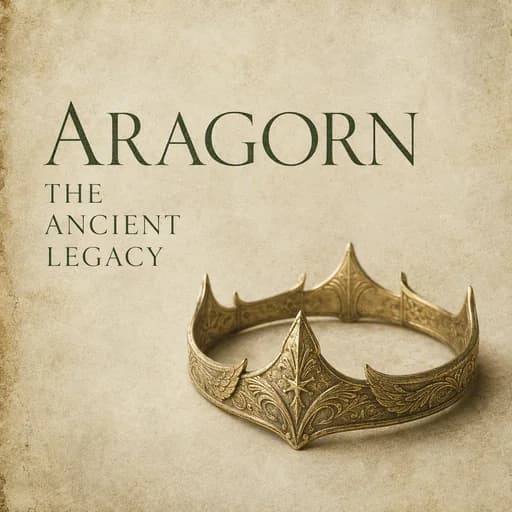
If you look at the map of Middle-earth, you might see it as a static piece of fantasy geography, but for J.R.R. Tolkien, this world was our own earth in a deeply remote, imagined prehistory. The story of Aragorn—the ranger who would become King Elessar—is not just a tale of a man reclaiming a throne; it is the final movement in a symphony that began before time itself. To understand why a single man’s coronation matters, you have to look back to the very first notes ever played in this universe. Tolkien’s legendarium begins with the Ainulindalë, or the Music of the Ainur, where the supreme deity Eru Ilúvatar created divine spirits from his thoughts. These spirits sang a theme that symbolized the entire history of the universe, and in that song, the lives of Elves and Men were already woven. You see, the struggle of the Third Age isn't a new conflict—it’s the echo of a discord introduced by Melkor, the most powerful of the Ainur, who sought to dominate the song with his own vanity. When the world was finally made real through Eru's command "Eä"—meaning "to be"—it was already a battlefield of conflicting wills. The Valar, those great spirits who descended into the world to shape it, found themselves in a constant tug-of-war with Melkor, who marred everything they built. This is the foundation of Aragorn’s world: a place where beauty is constantly under threat of corruption, and where the "rightful" order of things is something that must be fought for through ages of darkness. As we trace this path, you’ll see how the very light of the world was splintered and lost, and how the hope of its restoration came to rest on the shoulders of a wandering exile.