Why your attachment style is actually a survival strategy
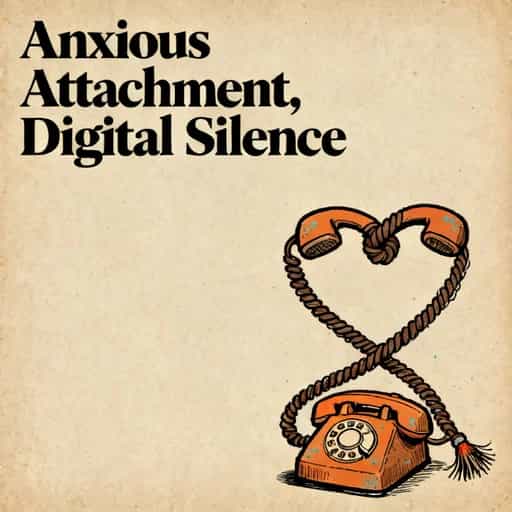
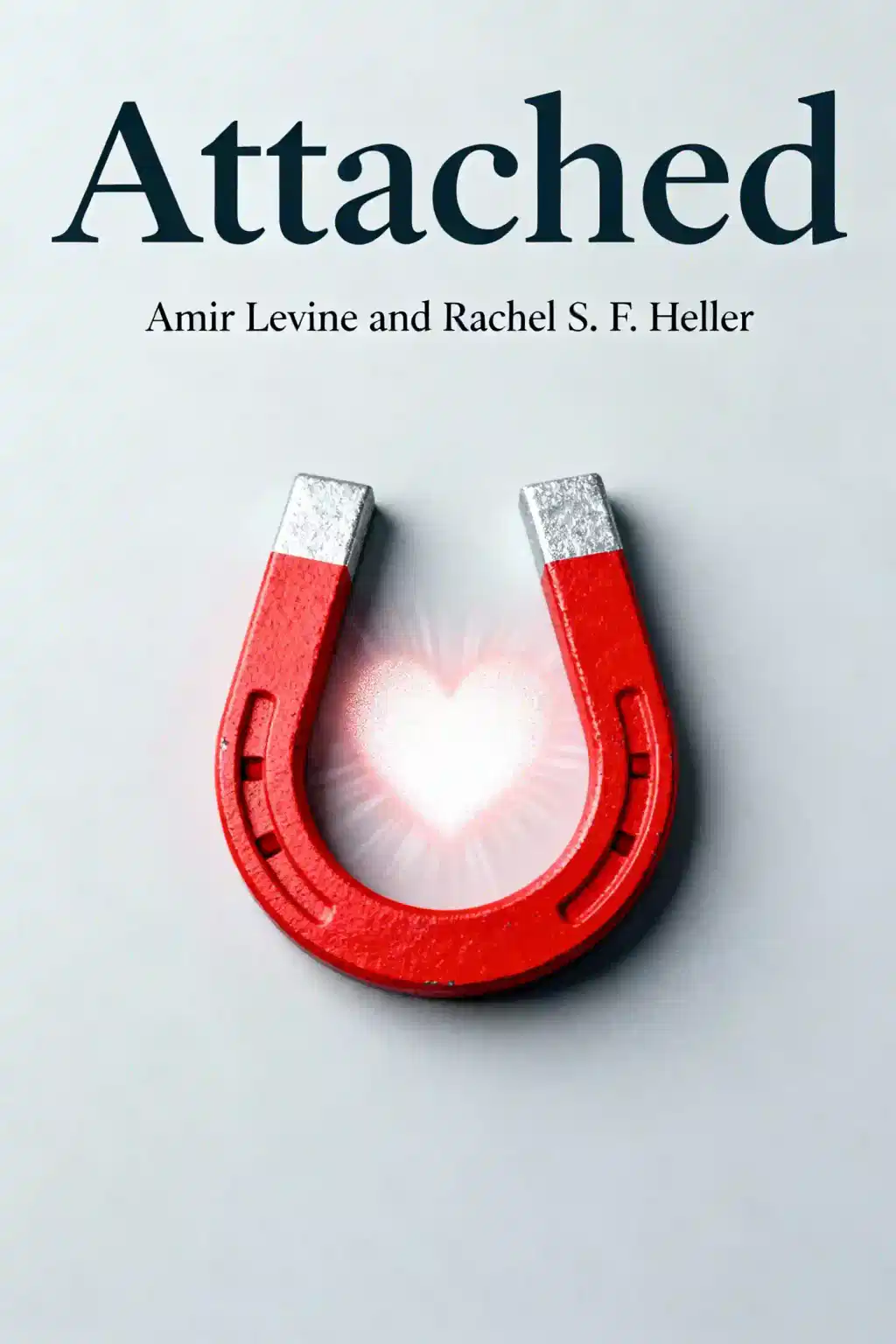
You’ve likely felt that cold pit in your stomach when a friend’s text goes unanswered for three hours. In that silence, your mind doesn’t just wait—it builds a case. You scroll back through old messages, hunting for a moment where you might have been "too much" or said something "weird." This isn't just overthinking; it's a physiological response. About 20% of adults carry an anxious attachment style, a pattern often forged in early childhood when emotional care was inconsistent. You learned that love could disappear without warning, so you became a master at monitoring the "temperature" of your relationships. This hypervigilance was once a brilliant survival mechanism. If your environment was unpredictable, staying tuned to every subtle shift in a caregiver’s mood kept you safe. But in adulthood, that same radar can turn a busy friend’s silence into a perceived abandonment. Understanding this is the first step toward relief. You aren't "clingy" or "needy" by nature; your nervous system is simply stuck in a protective loop, scanning for threats to the connections that keep you grounded. By reframing these anxious spikes as an old survival program rather than a personal flaw, you can start to create space between the feeling and the story your mind tells. We’re going to look at how these early "wounds"—from the way you were mirrored as an infant to how your family handled conflict—dictate your present-day social life, and more importantly, how to finally turn down the volume on that constant background noise of worry.