AICP Exam Prep: 6,000 Years of Urban Planning History 베스트 인용
Planning history isn't just about memorizing dates; it's the story of how humans have been responding to the same fundamental question for millennia: how do we create better places for people?

이 오디오 레슨은 BeFreed 커뮤니티 멤버가 만들었습니다
Make a podcast about urban planning history to prepare me for the AICP exam

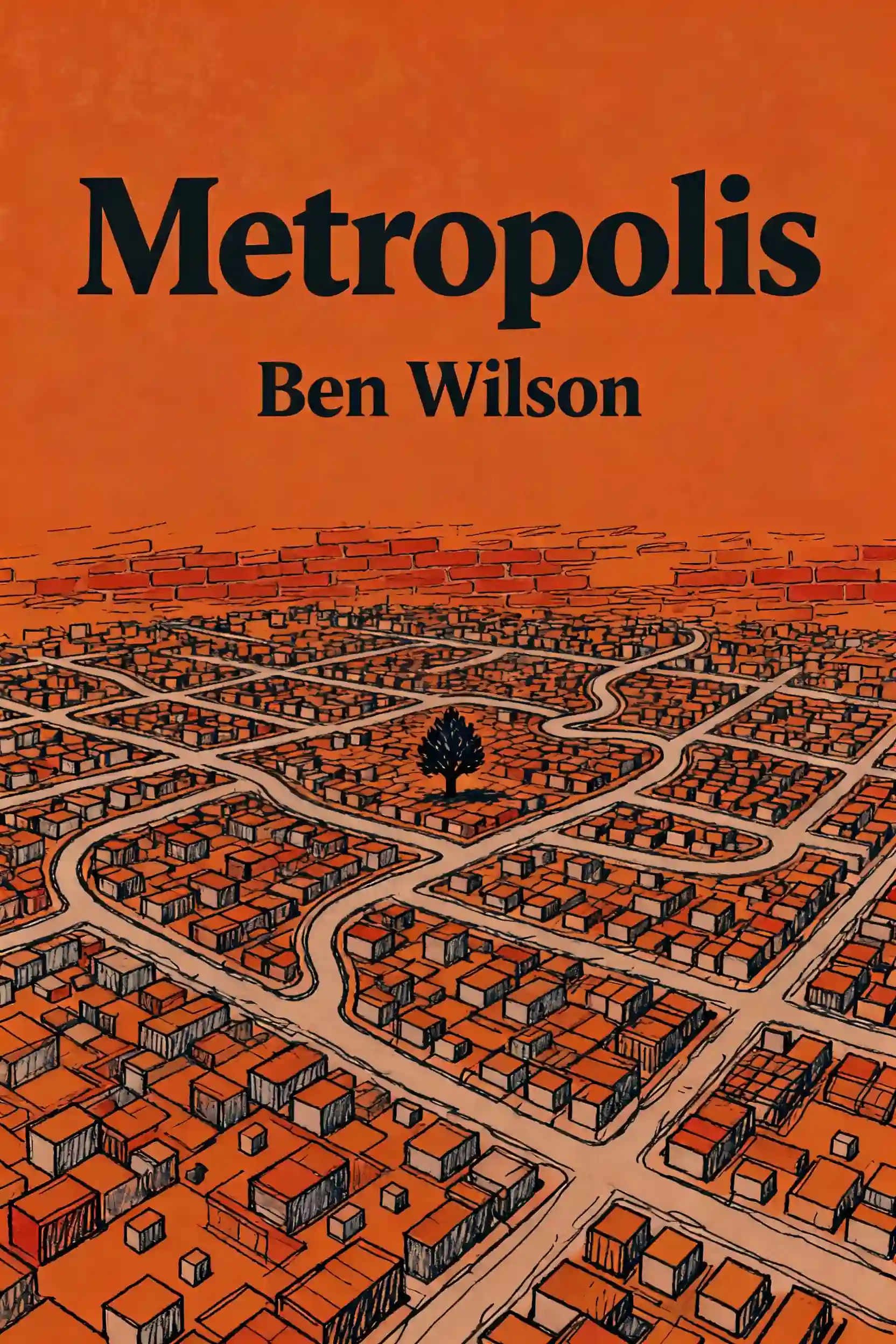
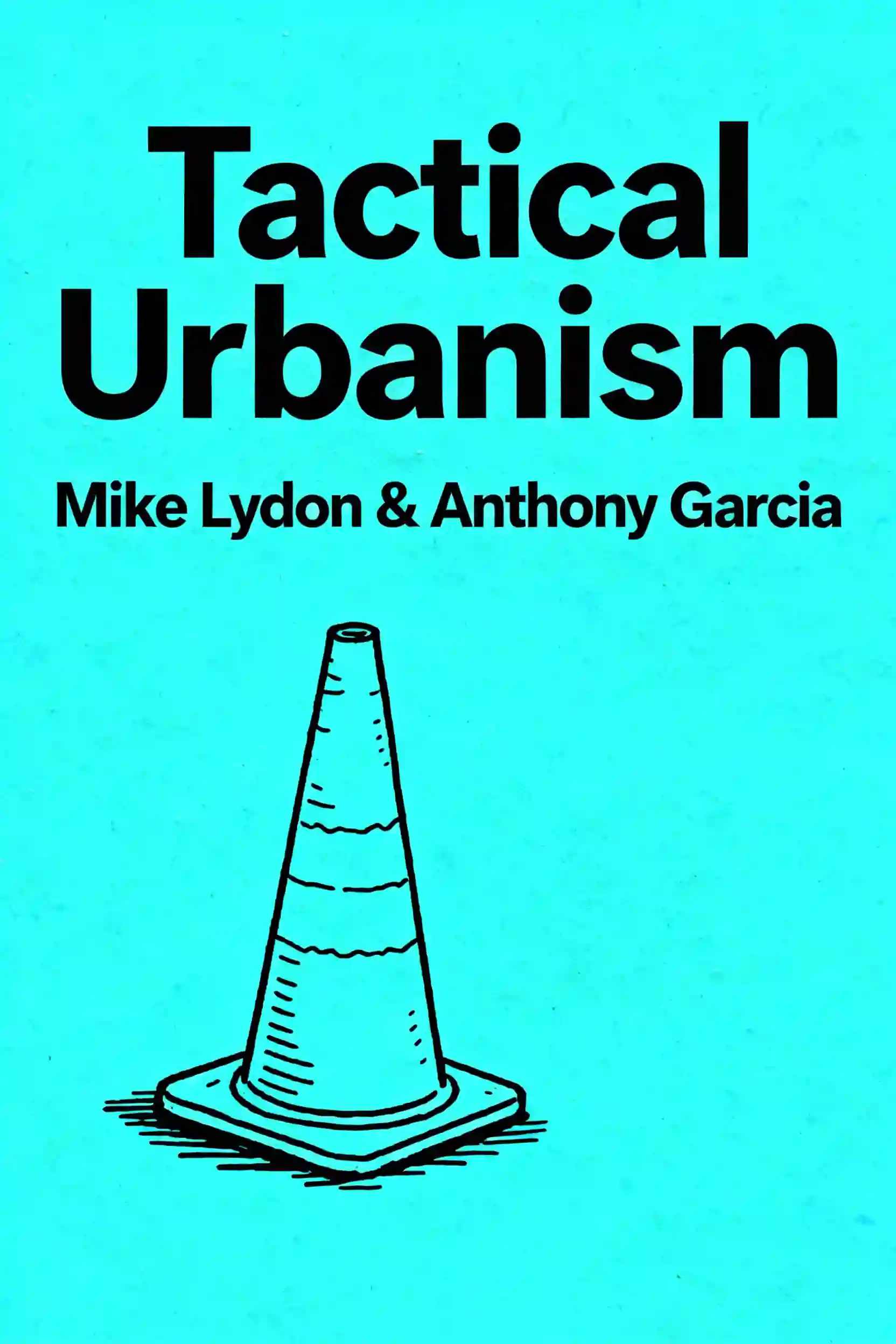
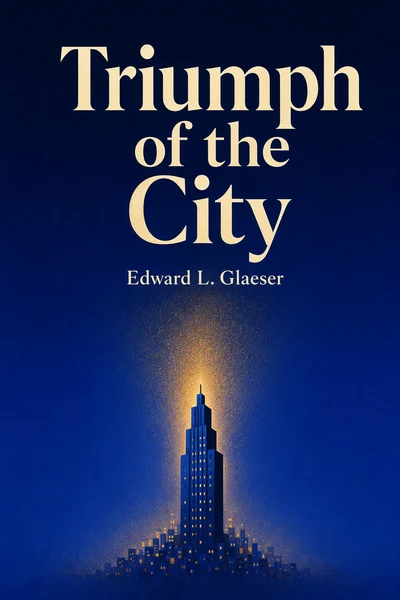



더 알아보기

AI for Planning Better, Livable Cities
As urbanization accelerates, integrating AI into city planning is essential for creating sustainable and efficient environments. This plan is ideal for urban planners, data scientists, and policy makers looking to bridge the gap between technology and livable urban design.

The Architecture of Imperial Power
This learning plan is essential for understanding the invisible forces that shape global dominance and systemic failure. It is designed for strategic thinkers, history buffs, and policy enthusiasts who want to decode the mechanics of power and prepare for future global shifts.

The Evolution of the Built Environment
This learning plan provides a comprehensive overview of how human design has shaped our world across centuries. It is ideal for aspiring architects, history enthusiasts, and urban planners looking to understand the structural and spiritual evolution of our cities.

The Grand Arcs of Civilization
This learning plan provides a panoramic view of human history by connecting macro-political shifts with the micro-innovations of daily life. It is ideal for history enthusiasts and strategic thinkers who want to understand the recurring patterns of power and progress.

Explore ancient History
This learning plan is essential for anyone seeking to understand the roots of modern Western civilization and the foundational ideas that continue to shape our political systems, philosophy, and culture. It's ideal for history enthusiasts, students of humanities, educators, and professionals in law,政治, or philosophy who want to deepen their understanding of how ancient societies created the intellectual and institutional frameworks we still use today.

The Sumerian Takeoff and Collapse
This plan offers a deep dive into the foundational mechanics of the world's first civilization, examining the intersection of technology, environment, and governance. It is ideal for history enthusiasts, archaeology students, and systems thinkers interested in the rise and fall of complex societies.

Inclusion, Models & Participation Exam Prep
This learning plan is essential for leaders and DEI practitioners aiming to move beyond theory into systemic organizational transformation. It provides the strategic frameworks and engagement skills necessary to build psychologically safe, high-participation cultures that thrive on diversity.
History and Philosophy
This learning plan bridges the gap between ancient wisdom and modern application, offering a comprehensive view of how ideas shape society. It is ideal for students, professionals, and curious minds seeking to develop a rigorous analytical framework for understanding world history and ethics.
샌프란시스코에서 컬럼비아 대학교 동문들이 만들었습니다
"Instead of endless scrolling, I just hit play on BeFreed. It saves me so much time."


"I never knew where to start with nonfiction—BeFreed’s book lists turned into podcasts gave me a clear path."


"Perfect balance between learning and entertainment. Finished ‘Thinking, Fast and Slow’ on my commute this week."
"Crazy how much I learned while walking the dog. BeFreed = small habits → big gains."
"Reading used to feel like a chore. Now it’s just part of my lifestyle."

"Feels effortless compared to reading. I’ve finished 6 books this month already."
"BeFreed turned my guilty doomscrolling into something that feels productive and inspiring."

"BeFreed turned my commute into learning time. 20-min podcasts are perfect for finishing books I never had time for."
"BeFreed replaced my podcast queue. Imagine Spotify for books — that’s it. 🙌"

"It is great for me to learn something from the book without reading it."
"The themed book list podcasts help me connect ideas across authors—like a guided audio journey."
"Makes me feel smarter every time before going to work"
샌프란시스코에서 컬럼비아 대학교 동문들이 만들었습니다
"Instead of endless scrolling, I just hit play on BeFreed. It saves me so much time."
"I never knew where to start with nonfiction—BeFreed’s book lists turned into podcasts gave me a clear path."
"Perfect balance between learning and entertainment. Finished ‘Thinking, Fast and Slow’ on my commute this week."
"Crazy how much I learned while walking the dog. BeFreed = small habits → big gains."
"Reading used to feel like a chore. Now it’s just part of my lifestyle."
"Feels effortless compared to reading. I’ve finished 6 books this month already."
"BeFreed turned my guilty doomscrolling into something that feels productive and inspiring."
"BeFreed turned my commute into learning time. 20-min podcasts are perfect for finishing books I never had time for."
"BeFreed replaced my podcast queue. Imagine Spotify for books — that’s it. 🙌"
"It is great for me to learn something from the book without reading it."
"The themed book list podcasts help me connect ideas across authors—like a guided audio journey."
"Makes me feel smarter every time before going to work"
"Instead of endless scrolling, I just hit play on BeFreed. It saves me so much time."
"I never knew where to start with nonfiction—BeFreed’s book lists turned into podcasts gave me a clear path."
"Perfect balance between learning and entertainment. Finished ‘Thinking, Fast and Slow’ on my commute this week."
"Crazy how much I learned while walking the dog. BeFreed = small habits → big gains."
"Reading used to feel like a chore. Now it’s just part of my lifestyle."
"Feels effortless compared to reading. I’ve finished 6 books this month already."
"BeFreed turned my guilty doomscrolling into something that feels productive and inspiring."
"BeFreed turned my commute into learning time. 20-min podcasts are perfect for finishing books I never had time for."
"BeFreed replaced my podcast queue. Imagine Spotify for books — that’s it. 🙌"
"It is great for me to learn something from the book without reading it."
"The themed book list podcasts help me connect ideas across authors—like a guided audio journey."
"Makes me feel smarter every time before going to work"
"Instead of endless scrolling, I just hit play on BeFreed. It saves me so much time."
"I never knew where to start with nonfiction—BeFreed’s book lists turned into podcasts gave me a clear path."
"Perfect balance between learning and entertainment. Finished ‘Thinking, Fast and Slow’ on my commute this week."
"Crazy how much I learned while walking the dog. BeFreed = small habits → big gains."
"Reading used to feel like a chore. Now it’s just part of my lifestyle."
"Feels effortless compared to reading. I’ve finished 6 books this month already."
"BeFreed turned my guilty doomscrolling into something that feels productive and inspiring."
"BeFreed turned my commute into learning time. 20-min podcasts are perfect for finishing books I never had time for."
"BeFreed replaced my podcast queue. Imagine Spotify for books — that’s it. 🙌"
"It is great for me to learn something from the book without reading it."
"The themed book list podcasts help me connect ideas across authors—like a guided audio journey."
"Makes me feel smarter every time before going to work"