The Hidden Architecture of Modern Influence
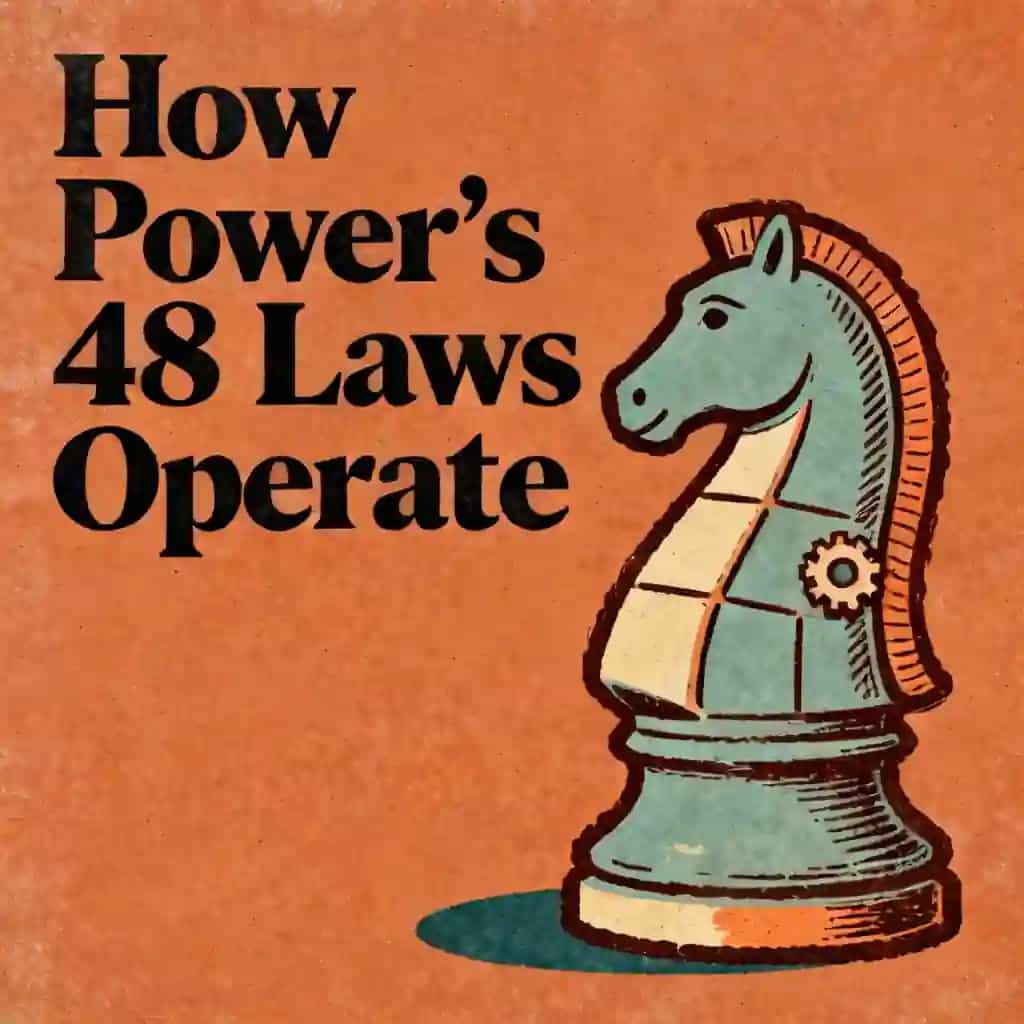
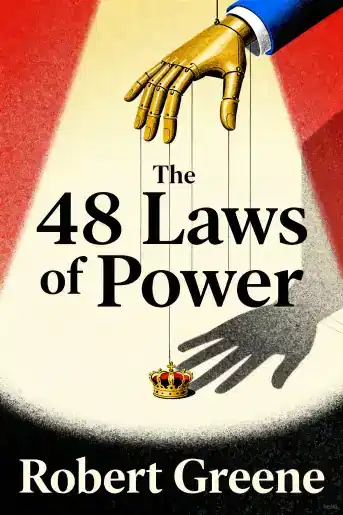
The world is not a polite place, even if we’ve spent centuries trying to pretend otherwise. If you’ve ever sat in a meeting and felt the air go cold when you suggested a better idea than your boss, or if you’ve watched a less talented colleague get promoted because they knew exactly whose ego to stroke, you’ve felt the invisible hand of power dynamics at work. Robert Greene’s 1998 classic, The 48 Laws of Power, was written to expose these hidden gears, distilling three thousand years of history into a manual for survival. But today is August 24, 2026, and the world has changed since Greene first put pen to paper. We live in an era defined by AI, digital reputation, and high mobility, where the old rules of absolute monarchs and rigid hierarchies often feel like a mismatch for the fluid, fast-paced reality you navigate every day. This episode is about bridging that gap.
It matters to you because power isn’t optional—it’s the currency of your career and your personal life. If you ignore these dynamics, you aren’t being "above the fray"; you’re just making yourself easy to manipulate. We are going to look at why some of Greene’s most famous advice, like "never outshine the master," might actually be holding you back in a world where job-hopping is the fastest way to a raise. You’ll see how modern figures from business and politics—people like Elon Musk, Jeff Bezos, and even athletes like Floyd Mayweather—apply these laws to dominate their respective fields. We’ll explore the "in-betweens"—how one law flows into another to create a self-reinforcing loop of influence. By the end of this, you won’t just understand the 48 Laws; you’ll have a strategic operating system for applying them in 2026 without becoming a cartoon villain. So let’s dive into why the very foundation of power has shifted beneath our feet.