1장
The Angel's Playbook: Insider Secrets to Startup Success
In the bustling auditorium of NYU, Brian Cohen stood out not as an investor looking for the next big thing, but as someone genuinely connecting with entrepreneurs like long-lost relatives. This approach would later prove pivotal when he became Pinterest's first investor, seeing potential in a platform that had just a few thousand users. While many angel investors focus solely on financial returns, Cohen's philosophy centers on building relationships that transcend mere monetary transactions. His book, "What Every Angel Investor Wants You to Know," has become required reading in entrepreneurial circles, with tech luminaries like Mark Cuban praising its practical wisdom. Even Shark Tank's Kevin O'Leary, known for his brutal honesty, admits it changed how he evaluates startups. The book's influence extends beyond traditional business settings into university entrepreneurship programs nationwide, where it's reshaping how the next generation approaches funding conversations.
2장
The Entrepreneurial Spirit: More Than Just Business
My journey into angel investing began with simple yet profound advice from my Boston University professor: "Never, ever work for anybody. It's the closest thing to slavery." Though I didn't fully grasp this initially, these words guided me toward entrepreneurship and eventually angel investing. I've come to believe startups represent a social good, creating jobs and innovations that benefit society. Every angel brings unique priorities to investing, and I'm upfront about mine - I value entrepreneurs who demonstrate integrity, determination, and street smarts.
The entrepreneurial yearning resembles a spiritual quest. While fundamentally a business endeavor, there's something more profound happening. This spirit isn't just about money-it's about creating relationships that amplify human intelligence and building wealth through resources that only the best relationships inspire. When done right, entrepreneurship connects dots that aren't yet visible, requiring intuition and faith to overcome obstacles and cultivate innovation.
Many young entrepreneurs feel unnecessary pressure to identify their passion before launching a startup. But passion isn't required for business success. What matters more is applying good business principles, finding marketplace problems ripe for disruption, developing innovative solutions, and executing flawlessly. Howard Morgan of First Round Capital requires entrepreneurs to demonstrate both passion and the ability to communicate their Big Idea, but passion must be tempered by indisputable facts that the business is viable.
This book presents my personal perspective on entrepreneur-angel relationships. I avoid referring to entrepreneurs as "deals" because founders deserve respect-they're people with names, not just investment vehicles. I also avoid terms like "smart money" and "dumb money." The core message: angel investing is personality-driven, so entrepreneurs should just be themselves.
3장
Building Connections: Why Angel Investing Is a Contact Sport
Angel investing requires more than just a great idea-it demands creating an emotional connection. You're not just raising money; you're raising investors who need to feel something warm about you personally. I prefer backing good businesses that satisfy customers over ill-defined visions, though with the right leadership, financial returns will follow.
There are two types of angel investors: occasional investors and committed ones like myself who invest together and develop better instincts through experience. Smart entrepreneurs choose the right investor before the money, recognizing that angels provide value through contacts and introductions more than just capital or advice.
Both entrepreneurs and investors need close, ongoing relationships beyond the initial courtship. The mentorship founders desire and angels offer defines a mutually beneficial partnership. Gabriel Weinberg, CEO of DuckDuckGo, learned after investing in 10 startups that being location-agnostic was a mistake-it's better to invest in nearby startups to provide proper mentoring and support. Regular face-to-face contact helps angels engage with and appreciate the team's world, sharpening instincts for emerging opportunities.
Despite what many first-time entrepreneurs believe, they are in control. Smart angels recognize that entrepreneurs do the heavy lifting - developing products, hiring talent, acquiring customers, and running the business. Angels merely enable the process. Entrepreneurs who own their idea, execution, and recognize what they need to succeed are powerful and attractive to investors.
Be wary of unscrupulous angel investors: "shark angels" who selfishly want to take rather than give; "angel brokers" who charge fees for introductions to actual investors; and "controlling angels" - overbearing former businesspeople who think they're smarter than you and criticize every decision.
It's an unprecedented time for entrepreneurship as two global forces intersect: innovation has never been easier or cheaper, and the pool of wealthy potential investors has grown dramatically. Open-source tools and cloud infrastructure have slashed innovation costs to near zero, reducing risk and increasing available capital. With digital platforms reaching billions of users worldwide, the addressable market for innovations has exploded.
4장
Understanding Angel Investors: Your New Best Friends
Early-stage funding typically comes from three sources: friends and family, angel investors, and venture capitalists. Angel investors are individuals who invest their personal money in startups for equity, expecting an eventual exit. The term originated from wealthy Broadway theater sponsors who "swooped in" to save productions.
Though less known than venture capital due to their private nature, angels have been crucial to nearly every major business success. With approximately 250,000 active angels in the US funding 50,000 startups annually with $20 billion (plus another $50-75 billion from friends and family), angels represent a significant funding source that continues growing with each major IPO.
While financial return matters, it's far from the primary motivation for most angel investors. The true rewards come from working at the disruptive edge of world-changing ideas, supporting entrepreneurial spirit, and mentoring brilliant young minds. Angels find fulfillment in having front-row seats to potentially groundbreaking innovations like the next Google or Twitter, and helping founders through the difficult process of building something new.
Do angel investors make money? The short answer: most don't. Even the smartest angels feel lucky to break even after a few years. With most startups failing and angels overestimating their ability to pick winners, financial returns are modest at best. According to Kaufmann Foundation research, even venture capital funds barely return investors' capital after fees - and angel investments represent even riskier opportunities.
The angel investment landscape has evolved from an undisciplined "old boys' network" to a more transparent, inclusive, and rigorous ecosystem. Today's angels often work in syndicates or networks, combining capital to impose discipline and benefit from economies of scale. These groups typically comprise 10-200 members with common investment interests. By 2012, over 340 major angel groups operated in the United States, with more than 800 worldwide connected through platforms like Gust.
The fundamental difference between angels and VCs is the source of funds: angels invest their own money while VCs invest others' money. This distinction creates different goals, attributes, and processes that novice entrepreneurs often misunderstand. The startup funding sequence typically follows a pattern: $0-$25,000 comes from founders' own pockets; $25,000-$150,000 from friends and family; $150,000-$1.5 million from angels or micro-VCs; $1.5-$10 million from early-stage venture capital; and $10+ million from later-stage VCs.
5장
Making the Connection: How to Approach Angel Investors
I'm amazed how many entrepreneurs approach me without doing basic homework about who I am. If you want me to invest, research me first and get an introduction through someone I respect. Approach me at investing events where I have my "investing hat" on, not during personal time. Most angels are visible and accessible - we blog, tweet, and speak publicly.
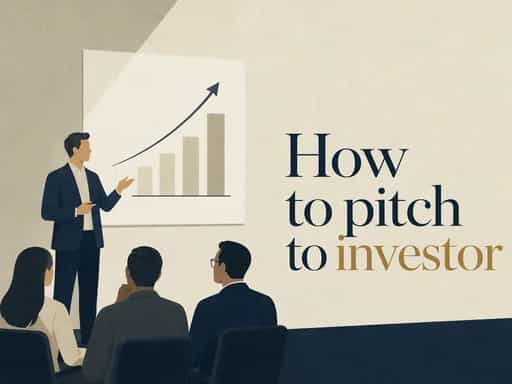
Be clear about what you want from our first meeting. I won't fund your startup immediately, so a reasonable outcome is securing a second meeting or a referral to New York Angels. Adapt your pitch to generate curiosity rather than overwhelming me with information. The most effective pitches are simple concepts with clear customer value propositions.
Your elevator pitch should concisely explain the problem you solve, how you solve it, and the market size. It's not about selling me - let the opportunity speak for itself while positioning it memorably. Mark Levy of Levy Innovation suggests starting with "You know how when..." to identify the problem and provide a memorable detail about your solution.
If you're uncomfortable delivering a sharp elevator pitch, you're not ready to run a startup. I expect founders to have chutzpah. Patrick Ambron of BrandYourself exemplifies this - he meticulously targeted angels, got meetings with all of them despite initial rejections, maintained contact with progress updates and occasional questions, and eventually converted every one into an investor.
The best way to reach me is to attend an event where I'm speaking. I participate in about three such meetings weekly, and I make myself accessible afterward. This shows your investment in checking me out, and helps us see if we connect personally. When approaching me, reference something we have in common - perhaps my education at Syracuse or Boston University, my publishing background, or my PR company. Angel investing thrives on personal connections.
The most effective question a founder has ever asked me is: "What excites you about my business?" This question connects with me as a high-touch investor who follows my intuition. It forces me to articulate what possibilities I envision and how I might help create opportunities. It brings me into your world and shows you value what I specifically bring to your startup beyond just funding.
I view investment opportunities as sumptuous buffets - I want to dine on your ideas and dreams. I rarely invest without sharing at least one meal with a founder, as dining creates a more relaxed environment than formal meetings. Breakfast is for getting to know you personally, lunch for exploring your business concept in more depth, and dinner for conducting thorough due diligence.
6장
The Entrepreneur's Profile: What Angels Look For
What am I looking for in an entrepreneur? You. You are the single most important element of a potential investment. Someone needs to run your business daily, and it won't be me. Be true to yourself - I can spot a con job from a thousand yards away. Leadership requires looking at chaos and providing an honest point of view about priorities.
You are the first and most important element of the presentation. The biggest mistake entrepreneurs make is shifting focus from themselves to their PowerPoint slides. Like Steve Jobs, who kept all eyes on himself rather than the screen, you should aspire to become the personification of your brand. Show me three critical characteristics in the first 45 seconds: integrity, determination, and street smarts.
Integrity is a deal-breaker. If I'm not absolutely persuaded that you have a track record of integrity, I won't invest, even with guaranteed returns. As an entrepreneur, you're selling a future good - I'm investing in your promise to create a business that doesn't yet exist. I expect more than just ethics, honesty, and trustworthiness. I want authenticity - the only way to tell your story to the world believably.
I love investing in serial entrepreneurs who've taken a business from beginning to end. Even a failed startup isn't a deal-breaker - I want to know you've walked the walk and faced the fears. Don't worry if you lack significant entrepreneurial experience - most startups I consider aren't led by serial entrepreneurs. Any entrepreneurial activity counts - a college club or volunteer activity shows you've organized a team and provided leadership.
Starting a successful business tests leadership through team building. Founders need to make smart hires, coordinate work, inspire flawless execution, and develop disruptive products in hostile marketplaces against better-funded competitors. I want you to convince me you have leadership and management skills in spades or can develop them quickly.
Domain knowledge is critical. You need to know your business cold, including technical aspects and the marketplace. Too often entrepreneurs have shallow ideas about the space they propose to disrupt. To impress me, work in your target industry first - like Lee Lin, who became a rental broker before pivoting RentHop from disintermediation to quality broker recommendations.
The most effective entrepreneurs: 1) Focus outward on customers, not inward; 2) Make lots of decisions - without decisions, nothing changes; 3) Are cheerfully in control, believing they can make a difference; 4) Want to serve before being served, creating value for employees, partners and investors; 5) Don't waste time - it's their most precious commodity; 6) Keep their promises, personally and organizationally; 7) Are great communicators with a hint of vaudeville in their presentations; 8) Look at the big picture, seeing how their business connects to multiple possibilities; 9) Are smart fast - not just smart or fast but both; 10) Zero-base their assumptions, constantly challenging what they knew to be true yesterday.
I particularly value startups with women founders or executives. Research shows angel-backed companies with female leadership have advantages - women make 83% of consumer purchasing decisions and generate most income growth. A Dow Jones VentureSource study found startups with female executives were more likely to go public, operate profitably, or sell for more money.
7장
Crafting the Perfect Pitch: Winning Over Angel Investors
Angel investors want entrepreneurs to succeed but remain initially skeptical, asking tough questions to gain "permission to believe." A pitch must move relentlessly forward like a shark - stopping or going backward kills it. Angels look for touchstones that validate your claims: respected industry analysts, journalists, customers, actual metrics, awards, or patents.
Like Woody Allen's shark analogy in Annie Hall, presentations must constantly move forward or die. Angels want to see tight progression from beginning to conclusion. David Rose, former New York Angels chairman and celebrated "Pitch Coach," advises ending with such an emotional high that investors are ready to write checks immediately.
I need to understand an entrepreneur's motivation beyond wealth creation - something that will sustain them through inevitable setbacks. David Rose's "Perfect Pitch" formula emphasizes logical flow requiring no prior knowledge, a dramatic opening (30-60 seconds to grab attention), clear context setting (concise explanation of what the company does), and a structured sequence covering team, market pain, product, business model, customers, go-to-market strategy, competition, differentiation, financials, and funding needs.
Many angels want specific details about how their investment will be used. The more concrete your explanation, the better. Angels tend to invest when they see startups have been thoughtful about how funding will meaningfully move the business forward. They want to know how much will go toward development, salaries, operations, and marketing. Most angels prefer creative viral marketing approaches over traditional advertising.
When introducing your team, don't dwell on backgrounds-focus on what you're going to do, not what you've done. Serial entrepreneurial experience is valuable to mention. When describing your product, avoid feature-heavy pitches and focus on how it solves customer problems. Be specific about your business model and revenue streams, explaining the drivers of sales.
Be clear and definitive about your startup's valuation. Specify whether you're seeking a priced equity round or convertible debt with price caps and discounts. Disclose any committed money from other sources, including terms and amounts. Investors need to know how much of your own money you and your team have invested.
Major turnoffs include: using buzzwords like "unique" and "revolutionary"; making up answers instead of saying "I don't know"; presenting inconsistent numbers; creating confusion with missing steps; keeping a day job while running a startup; sloppiness in presentations; founders arguing during pitches; displaying desperate urgency; mistaking investors for customers with product demos; including romantic partners or relatives on the team; and talking about "sales" (which is "so last century" - nobody wants to be sold to).
Experienced investors won't sign NDAs, and asking marks you as an amateur. Instead of protecting ideas, entrepreneurs should broadcast them widely to refine pitches, discover flaws, and gauge excitement. The risk of idea theft is virtually zero - people are too busy with their own ideas, and investors fund existing teams, not steal untested concepts.
8장
From Belief to Business: Building a Fundable Startup
Every startup begins with a belief, and angels want to understand what that belief is and whether founders can execute on it. While big ideas are appealing, flawless execution of decent ideas trumps imperfect execution of grand visions. Angels invest in scalable businesses with clear paths to returns, not lifestyle businesses like restaurants or retail stores.
A Big Hairy Belief has no value until put into motion. Angels prefer perfect execution of a decent idea over imperfect execution of a grand vision. Too many founders become self-satisfied with elegant concepts but fail to do the hard work of transforming them into businesses. Angel investors ask withering questions about execution: unit economics, customer acquisition costs, and burn rates.
The common belief that great startups require Big Ideas is misguided. Not all profitable businesses are fundable by angels, who seek scalability and clear exit opportunities. Angels avoid businesses with long sales cycles and implementation periods that bleed startups dry. While "Hollywood angels" might fund flashy ideas, this often leads to unrealistic valuations and damaging down rounds.
Tom Patterson built Tommy John based on his belief that men's underwear lacked the innovation seen in women's undergarments. After experiencing the frustration of bunched undershirts (what he calls "EFG" - excess fabric gut), he designed a better-fitting alternative. When laid off during the 2008 financial crisis, Tom depleted his savings and cashed out his 401(k) to pursue his vision. Starting with fabric samples and a tailor-made prototype, he tested his product with friends who demanded more. This led to securing placement at Niemen Marcus, followed by Nordstrom and Saks.
I believe successful startups should embrace five essential beliefs: 1) Having an ideal team - the hardest element to change in a business; 2) Launching sooner rather than later - nothing educates like real market feedback; 3) Understanding customers better than they understand themselves; 4) Commitment to metrics and analytics - measuring the right things improves performance; and 5) Embracing frugality - most startups fail because they run out of money before finding paying customers.
9장
Strategic Fundraising: Investors vs. Money
The distinction between "investor raising" and "money raising" is crucial for startups. While money may be fungible, smart founders gravitate toward smart investors who provide more than capital - they offer counsel, contacts, and long-term value that dwarfs the initial investment. The relationship between founder and angel is like a professional marriage, sharing both assets and risks over what could be a nine-year journey before liquidity.
Despite the temptation to grab whatever funding is available, founders should resist desperation, which rarely leads to good outcomes. Angels are actually turned off by neediness - the more they're persuaded you don't need their money, the more eager they become to invest. Investor raising means establishing conditions for true partnership, where both parties share in success or failure over the long term.
When meeting angels, entrepreneurs must remember they're on a sales call and need to confirm the investor can actually write checks. Many angels are merely "tire kickers" who ask questions but never close deals. Smart entrepreneurs qualify investors by asking directly about their investment history and closing with: "We'd like you to participate in our round. Will you invest in our startup?"
Perhaps the greatest benefit angels provide is perspective from outside the startup bubble. Angels offer five key advantages: 1) A guide who understands the isolation of leadership; 2) Access to honest feedback when others might withhold it; 3) Recruiting assistance from their networks; 4) Support for raising additional equity; and 5) Relationship building through valuable introductions to partners, experts, customers and capital sources.
Most startups first seek funding from people closest to the entrepreneur - friends and family who already trust them and want to help. This "low-hanging fruit" represents significant capital, with friends and family investing $50-75 billion annually in early-stage ventures in the US - two to three times more than either angel investors or venture capitalists. However, entrepreneurs must be careful about accepting this money in less than professional ways.
10장
The Path to Success: From Customer Understanding to Exit Strategy
The most promising startups thoroughly research customer demographics including age, gender, geography, lifestyle, income, aspirations, brand preferences, and shopping habits. Trade shows offer valuable opportunities to observe customers interacting with products firsthand. Watching actual usage reveals more than what beta users might say verbally.
When considering marketability, entrepreneurs should ask what job customers are "hiring" their product to do. Professor Clayton Christensen demonstrated this approach by helping a restaurant chain increase milkshake sales. Rather than focusing on what customers said they wanted, his team observed actual behavior, discovering many customers bought morning milkshakes to make commutes more interesting and stave off mid-morning hunger.
Some younger angel investors view due diligence as outdated, preferring to trust their judgment of ideas and teams without verification. However, research clearly shows a direct correlation between investment returns and time spent on due diligence. Angels who spent less than 20 hours received returns of x1.1, while those investing more than 40 hours achieved x7.1 returns.
Smart entrepreneurs anticipate due diligence questions and address them proactively, saving time and impressing investors. David Rose takes this approach by compiling all potential due diligence items into a binder before even meeting investors. When negative information will inevitably emerge, volunteering it projects confidence and allows for productive discussion.
Entrepreneurs seeking early-stage funding now have three exciting new options: accelerators, incubators, and crowdfunding. While accelerators and incubators share similar goals of supporting startups, they differ significantly in their approaches. The key difference is timing - incubators charge rent and encourage startups to stay as long as needed, providing office space and support services in a nurturing environment. Accelerators, by contrast, take equity (typically 6-8%) and push startups through intensive 3-4 month programs designed to rapidly develop them before "kicking them out of the nest."
Teammanship-though not a real word-describes the quality of a startup's team identity and relationships that makes my checkbook come out. The right team with shared identity and responsibility can achieve the impossible. I invest in startups with high teammanship even if the initial idea is half-baked, but never in startups with low teammanship.
In fundraising, a quick "no" is the next best thing to "yes." Smart startups limit their resources to angels most likely to invest and cut losses with the rest. Time is a startup's most precious resource, and the "slow no" is the worst outcome. Entrepreneurs should vet angels as diligently as angels vet startups, focusing on those whose past investments match their offering.
Every startup should begin with an exit strategy. The two sweetest words to an angel investor are "liquidity event." A well-crafted exit strategy improves success probability, shortens time to exit, and often increases valuation. Early exits benefit both angels (their only way to get paid) and entrepreneurs (creating new opportunities). Today's startups can be sold just 2-3 years after founding, with examples like YouTube ($1.6B), Flickr ($30M), and Instagram ($1B).