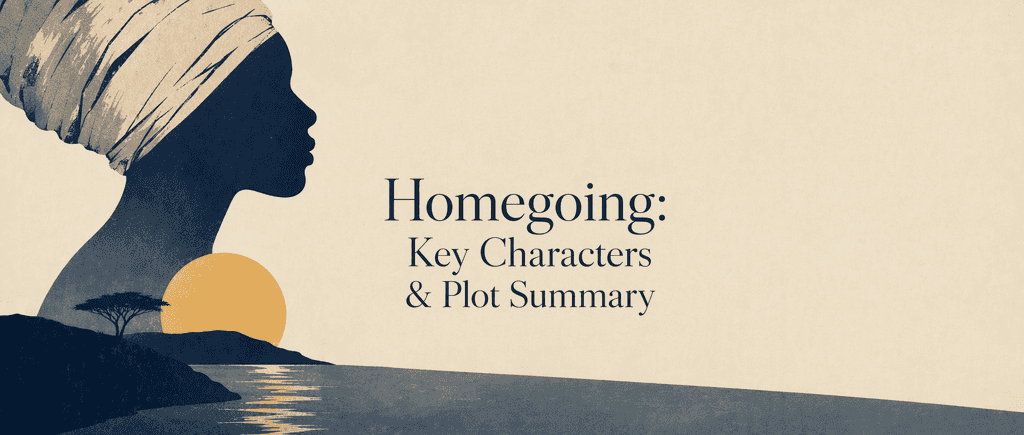
Glory Edim's anthology celebrates Black women's literary journey through powerful essays by Jesmyn Ward and Gabourey Sidibe. Endorsed by Obama, this community-building phenomenon asks: What happens when Black girls finally see themselves in literature? The answer transforms lives beyond pages.
Glory Okon Edim is the Nigerian-American author of Well-Read Black Girl and the visionary founder of the eponymous literary movement championing Black women’s voices.
Blending memoir, cultural criticism, and anthology, her work explores themes of identity, sisterhood, and representation through the lens of classic and contemporary Black literature. Edim’s expertise stems from over a decade in creative strategy at institutions like Kickstarter and the New York Foundation for the Arts, where she amplified marginalized narratives.
Her companion anthology, Well-Read Black Girl: Finding Our Stories, Discovering Ourselves, became a Los Angeles Times bestseller, while On Girlhood: 15 Stories from the Well-Read Black Girl Library curates essential coming-of-age tales.
A 2017 LA Times Innovator’s Award recipient, Edim has been featured by NPR, The New York Times, and the Brooklyn Book Festival. She serves on the boards of Baldwin for the Arts and Housing Works Bookstore. The inaugural Well-Read Black Girl Festival, funded via a $40,000 Kickstarter campaign, sold out within weeks of its 2017 launch.
Well-Read Black Girl is an anthology of essays by prominent Black women writers exploring how literature shapes identity. Contributors like Jesmyn Ward, Jacqueline Woodson, and Lynn Nottage reflect on pivotal books that helped them see themselves in stories, emphasizing representation’s transformative power. The collection also includes curated reading lists celebrating Black women’s voices in genres from sci-fi to poetry.
This book is ideal for Black women seeking literary mirrors, educators promoting diverse texts, and readers passionate about intersectional storytelling. It resonates with anyone exploring identity, representation, or the cultural impact of marginalized voices in literature.
Yes. Reviewers praise its raw, personal essays and call it “a balm to the heart” for highlighting underrepresented narratives. The blend of memoir and literary analysis offers both inspiration and practical reading recommendations, making it a standout for fans of inclusive storytelling.
The essays argue that seeing oneself in books is vital for self-discovery and resilience. Authors dissect classics like Their Eyes Were Watching God and The Color Purple, showing how these works validate Black women’s experiences while challenging systemic erasure in publishing.
Notable contributions include Morgan Jerkins on self-love through Zora Neale Hurston’s work, Tayari Jones on writing while Black, and N.K. Jemisin’s exploration of Afrofuturism. Each essay blends personal narrative with literary critique.
Yes. The book features curated lists of sci-fi, poetry, and fiction by Black women, such as Octavia Butler’s Parable of the Sower and Warsan Shire’s Bless the Daughter Raised by a Voice. These recommendations amplify underrepresented genres.
Edim, founder of the Well-Read Black Girl book club, draws from her advocacy for diverse literature. Her essays and research trips (e.g., to the Schomburg Center) reflect her mission to center Black women’s stories in literary conversations.
Some readers note the essays vary in depth, with a few leaning heavily on personal anecdote over structural analysis. However, most praise its emotional honesty and scope in celebrating Black literary heritage.
Amid debates over banned books and diversity in publishing, the anthology underscores the urgency of inclusive storytelling. It serves as both a manifesto and toolkit for readers advocating equitable representation.
Unlike broader diversity-focused collections, this book specifically centers Black women’s voices, blending memoir with literary history. It complements works like The Source of Self-Reset by tracing identity through reading.
Join the Well-Read Black Girl book club, explore Edim’s follow-up anthology On Girlhood, or support Black-owned bookstores promoting the titles featured. The movement emphasizes community-building through shared reading.
저자의 목소리로 책을 느껴보세요
지식을 흥미롭고 예시가 풍부한 인사이트로 전환
핵심 아이디어를 빠르게 캡처하여 신속하게 학습
재미있고 매력적인 방식으로 책을 즐기세요
When Black women tell their stories, the world listens.
What better escape from one's circumstances than magic?
She walked through the world expecting it to adjust to her presence.
Her name became a symbol of creative courage.
Simple words could carry the force of torpedoes.
Well-Read Black Girl의 핵심 아이디어를 이해하기 쉬운 포인트로 분해하여 혁신적인 팀이 어떻게 창조하고, 협력하고, 성장하는지 이해합니다.
Well-Read Black Girl을 빠른 기억 단서로 압축하여 솔직함, 팀워크, 창의적 회복력의 핵심 원칙을 강조합니다.

생생한 스토리텔링을 통해 Well-Read Black Girl을 경험하고, 혁신 교훈을 기억에 남고 적용할 수 있는 순간으로 바꿉니다.
무엇이든 물어보고, 목소리를 선택하고, 진정으로 공감되는 인사이트를 함께 만들어보세요.

샌프란시스코에서 컬럼비아 대학교 동문들이 만들었습니다
"Instead of endless scrolling, I just hit play on BeFreed. It saves me so much time."
"I never knew where to start with nonfiction—BeFreed’s book lists turned into podcasts gave me a clear path."
"Perfect balance between learning and entertainment. Finished ‘Thinking, Fast and Slow’ on my commute this week."
"Crazy how much I learned while walking the dog. BeFreed = small habits → big gains."
"Reading used to feel like a chore. Now it’s just part of my lifestyle."
"Feels effortless compared to reading. I’ve finished 6 books this month already."
"BeFreed turned my guilty doomscrolling into something that feels productive and inspiring."
"BeFreed turned my commute into learning time. 20-min podcasts are perfect for finishing books I never had time for."
"BeFreed replaced my podcast queue. Imagine Spotify for books — that’s it. 🙌"
"It is great for me to learn something from the book without reading it."
"The themed book list podcasts help me connect ideas across authors—like a guided audio journey."
"Makes me feel smarter every time before going to work"
샌프란시스코에서 컬럼비아 대학교 동문들이 만들었습니다

Well-Read Black Girl 요약을 무료 PDF 또는 EPUB으로 받으세요. 인쇄하거나 오프라인에서 언제든 읽을 수 있습니다.
Picture a seven-year-old girl curled up in a library corner, losing herself in The Secret Garden, Charlotte's Web, Harriet the Spy-stories where brave girls solve mysteries and discover magic. She loves these books with her whole heart, but something feels off. When she closes the pages and looks up, the disconnect hits: none of these heroines share her brown skin or kinky hair. For countless Black girls, reading became a bittersweet ritual-escaping into worlds that never quite made room for them. Then came Roll of Thunder, Hear My Cry with Cassie, a Black girl from Mississippi whose voice rang true. But her story felt too familiar-the powerlessness against racism, the daily indignities, the ambient hostility. Many read to escape their circumstances, not to see them reflected back. The discovery of Jennifer, Hecate, Macbeth, William McKinley, and Me, Elizabeth changed everything. Jennifer, a tall Black girl who claimed to be a witch, walked through the world expecting it to adjust to her presence. She loved Shakespeare, wrote poems as spells, and commanded attention without apology. For young Black readers, she represented possibility-until she admitted she had no magic after all. The crushing realization that she was ordinary, filtered through her white friend's perspective without her own authentic voice, felt like betrayal. Many continued searching through libraries for years, never finding the book that felt like home until they finally took up their pens and began writing their own stories.