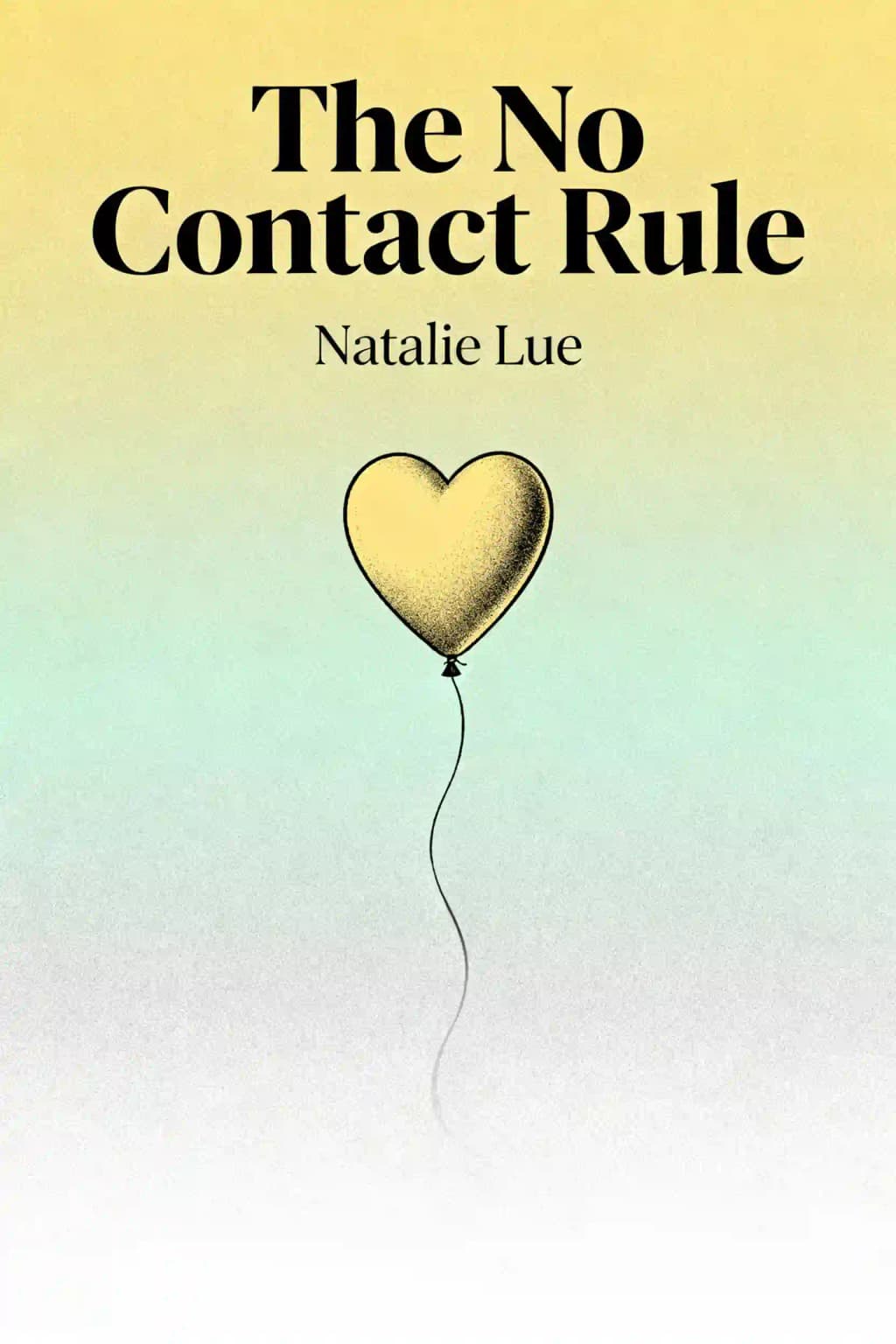
Drowning in post-breakup pain? "The No Contact Rule" is Natalie Lue's revolutionary guide to digital-age healing, reaching 100,000+ readers monthly. What if the hardest part of moving on isn't missing them, but breaking the technological umbilical cord keeping toxic relationships alive?
Natalie Lue, bestselling author of The No Contact Rule and a leading voice in emotional health and relationship dynamics, empowers readers to break free from toxic patterns through actionable self-help strategies. Specializing in boundaries, people-pleasing recovery, and self-worth, her work draws from decades of personal transformation and professional coaching.
Lue self-published this foundational guide alongside her acclaimed Mr Unavailable and the Fallback Girl and Love, Care, Trust and Respect, which have collectively sold over 150,000 copies worldwide.
As creator of the long-running Baggage Reclaim blog and The Baggage Reclaim Sessions podcast—with 4.5 million downloads—she’s been featured in The New York Times, NPR, and BBC. Her insights blend candid storytelling with psychological depth, refined through workshops with organizations like Amazon and Blinkist.
Lue’s latest HarperCollins-published book, The Joy of Saying No, further solidifies her reputation as a boundary-setting authority.
The No Contact Rule by Natalie Lue is a guide to breaking free from toxic relationships by completely cutting off communication with ex-partners. It emphasizes healing through self-respect, boundary-setting, and avoiding digital-age pitfalls like social media stalking. The book provides actionable strategies for navigating co-parenting, resisting temptation, and rebuilding independence after a breakup.
This book is ideal for individuals stuck in on-again-off-again relationships, struggling to quit toxic exes, or seeking closure after a breakup. It’s especially relevant for those who compulsively text their ex, feel trapped by lingering feelings, or need structured advice to prioritize self-care during emotional recovery.
Yes—the book offers practical, no-nonsense steps to reclaim autonomy after a breakup. Natalie Lue blends personal experience with actionable frameworks, making it valuable for anyone needing discipline to avoid backsliding. Readers praise its focus on self-worth over reconciliation, though critics note it’s less suited for amicable splits.
The rule mandates zero communication with an ex to accelerate healing and break unhealthy cycles. Lue argues that even casual contact reignites attachment, preventing emotional closure. It includes blocking calls/texts, avoiding social media interactions, and refocusing energy on personal growth.
Lue acknowledges co-parenting complicates no-contact but advises strict boundaries: limit conversations to child-related logistics, avoid discussing personal lives, and use intermediaries if necessary. The goal is to protect emotional well-being while fulfilling parental responsibilities.
Some argue the approach is overly rigid for shared social circles or cooperative co-parents. Others note it prioritizes individual healing over reconciliation chances, which may not align with readers seeking second chances.
Lue draws from her own cycle of toxic relationships and failed reconciliations, which led her to develop the no-contact method in 2005. Her blog, Baggage Reclaim, and podcast further validate her advice through community success stories.
“The past is a place of reference, not residence.” Lue uses this to remind readers that lingering in old relationship dynamics hinders growth. Letting go creates space for self-discovery and healthier future connections.
Unlike guides focused on reconciliation (e.g., The Active No Contact Rule), Lue’s book prioritizes self-respect over winning an ex back. It aligns more with It’s Called a Breakup Because It’s Broken but adds specific tactics for digital-era challenges.
Lue highlights how platforms like Facebook and Instagram prolong attachment through passive monitoring. Her “digital detox” framework helps readers resist the illusion of connection and accept finality.
Yes—the principles apply to friendships, family, or colleagues. Lue advises setting boundaries, avoiding confrontations, and redirecting energy to healthier relationships, regardless of context.
저자의 목소리로 책을 느껴보세요
지식을 흥미롭고 예시가 풍부한 인사이트로 전환
핵심 아이디어를 빠르게 캡처하여 신속하게 학습
재미있고 매력적인 방식으로 책을 즐기세요
Technology enables what Lue calls 'lazy access.'
They're addicted to the rush of beginnings but panic when relationships deepen.
True closure comes from within.
NC reestablishes your credibility.
We've become comfortable with familiar discomfort.
The No Contact Rule의 핵심 아이디어를 이해하기 쉬운 포인트로 분해하여 혁신적인 팀이 어떻게 창조하고, 협력하고, 성장하는지 이해합니다.
The No Contact Rule을 빠른 기억 단서로 압축하여 솔직함, 팀워크, 창의적 회복력의 핵심 원칙을 강조합니다.

생생한 스토리텔링을 통해 The No Contact Rule을 경험하고, 혁신 교훈을 기억에 남고 적용할 수 있는 순간으로 바꿉니다.
무엇이든 물어보고, 목소리를 선택하고, 진정으로 공감되는 인사이트를 함께 만들어보세요.

샌프란시스코에서 컬럼비아 대학교 동문들이 만들었습니다
"Instead of endless scrolling, I just hit play on BeFreed. It saves me so much time."
"I never knew where to start with nonfiction—BeFreed’s book lists turned into podcasts gave me a clear path."
"Perfect balance between learning and entertainment. Finished ‘Thinking, Fast and Slow’ on my commute this week."
"Crazy how much I learned while walking the dog. BeFreed = small habits → big gains."
"Reading used to feel like a chore. Now it’s just part of my lifestyle."
"Feels effortless compared to reading. I’ve finished 6 books this month already."
"BeFreed turned my guilty doomscrolling into something that feels productive and inspiring."
"BeFreed turned my commute into learning time. 20-min podcasts are perfect for finishing books I never had time for."
"BeFreed replaced my podcast queue. Imagine Spotify for books — that’s it. 🙌"
"It is great for me to learn something from the book without reading it."
"The themed book list podcasts help me connect ideas across authors—like a guided audio journey."
"Makes me feel smarter every time before going to work"
샌프란시스코에서 컬럼비아 대학교 동문들이 만들었습니다

The No Contact Rule 요약을 무료 PDF 또는 EPUB으로 받으세요. 인쇄하거나 오프라인에서 언제든 읽을 수 있습니다.
Imagine waking up to another day of checking your phone, hoping for a message from someone who consistently makes you feel less than whole. The No Contact Rule isn't just about silence-it's about reclaiming your life from the grip of unhealthy attachment. In today's hyper-connected world, breakups have become infinitely more complicated. Before smartphones and social media, ending a relationship meant physical separation that naturally facilitated emotional distance. Now, technology enables what's called "lazy access"-the ability for someone to maintain a presence in your life with minimal effort through texts, likes, or late-night calls. Even seemingly innocent digital interactions create painful reminders and false hope, especially empowering those commitment-resistant individuals who thrive on maintaining control while offering only crumbs of attention when it suits them.