1장
The Wine Revolution Begins in Your Glass
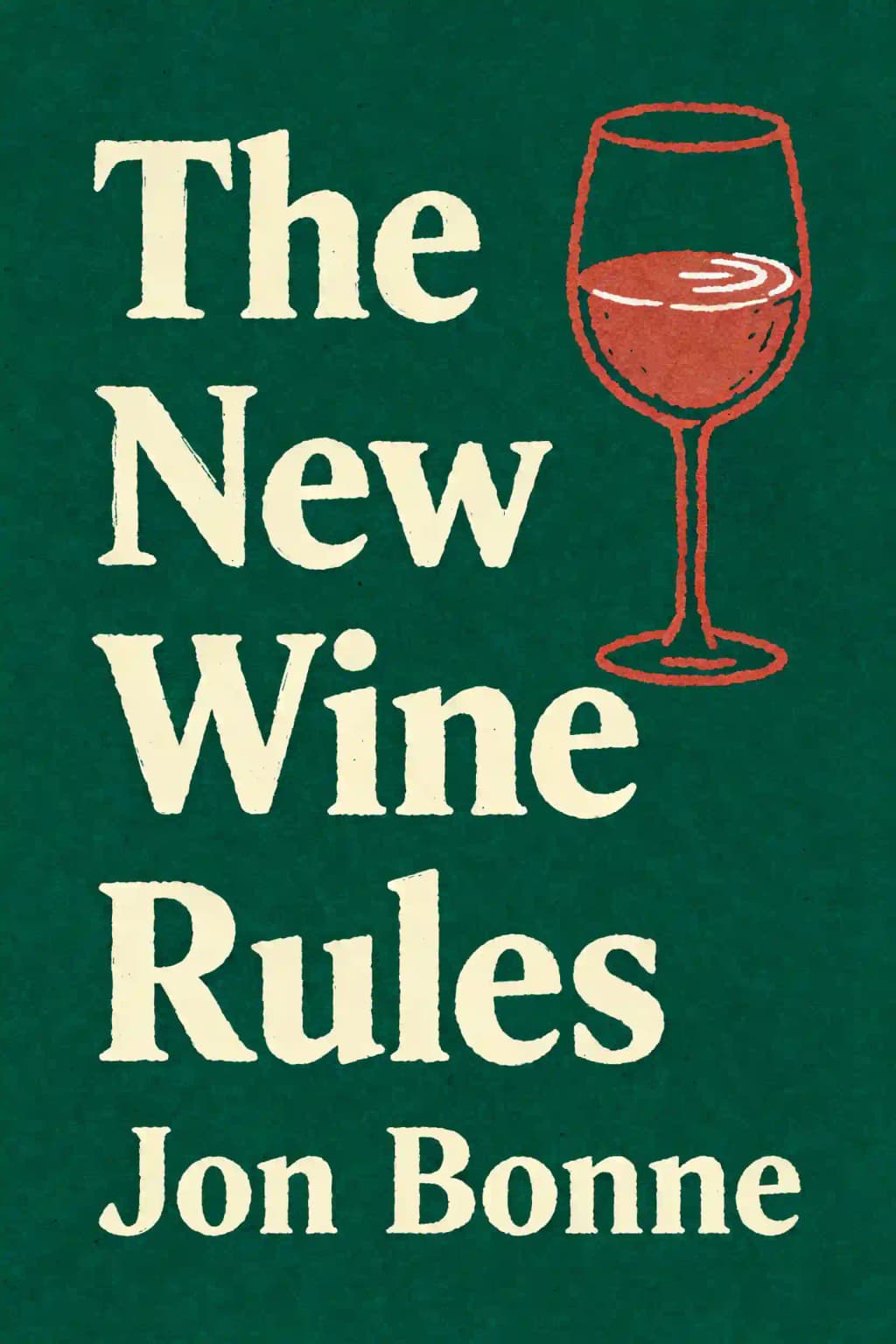
Wine has long been shrouded in mystery and intimidation, with sommeliers in bow ties and critics scoring bottles on 100-point scales. But Jon Bonne's "The New Wine Rules" arrives as a breath of fresh air in this often stuffy world. This revolutionary little book has become a quiet phenomenon, praised by industry insiders and novices alike for its accessible approach to demystifying wine. Bonne, the award-winning former wine editor of the San Francisco Chronicle and senior contributing editor at Punch, has crafted what celebrity chef and wine enthusiast Alton Brown calls "the only wine book you need." Even Taylor Swift reportedly keeps a copy in her New York apartment. What makes this book special is Bonne's ability to distill decades of wine knowledge into practical wisdom that empowers rather than intimidates, inviting readers to discover wine on their own terms rather than following arbitrary rules set by self-appointed experts.
2장
Breaking Free from Wine's Narrow Confines
Wine today offers incredible diversity, yet most of us stick to familiar choices out of habit or fear. The industry reinforces this with narrow options, but unlike the 1980s when wine seemed mysterious, we now have freedom to enjoy countless styles, regions, and grapes. "Drink the rainbow" should be our mantra - exploring everything from pale green whites to dark ochre reds, including orange wines and roses in a thousand shades.
This approach treats wine like a diverse cuisine to be sampled rather than a narrow set of familiar choices. While prestigious "best" wines have become prohibitively expensive, thousands of excellent wines haven't received the same recognition. Instead of chasing status labels, focus on discovering interesting, well-chosen bottles.
Finding a great local wine shop with knowledgeable staff is crucial for this exploration. Look for stores with diverse selections from small wineries and build relationships with staff who can learn your preferences. A good shop should make you feel comfortable asking questions without jargon. Try the "Champagne test": if you recognize more than half the Champagne brands (and you're not a wine expert), keep looking for a better shop.
Feel free to discuss wine in your own comfortable language. While some terms are technical and specific, many are subjective or even meaningless. Avoid pretentious language and common pitfalls like gendering wines ("feminine"), using vague terms like "smooth," employing faux-populist slang ("juice"), listing excessive fruit comparisons, or misusing concepts like terroir.
Essential wine terms include: "fruity" (fruit flavors, not sweetness); "herbal" (herb-like aromas); "spicy" (notes resembling dried spices); "dry" (not sweet, lacking sugar); "mineral" (rock-like or saline qualities); "animal" (meaty or gamey notes); "tannic" (that drying, tea-like sensation); and "rustic" (rough-edged rather than polished). Remember that "sweet" and "dry" have specific technical meanings related to residual sugar - whether sugar remains after fermentation. A wine can taste fruity while being completely dry, and sweet wines can have savory qualities.
3장
The Essential Wine Toolkit: Simpler Than You Think
Wine equipment doesn't need to be complicated or expensive. The waiter's friend corkscrew is the only tool you'll ever need - affordable, properly leveraged, with a foil cutter and typically a non-metal screw that easily enters corks. "Winged" corkscrews are unstable and often damage corks. For old or brittle corks, an ah-so (double-pronged extractor) works well.
Opening wine like a professional involves simple steps: place the bottle on a stable surface; cut the foil around the lip; insert the corkscrew at an angle; turn until nearly fully inserted; use the lever on the bottle lip to pull up the cork; gently remove the cork; twist it off the screw; and pour yourself a small taste to check quality.
For sparkling wine, never "pop" the cork - it wastes wine and can be dangerous. Instead, keep the cage slightly loosened but on the cork, hold the cork steady with one hand while gripping the bottle from the bottom with the other. Gently twist the bottle (not the cork), maintaining downward pressure on the cork. Let the gas push the cork up gradually until it releases with a whisper rather than a pop.
Pour wine with confidence but without splashing, fill glasses only halfway, and give a quick semi-turn with your wrist when finishing to prevent drips. Keep a towel or napkin handy to wipe the bottle lip - sommeliers do this for good reason.
Skip the gimmicky wine gadgets and invest in these five essentials: a counter rack for drying hand-washed glasses (never put stemware in the dishwasher), a specialized brush for cleaning glasses and decanters, neoprene wine carriers for transporting bottles, a proper champagne stopper that clips onto the bottle, and a foil cutter to make bottles look more appealing on the table.
4장
Understanding Wine's True Nature
Wine comes in more than just red and white varieties. White wine is typically made from white grapes with minimal skin contact. Red wine requires extended skin contact for color and structure. Rose comes from red grapes with brief skin contact or by bleeding juice from red wine tanks. "Orange" wine is made from white grapes using red wine techniques with extended skin contact. Oxidative wines are intentionally exposed to oxygen during production, while sparkling wines contain bubbles through various methods.
Sparkling wines differ by production method and pressure levels. Champagne Method involves a second fermentation in the bottle, creating fine bubbles with extended aging. Charmat (Tank) Method conducts the second fermentation in large tanks before bottling, common for Prosecco. Carbonation simply adds CO2 to still wine. The Ancestral Method (petillant-naturel) bottles wine during its first fermentation. Pressure varies from fully sparkling (5-6 bars) to lightly fizzy (2.5 bars), while sweetness ranges from bone-dry "brut nature" to sweet "doux."
"Made from organic grapes" refers specifically to farming practices, while "organic wine" also covers cellar practices with minimal sulfur dioxide use. Biodynamic certification through organizations like Demeter involves even stricter farming and production requirements. "Sustainable" has limited meaning unless tied to specific programs. "Natural wine" has no rigid definition but generally involves minimal intervention and additives during winemaking.
Malolactic conversion transforms malic acid (green-apple tartness) into lactic acid (yogurt-like) through bacteria. While often associated with creamy, buttery whites, it's actually a natural process for most red wines and many whites. Contrary to old beliefs, wines that undergo malolactic conversion can still taste acidic due to other acids present.
Wine is natural in that it's fermented grape juice without artificial flavors or colors. However, modern winemaking often involves chemical adjustments to acidity, commercial yeasts, preservatives like sulfur dioxide, and numerous other additives permitted by regulators. Even aging vessels represent technological interventions. The "natural wine" movement emerged in response to these practices, though its adherents don't agree on exact standards.
5장
Debunking Wine Myths That Hold Us Back
Nearly every wine bottle states "contains sulfites" because they occur naturally in wine or are added to prevent spoilage - a practice dating back to Roman times. Despite being blamed for wine headaches, only about 1% of Americans have true sulfite sensitivity. Most adverse reactions come from histamines, migraines, or simply alcohol itself. Those with genuine sulfite allergies would also react to dried fruit, bottled juices, and condiments.
Those harmless crystals sometimes found at the bottom of bottles are tartaric acid that naturally precipitates when wine is quickly chilled - essentially the same as cream of tartar. Similarly, cloudiness in unfiltered or unstabilized wines simply indicates minimal handling before bottling.
"Dry" is one of wine's most misused terms, with many people claiming preference for dry wines while actually enjoying subtle sweetness. While European table wines are often categorically dry (no residual sugar), many popular wines contain hidden sugar masked by high acidity. Supermarket wines particularly tend toward increasing sweetness over time. What matters most is how sweetness balances with acidity, texture, and savory elements.
Oak's original purpose was practical - barrels were shipping containers before widespread bottling technology. Reusing barrels was common practice until winemakers discovered that new, toasted barrels improved flavor and critics began rewarding oaky characteristics. Today, many quality wineries use lightly toasted or older barrels to minimize wood flavor, while cheaper producers add oak chips or sawdust for flavor. Remember this key insight: an oaky wine is essentially a flavored wine.
While we often fixate on flavors, acidity is what makes wine lively and enjoyable. It makes our mouths water, cleanses the palate, aids digestion, and enhances food pairing. Good acidity doesn't taste sharp but rather heightens flavors when properly balanced - similar to how the high acidity in orange juice or Coca-Cola rarely tastes overtly tart.
Beyond flavor profiles, a wine's mouthfeel reveals crucial characteristics. Is it creamy or sharp? Are tannins subtle or aggressively scraping like oversteeped tea? Generic descriptors like "smooth" tell us little beyond the absence of extremes.
Despite expectations of consistency, bottle variation is common even within the same vintage and wine. Contributing factors include exposure to heat and light during storage, inconsistent cork quality, and transportation conditions. Wine's living nature means it evolves differently even under similar conditions.
6장
Navigating the Wine Marketplace with Confidence
Wine pricing rarely reflects what's actually in the bottle due to opaque economics involving vineyard land costs and regional reputation. Value is ultimately subjective. Some wines overdeliver (from Australia, Chile, unknown Bordeaux properties) while others have prices that outpace their quality (California "cult" wines, some top Burgundies).
Finding distinctive, carefully made wines under $15 is difficult and under $10 is even harder, as most are made by large corporations. However, it's easy to find quality under $20. Few wines worldwide can justify prices over $100 - these are only worth buying after thorough research. The best values often come from unfashionable regions that friends might question until they taste the wine.
With thousands of wine grape varieties worldwide, understanding their family classifications helps organize this complexity. Most wine grapes originated in western Europe, particularly France, even if they're now grown globally. Many varieties have different names in different regions (Zinfandel = Primitivo, Pinot Gris = Pinot Grigio).
Key grape families include: Bordeaux (Cabernet Sauvignon, Merlot, Sauvignon Blanc); Burgundy (Pinot Noir, Chardonnay); Rhone (Syrah, Grenache, Viognier); Loire (Chenin Blanc, Cabernet Franc); Italian (hundreds of indigenous varieties like Nebbiolo, Sangiovese); Teutonic (Riesling, Gewurztraminer); Iberian (Tempranillo, Albarino); and Central/Eastern European varieties. Few grapes have distinctly New World origins, though some like Malbec in Argentina and Zinfandel in California have created new identities in their adopted homes.
Appellations are government-regulated areas where wine grapes are grown, not necessarily where wine is made. Some labels like "Bordeaux" or "Central Coast" don't describe a single place, and "California" wines could come from grapes grown in multiple locations. European appellations dictate both location and production methods, while American Viticultural Areas (AVAs) only specify geography.
Place matters in wine - terroir or "somewhereness" is why wine receives such attention. Many would-be "appellations" tell you very little; California's "Central Coast" spans hundreds of miles, which is acceptable for an everyday wine but not for something marketed as unique. The less specific the place, the more likely the wine was assembled rather than grown in one particular spot - making it more like the wine equivalent of fast food.
"Estate bottled" once indicated wine made by those who grew the grapes, but it no longer means much in a world where many top winemakers can't afford their own vineyards. What truly matters is where the grapes are grown, not where they ferment.
7장
The Expanding Wine Universe
Wine was relatively simple to understand in the 1950s and 1960s, coming from famous regions like Bordeaux, Burgundy, and Chianti. As winemaking techniques spread globally, the wine world has exploded with diversity. Each decade has seen new regions gain recognition: the 1970s brought attention to California, Portugal, and Piedmont; the 1980s highlighted Oregon, Northern Rhone, and northeastern Italy; the 1990s introduced Argentina, Chile, Australia, and New Zealand; the 2000s featured Austria, Sicily, the Canary Islands, and Jura; while today we're discovering Georgia, "New" Australia, Galicia, Corsica, Arizona, Canada, Croatia, and beyond.
Grand Cru literally means "great growth" and denotes important vineyards and wines, but its meaning varies by region. In Burgundy, it signifies top vineyards ordained by appellation rules regardless of winemaker. Alsace has fifty-one Grands Crus, though quality varies. In Bordeaux, Crus represent wineries rather than specific terroirs, with complex hierarchies where Premier Cru can outrank Grand Cru. Champagne applies Grand Cru status to entire villages based historically on grape prices.
In the U.S. wine supply chain, importers select and bring foreign wines into the country, with their names legally required on back labels. Distributors buy from U.S. wineries and importers to sell to restaurants and stores, but aren't usually listed on bottles. Learning about quality importers (like Kermit Lynch, Louis/Dressner, Terry Theise, Selection Massale, and others) is one of the best ways to discover excellent wines.
Most wine stores offer discounts on purchases of twelve bottles or more. Instead of buying twelve of the same wine, use this opportunity to explore by creating a themed sampler (spring whites, beach reds, Italian esoteric grapes).
Despite white wine's unfair reputation for simplicity, some of the world's finest wines come from white grapes, like Burgundy's Montrachet. Whites from regions like Germany's Mosel, Greece's Santorini, and white Bordeaux offer remarkable value. Modern white winemaking has become sophisticated, producing wines with as broad a range of textures and flavors as reds.
Wine collecting isn't just for snobs and doesn't require a fortune. Start by buying several bottles of the same wine to try over years, or a mixed case of ageable wines from different regions. Look for affordable age-worthy options like Langhe Nebbiolo and Gattinara from Piedmont, lesser-known Bordeaux from Fronsac and Bourg, Loire Cabernet Franc and Chenin Blanc, nuanced California Carignane and Zinfandel, less-famous Burgundy appellations, southern Italian Fiano, and emerging regions like Sicily's Etna and Spain's Ribeira Sacra. German Rieslings offer world-class quality under $35.
8장
The Art of Serving and Enjoying Wine
Serving temperatures significantly impact wine enjoyment - too cold suppresses aromas and texture, while too warm makes wine taste unfocused and simple. Rather than simply refrigerating whites and leaving reds at room temperature, all wines benefit from proper temperature control. Ideally, store bottles in a wine fridge, but if that's not possible, keep all wines slightly chilled and remove them in advance to reach optimal temperature.
Wine glasses should be filled only one-third to slightly under one-half full, whether at home or in restaurants. This allows proper swirling to release aromas into the glass, enhancing enjoyment of the wine. Overfilling restricts the wine's aromatic expression and increases the likelihood of spills.
Champagne has been misunderstood as merely a celebratory drink, but the region is experiencing a beautiful revolution with hundreds of growers making exceptional wines from their own grapes. These producers consider Champagne a wine first, meant to be enjoyed frequently with appreciation for craft and uniqueness. While not cheap, good Champagne doesn't have to be prohibitively expensive.
Rose deserves year-round enjoyment as a perfect middle ground between red and white wines. It pairs with nearly everything and quality roses age beautifully - contrary to the misconception that rose must be consumed young. The author notes that one of the world's great roses, from Rioja producer Lopez de Heredia, isn't even released until several years after vintage.
Magnums are your friends - they have twice as much wine as standard bottles, but they also age wine more slowly due to the lower ratio of wine to glass surface. This means less wine is in proximity to air or glass, capturing wines in a state closer to what they were at the winery.
Swirling your glass is beneficial - exposure to oxygen helps a wine "open" as aromatic compounds are released, flavors are enhanced, texture softens, and it becomes overall more pleasant to drink. Just make sure your glass tapers toward the top with ample room for the wine to rise slightly up the sides. And don't overfill it! Practice swirling by placing your glass on a flat surface and moving it in tight circles - even professionals do this.
The stem isn't just decorative - it provides a buffer between your hand and the wine to prevent heat transfer from you (around 98.6F) to the wine (hopefully under 70F). So grab your glass by the stem, not the bowl - unless the wine is too cold and you want to warm it. Stems also help create an even circular motion when swirling to release aromas.
9장
Wine Storage Wisdom for Everyday Drinkers
Unless your kitchen stays under 60F (unlikely), you're slowly cooking the flavor out of your wine - especially if the rack is near heat-generating appliances like fridges and stoves. Better options: invest in a small wine refrigerator, keep a few bottles in your regular fridge, or store wine in the coolest, darkest, most temperature-stable place in your house.
Keep your open whites - and reds - in the fridge. They'll last longer this way, as cold temperatures slow the oxidation process that turns wine to vinegar. Even reds should go in the fridge - just take them out 30-45 minutes before serving. Most wines will last at least three days refrigerated, but rarely longer than a week.
Cars get too hot (trunks especially), and even an hour or two on a hot day can damage wine. If you transport bottles frequently, keep a small cooler in your trunk or use instant cold packs wrapped around bottles to stabilize temperature.
When you have about half a bottle left at the end of the night, transfer it to a smaller bottle and close it. The smaller size means less oxygen contact with the wine, which helps prevent spoilage.
Wine should generally be stored between 45-58F (7-14C), depending on whether it's white or red, and never above 70F (21C). That's why kitchens make poor storage areas. If you can't maintain ideal temperatures, use a wine fridge, regular refrigerator, or cool cellar. Slow, small temperature shifts are usually okay, but fast spikes can damage wine.
Corks need to stay moist and in contact with wine to be effective. Standing bottles upright dries out the cork and can accelerate aging or evaporation. Even in the fridge, don't leave wine upright for more than a week or two.
If your open bottle is going downhill, don't pour it out - use it as cooking wine instead. Even if it starts to sour, it's generally just turning to vinegar and can still be useful in the kitchen. Just smell or taste it before cooking with it, as you would any other ingredient.
Despite the romance around aged wines, most bottles aren't meant to improve with time. Well-made Cabernet or Pinot Noir can often get better over ten years, and some wines like Barolo actually need the extra time. But these are exceptions. Don't assume that $8 Merlot that's been "aging" on your counter will be better just because you bought it five years ago. Most wines are meant to be enjoyed for their fresh, fruity "primary" flavors right now.
10장
The New Rules of Wine and Food
We fret endlessly about matching wine with food, with experts holding forth on finding that one perfect pairing that will bring bliss. But this obsession (which Americans seem particularly vulnerable to due to wine insecurity) is misguided. There is no single perfect pairing - drink what you like. Some combinations are trickier than others, but don't sweat it.
Think about these four elements in both food and wine: acidity, salt and spice, texture and weight, and sweetness/fruitiness. Too much of any quality will throw either off balance. Great pairings can come from like qualities (mineral Muscadet with briny oysters) or opposites (sugar in wine cutting spice in food). Often the best matches rely on acidity and texture rather than flavor matching. That's why effervescent, high-acid Champagne works beautifully with both the varied textures and greasiness of pizza.
Forget old rules of thumb like "red wine with meat, white wine with fish." Focus on flavors and textures instead. Champagne (often made from red grapes) has acidity and structure to stand up to fatty steak. Light reds like Schiava can showcase nuanced fish flavors. Some meat dishes like schnitzel classically pair with bright, aromatic whites like Riesling.
Pairing rules typically focus on the main ingredient, but that's rarely the guiding flavor. The same protein can be prepared in dramatically different ways - think barbecue chicken versus chicken korma, or rich coquilles Saint-Jacques versus scallop sashimi. Focus on preparation method, sauce, and spices rather than the protein itself.
There's merit to the "grows together, goes together" adage - red Barolo with Piedmontese pastas and truffles, or Beaujolais with fatty Lyonnaise food. But many modern flavors didn't emerge from traditional wine regions. How would you apply that rule to tamales or mapo tofu? Recreating traditional matchups can be fun, but never feel bound by them.
Yes, certain foods can be tricky with wine - sulfur compounds in asparagus and brussels sprouts, or oyster textures with tannins. But solutions exist: Germans and Austrians enjoy asparagus with Gruner Veltliner or Sylvaner, and oysters work with most fresh whites and even light reds when cooked.
If all else fails, remember that sparkling wines - not just Champagne but options from around the world - work with a remarkable range of foods. They're perfect for solving tricky mixed-dish situations when diners order vastly different meals. And remember: beer counts as bubbles too.
11장
Wine as Celebration and Connection
When bringing wine as a guest, spend roughly what a main course would cost at a restaurant you'd visit with your hosts. Remember that thoughtfulness trumps price - a unique $12 bottle showing you considered their taste can be more special than an expensive but impersonal selection.
For parties, assume each guest will drink at least two glasses. Since a bottle contains just over four glasses (party pours are larger than restaurant pours), plan one bottle per two guests, then add extra to avoid running out. For four guests, get three bottles; for eight guests, five bottles.
Large gatherings are no excuse for Solo cups. For frequent entertaining, invest in inexpensive dishwasher-safe stemmed glasses. If worried about breakage, get stemless ones or plastic versions like Govino. Solo cups are strictly for beer.
Unless hosting a dinner party, provide red, white, rose, and sparkling options so guests have choices. Consider the weather and occasion when determining proportions - for cocktail parties or pre-dinner hours, include extra sparkling wine.
Keep a few versatile bottles ready for impromptu gatherings: an unoaked Chardonnay or Verdicchio, a light-bodied red like Pinot Noir or good Beaujolais, and especially a bottle of sparkling wine in the fridge.
One of wine's great fallacies is that waiting always makes wine better. While patience benefits important wines, most modern wines can be enjoyed relatively young. Don't hoard special bottles waiting for the perfect moment - nothing gives more pleasure than sharing a great bottle with people you enjoy. Open them, savor them, and buy more - there's always more wine to discover.