1장
The Roadmap to Engineering Leadership Excellence
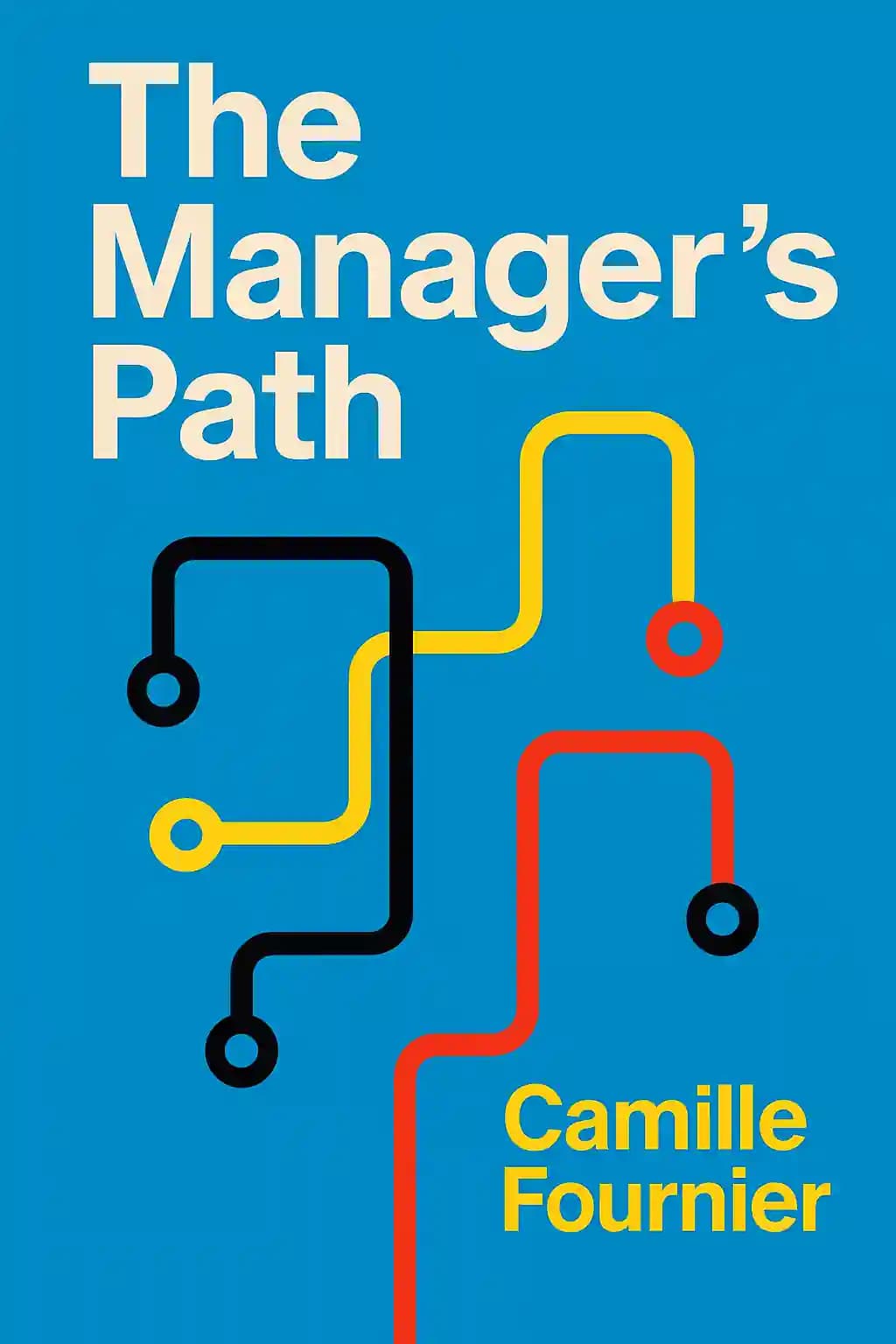
What does it take to become a truly exceptional engineering leader? In Camille Fournier's "The Manager's Path," we discover a comprehensive guide that has become required reading for technical professionals navigating the transition from individual contributor to management. Since its 2017 publication, the book has gained cult status among Silicon Valley executives, with tech luminaries like Kellan Elliot-McCrea calling Fournier "one of the great engineering leaders in our industry." The book's enduring popularity stems from its rare combination of technical depth and practical management wisdom, filling a crucial gap for engineers who find themselves thrust into leadership roles with little preparation. Drawing from her journey from individual contributor to CTO of Rent the Runway, Fournier provides a roadmap that has helped thousands of technical leaders avoid common pitfalls and build high-performing engineering organizations.
2장
The Foundation: Being Managed and Managing Yourself
The journey to becoming an effective manager begins with understanding what good management looks like. Many engineers have never experienced truly excellent management, often describing their best managers as practicing "benign neglect." But good management goes far beyond this - it involves caring about you as a person, helping you grow professionally, teaching important skills, providing valuable feedback, and enabling you to focus on what's important. Great managers actively remove obstacles, shield their teams from organizational chaos, and create opportunities for growth while maintaining high standards of performance.
One-on-one meetings form the cornerstone of the manager-employee relationship. These regular check-ins serve dual purposes: building human connection and providing opportunities for private discussion. Rather than treating them as status updates, effective one-on-ones create space for meaningful conversation about career growth, workplace challenges, and personal development. As Fournier's colleague Marc Hedlund aptly puts it, "Regular 1-1s are like oil changes; if you skip them, plan to get stranded on the side of the highway at the worst possible time." The most productive one-on-ones follow a consistent schedule, typically weekly or bi-weekly, and maintain a shared agenda where both parties can add topics for discussion. This regularity builds trust and ensures important issues don't fall through the cracks.
The responsibility for a productive management relationship doesn't rest solely with the manager. Employees must actively participate by spending time reflecting on what they want from their careers, advocating for themselves, and setting appropriate boundaries. This means coming to one-on-ones with agendas, asking for projects that align with your goals, seeking feedback, and speaking up when you're unhappy or stuck. Your manager can't read your mind - the fastest way forward is direct communication about what you need. This includes being clear about your career aspirations, identifying skills you want to develop, and discussing potential growth opportunities within the organization.
Self-management becomes increasingly important as you progress in your career. As you take on more responsibility, you'll need to bring solutions rather than just problems to your manager. This might involve researching alternatives, consulting with colleagues, and presenting options with clear trade-offs. You'll also need to choose your managers wisely, recognizing that different managers offer different types of support - some excel as mentors who help you develop technical skills, while others are better advocates who can advance your career through their organizational influence. Understanding these distinctions helps you build a network of support that addresses all aspects of your professional development.
Effective self-management also means learning to manage up - understanding your manager's style, preferences, and constraints. This includes adapting your communication style to match theirs, being proactive about keeping them informed, and helping them help you by providing the right level of detail and context. It's about striking the right balance between independence and appropriate escalation, knowing when to solve problems on your own and when to involve your manager.
3장
First Steps in Leadership: The Art of Mentoring
For many engineers, the first taste of management comes through mentoring another team member. Whether you're guiding an intern through a summer project, helping a new hire navigate your organization, or supporting a colleague transitioning to a new technical stack, mentorship provides valuable experience with responsibility for another person's success without the full weight of management. This stepping stone allows you to develop crucial leadership skills in a lower-stakes environment.
Effective mentoring begins with listening - not just hearing words, but truly understanding what your mentee is communicating, including their non-verbal cues and underlying concerns. Many new mentors make the mistake of focusing on their response rather than fully absorbing what's being said. Watch for signs of confusion like delayed responses, unclear questions, or hesitation in implementation. Technical language is inherently imprecise, and your mentee may hesitate to ask questions for fear of appearing incompetent. Create psychological safety by sharing your own learning experiences and normalizing the asking of questions.
The mentoring relationship should evolve as your mentee develops, following a "scaffold and fade" approach. Initially, you might need to provide detailed guidance, frequent check-ins, and specific technical direction - perhaps pair programming or walking through code reviews together. As they gain confidence, you can step back and give them more autonomy, adjusting your approach based on their demonstrated capabilities. Some mentees will exceed expectations and need more challenging work, while others might require additional support with basic tasks. The key is to recognize these patterns early and adapt accordingly.
For new hires, effective mentoring means recognizing that what's become second nature to you remains foreign to newcomers. Unspoken rules about when to take vacation, how long to struggle before asking for help, or which meetings matter most can be invisible to you but confusing to new team members. Document these implicit expectations explicitly - create onboarding checklists, team norms documents, and clear escalation paths. This fresh perspective is valuable - it can reveal inefficiencies in your processes that long-time employees have simply learned to work around.
One of the most valuable aspects of mentoring is network-building - introducing your mentee to people and systems that transmit knowledge quickly. These connections benefit both parties long-term, as your mentee may someday be on a team you want to join or vice versa. Make introductions thoughtfully, perhaps by including your mentee in cross-functional meetings or technical discussions where appropriate. Even for introverts, consciously building these networks is a worthwhile investment that pays dividends throughout your career. Consider creating opportunities for your mentee to present their work to wider audiences or participate in community events.
Remember to establish clear boundaries and expectations from the start. Set regular meeting cadences, define communication channels, and be explicit about your availability. Document your mentee's progress and celebrate their wins, no matter how small. This not only helps them build confidence but also provides concrete examples of your mentoring impact for your own career development.
4장
The Technical Leadership Challenge: Becoming a Tech Lead
The tech lead role represents a pivotal transition in an engineering career - you're now responsible for leading a team's technical direction while still contributing as an individual engineer. This position requires balancing your own technical work with the needs of the broader team, a challenge Fournier describes as learning "the one weird trick" of technical leadership.
This balancing act means you'll need to navigate between what Paul Graham calls the maker's schedule (large blocks of uninterrupted time for coding) and the manager's schedule (days fragmented by meetings). While you won't have multi-day stretches for deep technical work, you should help protect your team's focus time by working with stakeholders to create reasonable meeting calendars.
As tech lead, you'll wear multiple hats: systems architect translating business requirements into technical solutions, project planner breaking work into deliverable chunks, and team leader guiding others while still writing code yourself. You'll need to understand the entire architecture you're supporting, not just your favorite components, and develop the ability to visualize how data flows through systems.
Effective tech leads avoid monopolizing all interesting work. Instead, they tackle tricky, boring, or annoying technical areas to help unstick problems while occasionally taking on challenging tasks that utilize their senior engineering talents. They encourage team members to learn the entire system and give them opportunities to stretch themselves.
Technical decision-making becomes more complex in this role. You'll be involved in most major technical decisions, but "involved" doesn't mean making all decisions alone. Making every decision without team input breeds resentment, while delegating everything can leave decisions unresolved. The art lies in determining which decisions you must make, which to delegate to those with more expertise, and which require whole-team resolution.
Perhaps most importantly, your productivity is no longer measured solely by your code output but by the productivity of the entire team. You'll often pay the price of communication overhead, representing the team in meetings and bringing information back to them. If one universal talent separates successful leaders from the pack, it's communication skills - writing clearly, reading carefully, speaking effectively in groups, and truly listening to understand rather than just to respond.
5장
People Management: The Human Side of Leadership
Becoming a people manager marks a significant career shift - it's not a promotion but an entry-level position in an entirely new discipline. While tech leads focus on technical direction, people managers take responsibility for individuals' growth, performance, and career development.
The foundation of effective people management lies in regular one-on-one meetings with your reports. These sessions should adapt to individual needs - some benefit from structured to-do lists, others from open-ended catch-ups, and still others from focused feedback or progress discussions. Whatever style you choose, leave room to know your reports as human beings. Without prying, show interest in their family, friends, hobbies, and career journey to demonstrate that you're invested in them as people, not just resources.
Creating a culture of continuous feedback transforms how your team experiences performance reviews. Rather than saving observations for formal evaluation cycles, share both positive and corrective feedback regularly. This practice trains you to notice individuals' contributions and helps you become comfortable with potentially awkward performance conversations. Start by understanding each person's goals, strengths, weaknesses, and growth needs, then observe attentively to provide lightweight, regular feedback beginning with positivity.
Delegation represents one of the most challenging transitions for new managers, particularly those promoted for technical excellence. The difference between micromanagement and effective delegation lies in trust and control. Micromanagers don't trust tasks will be done right or want to tightly control outcomes to meet exact standards, often creating a vicious cycle where increased control leads to decreased motivation and performance.
To delegate effectively, use the team's goals to understand which details matter. When micromanagement urges arise, ask the team how they're measuring success and request visibility into those metrics. The rule is simple: if the team is making progress on goals, systems are stable, and stakeholders are satisfied, minimal oversight is needed. Adjust your focus depending on project stages - deeper engagement during initial design and near delivery dates, with lighter touch during normal workflow.
As a manager, you'll also face the difficult task of cultivating careers and sometimes making hard decisions about underperformers. When someone consistently fails to meet expectations despite clear feedback and support, you may need to implement a performance improvement plan. Remember the rule of "no surprises" - coaching someone out should begin long before formal documentation, with clear records of ongoing feedback conversations and improvement attempts.
6장
Team Management: Creating High-Performance Organizations
Managing a team differs significantly from managing individuals - it's not just a natural progression of senior engineering skills but requires an entirely new skillset. As an engineering lead, you'll spend less time coding while focusing on removing bottlenecks, identifying high-value projects, partnering with product leads on scope management, and planning for headcount needs.
Even as you progress and write less code, maintaining technical credibility remains essential for guiding decision-making and commanding respect. Staying in the code helps you identify bottlenecks, process problems, and technical debt that your team faces daily. Technical knowledge also helps you evaluate feature feasibility and identify implementation paths. The right balance is crucial - you need enough technical involvement to stay credible without becoming a bottleneck.
When managing dysfunctional teams - those missing deliverables, experiencing unhappiness, or lacking energy - several common issues require attention. Teams need regular goal achievement to feel good, even research teams. When shipping stalls, roll up your sleeves to help or investigate bottlenecks. Don't tolerate "brilliant jerks" - highly productive but toxic team members who make everyone around them unhappy. Address team members who stir up drama, dwell on negativity, or engage in gossip. When teams are overworked, address root causes rather than just pushing through crunch periods.
As a manager, you should shield your team from unnecessary drama and politics, but with important nuances. While protecting them from distracting external issues is valuable, completely isolating them from context is counterproductive. Teams need appropriate context to understand why goals matter and make good decisions. Denying that drama exists creates more problems - communicate difficult news straightforwardly to neutralize gossip.
To drive good decisions, create a data-driven team culture that supplements product and business data with technical metrics about team productivity and quality measures. Develop customer empathy regardless of whether you're building for external users or internal teams. Think two steps ahead from both product and technology perspectives to guide technical decisions, especially for infrastructure investments that enable future features. Review the outcome of your decisions and projects to verify whether your hypotheses proved true, and run regular retrospectives to detect patterns and evaluate how decisions affect daily operations.
7장
Scaling Your Impact: Managing Multiple Teams and Managers
Moving into multiple-team management typically means you're no longer writing production code regularly. At this level (often director of engineering), you're responsible for a significant area of technology spanning multiple product areas or functions. While not coding daily, you need technical competence to guide teams, perform code reviews when needed, and contribute to architecture discussions. This shift requires developing new muscles around systems thinking and strategic technical direction rather than hands-on implementation.
Time management becomes critical when managing multiple teams, as your calendar fills with one-on-ones, planning meetings, and status updates. The key is distinguishing between importance and urgency. High-impact activities like strategic planning and team development often get pushed aside by urgent but less important tasks. As a multiple-team manager, you must carve out time for important but not-urgent work like preparing for meetings, thinking about the future, developing hiring plans, and reviewing projects before problems emerge. Consider blocking 2-3 hours daily for deep work and strategic thinking.
Delegation becomes your lifeline out of overwhelm, requiring careful assessment of which tasks truly need your personal attention. Simple and frequent tasks like running daily standups or writing weekly progress summaries should be delegated to tech leads or senior engineers. Complex and frequent tasks like project planning, systems design, and incident management provide perfect opportunities to develop talent while improving team performance. Create clear delegation frameworks - specify what decisions others can make independently, what requires consultation, and what needs your approval. Your goal should be teams capable of high-level operation with minimal input from you.
As you manage managers, skip-level meetings become crucial for understanding team health. Schedule regular 30-minute conversations with individual contributors every quarter. These connections with people who report to your direct reports serve two purposes: maintaining trust and engagement while detecting managers who "manage up" well but potentially neglect their teams. When managing new managers, watch for common warning signs: overwork (failing to delegate their previous responsibilities), power trips (making unilateral decisions), and micromanagement. Help new managers transition by providing clear expectations, regular coaching, and frameworks for decision-making. Experienced managers bring established skills but present different challenges around cultural fit and management philosophy. Focus on alignment around values and outcomes while allowing flexibility in management style.
To stay technically relevant while managing at this level, read code occasionally, ask engineers to explain unknown areas, attend postmortems to see where problems have built up, keep up with industry trends, foster a network of technical people outside your company, and never stop learning through articles, talks, and curiosity. Set aside time each week to review technical discussions and architecture decisions. Join technical communities and attend conferences to maintain broader industry perspective. Consider maintaining a small technical side project to keep hands-on skills fresh without compromising management responsibilities.
Success at this level requires balancing strategic leadership with tactical support, maintaining technical credibility while focusing on people development, and creating systems that scale beyond your direct involvement. Regular reflection and adjustment of your management approach ensures continued effectiveness as both teams and responsibilities grow.
8장
Senior Leadership: Shaping Organizational Direction
As a senior technical leader, your role encompasses four essential activities that shape organizational direction and culture. Information gathering and sharing involves not just collecting data, but synthesizing complex technical and business insights into clear narratives that resonate across departments. Nudging requires mastering the art of indirect influence - asking probing questions like "What alternatives did you consider?" or "How might this scale?" rather than giving direct orders. Decision making at this level means confidently charting direction with 70% of ideal information, while role modeling demands conscious attention to how your every action and reaction shapes company culture.
Setting technology strategy requires a comprehensive approach combining multiple research streams. This includes conducting systematic analyses of current system bottlenecks, studying competitor technical architectures, gathering feedback from engineering teams about daily friction points, and monitoring emerging technology trends that could create strategic advantages. A robust technology strategy addresses immediate needs while building optionality for multiple possible futures. For example, decisions about microservices architecture shouldn't just solve today's scaling challenges but enable rapid experimentation with new business models.
Working effectively with peer executives demands sophisticated relationship management skills. Build trust through consistent follow-through on commitments and by demonstrating genuine curiosity about other functions' challenges. Respect functional boundaries by avoiding technology-first solutions to business problems - instead, partner with relevant executives to develop integrated approaches. The "cone of silence" principle is crucial: while healthy debate should occur in private leadership forums, executives must present unified support for final decisions, even when they initially disagreed.
Your elevated position means increased visibility and influence. Engineers study your code reviews for clues about standards, managers mirror your communication style, and teams interpret your casual comments as directives. This requires careful attention to both verbal and non-verbal signals. Like Steve Jobs' famous attention to detail at Apple or Satya Nadella's emphasis on growth mindset at Microsoft, your behavioral patterns become cultural templates. Consider implementing regular skip-level meetings and office hours to provide controlled access while maintaining appropriate distance.
Creating psychological safety requires conscious leadership choices. When issues arise, replace reactive criticism with curious inquiry: "Help me understand the thought process here" or "What lessons can we extract from this?" Build relationships through regular informal interactions - coffee chats, walking meetings, or brief personal check-ins before diving into business topics. Leaders who balance professional standards with human connection create environments where innovation thrives.
Establishing "True North" means defining and communicating clear technical principles that guide decision-making across the organization. This might include standards for system reliability, security requirements, architectural patterns, or code quality metrics. These principles should be specific enough to guide decisions but flexible enough to adapt to changing circumstances. Document these in accessible frameworks and regularly reference them in architectural reviews and planning sessions, helping teams develop the instinct for making aligned decisions independently.
9장
Cultivating Engineering Culture: The Invisible Force
Culture is the unspoken shared rules of a community - how things get done without people having to think about it. It's both a natural consequence of your company's evolution and something that needs conscious guidance. In complex environments where group needs must override individual ones, cultural values enable teamwork and decision-making under uncertainty.
As a leader, you must understand and cultivate culture regardless of your position. Start by defining your culture - map company values onto your team, perhaps adding values specific to your group. Reinforce culture by rewarding people who exhibit values positively. Share "core value stories" at meetings and give shoutouts to those who exemplify them. Include values evaluation in performance reviews to reinforce desired behaviors and identify who aligns with team values.
Engineering processes balance structure with flexibility - without any process, teams struggle to scale, but with the wrong process, they slow down. The key is matching processes to your team's current size and risk tolerance. Process serves as risk management, creating visibility around work coordination as systems grow beyond what any single person can track.
Three major processes become essential as teams grow: code review for ensuring quality while socializing knowledge, outage postmortems (or "learning reviews") for growth without blame, and architecture reviews for socializing major system changes and clarifying risks. Each requires clear behavioral expectations alongside technical implementation.
The most crucial lesson throughout this journey from mentor to senior leader is that managing yourself effectively is prerequisite to managing others well. Great managers excel at working through conflict by removing ego from conversations and seeing past their personal interpretations. Above all, curiosity serves as a powerful tool - looking beyond your perspective to understand others' values, needs, and motivations. When facing interpersonal challenges, get curious about the other perspectives at play and investigate your emotional reactions. Apply this curiosity broadly to people, processes, technology, strategy, and business as you continue on your management path.