Allen Carr's revolutionary method has helped over 7 million smokers quit without willpower or withdrawal. Clinically proven more effective than nicotine replacement therapy, this 1985 phenomenon earned Richard Branson's endorsement and NHS approval. Ready to experience freedom from cigarettes?
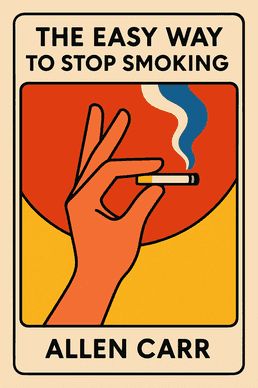
Allen John Carr (1934–2006), bestselling author of The Easy Way to Stop Smoking, revolutionized smoking cessation as a self-help pioneer and addiction recovery expert.
A former accountant who smoked 100 cigarettes daily for 33 years, Carr developed his unconventional method after quitting cold turkey in 1983, rejecting nicotine replacements and focusing on psychological reprogramming.
His book—a cornerstone of the self-help genre—combines cognitive-behavioral principles with candid insights into addiction, framed through Carr’s empathetic, conversational style. The work has been endorsed by celebrities like Richard Branson and Anthony Hopkins, featured in BBC Radio 4 documentaries, and translated into over 40 languages.
Carr’s clinic network and follow-up books, including The Easy Way to Stop Drinking and The Only Way to Stop Smoking Permanently, extend his legacy. With an estimated 25 million smokers cured worldwide, his method continues to challenge Big Tobacco while remaining a global benchmark in addiction recovery literature.
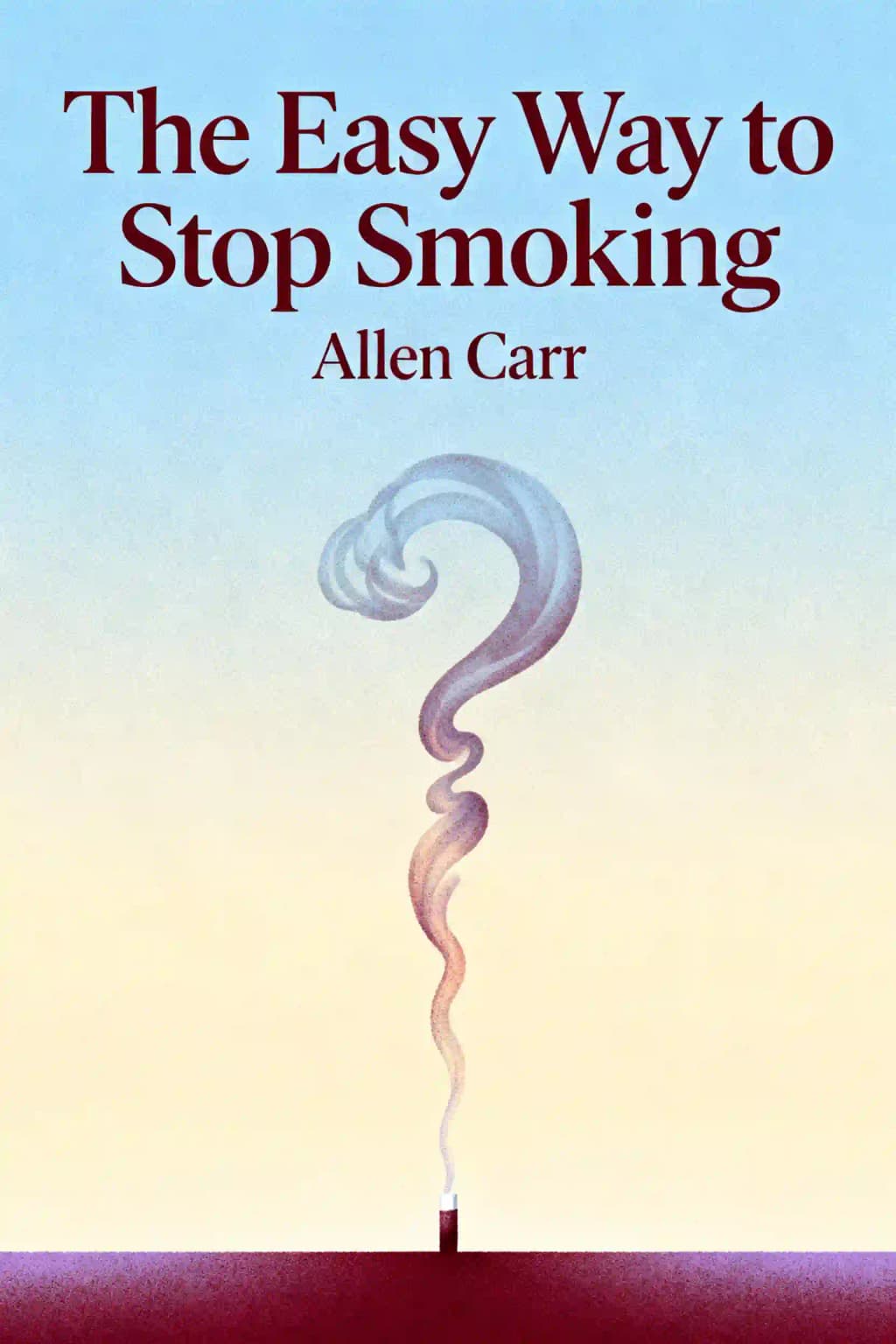
The Easy Way to Stop Smoking outlines Allen Carr’s drug-free method to quit smoking by dismantling the psychological dependence on cigarettes. It reframes smoking as an addiction to relief rather than pleasure, teaching readers to eliminate cravings without willpower, substitutes, or withdrawal symptoms. The updated edition includes guidance on vaping, cannabis, and habitual triggers.
This book is ideal for smokers seeking a painless, immediate quit method, those who’ve struggled with nicotine replacements, and individuals wary of weight gain or anxiety during withdrawal. It’s also recommended by organizations like the UK National Health Service for its structured, no-nonsense approach.
Clinical studies report a 40-55% success rate after one year, comparable to other pharmacotherapy-free methods. The method’s popularity stems from its focus on eradicating the psychological need to smoke, with millions attributing their quit success to Carr’s approach.
Carr reframes quitting as a liberating gain rather than a sacrifice. He dismantles misconceptions about smoking’s benefits, emphasizing immediate health improvements and freedom from addiction. The book provides reassurance through logical arguments and supportive advice.
Carr argues societal conditioning convinces smokers cigarettes offer stress relief or social appeal, creating self-deception about their necessity. His method exposes these myths, empowering smokers to reject the illusion and quit confidently.
This pivotal moment occurs when ex-smokers realize they no longer desire cigarettes, often within days of quitting. It marks psychological freedom, described as a joyful realization of control over addiction.
Unlike NRT, Carr’s approach targets psychological dependency without substitutes, medications, or gradual reduction. Studies show comparable effectiveness, but his method avoids prolonged withdrawal and costs associated with nicotine products.
Key endorsements include:
Some researchers note a lack of robust long-term studies, though recent trials confirm its efficacy. Critics argue it oversimplifies biological aspects of addiction, but proponents highlight its accessibility and success rates.
Updated editions address modern challenges like vaping and cannabis use, while its core principles remain effective. The rise of digital programs (e.g., on-demand videos) extends its reach, maintaining its status as a bestseller.
The book asserts that withdrawal is a myth perpetuated by nicotine addiction. By reframing cravings as fleeting reminders of breaking free, smokers report minimal discomfort during quitting.
Yes—Carr himself quit after 30 years of heavy smoking. The method’s focus on mindset over duration or intensity of addiction makes it applicable to all smokers, including those using 40+ cigarettes daily.
저자의 목소리로 책을 느껴보세요
지식을 흥미롭고 예시가 풍부한 인사이트로 전환
핵심 아이디어를 빠르게 캡처하여 신속하게 학습
재미있고 매력적인 방식으로 책을 즐기세요
Smoking represents perhaps the most subtle, sinister trap devised by man.
Contrary to stereotype, smokers aren't weak-willed people.
Smoking offers nothing but the temporary relief of withdrawal symptoms.
The fundamental misconception is the belief that cigarettes provide genuine pleasure.
The physical withdrawal from nicotine is remarkably mild.
The Easy Way to Stop Smoking의 핵심 아이디어를 이해하기 쉬운 포인트로 분해하여 혁신적인 팀이 어떻게 창조하고, 협력하고, 성장하는지 이해합니다.
The Easy Way to Stop Smoking을 빠른 기억 단서로 압축하여 솔직함, 팀워크, 창의적 회복력의 핵심 원칙을 강조합니다.

생생한 스토리텔링을 통해 The Easy Way to Stop Smoking을 경험하고, 혁신 교훈을 기억에 남고 적용할 수 있는 순간으로 바꿉니다.
무엇이든 물어보고, 목소리를 선택하고, 진정으로 공감되는 인사이트를 함께 만들어보세요.

샌프란시스코에서 컬럼비아 대학교 동문들이 만들었습니다
"Instead of endless scrolling, I just hit play on BeFreed. It saves me so much time."
"I never knew where to start with nonfiction—BeFreed’s book lists turned into podcasts gave me a clear path."
"Perfect balance between learning and entertainment. Finished ‘Thinking, Fast and Slow’ on my commute this week."
"Crazy how much I learned while walking the dog. BeFreed = small habits → big gains."
"Reading used to feel like a chore. Now it’s just part of my lifestyle."
"Feels effortless compared to reading. I’ve finished 6 books this month already."
"BeFreed turned my guilty doomscrolling into something that feels productive and inspiring."
"BeFreed turned my commute into learning time. 20-min podcasts are perfect for finishing books I never had time for."
"BeFreed replaced my podcast queue. Imagine Spotify for books — that’s it. 🙌"
"It is great for me to learn something from the book without reading it."
"The themed book list podcasts help me connect ideas across authors—like a guided audio journey."
"Makes me feel smarter every time before going to work"
샌프란시스코에서 컬럼비아 대학교 동문들이 만들었습니다

The Easy Way to Stop Smoking 요약을 무료 PDF 또는 EPUB으로 받으세요. 인쇄하거나 오프라인에서 언제든 읽을 수 있습니다.
What if the hardest part of quitting smoking isn't the physical withdrawal, but realizing you've been fooled all along? Most smokers believe they understand their addiction-they know cigarettes are harmful, expensive, and socially unacceptable. Yet they continue smoking, convinced they're making a conscious choice. The truth is far more unsettling: smoking operates like a psychological illusion, a trick so clever that millions remain trapped despite wanting desperately to escape. The addiction doesn't announce itself with dramatic cravings or unbearable pain. Instead, it whispers quietly, convincing you that cigarettes provide something valuable-stress relief, concentration, pleasure-when in reality, they create the very problems they claim to solve. This deception begins with your very first cigarette, which tastes terrible and makes you cough, paradoxically reassuring you that you'll never become addicted. By the time smoking becomes pleasurable, the trap has already closed around you.