Ancient wisdom meets modern resilience in Epictetus' timeless Stoic guide. Carried by Frederick the Great and quoted by General Mattis, these teachings inspired Ryan Holiday's bestsellers. Can 2,000-year-old philosophy truly be the secret weapon for today's challenges?
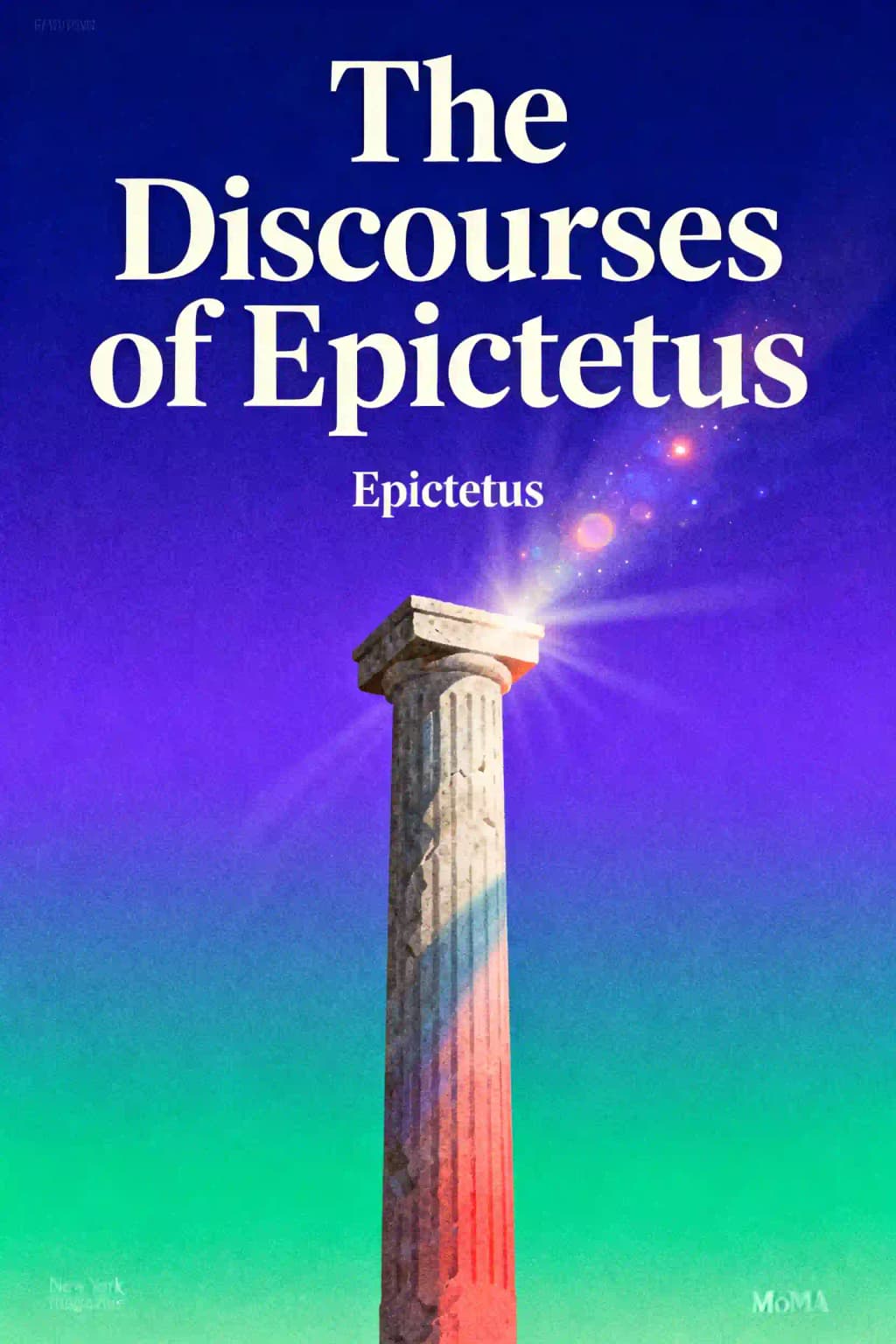
Epictetus, the renowned Stoic philosopher and author of The Discourses of Epictetus, dedicated his life to teaching practical ethics and resilience.
Born into slavery around 55 CE in Hierapolis (modern-day Turkey), he gained freedom and studied under Stoic teacher Musonius Rufus before founding his own school in Nicopolis after exile from Rome. His works, including the Enchiridion (a distilled guide to Stoic principles), emphasize mastering one’s judgments, accepting fate, and cultivating inner freedom—themes rooted in his lived experience of adversity.
Epictetus’s teachings, transcribed by his student Arrian, shaped Stoic thought for generations, influencing figures like Emperor Marcus Aurelius and modern philosophy. His Discourses remains a cornerstone of Stoic literature, offering timeless insights into virtue, self-discipline, and emotional resilience.
Widely translated and studied for nearly two millennia, Epictetus’s work continues to guide readers seeking wisdom in navigating life’s challenges with equanimity.
The Discourses of Epictetus explores Stoic philosophy through practical teachings on distinguishing between controllable choices (judgment, reactions) and uncontrollable external events. Compiled by his student Arrian, it emphasizes self-mastery, virtue, and aligning with nature’s laws to achieve inner freedom. Key themes include resilience through disciplined perception, moral responsibility, and rejecting emotional dependency on circumstances.
This book suits seekers of self-improvement, philosophy enthusiasts, and anyone navigating adversity. Its lessons on emotional resilience and ethical clarity resonate with leaders, students, and individuals aiming to cultivate mental toughness. Epictetus’s insights are particularly valuable for those confronting career challenges, personal loss, or existential questions.
Yes, for its timeless wisdom on personal agency and emotional well-being. Epictetus’s teachings remain relevant for managing modern stressors like uncertainty and societal pressures. Though written in antiquity, its actionable frameworks for ethical living and mindset discipline offer enduring practical value.
Epictetus’s core concept divides life into what’s within our control (judgments, desires, actions) and what isn’t (wealth, reputation, others’ opinions). True freedom arises from focusing only on internal choices, accepting external outcomes without disturbance. This principle underpins Stoic practices for reducing anxiety and fostering equanimity.
Virtue, for Epictetus, is the sole good and path to happiness. It involves aligning actions with reason, justice, courage, and self-discipline. External achievements (wealth, status) are indifferent; only moral intent determines a life well-lived. Virtue requires constant practice in discerning right judgments and rejecting harmful desires.
By reframing challenges as opportunities to exercise wisdom, Epictetus teaches detachment from uncontrollable outcomes. For example, workplace conflicts become chances to practice patience, while financial loss tests contentment. This mindset reduces anxiety by shifting focus to actionable responses rather than fixating on results.
Some argue its strict focus on internal control risks passive acceptance of injustice or inequality. Critics note potential oversimplification in dismissing grief or trauma as mere “misjudgments.” However, proponents counter that its goal is empowerment, not indifference, urging proactive moral action within one’s sphere.
Living naturally means aligning with reason and universal order. Epictetus urges accepting life’s impermanence, fulfilling social roles (parent, citizen) with integrity, and viewing obstacles as training for resilience. This harmonizes personal will with cosmic rationality, fostering peace amid chaos.
Education cultivates the “discipline of assent”—critically evaluating impressions before reacting. Epictetus argues ignorance perpetuates suffering, while knowledge of what’s truly controllable liberates individuals from fear and dependency. This transformative learning is lifelong, requiring daily practice.
While Marcus Aurelius’s Meditations reflects personal Stoic reflections, The Discourses offers structured teachings for students. Epictetus prioritizes practical exercises over theory, using dialogues to dissect daily challenges. Both share themes of impermanence and virtue, but Epictetus provides more actionable frameworks for self-training.
In an era of rapid technological change and social fragmentation, its focus on internal stability offers antidotes to digital overload and existential angst. Concepts like mindful consumption, ethical leadership, and emotional resilience directly address contemporary issues like AI-driven job displacement and mental health crises.
저자의 목소리로 책을 느껴보세요
지식을 흥미롭고 예시가 풍부한 인사이트로 전환
핵심 아이디어를 빠르게 캡처하여 신속하게 학습
재미있고 매력적인 방식으로 책을 즐기세요
No man is free who is not master of himself.
When a person subjects what is their own to externals, they submit to slavery.
It is not death or hardship that is a fearful thing, but the fear of death and hardship.
Philosophers don't teach contemplation, but action.
The Discourses의 핵심 아이디어를 이해하기 쉬운 포인트로 분해하여 혁신적인 팀이 어떻게 창조하고, 협력하고, 성장하는지 이해합니다.
생생한 스토리텔링을 통해 The Discourses을 경험하고, 혁신 교훈을 기억에 남고 적용할 수 있는 순간으로 바꿉니다.
무엇이든 묻고, 학습 스타일을 선택하고, 나에게 맞는 인사이트를 함께 만들어보세요.

샌프란시스코에서 컬럼비아 대학교 동문들이 만들었습니다
"Instead of endless scrolling, I just hit play on BeFreed. It saves me so much time."
"I never knew where to start with nonfiction—BeFreed’s book lists turned into podcasts gave me a clear path."
"Perfect balance between learning and entertainment. Finished ‘Thinking, Fast and Slow’ on my commute this week."
"Crazy how much I learned while walking the dog. BeFreed = small habits → big gains."
"Reading used to feel like a chore. Now it’s just part of my lifestyle."
"Feels effortless compared to reading. I’ve finished 6 books this month already."
"BeFreed turned my guilty doomscrolling into something that feels productive and inspiring."
"BeFreed turned my commute into learning time. 20-min podcasts are perfect for finishing books I never had time for."
"BeFreed replaced my podcast queue. Imagine Spotify for books — that’s it. 🙌"
"It is great for me to learn something from the book without reading it."
"The themed book list podcasts help me connect ideas across authors—like a guided audio journey."
"Makes me feel smarter every time before going to work"
샌프란시스코에서 컬럼비아 대학교 동문들이 만들었습니다

The Discourses 요약을 무료 PDF 또는 EPUB으로 받으세요. 인쇄하거나 오프라인에서 언제든 읽을 수 있습니다.
Picture a man born into bondage, his leg permanently damaged by his master's cruelty, yet his mind soaring freer than any emperor's. Epictetus never wrote a single word-his student Arrian transcribed his lectures-yet his voice echoes through millennia. When Navy pilot James Stockdale ejected over Vietnam in 1965, he whispered to himself, "I'm leaving the world of technology and entering the world of Epictetus." Those teachings sustained him through seven years of torture. Today, everyone from Silicon Valley founders to therapists draws from this former slave's wisdom. What did he understand that we've forgotten? Life constantly presents us with a choice we rarely recognize: spend energy on what we can change, or waste it on what we cannot. Epictetus draws a stark line. On one side sits everything truly ours-our judgments, responses, interpretations, choices. On the other? Everything else. Your body, your reputation, your possessions, other people's opinions, even whether you live or die tomorrow. This isn't pessimism; it's liberation. Think about your last major frustration. Perhaps someone cut you off in traffic, or a colleague took credit for your work, or your flight got cancelled. The event itself? Beyond your control. But your interpretation-that's entirely yours.
Two people receive the same cancer diagnosis. One spirals into despair, feeling victimized by fate. The other accepts reality and focuses on what remains within their power-their attitude, their relationships, how they'll spend their time. The diagnosis is identical. The experience is worlds apart. We're actors in a play we didn't write, but we can choose to play our role with excellence or complaint. The driver who cut you off might be rushing to the hospital. Our suffering comes not from events but from our judgments about them. We possess something that elevates us beyond mere survival-reason, the divine spark. Not "divine" in some mystical sense, but recognizing our capacity to examine our own thoughts, to question appearances, to choose responses rather than react instinctively. Most people never use this capacity. They see something they want and grab for it. Think of your mind as a nightclub bouncer. Impressions constantly try to enter-"That person disrespected you!" "You need that new phone!" The untrained mind lets every impression waltz right in. The trained mind checks credentials.
The billionaire in his penthouse might be enslaved, while the janitor cleaning his floors might be perfectly free. Freedom isn't about external circumstances-it's about mastery over your desires and fears. You're enslaved whenever you need something outside your control to be happy. Need approval? Enslaved. Need wealth for security? Enslaved. Need perfect health to enjoy life? Enslaved. All these can be taken by others' whims, economic collapse, or random misfortune. Real freedom comes from wanting only what you can guarantee yourself: good character, proper judgment, virtuous action. These cannot be taken unless you surrender them. Epictetus learned this in chains-his master could imprison his body but couldn't touch his mind. When threatened with leg-breaking, he calmly replied, "I told you it would break." No anger, no fear-just acceptance of what he couldn't control. This isn't about becoming emotionless-it's about directing your emotional energy wisely. Fear your own vices, not poverty. Desire virtue, not wealth. When you restructure your desires this way, you become invulnerable-not because nothing bad happens, but because nothing that happens can harm what you truly value.
Philosophy isn't something you study-it's something you practice, like basketball or piano. Epictetus ran his school like a gym for the soul, where students trained for virtue through deliberate exercises. Start small: skip dessert occasionally, take a cold shower, sit with discomfort without reaching for your phone. These aren't punishments but training. When real adversity strikes, you'll have the mental muscles to handle it. The core practice? Examining your impressions before accepting them. Someone insults you and anger flares-stop. Did they actually insult you, or challenge a behavior that needed challenging? This pause between stimulus and response is where freedom lives. Each evening, review your day like a coach reviewing game footage. Where did you apply your principles? Where did you fail? Not to beat yourself up, but to learn. Epictetus compares difficulties to a wrestling coach matching you with a tough opponent-not as punishment, but as development. That difficult coworker? Your patience trainer. That financial setback? Your resilience builder. Every challenge becomes an opportunity to practice philosophy under pressure.
Epictetus reframes relationships: you cannot control other people - only your own conduct. Most relationships involve unspoken contracts: "If you loved me, you'd..." These expectations guarantee disappointment because they depend on controlling others' behavior. Instead, focus on playing your role excellently, regardless of how others play theirs. With your teenager's poor choices, control your guidance - not their choices. With your spouse's disappointments, control your compassion - not their behavior. This isn't giving up - it's focusing energy where it actually makes a difference. His haunting advice: when kissing your child goodnight, whisper to yourself, "Tomorrow you may die." Not morbidly, but to recognize reality. Everything we love is mortal, temporary, on loan. Grasping this stops us taking people for granted. We appreciate them fully while they're here, without the illusion of possessing them forever. This isn't cold detachment - it's love without clinging's anxiety. Even difficult people become opportunities. That judgmental relative? Your patience practice. That gossiping coworker? Your integrity test. They're not obstacles to your peace - they're the training equipment that builds it.
We waste energy avoiding death, yet this avoidance diminishes our lives. Epictetus flips the script: keep death before your eyes daily, not to become morbid, but to become fully alive. When you remember your time is finite, you stop wasting it on trivial concerns. Death cannot harm what you truly are-your capacity for virtue, your rational faculty, your character. This perspective transforms how we face adversity. "Disease is an impediment to the body," Epictetus explains, "but not to the will unless the will itself chooses." Cancer might ravage your body, but it cannot make you cowardly or cruel unless you allow it. Rather than asking "Why is this happening to me?" ask "How can I respond virtuously?" Viktor Frankl echoed this in Nazi concentration camps: everything can be taken from you except your freedom to choose your attitude. Epictetus suggests we can face even death with equanimity. "I must die. But must I die groaning?" Not because death is good, but because our judgment about it creates our suffering.
Epictetus offers radical simplicity: control only what you can, accept what you cannot, and know the difference. This isn't resignation - it's focusing your finite energy where it actually matters. Hardship will come. Your body will age. People will disappoint you. Plans will collapse. You cannot prevent these things, but you can prevent them from disturbing your peace. Start today. Notice your next frustration and ask: "Is this within my control?" If not, let it go. If so, act on it. Practice this distinction until it becomes instinctive. True freedom exists only in the mind that cannot be enslaved. Genuine wealth lies in wanting less. The good life isn't found in controlling circumstances but in perfecting your response to them. Your chains are mostly imaginary. The key has always been in your hand.