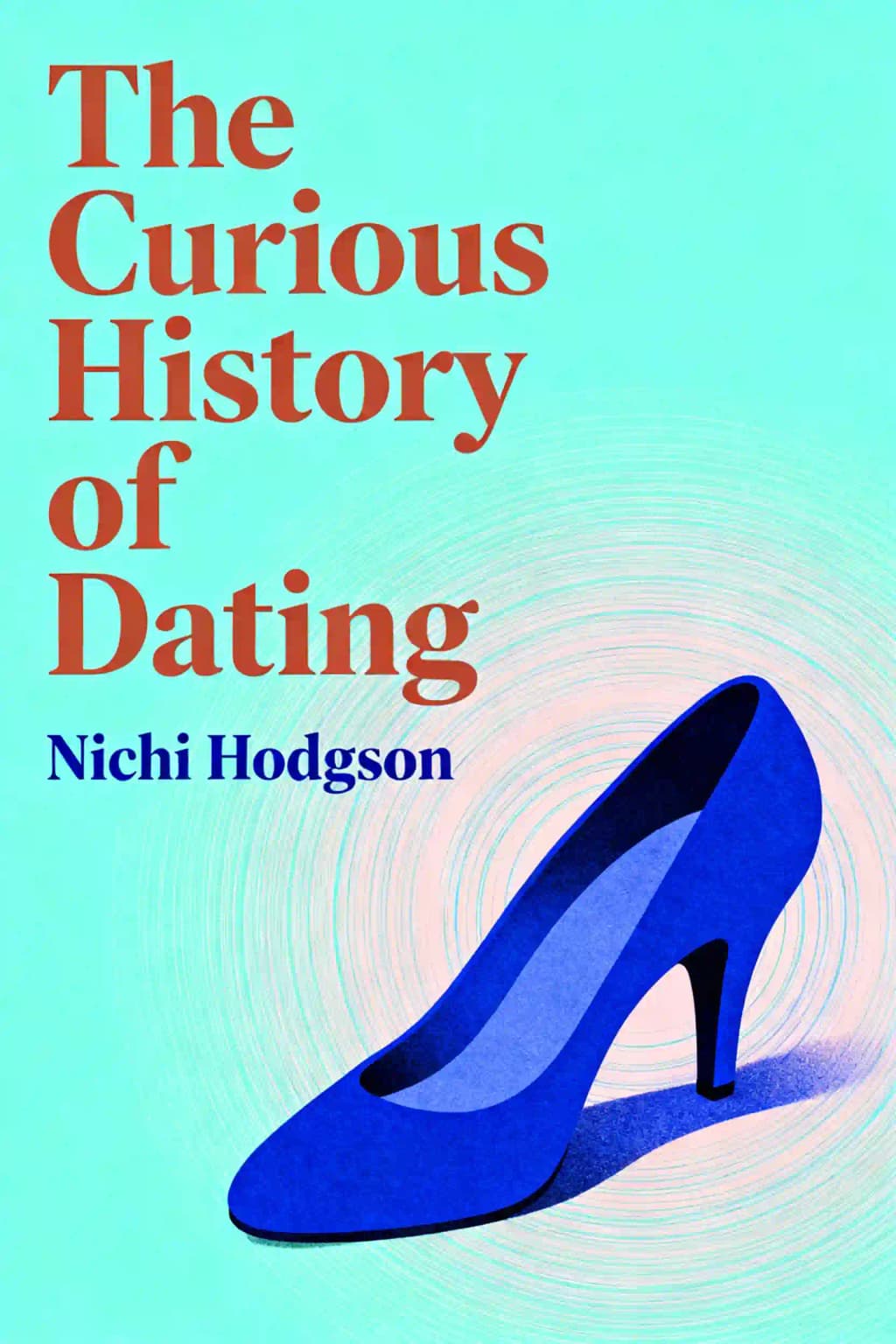
From Queen Victoria's romance to Tinder swipes, "The Curious History of Dating" reveals how courtship evolved over three centuries. Did you know Valentine's cards exploded from 60,000 to 400,000 in just four years? Discover the fascinating social codes that shaped modern love.
Nichi Hodgson, author of The Curious History of Dating: From Jane Austen to Tinder, is a British journalist, broadcaster, and relationships expert specializing in gender dynamics and societal norms.
Blending historical analysis with contemporary insights, her work delves into how love and courtship have evolved alongside legal, technological, and cultural shifts.
A former sex columnist for Men’s Health and contributor to The Guardian and BBC Radio, Hodgson brings firsthand experience from her bestselling memoir Bound to You, which chronicled her time as a professional dominatrix.
Her expertise extends to media commentary, with regular appearances on Sky News and BBC programs discussing sexuality, civil liberties, and digital dating culture. The Curious History of Dating has been recognized for its fresh feminist perspective on romantic traditions, featured in publications like The Sunday Times as essential reading for understanding modern relationships.
The Curious History of Dating explores the evolution of romantic relationships from the 1700s to modern dating apps, examining how laws, technology, and societal norms shaped courtship. Nichi Hodgson traces shifts in gender dynamics, class barriers, and LGBTQ+ experiences, blending historical analysis with feminist insights. The book highlights pivotal moments like Victorian-era matchmaking, wartime romances, and the rise of Tinder.
This book suits history enthusiasts, sociology students, and anyone curious about dating’s cultural roots. Feminists, LGBTQ+ advocates, and readers interested in relationships will appreciate its analysis of power structures and societal change. Hodgson’s witty tone makes it accessible for casual readers and academics alike.
Yes—Hodgson combines rigorous research with engaging storytelling, revealing surprising anecdotes (like Georgian-era “sex guides” and WWII-era “kissing competitions”). It challenges assumptions about historical prudishness and offers context for modern dating struggles. Critics note some sections could delve deeper, but its breadth remains a strength.
WWI introduced British women to American soldiers, fostering cross-cultural relationships and shifting perceptions of premarital intimacy. WWII’s upheaval normalized casual dating and accelerated women’s independence, as rationing and wartime jobs reshaped social interactions. These conflicts laid groundwork for postwar sexual liberation movements.
From 17th-century newspaper personal ads (enabled by the 1662 Licensing Act’s repeal) to 1960s telephone dating lines, technology expanded romantic possibilities. Hodgson argues apps like Tinder democratized access but intensified commodification of relationships, mirroring patterns seen in earlier innovations like photography and automobiles.
Hodgson documents covert LGBTQ+ networks, like Victorian “molly houses” and 20th-century classified ads in coded language. She highlights how legal persecution forced creativity in communication, contrasting it with today’s app-driven visibility. The analysis underscores ongoing struggles for acceptance across eras.
The book critiques systemic sexism, such as 18th-century “breach of promise” lawsuits that penalized women for broken engagements. It also examines class-based exclusion in matchmaking and racial biases in interwar “eugenic dating” trends. Hodgson ties these to modern issues like algorithmic bias in apps.
Examples include 1848 matchmaking ledgers separating client photos from personality details, 1920s etiquette manuals warning against “motorcar dates,” and 1980s video dating tapes. These artifacts reveal how each era’s media shaped romantic ideals—a theme Hodgson extends to digital profiles.
Austen’s novels reflect 19th-century courtship’s focus on wealth and social standing, mirroring The Times’ early personal ads. Hodgson contrasts this with Austen’s subversive heroines, arguing they laid groundwork for feminist critiques of marriage-as-transaction still relevant today.
Ghosting and “situationships” mirror 18th-century “leading someone on” via unanswered love letters, while apps echo Victorian matchmaking agencies’ commodification. Hodgson warns that convenience often sacrifices depth, urging readers to learn from history’s emphasis on intentional connection.
Indirectly—by showing how past generations navigated constraints, she advocates questioning norms (e.g., prioritizing emotional intimacy over algorithm-driven matches). The book encourages leveraging modern freedoms while avoiding historical pitfalls like status-obsessed courtship.
Unlike purely anthropological studies, Hodgson’s feminist lens and focus on British culture provide niche depth. It complements Moira Weigel’s Labor of Love (US-focused economics) or Stephanie Coontz’s Marriage, a History (global institutional analysis) by emphasizing individual agency and subcultures.
저자의 목소리로 책을 느껴보세요
지식을 흥미롭고 예시가 풍부한 인사이트로 전환
핵심 아이디어를 빠르게 캡처하여 신속하게 학습
재미있고 매력적인 방식으로 책을 즐기세요
Marriage itself required either banns read in church or a special license.
Gentlemen left their cards with servants, and ladies had the power to return them or not.
Valentine's sending became a national obsession.
Bicycles became the Victorian "New Woman's" emancipation tool.
Curious History of Dating의 핵심 아이디어를 이해하기 쉬운 포인트로 분해하여 혁신적인 팀이 어떻게 창조하고, 협력하고, 성장하는지 이해합니다.
Curious History of Dating을 빠른 기억 단서로 압축하여 솔직함, 팀워크, 창의적 회복력의 핵심 원칙을 강조합니다.

생생한 스토리텔링을 통해 Curious History of Dating을 경험하고, 혁신 교훈을 기억에 남고 적용할 수 있는 순간으로 바꿉니다.
무엇이든 물어보고, 목소리를 선택하고, 진정으로 공감되는 인사이트를 함께 만들어보세요.

샌프란시스코에서 컬럼비아 대학교 동문들이 만들었습니다
"Instead of endless scrolling, I just hit play on BeFreed. It saves me so much time."
"I never knew where to start with nonfiction—BeFreed’s book lists turned into podcasts gave me a clear path."
"Perfect balance between learning and entertainment. Finished ‘Thinking, Fast and Slow’ on my commute this week."
"Crazy how much I learned while walking the dog. BeFreed = small habits → big gains."
"Reading used to feel like a chore. Now it’s just part of my lifestyle."
"Feels effortless compared to reading. I’ve finished 6 books this month already."
"BeFreed turned my guilty doomscrolling into something that feels productive and inspiring."
"BeFreed turned my commute into learning time. 20-min podcasts are perfect for finishing books I never had time for."
"BeFreed replaced my podcast queue. Imagine Spotify for books — that’s it. 🙌"
"It is great for me to learn something from the book without reading it."
"The themed book list podcasts help me connect ideas across authors—like a guided audio journey."
"Makes me feel smarter every time before going to work"
샌프란시스코에서 컬럼비아 대학교 동문들이 만들었습니다

Curious History of Dating 요약을 무료 PDF 또는 EPUB으로 받으세요. 인쇄하거나 오프라인에서 언제든 읽을 수 있습니다.
Dating hasn't always meant swiping right or sliding into DMs. Throughout history, the quest for love has reflected society's evolving values around gender, class, and sexuality. In Georgian England, fan language allowed women to communicate romantic interest through subtle movements-a fan drawn across the cheek meant "I love you," while twirling it in the left hand signaled "we are being watched." Victorian calling cards functioned as the original dating profiles, with gentlemen leaving their cards with servants, hoping ladies would return the gesture. Each era created its own romantic rituals, from chaperoned tea parties to wartime dance halls where "khaki fever" swept young women off their feet. These practices weren't merely quaint customs-they were sophisticated social systems that revealed power dynamics between genders, classes, and races. The journey from elaborately coded Victorian courtship to today's direct digital connections tells us as much about our changing society as it does about the timeless human desire for connection.