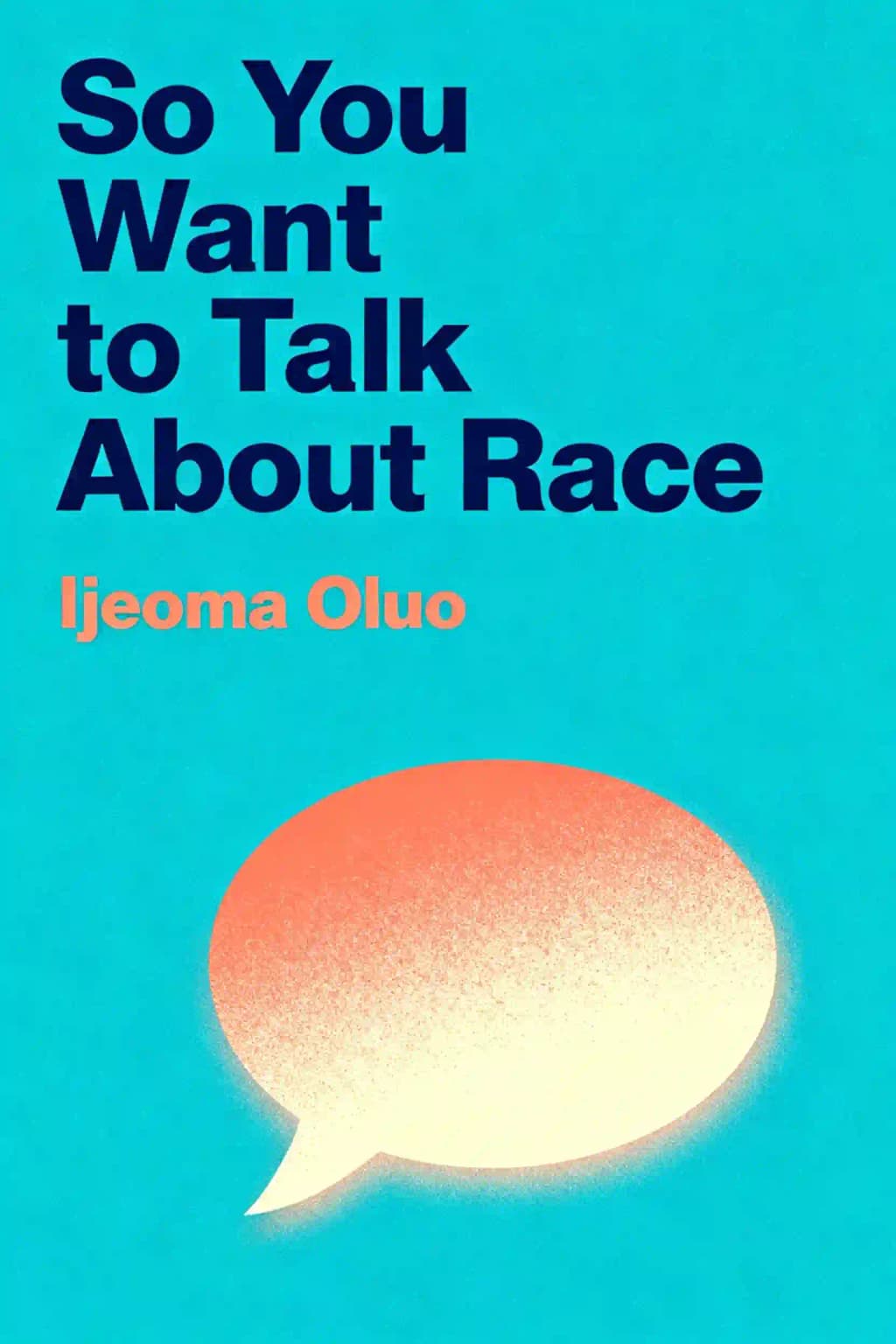
Ijeoma Oluo's #1 NYT bestseller confronts America's racial divide with unflinching clarity. Endorsed by Phoebe Robinson as "a necessary voice for these times," this guide transforms difficult conversations into bridges of understanding. What privilege are you overlooking in your own life?
Ijeoma Oluo, author of the #1 New York Times bestseller So You Want to Talk About Race, is a leading voice on racial justice and intersectional feminism.
A biracial writer and speaker with a political science degree from Western Washington University, Oluo began her career in tech before shifting to social commentary after the 2012 killing of Trayvon Martin. Her work—featured in The Guardian, The New York Times, and The Washington Post—combines personal experience with incisive analysis of systemic racism, privilege, and inequality.
As editor-at-large for The Establishment, she amplifies marginalized perspectives. Oluo’s acclaimed follow-up, Mediocre: The Dangerous Legacy of White Male America, examines historical roots of white male supremacy.
Recognized on TIME’s 100 Next list and twice named to The Root’s 100 Most Influential Americans, she received the 2018 Feminist Humanist Award and 2020 Harvard Humanist of the Year honors. So You Want to Talk About Race has become an essential resource worldwide, with translations in over 20 languages.
So You Want to Talk About Race examines systemic racism in contemporary America through chapters framed as critical questions, such as “What is cultural appropriation?” and “Why can’t I touch your hair?” Oluo combines personal anecdotes, statistics, and actionable advice to address topics like police brutality, microaggressions, and intersectionality. The book emphasizes open dialogue as a tool for dismantling institutional inequities while offering practical steps for productive conversations about race.
This book is essential for anyone seeking to understand racial dynamics, including white allies, educators, activists, and workplaces aiming to foster inclusive environments. Oluo writes accessibly for readers at all knowledge levels, whether new to anti-racism or seeking deeper insights into systemic oppression. It’s particularly valuable for those committed to addressing racial bias in personal, professional, or community settings.
Yes—it’s a New York Times bestseller praised for its clarity and urgency. Oluo’s blend of personal storytelling, data, and direct guidance makes complex concepts approachable. The book has been widely recommended for its actionable frameworks, such as navigating defensive reactions during race-related conversations and identifying everyday microaggressions.
Oluo argues that racism in America is systemic, embedded in institutions like policing, education, and employment. She challenges readers to move beyond individual guilt and focus on dismantling structures that perpetuate inequality. Key themes include the harm of microaggressions, the necessity of affirmative action, and the inappropriateness of racial slurs—even when used ironically by white people.
Oluo defines cultural appropriation as using elements of a marginalized culture without permission or respect, often for profit or trendiness. She explains how it reinforces power imbalances and erases cultural significance, offering guidelines for avoiding harm, such as crediting origins and amplifying marginalized voices instead of appropriating their practices.
The book describes microaggressions as subtle, cumulative acts of discrimination that perpetuate racial trauma. Oluo provides examples like backhanded compliments (“You’re so articulate”) or unwarranted suspicion in stores. She advises addressing them directly and emphasizes the importance of listening to marginalized experiences without defensiveness.
As a Black, queer woman raised by a white single mother in Seattle, Oluo draws on her experiences navigating systemic barriers and parenting mixed-race sons. Her candid stories—like facing workplace discrimination or advocating for her children in schools—ground the book’s analysis in real-world struggles, adding emotional resonance to its arguments.
Oluo explains how systemic biases in education—such as harsher discipline for Black students—push marginalized youth into the criminal justice system. She links this to underfunded schools, racial stereotypes, and zero-tolerance policies, urging reforms like trauma-informed teaching and equitable resource allocation.
Oluo asserts that racial slurs like the n-word are inseparable from their violent histories, and white people using them—even ironically—reinforces oppression. She argues that reclaiming such terms is a right reserved for affected communities, and allies must respect this boundary to avoid perpetuating harm.
Oluo highlights how race intersects with gender, class, and sexuality to create layered inequalities. For example, Black women face both misogyny and racism in workplaces, while LGBTQ+ people of color endure heightened violence. The book urges readers to consider these overlapping identities in activism and policy-making.
Some critics argue the book focuses heavily on American contexts, limiting its global applicability. Others note it prioritizes dialogue over structural solutions, though Oluo clarifies that conversations are a starting point for systemic change. A few readers find its tone confrontational, but many praise its directness as necessary for tackling uncomfortable truths.
The book provides frameworks for addressing racial bias in hiring, promotions, and team dynamics. Oluo advises acknowledging privilege, creating safe spaces for feedback, and implementing accountability measures. Its examples of microaggressions and systemic barriers make it a practical resource for HR professionals and managers.
Despite progress, racial disparities persist in policing, healthcare, and education. Oluo’s analysis of systemic inequities remains critical for understanding ongoing challenges like AI bias, economic gaps, and voter suppression. The book’s emphasis on sustained dialogue and action aligns with contemporary movements for racial justice.
저자의 목소리로 책을 느껴보세요
지식을 흥미롭고 예시가 풍부한 인사이트로 전환
핵심 아이디어를 빠르게 캡처하여 신속하게 학습
재미있고 매력적인 방식으로 책을 즐기세요
When we ask people of color to do emotional labor for us, we are asking them to sacrifice their well-being for our education.
She couldn't stay quiet anymore.
Racism exists to exclude people of color from opportunity.
If people of color think it's about race, we need to listen.
So You Want to Talk About Race의 핵심 아이디어를 이해하기 쉬운 포인트로 분해하여 혁신적인 팀이 어떻게 창조하고, 협력하고, 성장하는지 이해합니다.
So You Want to Talk About Race을 빠른 기억 단서로 압축하여 솔직함, 팀워크, 창의적 회복력의 핵심 원칙을 강조합니다.

생생한 스토리텔링을 통해 So You Want to Talk About Race을 경험하고, 혁신 교훈을 기억에 남고 적용할 수 있는 순간으로 바꿉니다.
무엇이든 물어보고, 목소리를 선택하고, 진정으로 공감되는 인사이트를 함께 만들어보세요.

샌프란시스코에서 컬럼비아 대학교 동문들이 만들었습니다
"Instead of endless scrolling, I just hit play on BeFreed. It saves me so much time."
"I never knew where to start with nonfiction—BeFreed’s book lists turned into podcasts gave me a clear path."
"Perfect balance between learning and entertainment. Finished ‘Thinking, Fast and Slow’ on my commute this week."
"Crazy how much I learned while walking the dog. BeFreed = small habits → big gains."
"Reading used to feel like a chore. Now it’s just part of my lifestyle."
"Feels effortless compared to reading. I’ve finished 6 books this month already."
"BeFreed turned my guilty doomscrolling into something that feels productive and inspiring."
"BeFreed turned my commute into learning time. 20-min podcasts are perfect for finishing books I never had time for."
"BeFreed replaced my podcast queue. Imagine Spotify for books — that’s it. 🙌"
"It is great for me to learn something from the book without reading it."
"The themed book list podcasts help me connect ideas across authors—like a guided audio journey."
"Makes me feel smarter every time before going to work"
샌프란시스코에서 컬럼비아 대학교 동문들이 만들었습니다

So You Want to Talk About Race 요약을 무료 PDF 또는 EPUB으로 받으세요. 인쇄하거나 오프라인에서 언제든 읽을 수 있습니다.
Race in America isn't just a topic of discussion-it's a lived reality that shapes every aspect of daily life. For people of color, race determines how they're treated in stores, workplaces, schools, and streets. It influences everything from healthcare outcomes to housing opportunities. The gap between white and non-white experiences isn't just a gap-it's a chasm deep enough to swallow entire solar systems. Race was invented to justify slavery and genocide, designating certain people as less than human. Though race has no scientific basis, it has become as real in our society as money-woven into every aspect of our lives. When we try to avoid these conversations, we perpetuate the very systems that cause harm. The promise that "you will get more because they exist to get less" permeates our politics, education, and infrastructure. Even in progressive movements, marginalized concerns are often treated as divisive distractions. At some point, staying silent becomes impossible. The accumulated weight of microaggressions, systemic barriers, and everyday indignities demands to be addressed. That moment when you can no longer laugh off racist jokes or politely ignore discrimination-that's when real conversation begins.
