

Safe People 개요
In "Safe People," Cloud and Townsend reveal the hidden patterns destroying your relationships. Financial expert Patrice Washington credits this guide for redefining her wealth beyond money. Ever wonder why you attract toxic people? Discover how to identify red flags before they break your heart.
- Unsafe people often abandon, criticize, or act irresponsibly—learn to spot these red flags early.
- Safe people help you grow closer to God, others, and your true self—Cloud and Townsend’s relational triad.
- Givers build others up; takers manipulate for personal gain—prioritize selfless relationships for emotional well-being.
- Isolation perpetuates harmful patterns; safe connections break cycles of relational dysfunction.
- Forgiving unsafe people frees you, but boundaries protect you from recurring harm.
- Jesus modeled safe relationships through presence, grace, and truth—the ultimate template for connection.
- Diagnose unsafe traits: inability to admit fault, lack of empathy, or chronic negativity.
- Becoming a safe person requires humility, accountability, and commitment to others’ growth.
- Toxic relationships often stem from unmet childhood needs—heal patterns to attract healthier bonds.
- Spot spiritual safety: do interactions draw you toward love or feed fear/guilt?
- Safe communities foster transformation; unsafe environments perpetuate stagnation and emotional harm.
- Repairing damaged relationships beats abandonment—when both parties commit to mutual growth.
Safe People의 저자 소개
Henry Cloud and John Townsend are clinical psychologists and bestselling authors of Safe People, renowned for their expertise in relationship dynamics and personal growth. They are co-founders of Cloud-Townsend Resources.
They blend psychological insights with faith-based principles, drawing from decades of clinical practice in Newport Beach, California. Their seminal work, Boundaries: When to Say Yes, How to Say No, revolutionized Christian self-help literature, selling over 5 million copies and spawning a five-book series.
Both hold PhDs in clinical psychology—Cloud from Biola University and Townsend from Fuller Theological Seminary—and have authored influential titles like Boundaries in Dating, Trust, and Changes That Heal.
Their collaborative works emphasize emotional health, assertiveness, and navigating toxic relationships, resonating with readers seeking practical tools for spiritual and psychological well-being. The Boundaries series remains a staple in counseling and church communities, translated into multiple languages and featured on the New York Times bestseller list for over a decade.
Safe People에 대한 자주 묻는 질문
What is Safe People by Henry Cloud about?
Safe People by Drs. Henry Cloud and John Townsend teaches readers to identify toxic individuals (“unsafe people”) and build relationships with those who foster trust and growth. It outlines 20 traits of harmful individuals, such as abandonment tendencies, criticism, and irresponsibility, while emphasizing biblical principles and practical steps to cultivate healthy connections.
Who should read Safe People?
This book is ideal for anyone struggling with recurring toxic relationships, Christians seeking faith-aligned friendships, or individuals aiming to improve relational boundaries. It’s also valuable for those recovering from manipulation, loneliness, or emotional abuse.
Is Safe People worth reading?
Yes—Safe People provides actionable advice for breaking destructive relationship patterns, backed by psychological insights and biblical wisdom. Its focus on self-awareness and boundary-setting makes it a standout guide for personal and spiritual growth.
What are the traits of unsafe people?
Unsafe people are often judgmental, unreliable, self-centered, or resistant to accountability. They may manipulate, gaslight, or fail to respect boundaries, leading to emotional harm.
How can Safe People help create safe relationships?
The book advocates for mutual trust, vulnerability, and clear communication. It stresses setting boundaries, addressing conflicts healthily, and prioritizing relationships where both parties encourage accountability and growth.
What causes unsafe behavior in relationships?
Unsafe behaviors often stem from childhood trauma, lack of emotional maturity, or unresolved insecurities. The authors link these patterns to poor role models or unmet developmental needs.
Safe vs. unsafe people: What’s the difference?
Safe people offer empathy, honesty, and consistency, while unsafe people drain energy through criticism, unpredictability, or exploitation. Safe relationships foster security; unsafe ones perpetuate dysfunction.
Are there criticisms of Safe People?
Some readers find its heavy reliance on Christian theology limiting for secular audiences. Others note it focuses more on identification than actionable recovery strategies.
How does Safe People compare to Boundaries?
Both books by Cloud and Townsend address relational health, but Boundaries focuses on personal limits, while Safe People targets how to evaluate others’ trustworthiness.
Can Safe People improve workplace relationships?
Yes—its principles apply to professional settings, helping readers identify toxic colleagues, set work-life boundaries, and collaborate with supportive peers.
What are notable quotes from Safe People?
“Isolation keeps us from getting what we need most: relationships with safe people.” This highlights the danger of self-protective withdrawal and the need for intentional connection.
How can I become a safe person?
Practice active listening, respect others’ boundaries, and take responsibility for mistakes. The authors emphasize self-reflection and seeking feedback to build relational safety.
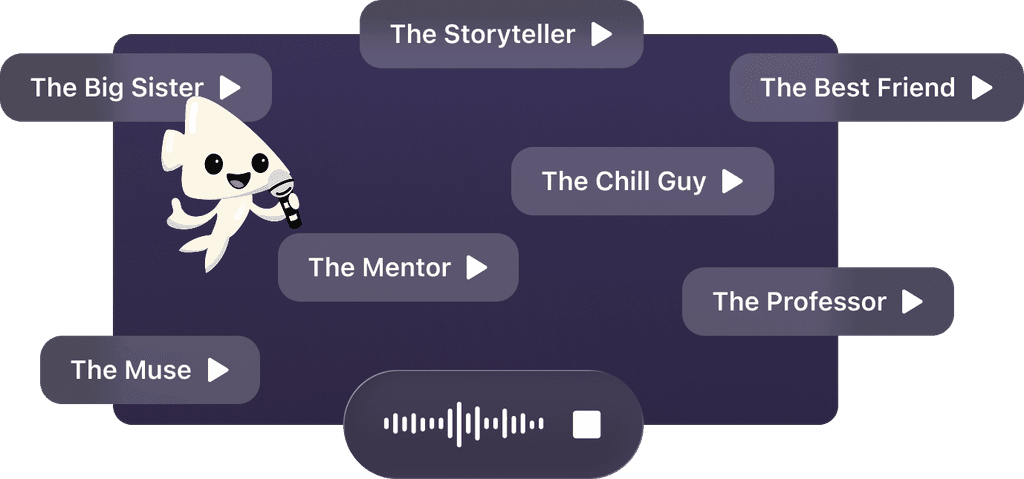
저자의 목소리로 책을 느껴보세요
지식을 흥미롭고 예시가 풍부한 인사이트로 전환
핵심 아이디어를 빠르게 캡처하여 신속하게 학습
재미있고 매력적인 방식으로 책을 즐기세요
Safe People의 등장인물
- Dr. Henry CloudCo-author and psychologist
- Dr. John TownsendCo-author and psychologist
- JohnCase study subject who dated an unsafe partner
- KarenCase study subject illustrating unsafe traits
- DonnaCase study subject who avoided accountability
Safe People의 핵심 주제
- character discernment
- interpersonal boundaries
- relational safety
- trust assessment
- emotional vulnerability
Safe People의 명언
The problem isn't our need for connection—that's God-ordained.
Self-righteousness creates an 'I'm better than you' dynamic.
Forgiveness is the glue of love.
No relationship can truly flourish when built on deception.
Beware those who exclusively praise you.
나만의 학습 방법 탐색하기
 빠른 요약 모드
Safe People 요약을 9분 만에 읽거나 듣기
Safe People의 핵심 아이디어를 이해하기 쉬운 포인트로 분해하여 혁신적인 팀이 어떻게 창조하고, 협력하고, 성장하는지 이해합니다.

 재미있게 모드
Safe People의 교훈을 25분 스토리로
생생한 스토리텔링을 통해 Safe People을 경험하고, 혁신 교훈을 기억에 남고 적용할 수 있는 순간으로 바꿉니다.
 개인화 모드
Safe People을 나만의 학습 스타일로 경험하기
무엇이든 묻고, 학습 스타일을 선택하고, 나에게 맞는 인사이트를 함께 만들어보세요.
샌프란시스코에서 컬럼비아 대학교 동문들이 만들었습니다
"Instead of endless scrolling, I just hit play on BeFreed. It saves me so much time."


"I never knew where to start with nonfiction—BeFreed’s book lists turned into podcasts gave me a clear path."


"Perfect balance between learning and entertainment. Finished ‘Thinking, Fast and Slow’ on my commute this week."
"Crazy how much I learned while walking the dog. BeFreed = small habits → big gains."
"Reading used to feel like a chore. Now it’s just part of my lifestyle."

"Feels effortless compared to reading. I’ve finished 6 books this month already."
"BeFreed turned my guilty doomscrolling into something that feels productive and inspiring."

"BeFreed turned my commute into learning time. 20-min podcasts are perfect for finishing books I never had time for."
"BeFreed replaced my podcast queue. Imagine Spotify for books — that’s it. 🙌"

"It is great for me to learn something from the book without reading it."
"The themed book list podcasts help me connect ideas across authors—like a guided audio journey."
"Makes me feel smarter every time before going to work"
샌프란시스코에서 컬럼비아 대학교 동문들이 만들었습니다
"Instead of endless scrolling, I just hit play on BeFreed. It saves me so much time."
"I never knew where to start with nonfiction—BeFreed’s book lists turned into podcasts gave me a clear path."
"Perfect balance between learning and entertainment. Finished ‘Thinking, Fast and Slow’ on my commute this week."
"Crazy how much I learned while walking the dog. BeFreed = small habits → big gains."
"Reading used to feel like a chore. Now it’s just part of my lifestyle."
"Feels effortless compared to reading. I’ve finished 6 books this month already."
"BeFreed turned my guilty doomscrolling into something that feels productive and inspiring."
"BeFreed turned my commute into learning time. 20-min podcasts are perfect for finishing books I never had time for."
"BeFreed replaced my podcast queue. Imagine Spotify for books — that’s it. 🙌"
"It is great for me to learn something from the book without reading it."
"The themed book list podcasts help me connect ideas across authors—like a guided audio journey."
"Makes me feel smarter every time before going to work"
"Instead of endless scrolling, I just hit play on BeFreed. It saves me so much time."
"I never knew where to start with nonfiction—BeFreed’s book lists turned into podcasts gave me a clear path."
"Perfect balance between learning and entertainment. Finished ‘Thinking, Fast and Slow’ on my commute this week."
"Crazy how much I learned while walking the dog. BeFreed = small habits → big gains."
"Reading used to feel like a chore. Now it’s just part of my lifestyle."
"Feels effortless compared to reading. I’ve finished 6 books this month already."
"BeFreed turned my guilty doomscrolling into something that feels productive and inspiring."
"BeFreed turned my commute into learning time. 20-min podcasts are perfect for finishing books I never had time for."
"BeFreed replaced my podcast queue. Imagine Spotify for books — that’s it. 🙌"
"It is great for me to learn something from the book without reading it."
"The themed book list podcasts help me connect ideas across authors—like a guided audio journey."
"Makes me feel smarter every time before going to work"
"Instead of endless scrolling, I just hit play on BeFreed. It saves me so much time."
"I never knew where to start with nonfiction—BeFreed’s book lists turned into podcasts gave me a clear path."
"Perfect balance between learning and entertainment. Finished ‘Thinking, Fast and Slow’ on my commute this week."
"Crazy how much I learned while walking the dog. BeFreed = small habits → big gains."
"Reading used to feel like a chore. Now it’s just part of my lifestyle."
"Feels effortless compared to reading. I’ve finished 6 books this month already."
"BeFreed turned my guilty doomscrolling into something that feels productive and inspiring."
"BeFreed turned my commute into learning time. 20-min podcasts are perfect for finishing books I never had time for."
"BeFreed replaced my podcast queue. Imagine Spotify for books — that’s it. 🙌"
"It is great for me to learn something from the book without reading it."
"The themed book list podcasts help me connect ideas across authors—like a guided audio journey."
"Makes me feel smarter every time before going to work"

Safe People 요약 다운로드
Safe People 요약을 무료 PDF 또는 EPUB으로 받으세요. 인쇄하거나 오프라인에서 언제든 읽을 수 있습니다.


