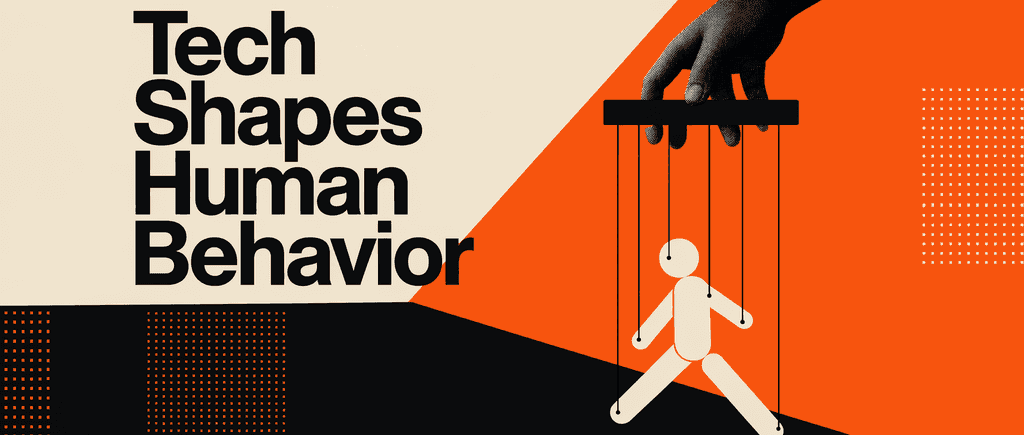
In "Reclaiming Conversation," Sherry Turkle reveals how our digital obsession decimates empathy - college students show 40% less. When Stephen Colbert asked if online connections equal meaningful conversation, Turkle's emphatic "NO" sparked a cultural reckoning about technology's true cost.
Sherry Turkle, acclaimed author of Reclaiming Conversation: The Power of Talk in a Digital Age, is a sociologist, clinical psychologist, and MIT professor specializing in human-technology interaction. As the Abby Rockefeller Mauzé Professor of the Social Studies of Science and Technology, she founded MIT’s Initiative on Technology and Self, where her research explores how digital communication reshapes empathy, creativity, and relationships.
A Harvard-trained expert with degrees in sociology and personality psychology, Turkle’s work bridges academic rigor and public discourse, including her influential TED Talks and frequent features in The New York Times.
Her prior bestselling books, such as Alone Together: Why We Expect More from Technology and Less from Each Other and The Second Self: Computers and the Human Spirit, established her as a leading voice on technology’s psychological impacts. Reclaiming Conversation, a New York Times bestseller, builds on decades of fieldwork to argue for face-to-face dialogue in an age of distraction. Translated into over 20 languages, Turkle’s works are staples in academic curricula and tech-industry ethics discussions worldwide.
Reclaiming Conversation examines how digital communication erodes face-to-face dialogue, undermining empathy, creativity, and productivity. Sherry Turkle argues that constant connectivity fosters superficial interactions, urging readers to prioritize mindful tech use to rebuild meaningful human connections. The book combines research from psychology, education, and workplace studies to advocate for a return to authentic conversation as foundational to personal and societal well-being.
This book is essential for parents, educators, business leaders, and anyone concerned about technology’s impact on relationships. It offers actionable insights for fostering deeper connections in families, classrooms, and workplaces. Turkle’s research also appeals to psychology enthusiasts and professionals interested in the intersection of technology and human behavior.
Yes—it’s a New York Times bestseller praised for its rigorous research and timely critique of digital culture. Jonathan Franzen called it “powerful” for its psychological acuity, making it a vital resource for understanding how to balance technology with human interaction. Readers gain practical strategies to combat digital overload while preserving empathy and focus.
Key themes include:
Turkle criticizes “continuous partial attention” in meetings and emails, which stifles collaboration and innovation. She advocates for tech-free zones to encourage focused discussions and cites companies that boosted productivity by limiting digital interruptions.
Turkle uses three chairs as a metaphor for spaces requiring undistracted presence: family conversations, classroom learning, and workplace collaboration. Each “chair” represents environments where digital intrusions degrade trust and intellectual depth.
It builds on her 2011 book Alone Together, which warned about emotional isolation in a hyperconnected world. Reclaiming Conversation shifts from diagnosis to solutions, emphasizing conversation’s role in restoring empathy and creativity.
Some argue Turkle overidealizes pre-digital communication, underestimating tech’s benefits for marginalized groups. Others note her focus on affluent, educated demographics, though her research includes diverse case studies.
Turkle advises parents to model device-free time, create “sacred spaces” for family talks (e.g., dinners), and resist using tablets as “emotional pacifiers” for children. These practices help kids develop empathy and patience.
As AI and virtual communication tools dominate, Turkle’s warnings about empathy erosion remain urgent. The book provides a framework for navigating AI-driven workplaces and social platforms without sacrificing human connection.
Turkle describes solitude as a state of self-reflection without external stimulation. It’s not loneliness but a mental space where creativity and empathy develop, making it essential for meaningful conversations.
저자의 목소리로 책을 느껴보세요
지식을 흥미롭고 예시가 풍부한 인사이트로 전환
핵심 아이디어를 빠르게 캡처하여 신속하게 학습
재미있고 매력적인 방식으로 책을 즐기세요
Technology proposes itself as the architect of our intimacies.
Technology makes it easy to communicate when we wish and to disengage at will.
We expect more from technology and less from each other.
I share, therefore I am.
Reclaiming Conversation의 핵심 아이디어를 이해하기 쉬운 포인트로 분해하여 혁신적인 팀이 어떻게 창조하고, 협력하고, 성장하는지 이해합니다.
Reclaiming Conversation을 빠른 기억 단서로 압축하여 솔직함, 팀워크, 창의적 회복력의 핵심 원칙을 강조합니다.

생생한 스토리텔링을 통해 Reclaiming Conversation을 경험하고, 혁신 교훈을 기억에 남고 적용할 수 있는 순간으로 바꿉니다.
무엇이든 물어보고, 목소리를 선택하고, 진정으로 공감되는 인사이트를 함께 만들어보세요.

샌프란시스코에서 컬럼비아 대학교 동문들이 만들었습니다
"Instead of endless scrolling, I just hit play on BeFreed. It saves me so much time."
"I never knew where to start with nonfiction—BeFreed’s book lists turned into podcasts gave me a clear path."
"Perfect balance between learning and entertainment. Finished ‘Thinking, Fast and Slow’ on my commute this week."
"Crazy how much I learned while walking the dog. BeFreed = small habits → big gains."
"Reading used to feel like a chore. Now it’s just part of my lifestyle."
"Feels effortless compared to reading. I’ve finished 6 books this month already."
"BeFreed turned my guilty doomscrolling into something that feels productive and inspiring."
"BeFreed turned my commute into learning time. 20-min podcasts are perfect for finishing books I never had time for."
"BeFreed replaced my podcast queue. Imagine Spotify for books — that’s it. 🙌"
"It is great for me to learn something from the book without reading it."
"The themed book list podcasts help me connect ideas across authors—like a guided audio journey."
"Makes me feel smarter every time before going to work"
샌프란시스코에서 컬럼비아 대학교 동문들이 만들었습니다

Reclaiming Conversation 요약을 무료 PDF 또는 EPUB으로 받으세요. 인쇄하거나 오프라인에서 언제든 읽을 수 있습니다.
In a world where we're constantly "connected," we've never been more alone. Our phones, designed to bring us together, have ironically driven us apart. We text during dinner, check email during meetings, and scroll through social media while our children try to tell us about their day. This digital disconnect has created what MIT professor Sherry Turkle calls a crisis of conversation-and with it, a crisis of empathy. Teachers report alarming trends: middle schoolers forming only superficial friendships, twelve-year-olds with the emotional intelligence of eight-year-olds, and students who can't recognize when they've hurt someone's feelings. What happens when we replace eye contact with screen time? When we substitute the messy unpredictability of human interaction with the controlled environment of digital communication? The consequences are profound and far-reaching, affecting everything from our capacity for self-reflection to our ability to form meaningful relationships.