1장
The Revolution of Regeneration: Unlocking Your Body's Innate Power
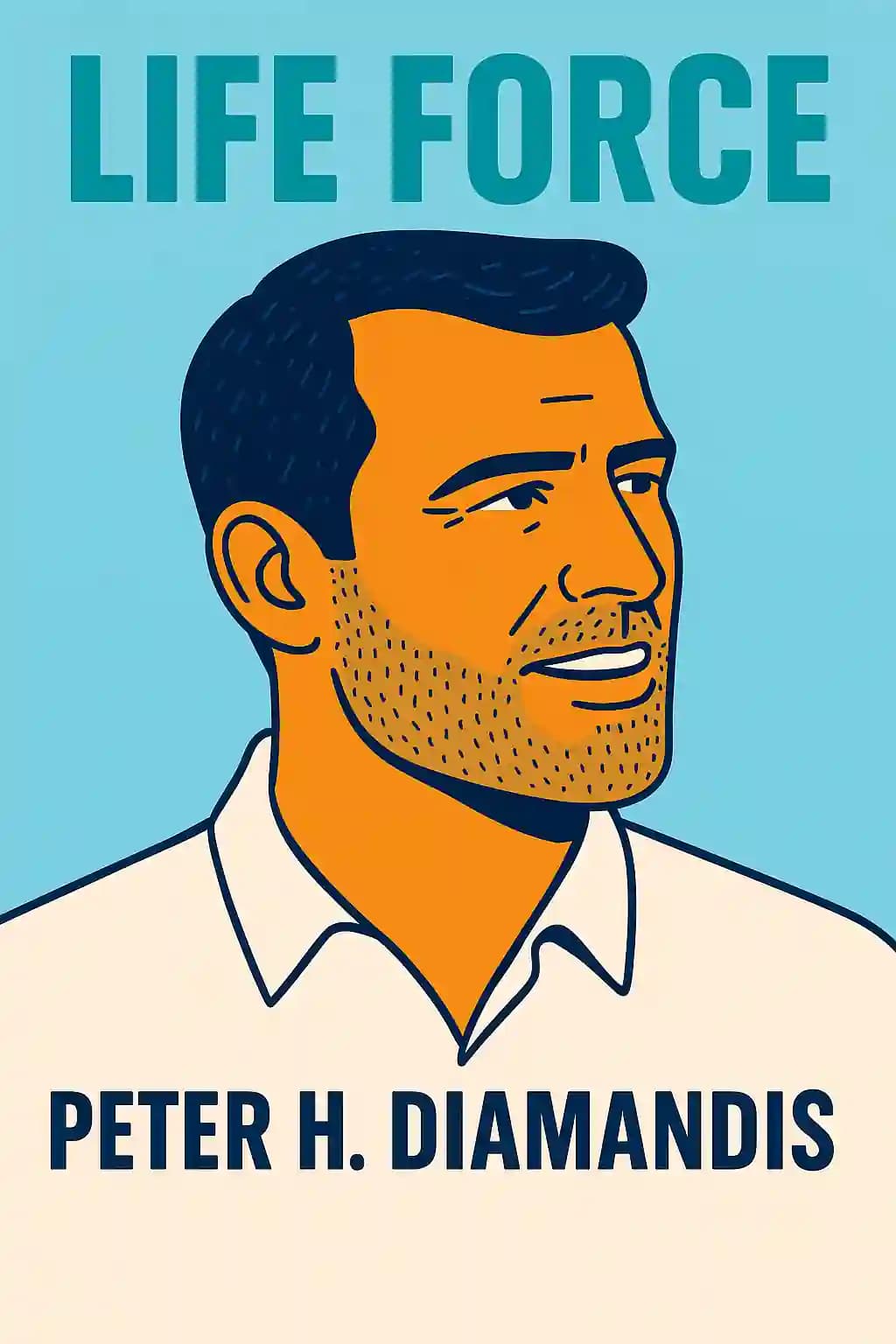
In a world where medical breakthroughs happen at lightning speed, one book has emerged as the definitive guide to the most cutting-edge health innovations of our time. "Life Force" by Peter H. Diamandis, co-written with Tony Robbins and Dr. Robert Hariri, has become a sensation among health enthusiasts and celebrities alike. Oprah Winfrey called it "a visionary look at what's possible in our lifetime," while Serena Williams praised it as "a life-changing guide to taking control of your health and well-being." The book has struck a chord in our post-pandemic world, where personal health optimization has moved from fringe interest to mainstream priority. Beyond its practical advice, it represents a fundamental shift in how we view medicine-moving from treating symptoms to unleashing the body's innate regenerative capabilities. Could we be standing at the threshold of a world where aging is optional, where damaged organs regrow, and where diseases once considered death sentences become merely manageable conditions?
2장
The Miracle of Stem Cells: Nature's Ultimate Repair System
Imagine a world where spinal cord injuries no longer mean permanent paralysis, where failing hearts regenerate, and where the blind can see again. This isn't science fiction-it's happening right now through the revolutionary power of stem cells.
At the core of this revolution is Dr. Bob Hariri, whose fascination with stem cells began in the 1980s while studying atherosclerosis. Through groundbreaking experiments swapping blood vessels between young and old mice, he discovered something remarkable: older mice receiving young blood vessels appeared to get younger-their hair thickened, muscles strengthened, and cognitive abilities improved. Meanwhile, young mice with older blood vessels deteriorated. Most significantly, damaged tissues from older mice healed rapidly inside younger animals.
This led to Hariri's revolutionary thesis: aging is fundamentally a stem cell problem-and more importantly, it could be reversible through stem cell therapies that reduce inflammation and restore youthful functionality.
His breakthrough came when he noticed his daughter's disproportionately large placenta during an ultrasound. Examining a discarded placenta, he realized it wasn't merely a vascular interface but a biological factory manufacturing pluripotent stem cells that could develop into virtually any tissue or organ. Unlike cord blood stem cells that only differentiate into blood cells, placental stem cells contain a complete set of uncorrupted DNA-like a master installation disk for the body.
The real-world impact of stem cell therapy is already transforming countless lives. Elite athletes like Tiger Woods, Rafael Nadal, and Cristiano Ronaldo have recovered from injuries without surgery in weeks rather than months. Patients with macular degeneration have stabilized their eyesight, a paralyzed young man regained use of his arms and hands, a four-year-old overcame leukemia using stem cells from his newborn sister, and a previously immobilized MS patient returned to skiing.
Tony Robbins himself experienced this transformation firsthand. After a devastating snowboarding accident tore his rotator cuff, doctors recommended surgery with a poor long-term prognosis. Instead, he received stem cell therapy using powerful 10-day-old stem cells. The results were miraculous-his shoulder healed completely without surgery, and the back pain he'd suffered for 14 years vanished entirely.
Despite these promising breakthroughs, the stem cell industry faces challenges. While properly administered cellular medicine has an excellent safety record, unregulated clinics have caused tragic outcomes. The real tragedy is the lost data from millions of stem cell "tourists" who pass through clinics without proper follow-up. To address this, Fountain Life aims to create an unassailable standard for healthspan optimization through diagnostics, performance enhancement, and regenerative treatments.
By decade's end, stem cell treatments will likely cost less than today's laptops, with smaller interventions already approaching that price point. The key is early diagnosis and prevention-experts recommend beginning stem cell treatments by age 45-50, catching problems when they're small rather than waiting until they become unmanageable.
3장
The Power of Early Detection: Finding Problems Before They Find You
Just as you need a map for any journey, you need to know your health baseline to reach your goals. Traditional annual physicals with their knee-tapping and heart-listening techniques from the 1920s are woefully inadequate compared to today's advanced diagnostic technology.
Revolutionary AI-guided coronary CT angiography from Cleerly can now differentiate between safe calcified plaque and dangerous soft plaque years before a heart attack might occur. This technology has proven life-changing-in one case, a health-conscious patient with an alarming calcium score of 1,000 was initially denied life insurance until Cleerly analysis showed no dangerous soft lesions, completely reversing the insurance company's decision.
Cancer claims over 600,000 American lives annually-1,600 people every day. The good news is that cancer death rates are falling, decreasing by about 2% annually since 2014. Early detection remains the most critical factor in survival. The revolutionary GRAIL blood test can identify over 50 different cancer types before symptoms appear, transforming diagnostics. Before GRAIL, we could only detect 20% of cancers; the other 80% went undetected until they caused problems.
The survival statistics are striking: 89% survival rate with early-stage detection versus just 21% with late-stage detection. One powerful example involves a reluctant 60-year-old tech executive who, at his wife's insistence, underwent testing at Fountain Life despite having just received a clean bill of health from his regular doctor. The full-body MRI revealed Stage 1 bladder cancer with no other symptoms. Because it was caught so early, he was completely cured with a simple outpatient procedure rather than facing bladder removal and lifelong complications.
Alzheimer's disease affects 6 million Americans, with deaths increasing 145% between 2000 and 2019. Advanced technology from Combinostics now uses AI to analyze brain MRIs, measuring 132 areas to detect early signs of Alzheimer's, pre-Alzheimer's, and Parkinson's disease. One attorney in his 50s, terrified after watching both parents die from Alzheimer's, underwent this testing along with genetic screening. The results showed he wasn't at risk, lifting an enormous psychological burden and completely transforming his outlook.
Modern blood testing has revolutionized preventive health by analyzing over 50 different biomarkers that evaluate everything from vitamin levels and glucose markers to inflammation, hormones, and heavy metals. Hormone testing is particularly valuable as levels naturally decline between ages 40-50-sometimes as early as mid-30s. This matters because hormones drive energy, vitality, strength, beauty, power, and focus.
Heavy metal testing is crucial for optimal health, as demonstrated by Tony Robbins' personal experience with severe mercury poisoning. His levels measured 123 on a scale where anything above 5 is dangerous, causing memory problems and extreme fatigue by disrupting cellular mitochondria. The culprit was his daily consumption of tuna and swordfish, which accumulate high mercury levels.
These powerful diagnostic technologies can help anticipate health challenges, provide peace of mind, and maximize physical energy. Prevention and early detection are critical-problems are much easier to solve when caught early.
4장
Turning Back Time: The Science of Age Reversal
For the first time in human history, scientists are cracking the code of aging and what can be done about it. David Sinclair, a Harvard professor and one of the world's top authorities on rejuvenation, has developed the groundbreaking "Information Theory of Aging" which proposes that aging results from corrupted biological information-like damaged code on a computer hard drive, but at the molecular level.
Most chronic diseases aren't hardwired into our genes but result from bad "information" causing genes to turn on or off incorrectly. Sinclair's revolutionary principles suggest that aging is a treatable disease, a single malady with many manifestations, and potentially reversible. At 53 chronologically, Sinclair's biological markers indicate he's about 33-demonstrating that environment and lifestyle choices matter profoundly in determining how we age.
Despite running two labs and founding numerous biotech startups, Sinclair radiates youthful energy. His rejuvenation strategy combines simple lifestyle choices with targeted supplements. He limits red meat, avoids sugar, practices intermittent fasting with just one meal daily (dinner), moderates alcohol, prioritizes eight hours of sleep, and exercises three times weekly. His supplement regimen includes vitamin D3 and K2, resveratrol (a gram daily with yogurt for proper absorption), metformin (a diabetes medication that may have far-reaching benefits for non-diabetics), and NMN (nicotinamide mononucleotide), which converts to NAD+, a critical cellular energy regulator that diminishes with age.
Our quality of life is fundamentally determined by our cellular health. At the core of cellular energy production are mitochondria-tiny powerhouses that convert nutrients into ATP, the essential "battery packs" that fuel every bodily function from muscle movement to digestion. Without ATP, there's no life.
While global life expectancy has dramatically increased from 30 years in 1800 to 73 years in 2019, quality of life hasn't kept pace. The greatest risk factor for chronic diseases isn't diet or smoking-it's aging itself. Aging increases cancer risk 500-fold compared to smoking's 5-fold increase.
Understanding aging requires knowing three key terms: genome, epigenome, and sirtuins. Your genome is the identical 6.4 billion DNA letters in every cell that code for 30,000 proteins. The epigenome is the cellular software controlling which genes turn on or off-like a pianist deciding which piano keys to play. Contrary to popular belief, genes aren't destiny-the epigenome is, determining 80% of our health outcomes.
Sirtuins are seven regulatory genes with dual critical functions: governing the epigenome and directing DNA repair. As we age and accumulate damage, sirtuins become overtaxed with repair duties and neglect epigenome regulation, causing dysregulation and "epigenetic mayhem." Sirtuins require NAD+, a molecule we lose half of by our 50s. The exciting news: unlike genetic mutations, epigenetic aging appears reversible-potentially the Holy Grail that could simultaneously address multiple age-related diseases.
Sinclair's most exciting work focuses on cellular reprogramming to alter our epigenome. His lab turned on three Yamanaka factors in mice blinded by glaucoma. Remarkably, these REVIVER mice (RecoVery of Information Via Epigenetic Reprogramming) regained their sight-the first treatment ever to reverse vision loss in a glaucoma model. Using UCLA scientist Steve Horvath's "epigenetic clock" to measure methylation, they found the mice actually grew younger biologically.
5장
The Heroes of Regenerative Medicine: Visionaries Changing the World
The coming decade will bring astonishing advances in organ regeneration, potentially giving everyone access to backup organs without waiting for donors to die. Martine Rothblatt-founder of United Therapeutics and creator of SiriusXM Radio-leads multiple revolutionary approaches to organ transplantation. As the first openly transgender CEO of a public company and one of Forbes' "100 Greatest Living Business Minds," Rothblatt exemplifies how to tackle seemingly impossible challenges.
After founding United Therapeutics and developing life-saving treatments for pulmonary hypertension, she wasn't finished. When faced with the reality that some patients still died because the medicines only slowed disease progression, she launched another moonshot: solving the organ shortage crisis.
For the million Americans with end-stage organ disease and 100,000+ on transplant waitlists, Rothblatt developed multiple parallel approaches. First, she established world-first lung restoration facilities that revive rejected "dead" organs through ex vivo lung perfusion (EVLP), saving hundreds of lives. Beyond EVLP, she's pioneering xenotransplantation with genetically-modified "humanized" pigs whose organs won't trigger rejection. A recent milestone saw the first successful pig kidney transplant into a human without immediate rejection.
Additionally, Rothblatt is developing organs built from scratch using patients' own stem cells. By stripping donor pig lungs of cells, leaving only the nonreactive collagen scaffold, then repopulating them with the patient's induced pluripotent stem cells (iPSCs), she's creating rejection-free personalized organs.
Cancer remains one of our most feared diseases, with traditional treatments often as devastating as the disease itself. Dr. Carl June has pioneered CAR T-cell therapy-a revolutionary approach using the body's own immune system rather than chemical drugs.
In summer 2010, June treated his first patient, Bill Ludwig, by infusing the patient's own genetically reprogrammed T cells back into his body to fight cancer. The treatment triggered a severe "cytokine storm" as the engineered cells attacked Ludwig's leukemia cells, nearly killing him in the process. Despite its promise, June faced enormous skepticism from the medical establishment and funding challenges.
CAR T cells are part bloodhound, part claw crane, and part hit man-genetically modified with Chimeric Antigen Receptors that detect specific cancer cell markers. A single fortified immune cell can slaughter more than a thousand tumor cells, making them "serial assassins."
Five-year-old Emily Whitehead was diagnosed with acute lymphoblastic leukemia in 2010. After two brutal rounds of chemotherapy failed and her cancer returned, she became the world's first pediatric patient to undergo CAR T-cell therapy. Though the infusion went smoothly, Emily soon developed life-threatening cytokine release syndrome. Carl June's inspiration to try tocilizumab, a drug that blocks interleukin-6, saved her life. Emily emerged from her two-week coma on her seventh birthday, and within days was cancer-free.
6장
Practical Tools for Optimal Health: What You Can Do Today
Peptides, short chains of amino acids that regulate cell division and gene expression, are emerging as powerful tools for health optimization. More than 80 peptides have FDA approval for treating various diseases, with dozens more in development. Unlike chemical drugs, peptides preserve the body's natural feedback loops and homeostasis while presenting minimal risk of serious side effects. Their targeted action and biocompatibility make them increasingly attractive for both medical treatments and preventive health strategies.
Key peptides include semaglutide, which has shown remarkable results in weight loss, reducing body weight by up to 15% in clinical trials. Thymosin alpha-1 boosts immune function by enhancing T-cell production and natural killer cell activity. PT-141 addresses sexual dysfunction in both men and women by acting on the nervous system rather than the vascular system. BPC-157, nicknamed the "wolverine peptide," accelerates healing in various tissues, including tendons, muscles, and the digestive tract. Sermorelin stimulates natural growth hormone production, supporting muscle maintenance and bone density without the risks associated with direct HGH administration. GHK-Cu demonstrates remarkable skin-regenerating properties and can increase collagen production by up to 70%. Melanotan I, beyond its tanning effects, has shown promise in reducing inflammation and protecting against UV damage.
Metformin has revolutionized both diabetes treatment and longevity research. This generic medicine, inspired by traditional use of French lilac (Galega officinalis), works through multiple mechanisms, including AMPK activation and gut microbiome modulation. Its safety profile spans over six decades, with minimal side effects when properly prescribed. Like intermittent fasting and intensive exercise, metformin creates beneficial cellular stress, activating longevity pathways and autophagy. Studies indicate metformin may reduce cancer risk by up to 40 percent, with particularly strong protection against lung, colon, pancreas, and breast cancers. It also shows promise in preventing cognitive decline and cardiovascular disease.
The 2014 Cardiff University study's findings were revolutionary - diabetics taking metformin outlived non-diabetics by 15 percent, challenging conventional wisdom about disease and longevity. Dr. Barzilai's TAME study represents the first FDA-approved research targeting aging as a treatable condition, potentially opening new regulatory pathways for anti-aging interventions.
Hormone optimization therapy (HOT) takes a more sophisticated approach than traditional HRT by considering the complex interplay between different hormones. Rather than simply replacing declining hormones, HOT aims to restore optimal ratios and rhythms. This includes careful monitoring of testosterone, estrogen, thyroid hormones, growth hormone, and cortisol levels. The therapy often incorporates lifestyle modifications, stress management, and nutritional support to enhance hormone sensitivity and function.
NAD+ has emerged as a critical molecule in aging research. This coenzyme partners with sirtuins to regulate hundreds of biological processes, from DNA repair to energy metabolism. By age 50, most people have lost 50-80% of their youthful NAD+ levels. Beyond traditional supplements like NMN and NR (nicotinamide riboside), new delivery methods including transdermal patches and sublingual tablets are being developed to enhance bioavailability. Research suggests maintaining optimal NAD+ levels may help prevent age-related diseases, improve metabolic function, and enhance cellular repair mechanisms.
7장
The Longevity Lifestyle: Simple Habits for Extraordinary Results
Dr. Dean Ornish's transformative journey began with a personal crisis - suicidal depression as a 19-year-old premedical student at Rice University. His life-changing encounter with Swami Satchidananda introduced him to ancient wellness practices including meditation, yoga, conscious breathing techniques, and a plant-based vegetarian diet. These fundamental lifestyle changes not only rescued him from depression but sparked his lifelong mission to scientifically validate holistic healing approaches. His groundbreaking research culminated in a comprehensive nine-week "lifestyle medicine program" that proved revolutionary by demonstrating, for the first time, that heart disease could be reversed without drugs or surgery by optimizing four key lifestyle factors: whole foods plant-based diet, moderate physical activity, stress management through meditation and yoga, and emotional support through group sessions and relationships.
The scientific evidence for lifestyle's impact on health continues to astound researchers. Landmark studies on telomeres - the protective caps on chromosomes that act as biological markers of aging - revealed these structures could actually lengthen through specific lifestyle modifications. Ornish's collaborative research with Nobel laureate Elizabeth Blackburn produced remarkable findings: patients following his program for just three months demonstrated a 30% increase in telomerase, the critical enzyme that repairs and maintains telomeres. Even more remarkably, after five years of adherence, participants showed a 10% increase in telomere length - effectively reversing what was previously thought to be an inevitable aspect of cellular aging. This finding revolutionized our understanding of aging as a more dynamic and malleable process.
Comprehensive research from Harvard University quantified the profound impact of five basic lifestyle practices. The study tracked individuals who never smoked, maintained moderate alcohol consumption (up to 1 drink daily for women, 2 for men), engaged in regular physical activity (at least 30 minutes of moderate to vigorous activity daily), maintained a normal body mass index (18.5-24.9), and followed a high-quality diet rich in whole foods. At age 50, these practices extended life expectancy by 12.2 years for men and 14 years for women while dramatically reducing disease risk - specifically an 82% lower risk of cardiovascular disease and 65% reduced cancer risk.
Dr. Ornish's nutritional recommendations focus on the critical distinction between harmful and beneficial carbohydrates. He advocates eliminating refined "bad carbs" like white flour products, processed rice, commercial pastries, and sugar-sweetened beverages in favor of "good carbs" found in whole plant foods - fruits, vegetables, intact whole grains, legumes, and minimally processed soy products. These wholesome carbohydrates provide steady energy without triggering harmful insulin spikes while delivering thousands of protective phytochemicals, antioxidants, and anti-inflammatory compounds that combat cancer, heart disease, and cellular aging.
Dr. Valter Longo's pioneering research on fasting complements these dietary guidelines with compelling evidence for strategic caloric restriction. His groundbreaking laboratory work in the 1980s demonstrated that temporary nutrient deprivation in simple organisms like yeast and bacteria significantly extended their lifespan. This led to decades of research revealing fasting's remarkable therapeutic potential against numerous chronic conditions including obesity, type 2 diabetes, hypertension, various cancers, asthma, rheumatoid arthritis, multiple sclerosis, cardiovascular disease, and neurodegenerative disorders like Parkinson's and Alzheimer's.
The health benefits of regular sauna use, long practiced in traditional cultures, have now been validated by rigorous scientific research. Large-scale Finnish population studies tracking middle-aged men found striking correlations between sauna frequency and longevity. Those using saunas 4-7 times weekly showed a 50% reduction in cardiovascular mortality and 40% lower all-cause mortality compared to once-weekly users. Regular sauna bathing also reduced stroke risk by 61% while showing protective effects against dementia, Alzheimer's disease, inflammatory conditions like arthritis, various skin disorders, and clinical depression through multiple physiological mechanisms including improved circulation, reduced inflammation, and enhanced stress resilience.
Complementing heat therapy, strategic cold exposure through cryotherapy chambers or cold water immersion triggers powerful adaptive responses in the body. Brief exposure to extreme cold for just 2-3 minutes initiates a cascade of beneficial physiological changes: reduced systemic inflammation, improved mood through endorphin release, enhanced cognitive function, optimized metabolic health, increased mitochondrial efficiency and production, beneficial shifts in gut microbiome composition, activation of cellular antioxidant defense systems, and accelerated healing from exercise-induced muscle damage and various injuries.
8장
The Mind-Body Connection: The Ultimate Healing Power
The placebo effect demonstrates the mind's remarkable healing power. Discovered during World War II when Dr. Henry Beecher used salt water injections when morphine ran out, placebos can rival actual drugs in effectiveness. A Harvard migraine study found placebos nearly as effective as medication even when clearly labeled "PLACEBO."
The placebo effect strengthens with more dramatic interventions-larger pills work better than smaller ones, capsules outperform pills, and injections surpass capsules. Most dramatically, in "sham surgeries" where patients believe repairs were made though none were, many still experience improvement. In a Houston VA study, patients who received placebo knee surgery reported the same pain relief as those who had real surgery, and one year later were actually doing better at walking and climbing stairs.
The mind's power extends beyond placebos-people with positive attitudes on aging live an average of seven years longer, and positive mindsets can protect against dementia even in those with high-risk genes. Ellen Langer's groundbreaking "counterclockwise" experiment showed that when elderly men acted as if they were twenty years younger, they experienced measurable improvements in memory, hearing, vision, strength, flexibility, and even appeared younger in photos.
The quality of your life is determined by three critical decisions we make moment-to-moment: what we focus on, what meaning we give it, and what we do as a result. Focus equals feelings-whatever you concentrate on creates your emotional state, regardless of truth. Meaning equals emotion-we assign interpretations that shape our experience. And these emotions drive our actions, which ultimately determine our life outcomes.
The most crucial life decision is choosing to appreciate and enjoy life regardless of circumstances. Many people obsess over what they're getting or not getting, making their happiness dependent on external factors-whether others behave as expected or things go their way. This approach makes happiness nearly impossible.
Life doesn't adapt to us-we must adapt to life. The universe celebrates diversity, not uniformity. The rarest achievement isn't becoming a billionaire but consistently living in a beautiful state regardless of circumstances. When interviewing fifty billionaire financial titans, Tony found only a handful who genuinely lived in consistent gratitude and appreciation.
Most suffering comes from unmet expectations. Our emotional responses follow three patterns: good days (when things go as expected), incredible days (when expectations are exceeded), or terrible days (when expectations aren't met). This reaction pattern reveals how expectations, not circumstances, determine our happiness.
The transformative decision that changed Tony's life was committing to live in a beautiful state every day, no matter what happens-finding beauty and meaning in all circumstances by believing life happens for us, not to us. This mental discipline, while imperfect, provides rewards beyond description.
As we stand at the threshold of a new era in medicine-one where the body's innate healing abilities can be amplified and directed with unprecedented precision-the ultimate lesson may be that our most powerful healing tool has been with us all along: our minds. By combining cutting-edge regenerative technologies with the timeless wisdom of mindful living, we can truly unlock our full life force potential.