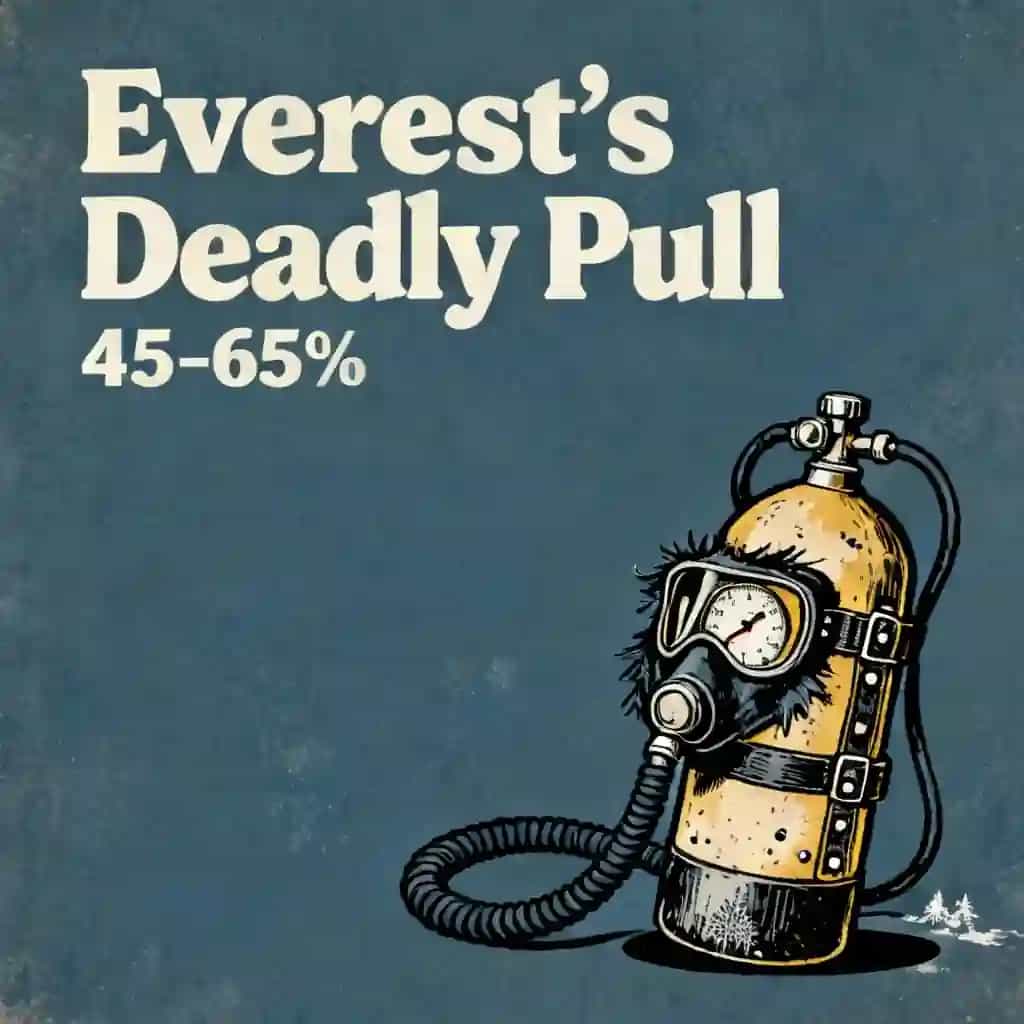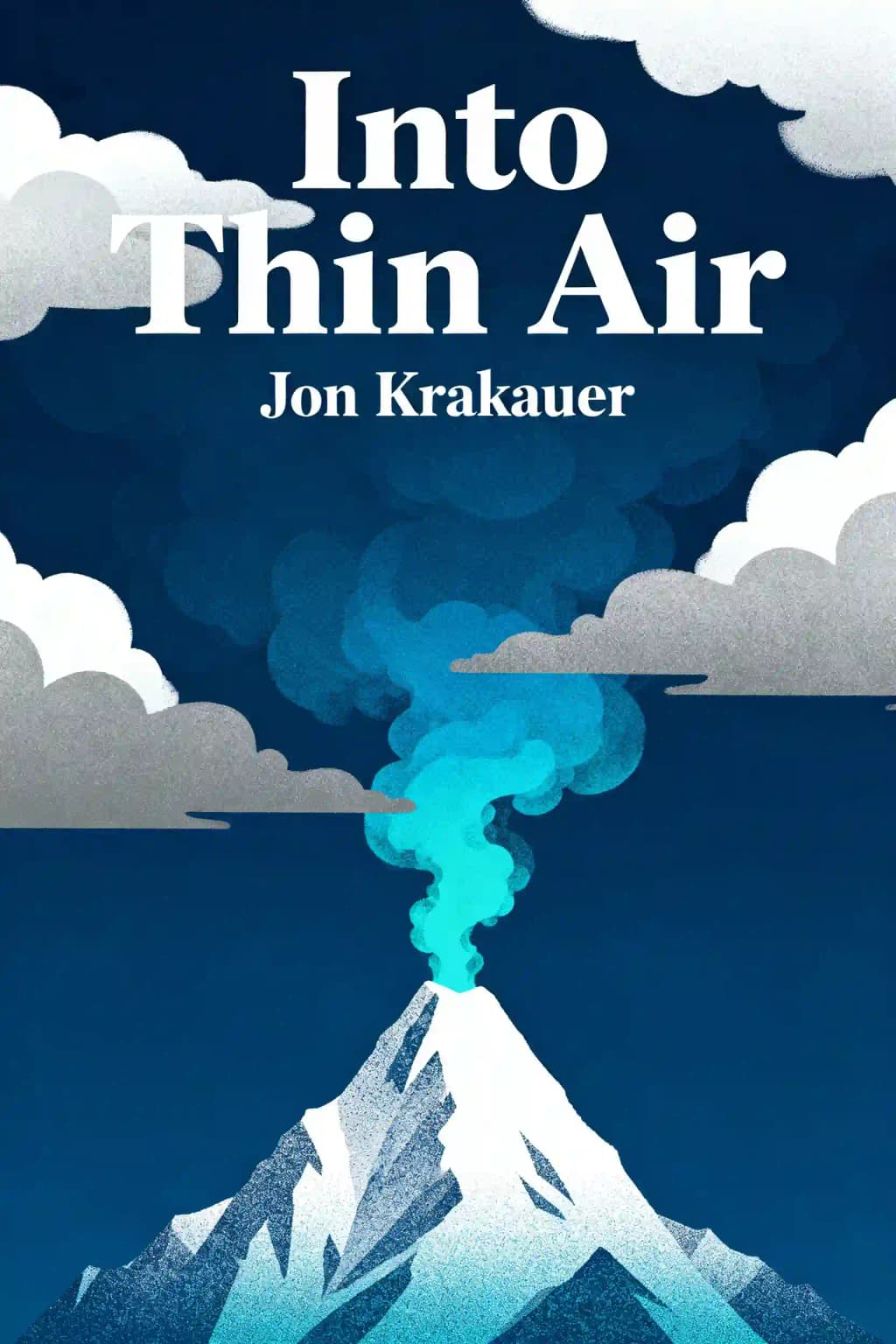
Krakauer's Pulitzer-finalist account of Everest's deadliest day transformed mountaineering literature. This controversial bestseller shocked readers by revealing climbers abandoning dying companions, igniting fierce debates about commercialized adventure ethics. The Washington Post compared its thematic depth to "The Great Gatsby."
Jon Krakauer is the bestselling author of Into Thin Air: A Personal Account of the Mt. Everest Disaster and an experienced mountaineer who survived the catastrophic 1996 Everest expedition that killed eight climbers. Born in 1954 and raised in Oregon, Krakauer began climbing at age eight and brings decades of mountaineering expertise to this harrowing work of adventure journalism.
His firsthand presence during the disaster provides unmatched authenticity to his examination of Everest's commercialization and the deadly consequences of competitive guiding.
A Hampshire College graduate and former Outside magazine journalist, Krakauer has contributed to National Geographic, Rolling Stone, and The New Yorker, and authored acclaimed books including Into the Wild and Under the Banner of Heaven. Into Thin Air was a finalist for the 1998 Pulitzer Prize in General Nonfiction, cementing Krakauer's status as one of adventure literature's most authoritative and compelling voices.
Into Thin Air by Jon Krakauer is a gripping personal account of the catastrophic 1996 Mount Everest disaster that killed eight climbers. Originally assigned by Outside magazine to report on Everest's commercialization, Krakauer joined Rob Hall's expedition and survived one of the deadliest climbing seasons in the mountain's history. The book examines the tragic decisions, extreme conditions, and competitive pressures that led to the disaster.
Jon Krakauer is an American author and mountaineer born April 12, 1954, known for blending adventure narratives with social commentary. He wrote Into Thin Air after surviving the 1996 Everest disaster while on assignment for Outside magazine. The book, published in 1997, became a bestseller and Pulitzer Prize finalist, establishing Krakauer as one of climbing's most respected voices. His firsthand experience and investigative journalism style created a definitive account of the tragedy.
Into Thin Air appeals to adventure enthusiasts, mountaineering fans, and anyone interested in survival stories under extreme conditions. The book suits readers curious about decision-making under pressure, the ethics of commercial expeditions, and human behavior in life-threatening situations. It's valuable for leadership students studying crisis management and those fascinated by Mount Everest's deadly allure. The narrative also resonates with readers interested in investigative journalism and personal accountability.
Into Thin Air is widely regarded as essential reading in adventure literature, offering an unflinching examination of the 1996 Everest tragedy. Krakauer balances personal accountability with honest analysis of how oxygen deprivation impaired judgment, making it both gripping and thought-provoking. As a Pulitzer Prize finalist that launched important discussions about commercial climbing ethics, the book delivers literary merit alongside heart-pounding narrative. Its detailed investigation and emotional depth make it worthwhile for both casual readers and mountaineering devotees.
The 1996 Mount Everest disaster resulted from multiple factors including competition between guiding agencies, compromised safety protocols, and catastrophic weather. Rob Hall failed to enforce a critical turnaround time, allowing clients like Doug Hansen to summit dangerously late. Oxygen deprivation caused severe mental impairment—Andy Harris mistakenly reported empty oxygen canisters when full ones were available. The combination of inexperienced clients, crowded conditions, and an unexpected blizzard trapped climbers above 25,000 feet, ultimately killing eight people.
Into Thin Air examines commercialization's impact on mountaineering safety, showing how paying clients with limited experience increased risk. The book explores survivor's guilt as Krakauer grapples with living while teammates died. Other central themes include decision-making under extreme oxygen deprivation, the ethics of employing Sherpa guides, and competitive pressures between rival guiding companies. Krakauer also questions whether attempting Everest is ethically justifiable given the risks and environmental impact.
Into Thin Air reveals how commercial expeditions transformed Everest climbing from elite mountaineering into a lucrative industry charging clients $65,000 per summit attempt. Krakauer argues that competition between Rob Hall's Adventure Consultants and Scott Fischer's Mountain Madness compromised essential safety methods. The book shows inexperienced but wealthy clients relying entirely on guides rather than possessing genuine climbing skills. This commercialization created dangerous crowding, with multiple teams summiting simultaneously and creating bottlenecks in the death zone.
The death zone refers to elevations above 25,000 feet where oxygen levels are insufficient to sustain human life. Into Thin Air describes how climbers in this zone experience life-threatening mental impairment, disorientation, and irrational decision-making due to oxygen deprivation. Physical effects include severe exhaustion, loss of appetite, insomnia, and potentially fatal illnesses. Krakauer emphasizes that even supplemental oxygen only delays these effects, and climbers cannot survive extended periods in this zone without descending.
Rob Hall was Jon Krakauer's expedition leader, a renowned guide known for cautious, methodical approaches to Everest climbing. During the fatal summit push, Hall waited for client Doug Hansen past safe turnaround times, violating his own safety protocols. When Hansen collapsed without oxygen in the storm, Hall remained with him rather than descending alone, ultimately costing both their lives. Krakauer suggests Hall's decision reflected both admirable loyalty and the competitive pressure to get clients to the summit regardless of conditions.
Into Thin Air faced controversy over Krakauer's portrayal of events, with some survivors disputing his account. Anatoli Boukreev, a guide Krakauer criticized, defended his decisions in a rebuttal book, arguing Krakauer misunderstood high-altitude guiding philosophy. Critics note that severe oxygen deprivation affected everyone's memories, making definitive accounts impossible. Some reviewers suggest Krakauer's journalist perspective overlooked mountaineering expertise. Despite controversies, Krakauer acknowledges his subjectivity and conducted extensive survivor interviews to present balanced perspectives.
While both books examine survival tragedies, Into Thin Air focuses on group dynamics and commercial expedition failures, whereas Into the Wild explores Christopher McCandless's solitary Alaskan journey. Into Thin Air emphasizes external factors—weather, commercialization, competition—while Into the Wild examines internal motivations and idealism. Both demonstrate Krakauer's investigative journalism style and examination of why people pursue dangerous adventures. Into Thin Air offers more immediate survival tension, while Into the Wild provides deeper philosophical reflection on society and self-reliance.
Into Thin Air demonstrates how competitive pressures can override safety protocols, as rival guiding companies prioritized summit success over client welfare. The book shows that established safety rules—like strict turnaround times—exist for critical reasons and abandoning them has fatal consequences. Krakauer illustrates how extreme conditions impair rational thinking, emphasizing the importance of making difficult decisions before cognitive abilities deteriorate. The tragedy teaches that experience alone cannot overcome environmental limits, and that leaders must balance client desires with objective risk assessment.
저자의 목소리로 책을 느껴보세요
지식을 흥미롭고 예시가 풍부한 인사이트로 전환
핵심 아이디어를 빠르게 캡처하여 신속하게 학습
재미있고 매력적인 방식으로 책을 즐기세요
I knew better but went to Everest anyway.
Hall believed it wouldn't happen to his team.
Everest had historically killed one climber for every four who reached the summit.
The tragedy continues to resonate through popular culture.
What drives people to risk everything for a few moments on the world's highest point?
Into Thin Air Flr의 핵심 아이디어를 이해하기 쉬운 포인트로 분해하여 혁신적인 팀이 어떻게 창조하고, 협력하고, 성장하는지 이해합니다.
Into Thin Air Flr을 빠른 기억 단서로 압축하여 솔직함, 팀워크, 창의적 회복력의 핵심 원칙을 강조합니다.

생생한 스토리텔링을 통해 Into Thin Air Flr을 경험하고, 혁신 교훈을 기억에 남고 적용할 수 있는 순간으로 바꿉니다.
무엇이든 물어보고, 목소리를 선택하고, 진정으로 공감되는 인사이트를 함께 만들어보세요.

샌프란시스코에서 컬럼비아 대학교 동문들이 만들었습니다
"Instead of endless scrolling, I just hit play on BeFreed. It saves me so much time."
"I never knew where to start with nonfiction—BeFreed’s book lists turned into podcasts gave me a clear path."
"Perfect balance between learning and entertainment. Finished ‘Thinking, Fast and Slow’ on my commute this week."
"Crazy how much I learned while walking the dog. BeFreed = small habits → big gains."
"Reading used to feel like a chore. Now it’s just part of my lifestyle."
"Feels effortless compared to reading. I’ve finished 6 books this month already."
"BeFreed turned my guilty doomscrolling into something that feels productive and inspiring."
"BeFreed turned my commute into learning time. 20-min podcasts are perfect for finishing books I never had time for."
"BeFreed replaced my podcast queue. Imagine Spotify for books — that’s it. 🙌"
"It is great for me to learn something from the book without reading it."
"The themed book list podcasts help me connect ideas across authors—like a guided audio journey."
"Makes me feel smarter every time before going to work"
샌프란시스코에서 컬럼비아 대학교 동문들이 만들었습니다

Into Thin Air Flr 요약을 무료 PDF 또는 EPUB으로 받으세요. 인쇄하거나 오프라인에서 언제든 읽을 수 있습니다.
The storm hit with apocalyptic fury. Within minutes, the clear summit views disappeared into a whiteout as hurricane-force winds transformed the South Col into a death trap. Climbers who had just stood triumphantly on Everest's summit now stumbled blindly, oxygen-starved and hypothermic, desperately trying to find their tents just a few hundred yards away. It was May 10, 1996, and one of mountaineering's deadliest days was unfolding. Eight climbers would perish in a single 24-hour period. Jon Krakauer, a journalist-turned-client on Rob Hall's expedition, had safely reached camp minutes before the storm hit. He had no idea that his teammates were still out there, fighting for their lives in temperatures plunging below -40F. By morning, the devastating truth would emerge: the mountain had claimed some of the world's most experienced guides, including Krakauer's own expedition leader. What drives people to risk everything for a few moments on Earth's highest point? And what happens when ambition, commercialization, and nature's indifference collide at 29,000 feet?