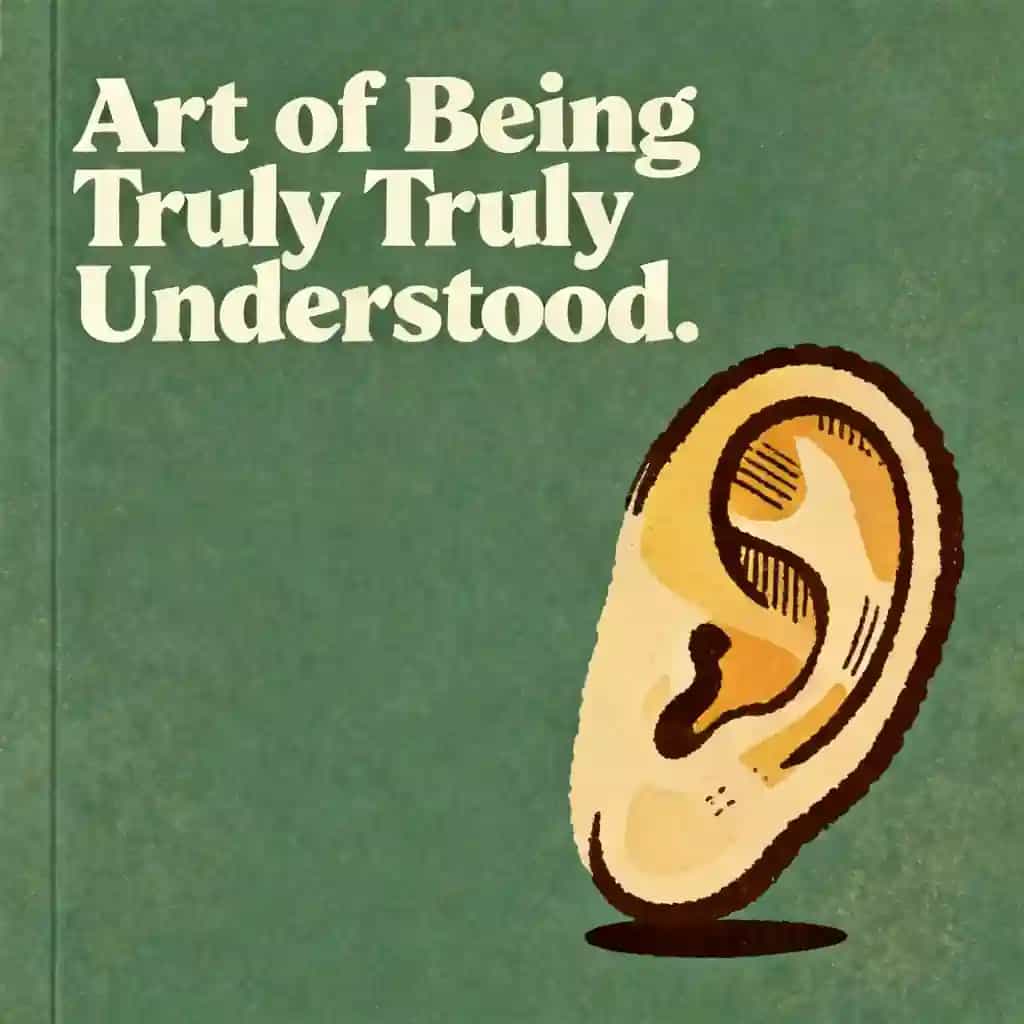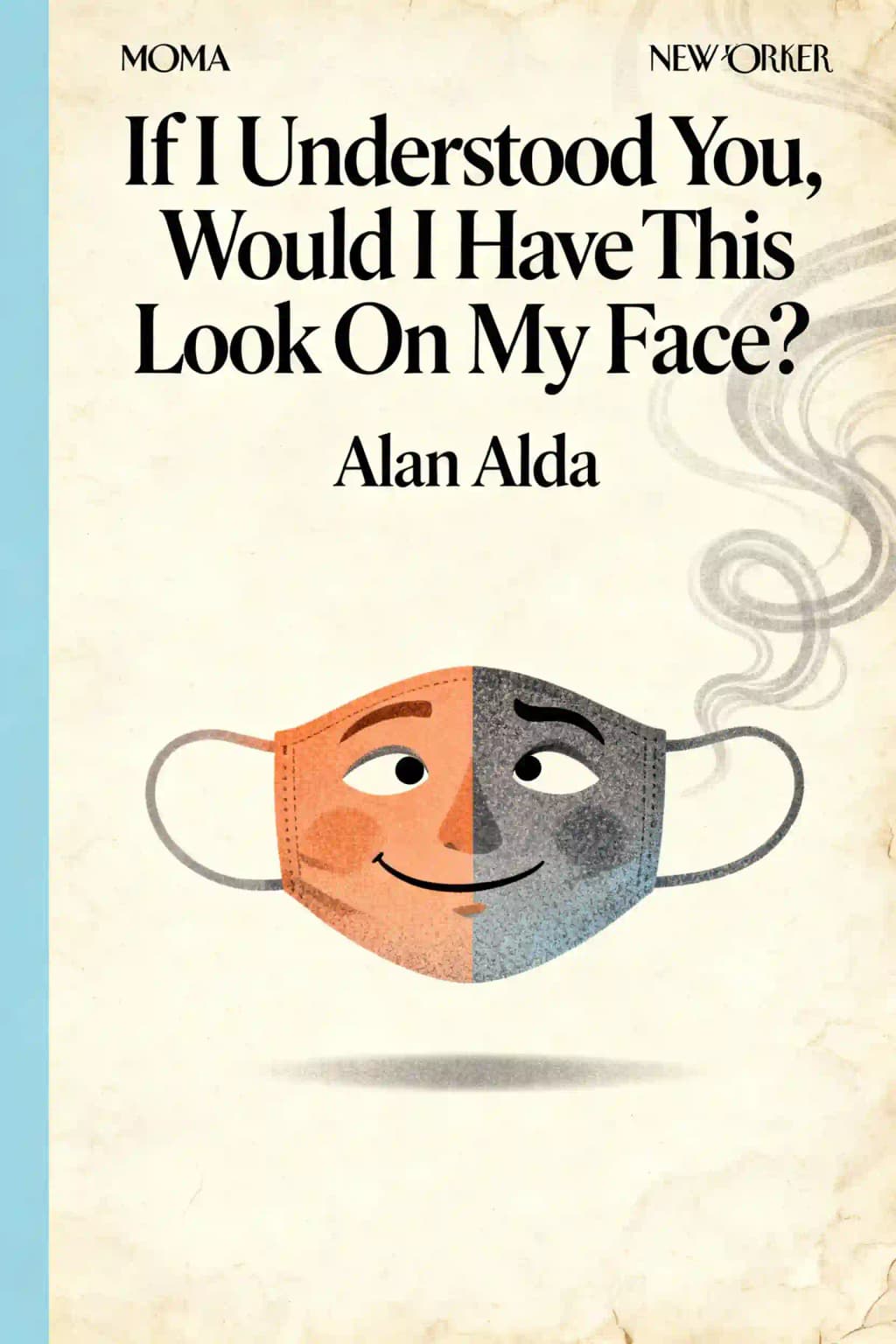
Emmy-winner Alan Alda reveals the science of connection in this game-changing guide. Can empathy be learned? Discover why improv techniques revolutionized doctor-patient outcomes at his Stony Brook University center. A Kirkus-praised masterclass in reading faces that's transformed scientific communication nationwide.
Alan Alda, the award-winning actor and bestselling author of If I Understood You, Would I Have This Look on My Face?, is renowned for his decades-long career in entertainment and his advocacy for clear, empathetic communication. A seven-time Emmy winner and Oscar nominee, Alda blends his artistic legacy with scientific curiosity, stemming from his 11-year role as host of PBS’s Scientific American Frontiers. This memoir, part of his trilogy alongside Never Have Your Dog Stuffed and Things I Overheard While Talking to Myself, explores his journey to master relational communication through interviews with experts and hands-on workshops at his Alan Alda Center for Communicating Science.
Known for his iconic role as Hawkeye Pierce in MASH* and an Emmy-winning turn on The West Wing, Alda has translated his stage and screen presence into a mission to bridge gaps between technical fields and public understanding. His work has been embraced by universities, medical institutions, and tech leaders worldwide. The book, praised for its humor and practicality, reflects Alda’s TED Talk–worthy insights, cementing his status as a trusted voice in both art and science.
Alan Alda’s book explores the art and science of effective communication, blending personal anecdotes, improv techniques, and neuroscience. It emphasizes empathy, active listening, and non-verbal cues to bridge misunderstandings in personal and professional interactions. Alda draws from his acting career and work with scientists to show how relatability and emotional resonance enhance clarity.
This book is ideal for professionals (scientists, doctors, educators) seeking to simplify complex ideas, as well as anyone aiming to improve relationships. Alda’s mix of storytelling and research appeals to readers interested in psychology, leadership, or creative communication methods.
Yes, for its engaging blend of humor, science, and practical insights—though some critics note repetitive advice. It’s praised for making communication concepts accessible but criticized for lacking step-by-step guides. Ideal for those new to communication theory or fans of Alda’s storytelling.
Key strategies include practicing empathy through mirror neuron activation, using improv exercises to enhance spontaneity, and prioritizing active listening. Alda stresses the importance of reading non-verbal cues and avoiding jargon to foster mutual understanding.
Alda advocates improv games to sharpen listening skills and adaptability. For example, “Yes, and…” exercises encourage collaborative dialogue instead of defensive rebuttals. These techniques help participants stay present and responsive in conversations.
Mirror neurons—brain cells that fire when observing others’ actions—enable empathy by letting us “feel” others’ emotions. Alda cites how smiling at someone can activate their mirror neurons, creating mutual positive feelings and deeper connection.
Some readers find the advice overly broad, relying too much on improv classes and repetitive empathy reminders. Critics argue it lacks concrete steps for applying concepts in high-stakes scenarios like medical or technical discussions.
His acting experience informs lessons on body language, vocal tone, and storytelling. Alda uses role-playing examples to show how authenticity and emotional resonance can make technical information relatable.
Alda shares a story where a dentist’s poor explanation led to a botched procedure that damaged his facial nerves. Another example details scientists struggling to explain research without jargon, hindering public engagement.
Alda argues that professions like medicine and tech require “participatory communication,” where listening actively and validating others’ perspectives builds trust. He highlights empathy as a tool to reduce misunderstandings in hierarchical environments.
The title humorously underscores the consequences of poor communication. It reflects Alda’s premise that misread facial expressions and tone often lead to confusion, emphasizing the need for clarity and emotional attunement.
Unlike technical manuals, Alda’s book blends memoir, science, and humor. It focuses more on relational dynamics than structured frameworks, making it a lighter read but less actionable for specific scenarios than guides like Crucial Conversations.
저자의 목소리로 책을 느껴보세요
지식을 흥미롭고 예시가 풍부한 인사이트로 전환
핵심 아이디어를 빠르게 캡처하여 신속하게 학습
재미있고 매력적인 방식으로 책을 즐기세요
Communication isn't just about transmitting information-it's about creating a genuine connection.
Without responsive listening, we remain trapped in our own heads.
Real conversation can't happen if listening is just waiting for your turn to speak.
Help me in my softer aims and I'll help soften the edges of your science.
The communicator bears responsibility for the listener's understanding.
If I understood you, would I have this look on my face?의 핵심 아이디어를 이해하기 쉬운 포인트로 분해하여 혁신적인 팀이 어떻게 창조하고, 협력하고, 성장하는지 이해합니다.
If I understood you, would I have this look on my face?을 빠른 기억 단서로 압축하여 솔직함, 팀워크, 창의적 회복력의 핵심 원칙을 강조합니다.

생생한 스토리텔링을 통해 If I understood you, would I have this look on my face?을 경험하고, 혁신 교훈을 기억에 남고 적용할 수 있는 순간으로 바꿉니다.
무엇이든 물어보고, 목소리를 선택하고, 진정으로 공감되는 인사이트를 함께 만들어보세요.

샌프란시스코에서 컬럼비아 대학교 동문들이 만들었습니다
"Instead of endless scrolling, I just hit play on BeFreed. It saves me so much time."
"I never knew where to start with nonfiction—BeFreed’s book lists turned into podcasts gave me a clear path."
"Perfect balance between learning and entertainment. Finished ‘Thinking, Fast and Slow’ on my commute this week."
"Crazy how much I learned while walking the dog. BeFreed = small habits → big gains."
"Reading used to feel like a chore. Now it’s just part of my lifestyle."
"Feels effortless compared to reading. I’ve finished 6 books this month already."
"BeFreed turned my guilty doomscrolling into something that feels productive and inspiring."
"BeFreed turned my commute into learning time. 20-min podcasts are perfect for finishing books I never had time for."
"BeFreed replaced my podcast queue. Imagine Spotify for books — that’s it. 🙌"
"It is great for me to learn something from the book without reading it."
"The themed book list podcasts help me connect ideas across authors—like a guided audio journey."
"Makes me feel smarter every time before going to work"
샌프란시스코에서 컬럼비아 대학교 동문들이 만들었습니다

If I understood you, would I have this look on my face? 요약을 무료 PDF 또는 EPUB으로 받으세요. 인쇄하거나 오프라인에서 언제든 읽을 수 있습니다.
Picture Alan Alda, the beloved face of M*A*S*H, sitting in a dentist's chair as the practitioner casually mentions "some tethering" before slicing into his mouth. Too intimidated to ask what that meant, Alda walked out with a severed maxillary labial frenum and a permanent droop where his trademark smile once lived. That botched procedure became his awakening: communication isn't about words-it's about whether the person across from you actually understands what you're saying. This painful lesson launched decades of exploration that would eventually make his work required reading in medical schools nationwide. What Alda discovered goes far beyond avoiding medical mishaps. It reveals something profound about how humans connect, why we so often fail to understand each other, and what we can do about it.