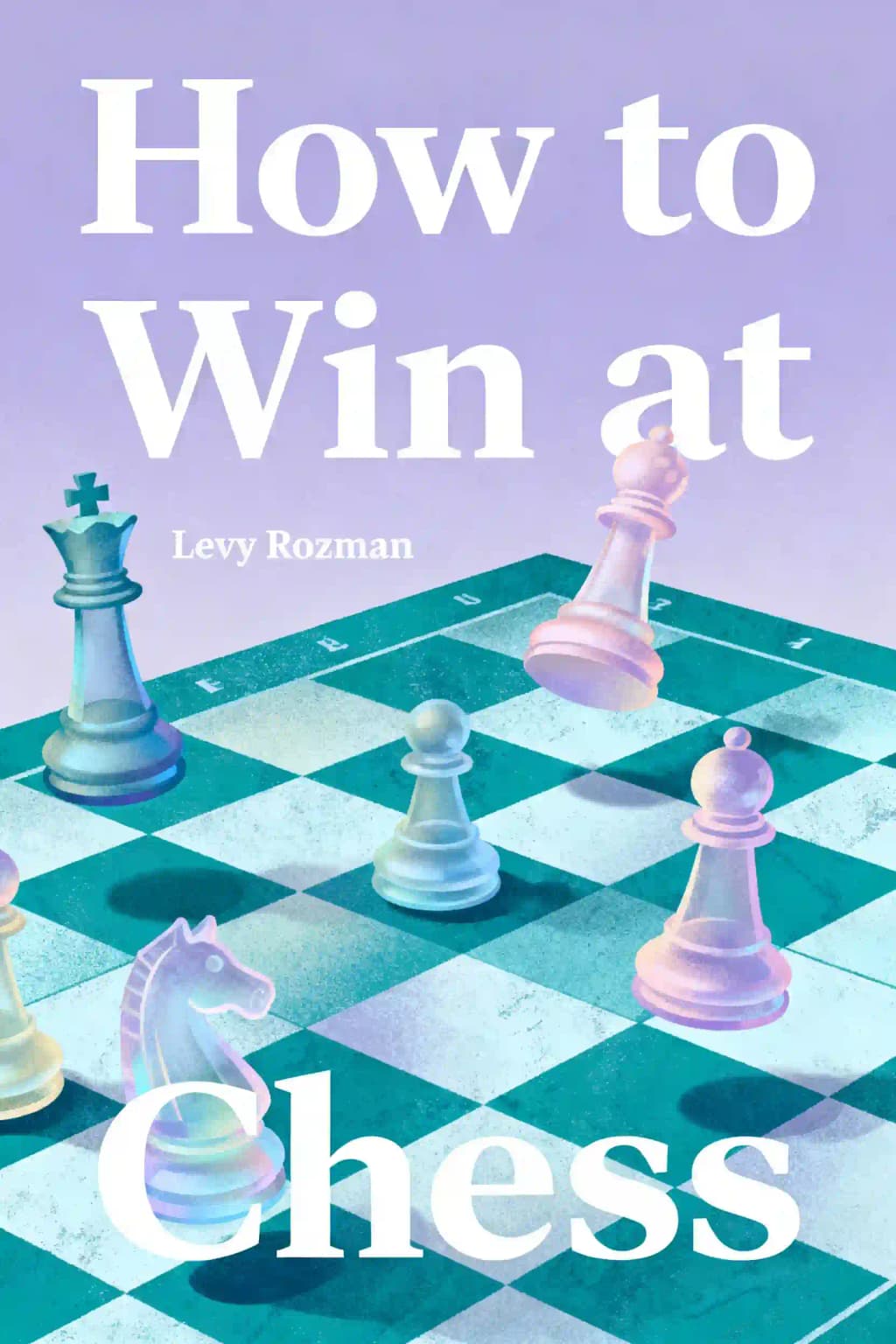
International Master GothamChess reveals chess secrets for beginners to 1200-rated players. This New York Times bestseller includes 500+ diagrams and QR codes linking to exclusive content. Discover why YouTube's largest chess channel creator makes complex strategies surprisingly accessible.
저자의 목소리로 책을 느껴보세요
지식을 흥미롭고 예시가 풍부한 인사이트로 전환
핵심 아이디어를 빠르게 캡처하여 신속하게 학습
재미있고 매력적인 방식으로 책을 즐기세요
Magnus Carlsen and Fabiano Caruana sat across from each other in London, 2018, locked in the World Chess Championship. After twelve grueling classical games-each lasting hours-the score remained tied at 6-6. Not a single decisive game. Then came the rapid tiebreaks, and suddenly everything changed. Carlsen won all three games in devastating fashion. What separated the world's top two players in those critical moments? It wasn't some secret opening or supernatural calculation ability. It was systematic thinking, pattern recognition, and the ability to convert small advantages into victory. This is precisely what separates chess players who plateau from those who continuously improve-and it's entirely learnable. Every chess game concludes in one of four ways, and understanding each shapes how you approach every position. Checkmate remains the ultimate goal-trapping the enemy king with no escape. Here's something counterintuitive: learning checkmate is actually easier with fewer pieces on the board. Start with just three pieces and you'll grasp the fundamental concept faster than trying to navigate the chaos of all thirty-two pieces at once. But most games don't end in checkmate. Resignation is far more common, especially as you improve and face stronger opponents. During that 2014 World Championship, Viswanathan Anand resigned against Carlsen when defeat became inevitable-a sign of respect at the highest levels. Yet for everyone below master level, resignation is often premature. Your opponent might blunder. They usually do. Then there's the clock. Run out of time and you lose, even if you're completely winning on the board. Unless-and this is crucial-your opponent lacks enough material to ever deliver checkmate. The fourth way is abandonment, more common online but occasionally happening even in serious tournaments. The most famous example dates to 1895 when Curt von Bardeleben became so disgusted with his position against world champion Wilhelm Steinitz that he simply left the tournament hall.
How to Win at Chess의 핵심 아이디어를 이해하기 쉬운 포인트로 분해하여 혁신적인 팀이 어떻게 창조하고, 협력하고, 성장하는지 이해합니다.
How to Win at Chess을 빠른 기억 단서로 압축하여 솔직함, 팀워크, 창의적 회복력의 핵심 원칙을 강조합니다.

생생한 스토리텔링을 통해 How to Win at Chess을 경험하고, 혁신 교훈을 기억에 남고 적용할 수 있는 순간으로 바꿉니다.
무엇이든 물어보고, 목소리를 선택하고, 진정으로 공감되는 인사이트를 함께 만들어보세요.

샌프란시스코에서 컬럼비아 대학교 동문들이 만들었습니다
"Instead of endless scrolling, I just hit play on BeFreed. It saves me so much time."
"I never knew where to start with nonfiction—BeFreed’s book lists turned into podcasts gave me a clear path."
"Perfect balance between learning and entertainment. Finished ‘Thinking, Fast and Slow’ on my commute this week."
"Crazy how much I learned while walking the dog. BeFreed = small habits → big gains."
"Reading used to feel like a chore. Now it’s just part of my lifestyle."
"Feels effortless compared to reading. I’ve finished 6 books this month already."
"BeFreed turned my guilty doomscrolling into something that feels productive and inspiring."
"BeFreed turned my commute into learning time. 20-min podcasts are perfect for finishing books I never had time for."
"BeFreed replaced my podcast queue. Imagine Spotify for books — that’s it. 🙌"
"It is great for me to learn something from the book without reading it."
"The themed book list podcasts help me connect ideas across authors—like a guided audio journey."
"Makes me feel smarter every time before going to work"
샌프란시스코에서 컬럼비아 대학교 동문들이 만들었습니다

How to Win at Chess 요약을 무료 PDF 또는 EPUB으로 받으세요. 인쇄하거나 오프라인에서 언제든 읽을 수 있습니다.