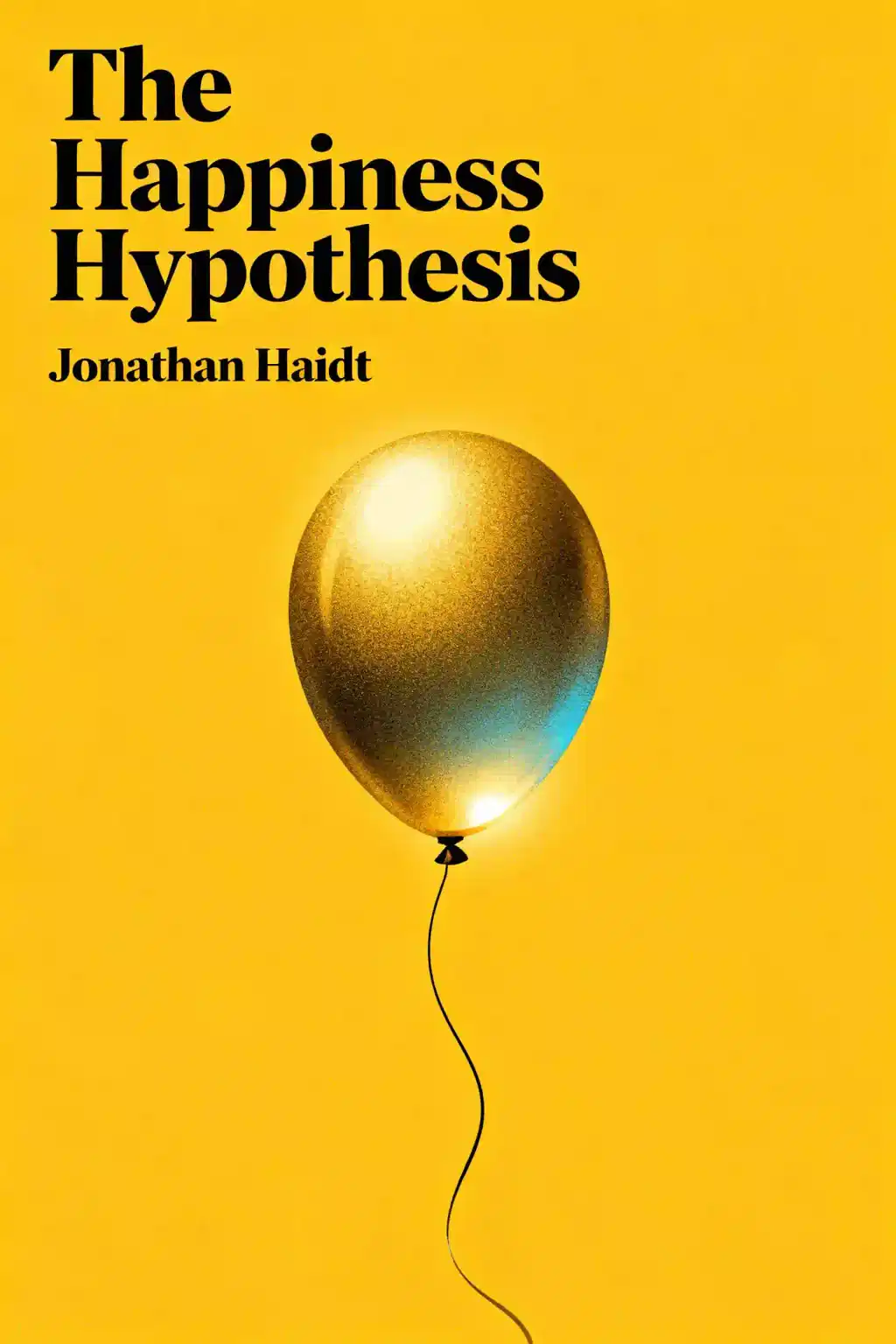
In "How to Live a Good Life," bestselling author Jonathan Fields reveals three essential buckets for fulfillment: connection, contribution, and vitality. This USA Today bestseller blends soulful stories with surprising science - what if true happiness requires less optimization and more meaning?
Massimo Pigliucci, editor of How to Live a Good Life and bestselling author of How to Be a Stoic, is a philosopher and biologist renowned for bridging ancient wisdom with modern challenges. As the K.D. Irani Professor of Philosophy at the City College of New York, his work spans philosophy of science, secular ethics, and practical applications of Stoicism. The book aligns with his mission to make philosophy accessible, offering actionable insights from Stoic, Skeptic, and Epicurean traditions to navigate contemporary life.
Pigliucci’s authority stems from his interdisciplinary PhDs in genetics and evolutionary biology, his New York Times and Wall Street Journal columns, and his co-hosting of the Rationally Speaking podcast, which featured thinkers like Neil deGrasse Tyson. His blog, How to Be a Stoic, and the Stoic Meditations podcast—with over 500,000 downloads—reinforce his role as a leading voice in practical philosophy. Other works, including A Handbook for New Stoics and The Quest for Character, further explore ethical living.
Translated into 15 languages, Pigliucci’s books have sold over 250,000 copies worldwide, cementing his influence in global discussions on resilience and meaning.
How to Live a Good Life is a curated anthology exploring 15 philosophical traditions to help readers develop a personal philosophy for a meaningful existence. Edited by Massimo Pigliucci, Skye Cleary, and Daniel Kaufman, it blends ancient wisdom (Stoicism, Buddhism) with modern frameworks (existentialism, effective altruism) through essays by leading scholars, offering actionable insights for self-examination and purposeful living.
This book is ideal for seekers of self-improvement, philosophy enthusiasts, and anyone questioning life’s purpose. Its accessible essays appeal to readers exploring ethical decision-making, resilience, or mindset shifts in career, relationships, or personal growth. Academics and general audiences alike will value its diverse perspectives.
Yes, praised as a “fantastic book” by Five Books and endorsed by Peter Singer, it balances scholarly depth with practicality. The anthology’s structured yet conversational style makes complex ideas approachable, providing actionable frameworks without oversimplification. It’s particularly valuable for navigating modern challenges like anxiety or career transitions.
The book examines 15 traditions:
Each essay connects these philosophies to contemporary issues like technology and social justice, emphasizing adaptability and critical thinking.
It offers frameworks for resilience, ethical decision-making, and mindset shifts. For example, Stoic essays teach managing setbacks, while Buddhist chapters address mindfulness. The book’s actionable advice helps readers navigate career changes, relationships, and societal pressures, aligning ancient wisdom with 21st-century contexts.
While specific quotes vary by contributor, recurring themes include:
Unlike niche guides (e.g., A Guide to the Good Life, which focuses solely on Stoicism), this anthology offers a comparative approach. It contrasts traditions like existentialism vs. Buddhism, helping readers identify aligned philosophies. It also complements Pigliucci’s Think Like a Stoic by broadening scope.
Some may find its breadth limits depth in individual philosophies. Critics argue it prioritizes accessibility over rigor, though editors counter that it’s designed as an introductory guide. Readers seeking specialized analysis might supplement it with primary texts.
Pigliucci, a philosophy professor and Stoicism expert, ensures scholarly rigor while maintaining readability. His background in evolutionary biology and pseudoscience critique adds empirical grounding, particularly in essays debunking modern self-help myths.
Yes. The effective altruism chapter discusses ethical career choices, while Daoist and Buddhist essays address work-life balance. Relationship-focused sections (e.g., Aristotelian virtue ethics) provide frameworks for trust and communication, aligning personal values with actions.
Its themes of adaptability and purpose resonate in a tech-driven, rapidly changing society. Essays on digital mindfulness and AI ethics feel particularly timely, offering tools to balance innovation with humanistic values.
Readers may explore Pigliucci’s How to Be a Stoic or A Field Guide to a Happy Life for deeper dives into Stoicism. The “Readers Also Enjoyed” section lists thematic complements like The Existentialist’s Survival Guide and Doing Good Better.
저자의 목소리로 책을 느껴보세요
지식을 흥미롭고 예시가 풍부한 인사이트로 전환
핵심 아이디어를 빠르게 캡처하여 신속하게 학습
재미있고 매력적인 방식으로 책을 즐기세요
We "form one body" with others.
The Buddha never promised happiness but rather offered practices to mitigate suffering.
The family serves as the "nursery of virtue".
Our minds need emptiness to reflect and respond appropriately.
How to Live a Good Life의 핵심 아이디어를 이해하기 쉬운 포인트로 분해하여 혁신적인 팀이 어떻게 창조하고, 협력하고, 성장하는지 이해합니다.
How to Live a Good Life을 빠른 기억 단서로 압축하여 솔직함, 팀워크, 창의적 회복력의 핵심 원칙을 강조합니다.

생생한 스토리텔링을 통해 How to Live a Good Life을 경험하고, 혁신 교훈을 기억에 남고 적용할 수 있는 순간으로 바꿉니다.
무엇이든 물어보고, 목소리를 선택하고, 진정으로 공감되는 인사이트를 함께 만들어보세요.

샌프란시스코에서 컬럼비아 대학교 동문들이 만들었습니다
"Instead of endless scrolling, I just hit play on BeFreed. It saves me so much time."
"I never knew where to start with nonfiction—BeFreed’s book lists turned into podcasts gave me a clear path."
"Perfect balance between learning and entertainment. Finished ‘Thinking, Fast and Slow’ on my commute this week."
"Crazy how much I learned while walking the dog. BeFreed = small habits → big gains."
"Reading used to feel like a chore. Now it’s just part of my lifestyle."
"Feels effortless compared to reading. I’ve finished 6 books this month already."
"BeFreed turned my guilty doomscrolling into something that feels productive and inspiring."
"BeFreed turned my commute into learning time. 20-min podcasts are perfect for finishing books I never had time for."
"BeFreed replaced my podcast queue. Imagine Spotify for books — that’s it. 🙌"
"It is great for me to learn something from the book without reading it."
"The themed book list podcasts help me connect ideas across authors—like a guided audio journey."
"Makes me feel smarter every time before going to work"
샌프란시스코에서 컬럼비아 대학교 동문들이 만들었습니다

How to Live a Good Life 요약을 무료 PDF 또는 EPUB으로 받으세요. 인쇄하거나 오프라인에서 언제든 읽을 수 있습니다.
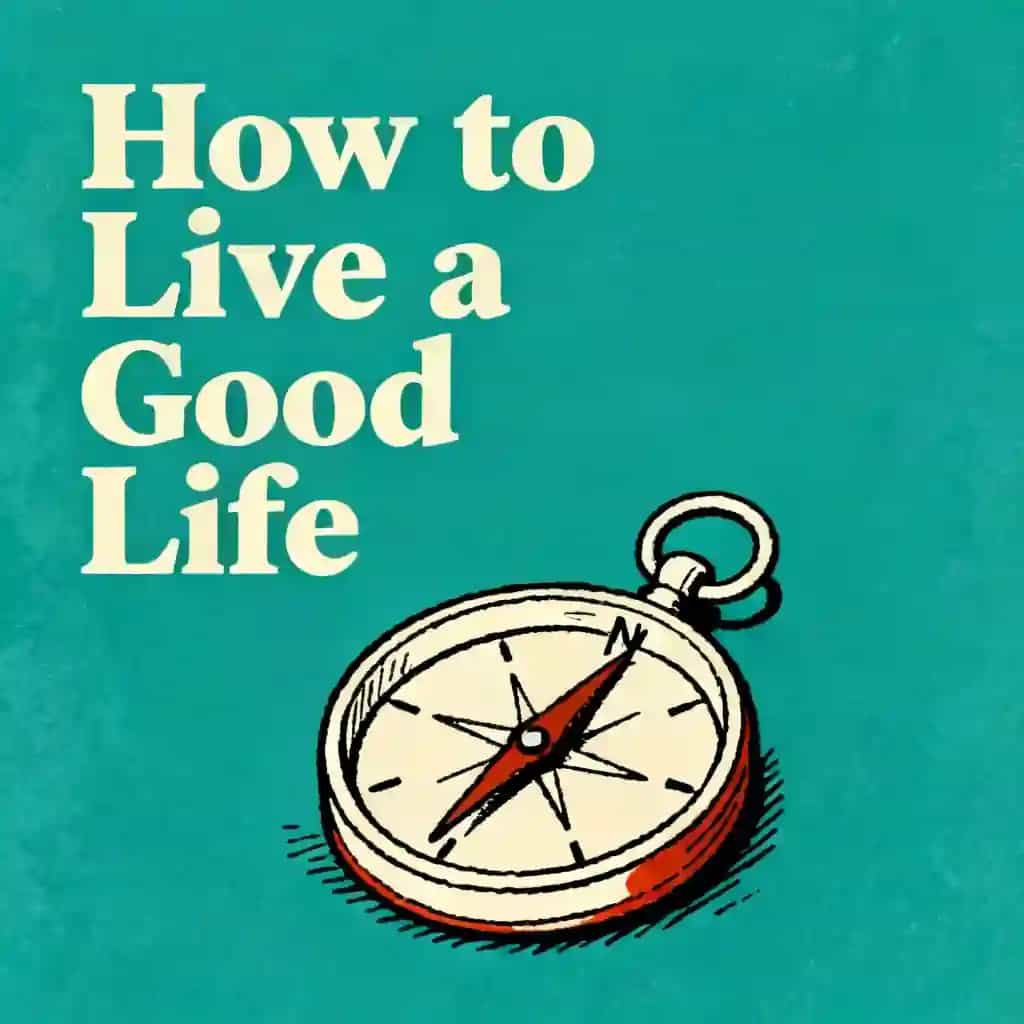
What if you already have a philosophy guiding your life decisions-but never consciously chose it? This is the provocative premise behind "How to Live a Good Life," an illuminating anthology that explores fifteen diverse philosophical traditions spanning East and West, ancient and modern, religious and secular. In our age of rising anxiety and existential uncertainty, this collection arrives as a timely compass, offering practical frameworks for navigating life's complexities. Rather than prescribing a single "correct" path, the book presents a rich tapestry of wisdom traditions, each with unique insights into human flourishing. The journey begins with a fundamental question: are you living according to a philosophy you deliberately selected, or one you unconsciously inherited?