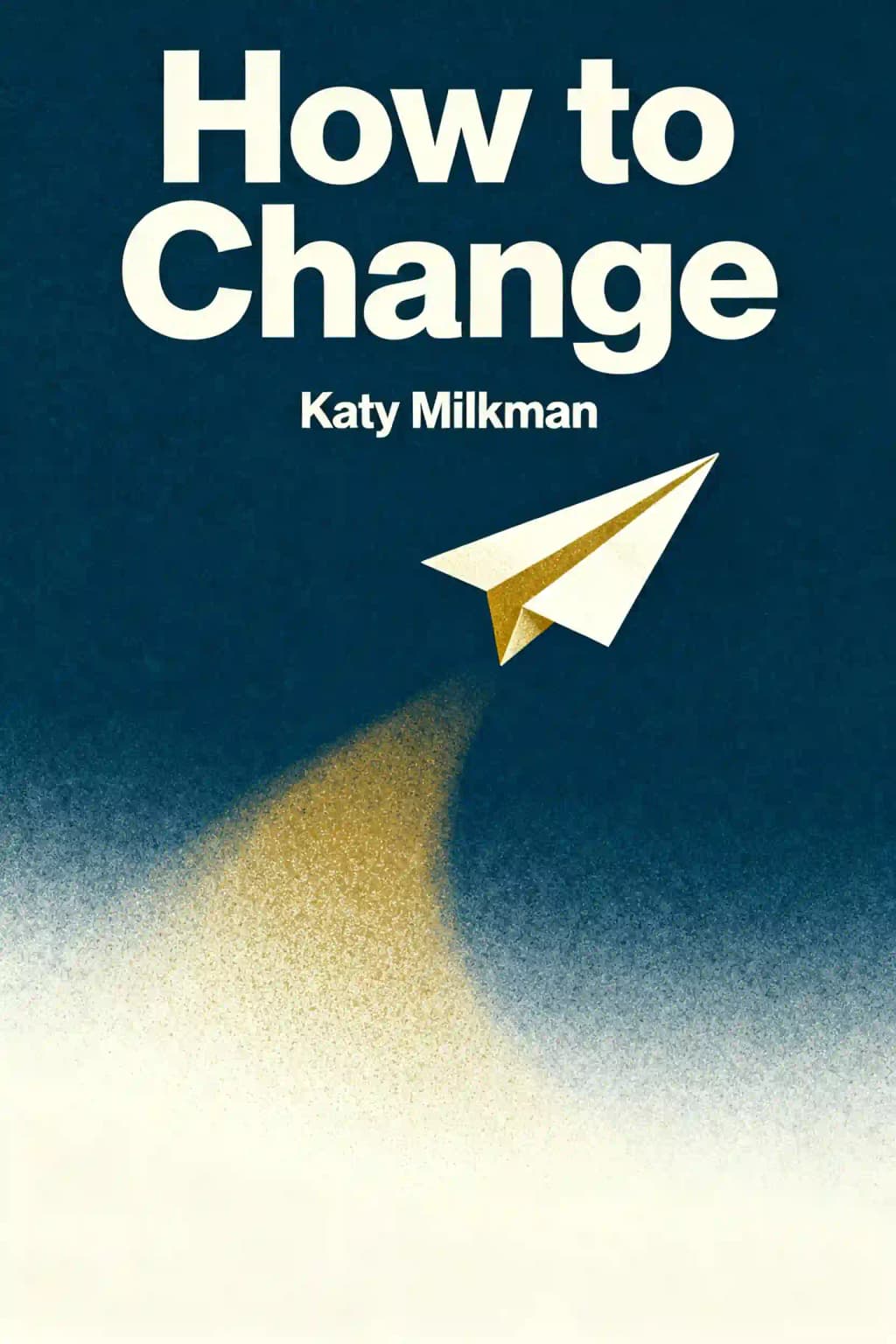
In "How to Change," Wharton professor Katy Milkman reveals the science of lasting behavioral transformation. Why do Google and the Pentagon consult her methods? Discover the "Fresh Start Effect" that revolutionized SIDS prevention and learn how "temptation bundling" can finally make your resolutions stick.
저자의 목소리로 책을 느껴보세요
지식을 흥미롭고 예시가 풍부한 인사이트로 전환
핵심 아이디어를 빠르게 캡처하여 신속하게 학습
재미있고 매력적인 방식으로 책을 즐기세요
Why do 80% of New Year's resolutions fail by February? The answer isn't lack of willpower-it's using the wrong approach. Behavior change isn't one-size-fits-all. The key is identifying your specific obstacles and deploying targeted strategies to overcome them. This revolutionary approach has transformed organizations from Google to the Department of Defense. Rather than generic advice like "try harder," successful change requires understanding the unique barriers blocking your path and applying scientifically-proven techniques tailored to your situation. When we match our strategies to our specific challenges, even the most stubborn habits can be transformed. Have you ever noticed how motivated you feel on January 1st or your birthday? These moments create psychological "fresh starts" that make change easier. When visiting Google in 2012, I discovered something fascinating about timing and behavior change. Google wanted to know when to encourage employees to use beneficial programs, leading to one of my most significant research discoveries. The remarkable success of the "Back to Sleep" campaign against SIDS provides valuable insights. When researchers found that placing babies on their backs halved SIDS deaths, a government education campaign increased this practice from 17% to 73%, dramatically reducing fatalities. Why did it work when so many health initiatives fail? New parents face a true blank slate-no established habits to break. Research confirms we're more receptive to change during moments that feel like fresh starts: New Year's, Mondays, after holidays, birthdays, or following relocations. These temporal landmarks help us feel psychologically distanced from past failures. One study found 36% of successful change attempts occurred after moving homes, compared to only 13% of unsuccessful attempts.
How to Change의 핵심 아이디어를 이해하기 쉬운 포인트로 분해하여 혁신적인 팀이 어떻게 창조하고, 협력하고, 성장하는지 이해합니다.
How to Change을 빠른 기억 단서로 압축하여 솔직함, 팀워크, 창의적 회복력의 핵심 원칙을 강조합니다.

생생한 스토리텔링을 통해 How to Change을 경험하고, 혁신 교훈을 기억에 남고 적용할 수 있는 순간으로 바꿉니다.
무엇이든 물어보고, 목소리를 선택하고, 진정으로 공감되는 인사이트를 함께 만들어보세요.

샌프란시스코에서 컬럼비아 대학교 동문들이 만들었습니다
"Instead of endless scrolling, I just hit play on BeFreed. It saves me so much time."
"I never knew where to start with nonfiction—BeFreed’s book lists turned into podcasts gave me a clear path."
"Perfect balance between learning and entertainment. Finished ‘Thinking, Fast and Slow’ on my commute this week."
"Crazy how much I learned while walking the dog. BeFreed = small habits → big gains."
"Reading used to feel like a chore. Now it’s just part of my lifestyle."
"Feels effortless compared to reading. I’ve finished 6 books this month already."
"BeFreed turned my guilty doomscrolling into something that feels productive and inspiring."
"BeFreed turned my commute into learning time. 20-min podcasts are perfect for finishing books I never had time for."
"BeFreed replaced my podcast queue. Imagine Spotify for books — that’s it. 🙌"
"It is great for me to learn something from the book without reading it."
"The themed book list podcasts help me connect ideas across authors—like a guided audio journey."
"Makes me feel smarter every time before going to work"
샌프란시스코에서 컬럼비아 대학교 동문들이 만들었습니다

How to Change 요약을 무료 PDF 또는 EPUB으로 받으세요. 인쇄하거나 오프라인에서 언제든 읽을 수 있습니다.