1장
The Job Seeker's Secret Weapon: A Guide to Modern Hiring
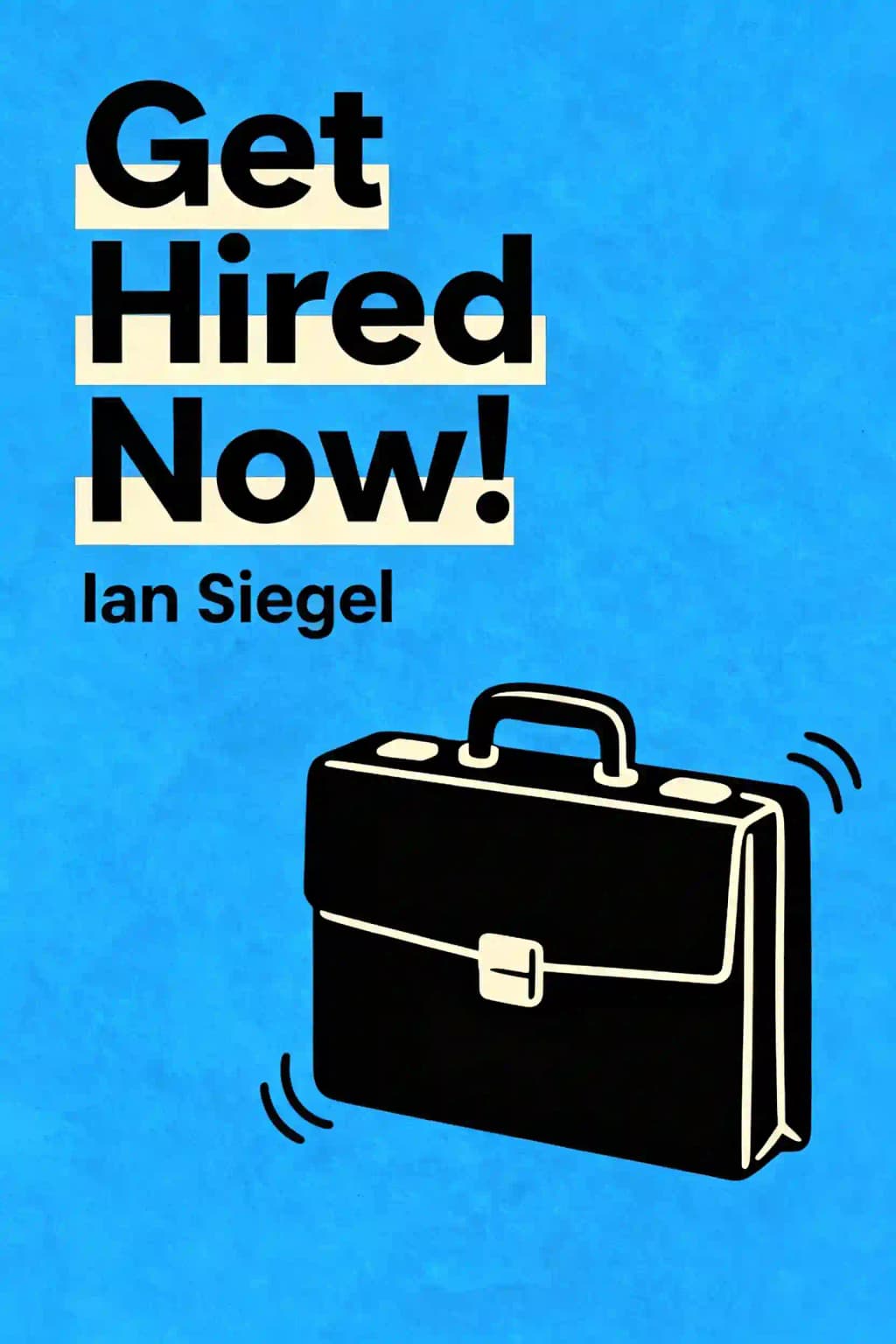
In a world where 95% of people struggle with job searching, Ian Siegel's "Get Hired Now!" arrives as a breath of fresh air. As the CEO of ZipRecruiter, Siegel has revolutionized the hiring process, investing over $200 million to fix what he calls the "broken job search experience." This isn't just another career advice book-it's the culmination of insights from millions of job placements, backed by hard data on what actually works in today's digital hiring landscape. Celebrities like Mark Cuban have praised Siegel's practical approach, and the book has quickly become required reading in business schools nationwide. Unlike theoretical career guides, this actionable playbook has helped thousands secure not just jobs, but dream careers during one of the most volatile employment markets in history.
2장
Navigating the Hidden Rules of Modern Job Hunting
The job search process has fundamentally changed, yet most advice remains stuck in the pre-digital era. The hard truth is that nobody teaches us how to be effective job seekers-it's a critical life skill we're expected to figure out on our own. This knowledge gap explains why 95% of people are terrible at job searching, through no fault of their own.
The traditional job search model is broken. While technology has transformed nearly every aspect of modern life, job search platforms have remained surprisingly primitive. Most still operate with essentially the same design from 1999, forcing job seekers to craft perfect search queries without any training. It's as if social media platforms never learned your preferences and required you to manually find every post you might enjoy.
This technological lag creates massive inefficiencies. Before founding ZipRecruiter, Siegel experienced this frustration firsthand as a hiring manager at small startups. He described the tedious process of manually posting jobs to multiple sites and printing stacks of resumes-a problem he initially solved by creating a single button to post jobs everywhere with applications stored digitally.
However, fixing the employer side revealed an even bigger problem: job seekers still hated searching for work. The psychological aspects of job searching proved just as important as the technology. Job seekers routinely self-disqualify from positions they're perfectly capable of filling, while application timing can be as crucial as qualifications. These insights led to ZipRecruiter's transformation into a platform addressing both the technological and psychological barriers to successful job hunting.
Understanding these hidden rules is critical. Modern job searching isn't just about having the right qualifications-it's about navigating a complex system designed with specific patterns and expectations. By learning these unwritten rules, you gain an immediate advantage over the vast majority of candidates who remain unaware of how the game is actually played.
3장
The Resume Revolution: Getting Past the Robot Gatekeepers
The rules of resume writing have dramatically changed, yet most job seekers remain unaware of this transformation. The most important shift? Over 75% of resumes are first screened by automated systems before ever reaching human eyes. Your primary goal is no longer impressing a person but getting past these "robot bouncers."
This technological reality demands a complete rethinking of resume design. Forget the creative templates, custom fonts, and elaborate formatting that career counselors once recommended. Instead, use the simplest, most boring template possible-avoiding columns, tables, headers, logos, and non-standard fonts that confuse parsing software. Your resume should be a clean, straightforward document that both machines and humans can easily interpret.
Even job titles require strategic consideration. Rather than using company-specific titles like "Customer Happiness Ninja," use generic, commonly recognized versions that match what employers are currently posting, such as "Customer Service Representative." This doesn't mean inflating your position-just translating it into universal language that automated systems recognize.
When describing work experience, quantification is key. Instead of simply listing responsibilities, include specific metrics that demonstrate impact. Compare "Wrote press releases" to "Wrote 18 press releases over 12 months that generated coverage in 6 major industry publications." Numbers provide concrete evidence of your capabilities and accomplishments, making your experience instantly more impressive to potential employers.
Siegel's top resume tip-what he calls the "million bomb"-is to include "one million anything" when describing accomplishments. Whether it's one million visitors, orders, dollars, recipients, customers, or people, this threshold immediately signals significant experience and responsibility. This could reference budget managed, attendance at events you worked, circulation of publications you contributed to, or any metric that reaches this impressive threshold.
For skills listings, specificity is crucial. Replace generic statements like "Accounting skills" with detailed descriptions including years of experience: "Double-entry cost accounting-7 years" or "Microsoft Excel revenue model building-3 years." After listing job-relevant skills, include unique non-job-related abilities that might make you memorable, like "Certified chess master" or "Minor league baseball player," which demonstrate transferable qualities while serving as conversation starters in interviews.
Gaps in work history require honest but strategic handling. Whether from layoffs, child-rearing, career exploration, incarceration, or medical issues, address gaps directly with brief, matter-of-fact explanations that focus on growth and learning during these periods. For example, instead of hiding years spent raising children, list it as an occupation with bullet points like "Reduced 'crying time' by over 63%" or "Received 'best dad' award from subordinates four out of five years."
After completing your resume, test whether automated systems can properly read it by uploading it to job sites and reviewing how your information is parsed. If the system has trouble with your document, others likely will too. Fix problems by trying different templates or updating outdated documents with modern word processing software, keeping simplicity as your guiding principle.
4장
Your Digital Footprint: Managing Your Online Brand
Your online presence has become an extension of your resume, with 70% of employers researching applicants on social media and 57% finding content that caused them not to hire someone. This digital scrutiny makes managing your online brand essential to job search success.
The simplest solution is setting most accounts to private. For platforms like Facebook, Instagram, Twitter, Snapchat, and TikTok, adjust privacy settings to restrict access to your personal content during job searches. The one exception is LinkedIn, which should remain public but professionally curated, as it's a key tool for connecting with employers.
For roles requiring a visible social media presence, thoroughly review all content before beginning your job search. Delete anything you wouldn't feel comfortable discussing in an interview-political rants, party photos, controversial opinions, or unprofessional comments. Consider how each post might be perceived by potential employers who may have different values or perspectives than your immediate social circle.
References are another crucial aspect of your professional brand, with one in three candidates eliminated after reference checks. Be proactive by preparing references as part of your job search preparation. The best references come from professional relationships-previous employers and coworkers-though clients, military officers, or professors can also be effective for recent graduates.
When asking for references, be direct: "Are you able to give me an unqualified, positive recommendation?" If there's any hesitation, find someone else. Always notify references before sharing their information with potential employers, providing details about who will call, the company, position, and why you're excited about it. This preparation helps them tailor their comments to highlight your relevant strengths for each specific role.
Recommendation letters serve as written references, particularly useful early in careers or when references can't take live calls. A little-known industry secret: it's perfectly acceptable to draft letters for busy recommenders to edit. This isn't forgery but a common practice that saves them time while ensuring the letter contains all necessary elements.
An effective recommendation letter should begin with a clear statement identifying the recommender and offering a strong endorsement, explain how they know you professionally, include specific examples of your accomplishments, and conclude with an endorsement of your future potential. If drafting multiple letters, vary this language to maintain authenticity across different recommenders.
By carefully managing both your social media presence and professional references, you create a consistent, positive brand that reinforces rather than undermines your candidacy. This holistic approach to personal branding gives employers confidence in both your professional capabilities and personal judgment.
5장
The Power of Weak Ties: Networking That Actually Works
Between 60% and 85% of jobs are filled through networking connections rather than formal applications alone. This staggering statistic reveals why networking isn't just helpful but essential for career advancement. Without a strong network, even the most qualified candidates lose opportunities to less qualified people who have better connections.
The world runs on relationships, not just qualifications. This tribal bias toward "known individuals" is coded into our DNA-we naturally gravitate toward people we know or those vouched for by trusted contacts. Many job openings never get posted because managers create roles specifically for candidates they already know, making networking not just helpful but essential to your job search strategy.
Counterintuitively, research by sociologist Mark Granovetter revealed it's our weak connections, not strong ones, that help us land jobs. The people you don't know well, with whom you have little shared history-these are the ones who connect you to entirely new networks and opportunities your close friends can't provide.
The average person knows about 600 people but trusts only 10-25. To leverage this potential network, connect with everyone on social media: family, alumni, acquaintances, industry figures, club members, and even people you've just met. The larger your network, the more opportunities you create to be a "known individual" or be referenced by one.
Social media engagement works-one engineer who automatically "liked" every Instagram post grew his follower count by 30 daily and gained significant recognition. You must "give" to "get" on social platforms. Don't lurk; actively engage with content through likes, retweets, and comments to make your presence felt and expand your network.
Just ten minutes on social media can increase oxytocin levels by 13%-comparable to some people's wedding day hormone spike. This "cuddle hormone" heightens feelings of trust, empathy, and generosity, making people more likely to help you. But don't make asking for help your first interaction-build your online brand first.
People are drawn to others with "perceived similarity"-shared passions create meaningful connections faster than anything else. Whether it's your Peloton, electric car, or Spanish class, share your enthusiasms openly. Research shows people have the same physiological response to product logos they love as they do to photos of close friends. Anyone who engages with your passion posts becomes a potential connection who might help in your next job search.
When meeting people in person, avoid starting with "What do you do?"-it's impersonal and utilitarian. Instead, create genuine connections through "medium talk" with questions like "What do you do for fun?" or "What's on your bucket list?" These personal conversations set you apart from others asking the same tired questions. Remember that relationships built over years can lead to unexpected opportunities-like the 16-year-old who maintained a connection with an engineer who eventually hired him 25 years later.
When reaching out to alumni, industry members, or acquaintances for networking meetings, be explicit about what you're asking for, do thorough research beforehand, find common interests, stay humble rather than bragging, and always offer to help them in return. Remember that people get excited about shared interests, so use your research to identify common passions that will make them excited about you too.
6장
The Technology Revolution in Job Searching
Job search technology has undergone a quiet revolution, yet most job seekers remain unaware of the powerful tools now available. The most advanced platforms have moved far beyond simple job listings to become sophisticated matching systems that dramatically improve your chances of finding the right position.
The first major advancement was job aggregation. Since 2008, aggregators have transformed the industry by collecting listings from across the web rather than just displaying paid postings. Sites like ZipRecruiter, LinkedIn, Monster, and Indeed now offer millions of jobs in one searchable location, though each uses different technology to find listings (with some notable exclusions between competitors).
One-click applications represent another breakthrough. Many employers force job boards to redirect applicants to corporate job pages requiring full registration before applying. These experiences are so cumbersome that few complete applications. The best job sites have technical integrations with these vendors, allowing one-click applications without leaving the platform-saving time and reducing rejection frustration.
Perhaps the most significant innovation is AI-powered job matching. With over 6 million open jobs at any time, searching manually is overwhelming. Until recently, most job sites were terrible at notifying users about relevant positions. The early 2010s brought AI that dramatically improved job recommendations-on ZipRecruiter, employer satisfaction with applicants (measured by "thumbs-up" ratings) jumped from 15% to 35% after AI implementation.
Application timing has emerged as a critical factor. The absolute best time to apply is one second after a job is posted-when the recruiter is still thinking about it. More than 25% of jobs are filled with candidates who applied within the first two days, and 50% with those who applied in the first week. Advanced job sites notify you instantly about matching positions, giving you a critical advantage.
The most sophisticated platforms now provide unprecedented visibility into application status. Job seekers' biggest frustration is not hearing back after applying. ZipRecruiter discovered that simply notifying applicants when employers view their resumes transformed the experience. Their mission became providing visibility into application status-telling you when employers read your resume, review it again, or give you positive ratings.
Perhaps most revolutionary is the emergence of AI-powered recruiting that reverses the traditional process. What employers truly want is just 3-5 qualified candidates to interview. Now, when employers post jobs, AI presents qualified candidates directly to them, and employers can invite these candidates to apply. This "employer goes first" approach yields remarkable results-employers give thumbs-up ratings to 70% of candidates who accept these invitations.
To maximize your job search effectiveness, use platforms with these advanced features: aggregating all jobs in one place, enabling one-click applications, personalizing job matches, parsing your resume for editing, sending immediate job alerts, learning from your feedback, showing how well you match positions, tracking your applications, providing application status updates, and helping employers recruit you directly.
7장
Strategic Application: Where to Focus Your Efforts
To avoid the dreaded "black hole" of job applications where you never hear back, you need a strategic approach to targeting the right positions. Not all job openings are created equal, and focusing your efforts on high-probability opportunities dramatically increases your chances of success.
Timing is critical-apply to jobs within the first two days they're posted. Fun fact: 50% of new hires applied within the first week. Early applicants face less competition and catch employers when they're most interested in seeing candidates. Your chances of standing out increase significantly when you're part of this initial group of applications.
Don't self-disqualify based on listed requirements. Job requirements are often wish lists, not actual requirements. One employer admits: "We intentionally put many requirements in listings, but don't expect candidates to meet them all." A study of nearly 100,000 "entry-level" jobs found 61% asked for 1-3 years of experience-an impossible contradiction. Give yourself permission to apply for any job where you have 40% or more of what they're asking for.
Apply to jobs that exactly match your current or most recent job title. The automated systems reviewing your application love a perfect match. When your current or last job title matches the job posting title, you dramatically increase your odds of getting in front of a human. Remember to use standard industry titles on your resume rather than company-specific ones to make your work history easier to understand.
The holy grail of job hunting is applying where you know someone at the company. More than 50% of jobs are filled by candidates who knew someone at the company. When an insider vouches for you, they bypass the automated systems and place you at the top of the list. Many companies incentivize these referrals with employee bonuses, creating a win-win-win situation: you get a job, your connection gets a bonus, and the company gets a pre-vetted hire.
Apply to jobs where you genuinely love the company, product, or service. Companies hire humans with passion. Your genuine enthusiasm for a company's products or services will shine through in interviews. If you're already a fan, you likely have expertise about their offerings and can provide valuable insights. As one employer put it: "This candidate knew more about our software than some of us did... she had ideas for new features and wasn't afraid to tell us how current features were letting her down. Easiest hire we ever made."
Consider proximity-apply to jobs closer to where you live. Long commutes breed misery-and employers know it. Studies show commuters traveling more than 45 minutes have a 40% higher divorce rate, while those who cut an hour from their commute equate their happiness increase to a $40,000 raise. The "commute penalty" is real: employers favor candidates who live closer to reduce turnover risk, as 23% of people report having left a job because of the commute.
Target positions offering higher compensation than your current role. About 50% of job listings include salary information. The surest path to a pay increase is changing companies, as most organizations give larger raises to new hires than existing employees. Higher compensation is also a strong motivator during your job search, driving you to prepare more thoroughly.
While risky, applying to your current employer's competitors can be highly effective. Your industry expertise makes you extremely attractive, and your insider knowledge carries unique value. However, proceed with caution-check your employment agreement for non-compete clauses and never bring intellectual property from your old company.
8장
The Interview Advantage: Psychology-Based Techniques
Job interviews make 93% of job seekers nervous, but understanding the psychology behind successful interviews can transform this anxiety into your advantage. By mastering specific techniques, you can stay calm and make a standout impression with your interviewer.
Your interviewer forms a conclusion about your hireability in the first 20 seconds, and this impression is extremely difficult to change. To make a powerful first impression: give a real smile (involving both mouth and eyes), make strong eye contact initially, offer a firm handshake, and say the interviewer's name. These actions trigger positive neurological responses in your interviewer's brain, creating connection and putting both of you at ease.
The most common opening interview question is "Tell me about yourself," but the golden rule of interviewing is to talk about them more than you talk about yourself. Your powerful opening line for any interview question should be: "[INTERVIEWER NAME]-(pause)-I'm so excited to be here because [something specific about the business]." This formula works because using someone's name spikes their attention, expressing interest triggers reciprocal liking, it pivots the conversation to them (which activates pleasure centers in their brain), and it demonstrates you've done your research.
Great interviews involve equal talking time between both parties. Think of it as a tennis match, not bowling. Employers learn more from how well you listen and what questions you ask than from hearing you talk about yourself. After answering each question, end with a question of your own to keep the conversation flowing naturally. This demonstrates your soft skills, which 93% of employers rate as essential in hiring decisions.
One key insight about interviews: you're not just proving competence, you're competing to be the best candidate. Creating a memorable moment is essential to stand out. The most effective memorable moments happen when interviewers feel heard-when they believe they've taught you something or improved your thinking. This demonstrates you'll be pleasant to work with and shows respect for their expertise.
Practice the "two-second pause" technique-when your interviewer asks a question or makes a point, take a full two seconds before responding. This uncommon break in conversation demonstrates thoughtful listening, makes prepared answers feel more authentic, and shows respect for their input. Great listeners stand out because everyone appreciates being truly heard.
Stories are interview gold-facts presented in stories are 20 times more likely to be remembered than facts alone. When faced with interview questions that seem to invite boring lists of responsibilities or qualifications, transform your answer by saying "I have a story to tell you..." and sharing a relevant narrative. The best stories highlight moments where you learned something, demonstrating your capacity for growth. Prepare at least two compelling stories before every interview.
In our post-pandemic world, video interviewing has become a permanent fixture in hiring. Unlike in-person interviews where you have 20 seconds to make a first impression, on video you get just one second. With proper preparation, you can stage every detail to present your best self: overgroom your appearance, ensure good lighting (preferably natural light facing a window), position your camera at eye level, check your background for professionalism, maintain good posture, smile when joining the call, show engagement by taking notes, and gracefully handle any technical issues that arise.
9장
The Art of Negotiation: Getting What You Deserve
Most job seekers accept their first offer, essentially paying thousands of dollars to avoid a single salary conversation. With the median American salary at $56,000 and average job tenure of four years, negotiating just 5% more can yield an additional $11,000 over the job's lifetime. Despite feeling uncomfortable, remember that employers expect negotiation and rarely rescind offers because you ask for more-they're as afraid of losing you as you are of losing them.
The "endowment effect" in behavioral economics explains why negotiation feels so difficult-once we receive an offer, our brains immediately assign heightened value to it and fear losing it. This triggers a fight-or-flight response that makes us afraid to negotiate. But this fear is unfounded. Employers don't rescind offers because you negotiate respectfully, and they're experiencing the same psychological effect-once they've chosen you, they don't want to lose you either.
Unlike most products with fixed prices, most salaried jobs have flexible pay ranges determined through negotiation. About one-third of candidates negotiate offers, so employers typically discount initial offers by 5-15% for everyone. To receive what the employer truly believes you're worth, you must negotiate. Research salary ranges on sites like ZipRecruiter.com/Salaries to understand what companies in your region pay for similar roles.
Before negotiating, determine your priorities beyond just salary. Consider flexible schedules, vacation time, moving expenses, job titles, parking spots, or other perks that matter to you. Rank these priorities so you can strategically trade less important items for those at the top of your list. Remember that employers can't address your needs if you don't communicate them.
The most effective tactic is having multiple offers to create competition for your services. Even if you're just interviewing elsewhere, mentioning this can trigger "auction effects" that motivate employers to meet your requests faster. When naming your desired salary, ask for more than you expect to receive. As one job seeker's father advised, "When you name your price, you should feel nauseous. If you don't feel nauseous, then you're not asking for enough."
When making your counteroffer, use one of three approaches: the "name your price" approach ("This job is my first choice! If you can do (x), we have a deal right now."), the "one small problem" approach (presenting an issue that's yours and giving the employer a chance to help solve it), or the "multiple offers" approach (the four most powerful words in negotiation: "I have another offer").
After making your counteroffer, remain silent. If the employer goes quiet, don't break that silence-they're thinking about their response, considering your ask, or formulating a counter. If you interrupt this process by speaking, even to say something innocuous like "I really want to be here," you'll end up negotiating against yourself.
Once the employer agrees to your terms, immediately ask when you can expect the written offer. Don't let this linger-you want to avoid situations where you and your employer recall different terms. After accepting, only discuss the future: "I can't wait to start on the 30th. It would be great if I could get a jump on coming up to speed." Don't rehash negotiation points, reiterate your value, or mention other offers you're declining.
To integrate quickly and shed the "new person" outsider status, immediately adopt inclusive language. Use "we," "us," and "our" instead of "me," "I," and "my" to show you view yourself as part of the team and measure team success as your own. This simple linguistic shift can transform your onboarding experience, helping you build camaraderie months faster than most new employees.
10장
Departing with Dignity: The Right Way to Quit
How you leave a job matters just as much as how you enter one. Quitting is fundamentally an act of rejection that creates problems for those left behind. By managing your departure thoughtfully, you invest in your future reputation and relationships. The right approach transforms a potentially awkward separation into a graceful transition that preserves valuable professional connections.
Never resign from your current position until you have a signed, written offer letter in hand. Verbal agreements can fall through for countless reasons-budget freezes, reorganizations, or changing priorities. Without written confirmation, you risk finding yourself unemployed with no backup plan. Even when you're confident about the new opportunity, protect yourself by securing formal documentation before making any moves.
Your departure directly reflects on your manager, who will be judged for not retaining you. Show respect by informing them first, then collaboratively plan how to communicate your departure to others. Offer concrete assistance with the transition-help write the job description, interview candidates, document your responsibilities, and train replacements. This partnership approach transforms a potentially adversarial moment into one that strengthens your long-term relationship.
While leaving may be exciting for you, it creates challenges for those remaining. Avoid excessive enthusiasm about your new role or criticizing your current workplace. Instead, express appreciation for colleagues, acknowledge what you've learned, and emphasize how much you'll miss working together. Focus on celebrating your shared accomplishments rather than your individual advancement.
Nothing makes your current employer appreciate your value more than learning you're leaving. When faced with the prospect of replacing you, previously impossible accommodations suddenly become available. When asked what it would take to keep you, never answer immediately. Request time to consider, allowing the full organization to contemplate your departure's impact. This creates maximum leverage for negotiating improved conditions-but only engage if you're genuinely willing to stay.
With another offer in hand, you have unprecedented negotiating power. Ask for at least 5% more than your new offer, redesign your role with preferred hours and flexibility, demand learning opportunities, eliminate interactions with difficult colleagues, improve your workspace, and set a 24-hour decision deadline. Nothing is off-limits-your replacement cost now exceeds your compensation.
Once you accept a counteroffer, promptly inform the company whose offer you're declining. Be quick to minimize ill will, honest about your reasons, and prepared for them to increase their offer in response. This transparency maintains relationships even as you change course.
Despite getting everything you thought you wanted, half of employees who accept counteroffers still leave within a year. Ambitious people rarely stay satisfied for long, and the underlying issues that prompted your job search often persist despite improved compensation or title. Don't be surprised if you find yourself looking again soon.
The job search process may seem overwhelming, but by understanding the hidden rules and leveraging modern tools, you can navigate it successfully. Remember that nobody is born knowing how to find a job-it's a skill that must be learned and practiced. With the strategies outlined in this book, you now have an insider's guide to mastering the modern job market and securing the opportunities you deserve.