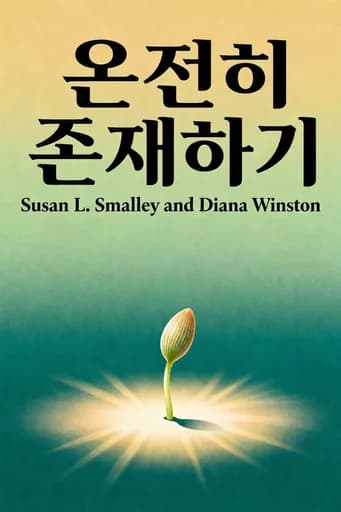
Discover the science and art of mindfulness with "Fully Present," the groundbreaking guide transforming workplace cultures and personal wellness practices nationwide. What if waiting in line became your most powerful mindfulness opportunity? Learn practical techniques that Fortune 500 companies now use to boost employee wellbeing.
Susan L. Smalley, PhD, and Diana Winston, co-authors of Fully Present: The Science, Art, and Practice of Mindfulness, are leading voices in secular mindfulness education. Smalley, a Professor Emerita of Psychiatry and founder of UCLA’s Mindful Awareness Research Center (MARC), bridges neuroscience and mindfulness, drawing from her anthropology background and decades of research on mental well-being. Winston, Director of UCLA Mindful and a former Buddhist nun, integrates contemplative traditions with modern practice, having taught mindfulness since 1993.
Their collaboration merges evidence-based science with accessible techniques for stress reduction, emotional regulation, and everyday awareness.
Winston’s The Little Book of Being further explores innate awareness, while Smalley’s work with the UCLA Bedari Kindness Institute amplifies her expertise in compassion-based research. Featured in The New York Times, LA Times, and academic programs worldwide, their frameworks power UCLA’s evidence-based Mindful Awareness Practices (MAPs) curriculum. Fully Present remains a cornerstone text for practitioners and educators, praised for its holistic approach to transforming mental health through mindful living.
Fully Present explores mindfulness as a science-backed tool to enhance well-being, blending research on brain-body impacts with practical meditation techniques. It teaches readers to apply mindfulness to everyday activities (like waiting in line or exercising) while explaining neuroplasticity and stress reduction. The second edition adds a new afterword updating key concepts.
This book suits beginners seeking an evidence-based introduction to mindfulness, stressed professionals aiming to improve focus, and therapists/educators wanting science-supported techniques. Its clear explanations of meditation’s biological effects make it valuable for skeptics and science enthusiasts alike.
Yes—it’s praised for balancing academic rigor with actionable steps, offering over 100 peer-reviewed insights from co-author Dr. Smalley’s UCLA research. The Library Journal calls it “one of the clearest introductions to mindfulness,” ideal for mastering stress management and emotional resilience.
Four pillars:
It details fMRI studies showing mindfulness shrinks the amygdala (fear center) and strengthens the prefrontal cortex (decision-making). For example, daily 10-minute meditations correlate with 14% cortisol reduction, per Smalley’s UCLA trials. Charts simplify neuroplasticity concepts for non-scientists.
While Tolle’s work focuses on spiritual philosophy, Fully Present emphasizes measurable outcomes—citing 23 clinical trials on anxiety reduction. It’s preferred by readers wanting structured practices over abstract ideas, though both stress present-moment awareness.
Some advanced practitioners find its exercises too basic, and the science-heavy sections may overwhelm casual readers. However, its 2022 update addresses gaps in digital-age mindfulness (e.g., tech distraction).
With 42% of U.S. adults reporting pandemic-induced anxiety (per CDC), its evidence-based coping strategies help address modern mental health crises. The afterword adds guidance for post-COVID resilience, making it a timely resource.
Drawing on her 100+ behavioral genetics studies at UCLA, Smalley decodes mindfulness’s DNA links—like how the 5-HTTLPR gene affects stress response malleability. This academic depth pairs with Diana Winston’s meditation-teaching expertise.
Smalley co-created UCLA’s Mindful Awareness Practices curriculum and authored 70+ Psychology Today articles on mindfulness-gender equality links. While Fully Present remains her flagship book, she’s contributed to journals like Nature Neuroscience on ADHD-mindfulness overlaps.
저자의 목소리로 책을 느껴보세요
지식을 흥미롭고 예시가 풍부한 인사이트로 전환
핵심 아이디어를 빠르게 캡처하여 신속하게 학습
재미있고 매력적인 방식으로 책을 즐기세요
Mindfulness illuminates our conceptual frameworks.
Mindfulness brings us back to what's actually happening right now.
We are creatures of habit, as science confirms.
The body serves as the gateway to mindfulness precisely because it always exists in the present moment.
Fully present의 핵심 아이디어를 이해하기 쉬운 포인트로 분해하여 혁신적인 팀이 어떻게 창조하고, 협력하고, 성장하는지 이해합니다.
Fully present을 빠른 기억 단서로 압축하여 솔직함, 팀워크, 창의적 회복력의 핵심 원칙을 강조합니다.

생생한 스토리텔링을 통해 Fully present을 경험하고, 혁신 교훈을 기억에 남고 적용할 수 있는 순간으로 바꿉니다.
무엇이든 물어보고, 목소리를 선택하고, 진정으로 공감되는 인사이트를 함께 만들어보세요.

샌프란시스코에서 컬럼비아 대학교 동문들이 만들었습니다
"Instead of endless scrolling, I just hit play on BeFreed. It saves me so much time."
"I never knew where to start with nonfiction—BeFreed’s book lists turned into podcasts gave me a clear path."
"Perfect balance between learning and entertainment. Finished ‘Thinking, Fast and Slow’ on my commute this week."
"Crazy how much I learned while walking the dog. BeFreed = small habits → big gains."
"Reading used to feel like a chore. Now it’s just part of my lifestyle."
"Feels effortless compared to reading. I’ve finished 6 books this month already."
"BeFreed turned my guilty doomscrolling into something that feels productive and inspiring."
"BeFreed turned my commute into learning time. 20-min podcasts are perfect for finishing books I never had time for."
"BeFreed replaced my podcast queue. Imagine Spotify for books — that’s it. 🙌"
"It is great for me to learn something from the book without reading it."
"The themed book list podcasts help me connect ideas across authors—like a guided audio journey."
"Makes me feel smarter every time before going to work"
샌프란시스코에서 컬럼비아 대학교 동문들이 만들었습니다

Fully present 요약을 무료 PDF 또는 EPUB으로 받으세요. 인쇄하거나 오프라인에서 언제든 읽을 수 있습니다.
Imagine living in a world where your mind isn't constantly pulled between regrets of the past and anxieties about the future - where you can fully experience each moment as it unfolds. This is the promise of mindfulness, brilliantly explored in "Fully Present." In our hyper-connected yet paradoxically disconnected world, mindfulness offers a powerful antidote to the modern epidemic of distraction and anxiety. It's not just another self-help trend - it's a scientifically validated approach to living that bridges ancient contemplative traditions with cutting-edge neuroscience. As mindfulness practices gain mainstream acceptance (with over 14% of Americans now meditating regularly), we're witnessing a quiet revolution in how we relate to our minds, bodies, and each other.