From overweight alcoholic to ultra-endurance athlete, Rich Roll's transformation defies limits. Named one of "25 Fittest Men" by Men's Fitness, his plant-based journey proves reinvention is possible at any age. What could you achieve if you rejected your own limitations?
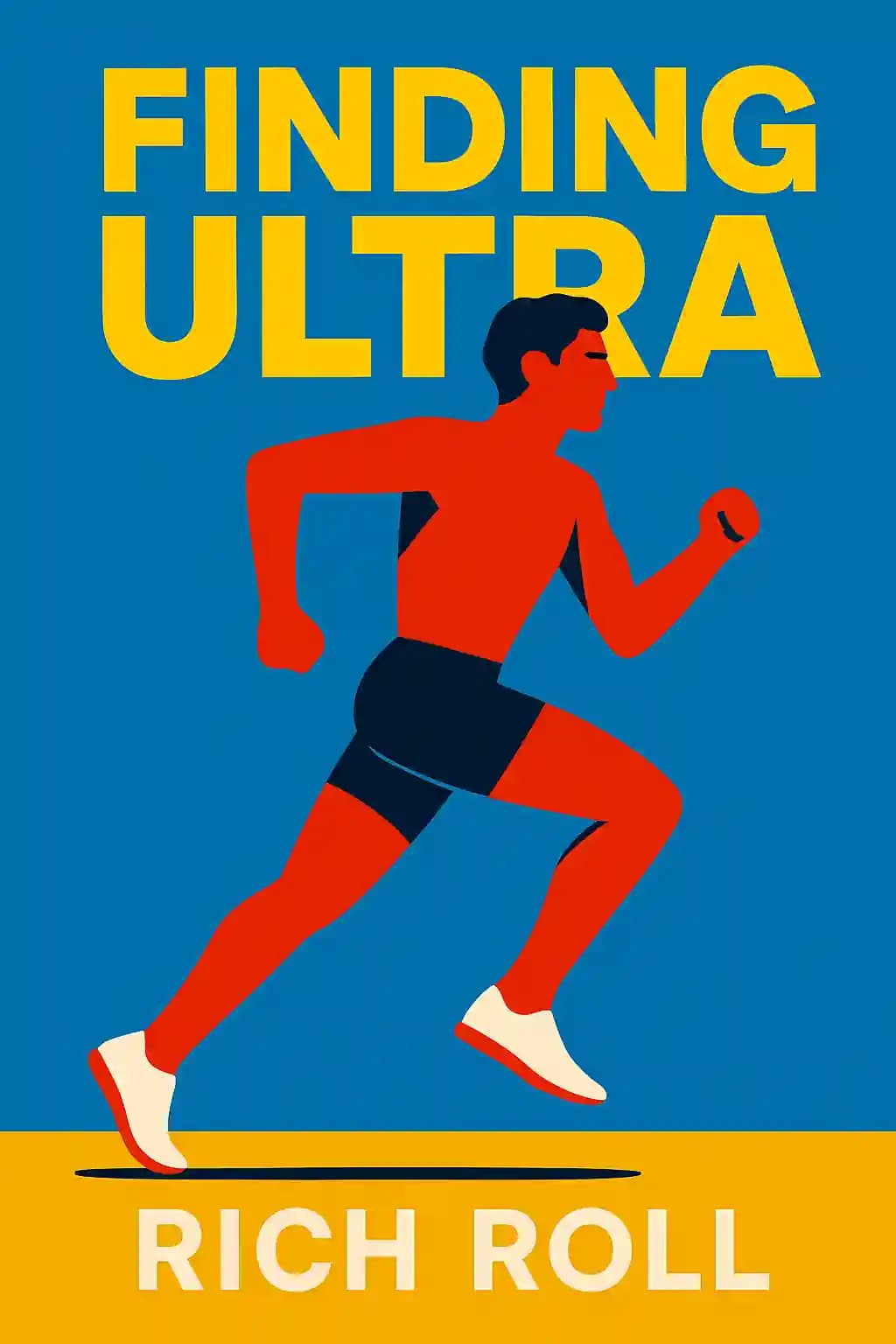
Rich Roll is the bestselling author of Finding Ultra: Rejecting Middle Age, Becoming One of the World’s Fittest Men, and Discovering Myself, a memoir that chronicles his transformation from sedentary attorney to elite ultra-endurance athlete and plant-based nutrition advocate.
A Stanford University and Cornell Law School graduate, Roll’s journey of overcoming addiction and reinventing his life at age 40 anchors the book’s themes of resilience, wellness, and holistic self-discovery. He co-authored The Plantpower Way and The Plantpower Way: Italia with his wife Julie Piatt, further cementing his authority in plant-based living.
Host of the Rich Roll Podcast, with over 200 million downloads and recognition as a top health podcast on iTunes, Roll has been featured by CNN, Men’s Fitness, and Outside magazine, which dubbed him the “Guru of Reinvention.” His work is cited in academic discussions on plant-based diets and endurance training. Finding Ultra remained on The New York Times bestseller list for over two years and inspired a global community to embrace sustainable, health-conscious living.
Finding Ultra chronicles Rich Roll's midlife transformation from an overweight, alcoholic lawyer to a elite vegan ultra-endurance athlete. The memoir details his 320-mile Ultraman competition finish, the EPIC5 challenge (5 Ironman triathlons in 7 days), and his shift to plant-based living. Central themes include overcoming addiction, redefining limits, and leveraging nutrition for peak performance.
This book appeals to endurance athletes, midlife career-changers, and plant-based diet enthusiasts. It’s particularly valuable for those seeking inspiration to overcome addiction, revamp their health after 40, or understand the connection between vegan nutrition and athletic performance.
Yes for its raw account of personal redemption and actionable wellness insights. Critics note occasional self-indulgence in detailing Roll’s privilege, but most praise its motivational value for lifestyle changes. The 2025 revised edition adds updated nutrition protocols and mindset strategies.
“The goal isn’t perfection, it’s consistent progress forward.”
This mantra underscores Roll’s approach to incremental habit changes. Another notable reflection: “Luck favors the persistent, but privilege often goes unacknowledged” – addressing criticisms of his affluent background.
The book argues whole-food plant-based diets optimize endurance recovery and energy. Roll credits his success to eliminating processed foods, emphasizing greens/legumes, and hydrating with coconut water. Practical tips include 5-day meal plans and pre-race fueling strategies.
Some readers critique Roll’s focus on expensive wellness strategies (private coaches, organic foods) and perceived glossing-over of his privileged upbringing. Others find the athletic achievements inspiring but difficult to relate to average fitness journeys.
Both explore vegan athleticism, but Roll’s memoir emphasizes midlife transformation and addiction recovery, while Jurek focuses on race tactics and professional running. Finding Ultra includes more lifestyle philosophy; Eat and Run offers detailed training routines.
Roll’s legendary 2010 feat involved completing 5 Ironman-distance triathlons (2.4-mile swim, 112-mile bike, 26.2-mile run) across 5 Hawaiian islands in under 7 days. The book breaks down his mental strategies for overcoming sleep deprivation and muscle failure.
Roll argues midlife’s responsibilities make it the ideal time for transformation, not a barrier. Key tactics: reprioritizing health over career, embracing incremental progress, and using family as motivation rather than an excuse for stagnation.
Yes – 30% of the book details Roll’s alcohol dependency, 100-day rehab stint, and tools like journaling and peer accountability. His “next best action” philosophy helps readers focus on daily wins versus overwhelming long-term goals.
저자의 목소리로 책을 느껴보세요
지식을 흥미롭고 예시가 풍부한 인사이트로 전환
핵심 아이디어를 빠르게 캡처하여 신속하게 학습
재미있고 매력적인 방식으로 책을 즐기세요
My life is my message.
I had traded my health for wealth, and I was bankrupt.
The only limitations are those we place on ourselves.
This is not over. Now, get back on your bike and get it done.
The pain became addictive, unconsciously helping me exorcise the emotional numbness from my difficult school experience.
Finding Ultra, Revised and Updated Edition의 핵심 아이디어를 이해하기 쉬운 포인트로 분해하여 혁신적인 팀이 어떻게 창조하고, 협력하고, 성장하는지 이해합니다.
Finding Ultra, Revised and Updated Edition을 빠른 기억 단서로 압축하여 솔직함, 팀워크, 창의적 회복력의 핵심 원칙을 강조합니다.

생생한 스토리텔링을 통해 Finding Ultra, Revised and Updated Edition을 경험하고, 혁신 교훈을 기억에 남고 적용할 수 있는 순간으로 바꿉니다.
무엇이든 물어보고, 목소리를 선택하고, 진정으로 공감되는 인사이트를 함께 만들어보세요.

샌프란시스코에서 컬럼비아 대학교 동문들이 만들었습니다
"Instead of endless scrolling, I just hit play on BeFreed. It saves me so much time."
"I never knew where to start with nonfiction—BeFreed’s book lists turned into podcasts gave me a clear path."
"Perfect balance between learning and entertainment. Finished ‘Thinking, Fast and Slow’ on my commute this week."
"Crazy how much I learned while walking the dog. BeFreed = small habits → big gains."
"Reading used to feel like a chore. Now it’s just part of my lifestyle."
"Feels effortless compared to reading. I’ve finished 6 books this month already."
"BeFreed turned my guilty doomscrolling into something that feels productive and inspiring."
"BeFreed turned my commute into learning time. 20-min podcasts are perfect for finishing books I never had time for."
"BeFreed replaced my podcast queue. Imagine Spotify for books — that’s it. 🙌"
"It is great for me to learn something from the book without reading it."
"The themed book list podcasts help me connect ideas across authors—like a guided audio journey."
"Makes me feel smarter every time before going to work"
샌프란시스코에서 컬럼비아 대학교 동문들이 만들었습니다

Finding Ultra, Revised and Updated Edition 요약을 무료 PDF 또는 EPUB으로 받으세요. 인쇄하거나 오프라인에서 언제든 읽을 수 있습니다.
Picture a 39-year-old lawyer, successful by every conventional measure, stopping halfway up his own staircase-not to answer a phone or tie a shoe, but because he physically cannot continue. Eight stairs. That's all it takes to leave him winded, nauseous, and confronting a terrifying vision: his daughter's wedding day, decades from now, with one conspicuous absence. Him. This moment of reckoning didn't arrive with fanfare or drama. It came in the quiet darkness of an ordinary Tuesday night, fueled by cheeseburgers and self-deception. What happened next defies the typical midlife crisis narrative. This isn't a story about buying a sports car or finding religion. It's about a former Olympic-hopeful swimmer who drowned in alcohol and junk food, only to resurface as one of the world's most formidable ultra-endurance athletes. The transformation required more than willpower-it demanded a complete dismantling of identity itself. Water was the first language, learned before walking. Tossed into the deep end as a diapered infant, the instinct wasn't fear but joy-a smile that asked "again?" This frail, cross-eyed child wearing an eye patch and orthodontic headgear became an unlikely athlete, discovering in swimming what he couldn't find on playgrounds where he was always picked last.