In "Exercised," Harvard evolutionary biologist Daniel Lieberman reveals why humans naturally avoid unnecessary exertion yet paradoxically need movement. Endorsed by Runner's World's Amby Burfoot, this myth-busting exploration explains why our ancestors never "worked out" - and how modern exercise culture gets evolution all wrong.
저자의 목소리로 책을 느껴보세요
지식을 흥미롭고 예시가 풍부한 인사이트로 전환
핵심 아이디어를 빠르게 캡처하여 신속하게 학습
재미있고 매력적인 방식으로 책을 즐기세요
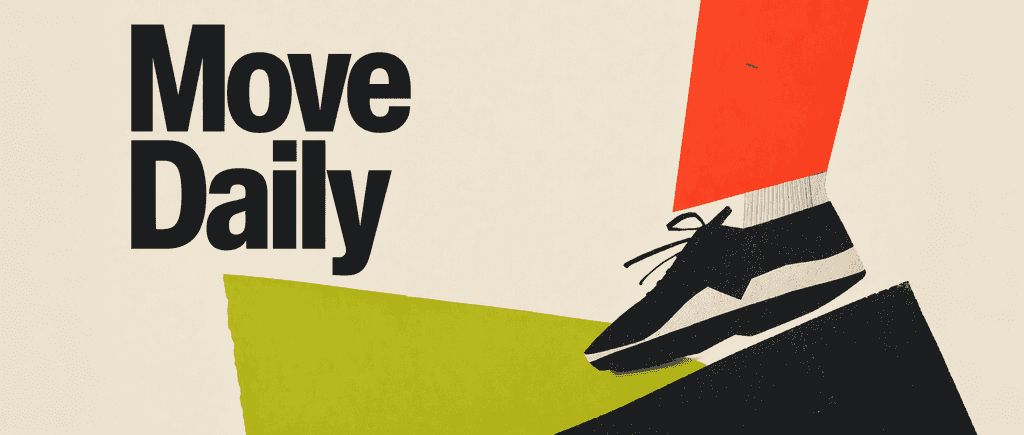
Picture this: Ernesto, a 70-year-old Tarahumara man from Mexico's Sierra mountains, looks puzzled when asked about "training" for running competitions. "Why would anyone run when they don't have to?" he asks. As a subsistence farmer who grows all his food without machines, Ernesto remains remarkably fit without ever "exercising." His perspective highlights the central paradox explored in "Exercised": humans evolved to be physically active but also to avoid unnecessary exertion. Our ancestors walked miles daily, carried heavy loads, and occasionally sprinted from predators - not to stay fit, but because survival demanded it. Meanwhile, they rested whenever possible to conserve precious calories. This evolutionary legacy explains why exercise feels like a chore. When you take the escalator instead of stairs or circle a parking lot looking for a closer spot, you're not being lazy - you're following ancient programming to conserve energy. Remember those documentaries portraying indigenous people as natural superathletes untainted by civilization? That's largely fiction. What surprised researchers most upon first visiting Hadza hunter-gatherer camps in Tanzania was finding everyone sitting around, apparently doing nothing. While Hadza do leave camp daily to hunt and gather, with women walking miles to dig for tubers and men tracking animals for 7-10 miles, much of their time in camp is spent resting and socializing. The problem isn't our natural inclination to rest - it's that modern environments have made physical activity optional while making calorie-dense food abundant. This "mismatch" between our evolved tendencies and current environment explains why half of American adults fail to meet basic activity guidelines, contributing to epidemic levels of chronic disease.
Exercised의 핵심 아이디어를 이해하기 쉬운 포인트로 분해하여 혁신적인 팀이 어떻게 창조하고, 협력하고, 성장하는지 이해합니다.
Exercised을 빠른 기억 단서로 압축하여 솔직함, 팀워크, 창의적 회복력의 핵심 원칙을 강조합니다.

생생한 스토리텔링을 통해 Exercised을 경험하고, 혁신 교훈을 기억에 남고 적용할 수 있는 순간으로 바꿉니다.
무엇이든 물어보고, 목소리를 선택하고, 진정으로 공감되는 인사이트를 함께 만들어보세요.

샌프란시스코에서 컬럼비아 대학교 동문들이 만들었습니다
"Instead of endless scrolling, I just hit play on BeFreed. It saves me so much time."
"I never knew where to start with nonfiction—BeFreed’s book lists turned into podcasts gave me a clear path."
"Perfect balance between learning and entertainment. Finished ‘Thinking, Fast and Slow’ on my commute this week."
"Crazy how much I learned while walking the dog. BeFreed = small habits → big gains."
"Reading used to feel like a chore. Now it’s just part of my lifestyle."
"Feels effortless compared to reading. I’ve finished 6 books this month already."
"BeFreed turned my guilty doomscrolling into something that feels productive and inspiring."
"BeFreed turned my commute into learning time. 20-min podcasts are perfect for finishing books I never had time for."
"BeFreed replaced my podcast queue. Imagine Spotify for books — that’s it. 🙌"
"It is great for me to learn something from the book without reading it."
"The themed book list podcasts help me connect ideas across authors—like a guided audio journey."
"Makes me feel smarter every time before going to work"
샌프란시스코에서 컬럼비아 대학교 동문들이 만들었습니다

Exercised 요약을 무료 PDF 또는 EPUB으로 받으세요. 인쇄하거나 오프라인에서 언제든 읽을 수 있습니다.